
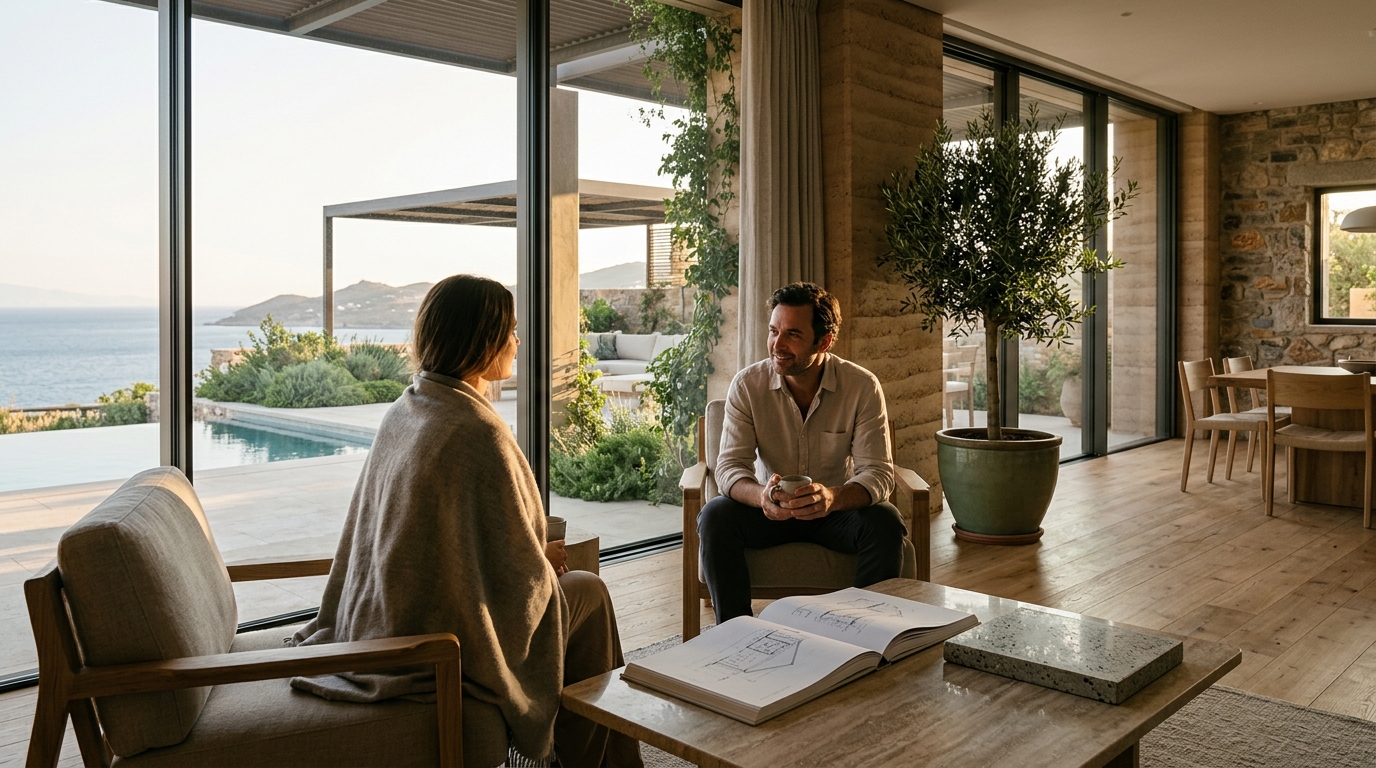
Modern luxury developments now prioritize environmental performance alongside aesthetic prestige. According to recent industry reports, sustainable building practices have increased commercial property valuations by nearly eighteen percent over the last five years. High-end developers integrate advanced engineering frameworks to reduce operational costs while maintaining premium living standards. These projects require meticulous planning across material sourcing, energy systems, and spatial organization. The following analysis outlines the core architectural strategies that define next-generation eco-luxury properties. Owners increasingly demand transparent lifecycle assessments and verifiable carbon reduction metrics.
Biophilic Integration and Spatial Flow
Biophilic design is the deliberate incorporation of natural elements into built environments to enhance human well-being. Luxury developers prioritize expansive glazing, interior courtyards, and living green walls to blur the boundary between indoor and outdoor spaces. This approach reduces reliance on artificial lighting while improving air quality. High-end residential projects often feature custom landscape architecture that adapts to regional climate patterns. The result is a living ecosystem that requires minimal maintenance yet delivers maximum aesthetic impact.
Strategic Window Placement
Architects position high-performance glass to maximize passive solar gain during winter months. Automated shading systems adjust dynamically to prevent heat buildup during peak afternoon hours. This precise calibration eliminates thermal bridging and maintains consistent indoor temperatures. Property owners benefit from reduced HVAC loads and enhanced visual comfort.
Interior Landscaping Protocols
Developers install specialized irrigation networks that recycle greywater for vertical gardens. These living walls filter airborne particulates and regulate humidity levels automatically. Premium residential complexes frequently partner with botanical consultants to select native plant species. The strategy ensures long-term viability without compromising structural integrity.
Advanced Energy Management Systems
Energy management systems are centralized control networks that monitor and optimize power distribution across all building operations. Luxury properties now integrate geothermal heat pumps, solar photovoltaic arrays, and battery storage solutions into their core infrastructure. These components operate in unison to achieve net-zero energy consumption. Developers conduct rigorous energy modeling during the pre-construction phase to verify performance targets. The resulting efficiency gains directly translate to lower utility expenses and higher asset resilience.
Grid-Interactive Building Standards
Modern developments connect to municipal microgrids to exchange surplus power during off-peak periods. Smart inverters manage load balancing and prevent grid instability during extreme weather events. High-end residential portfolios frequently include backup power generators that activate within milliseconds. This redundancy ensures uninterrupted operations for critical life-support and security systems.
Thermal Envelope Engineering
Builders utilize triple-pane glazing and continuous insulation barriers to eliminate thermal leakage. Advanced air sealing techniques prevent uncontrolled ventilation and maintain precise humidity control. These structural upgrades reduce heating demands by nearly forty percent compared to conventional construction. Property investors recognize the long-term financial advantages of superior thermal performance.
Premium Material Sourcing Protocols
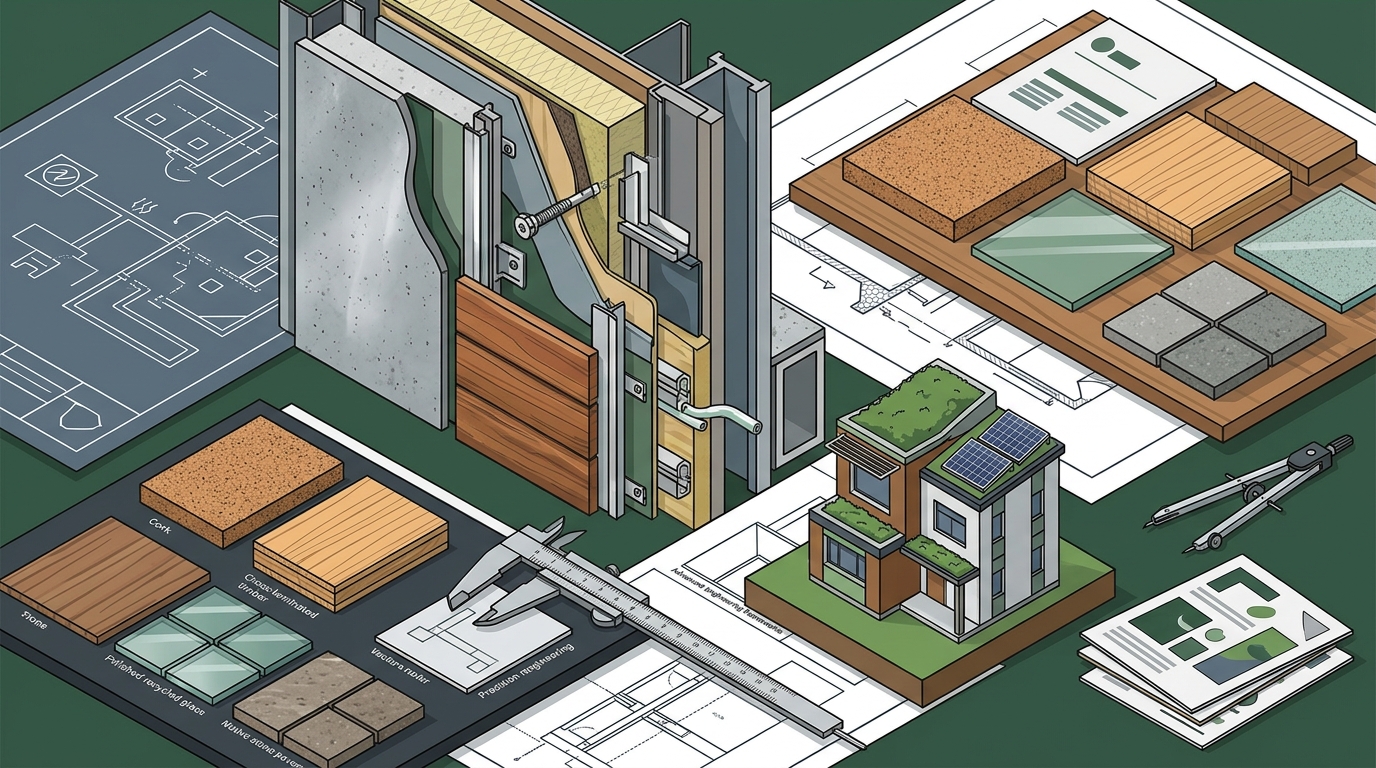
Sustainable material sourcing is the systematic selection of construction components that minimize environmental impact while maximizing durability. Luxury developers prioritize reclaimed timber, recycled steel, and low-carbon concrete alternatives for structural frameworks. These materials undergo rigorous third-party verification to confirm ethical extraction practices. High-end projects frequently feature locally quarried stone to reduce transportation emissions. The commitment to responsible procurement establishes a transparent supply chain that appeals to environmentally conscious buyers.
Low-VOC Finishing Standards
Interior finishes utilize zero-emission paints, adhesives, and sealants to maintain pristine indoor air quality. Builders conduct post-construction air testing to verify compliance with strict health guidelines. Premium residential complexes often feature hand-finished surfaces that require minimal chemical maintenance. This approach eliminates off-gassing risks and creates a healthier living environment for occupants.
Recycled Composite Systems
Developers incorporate post-consumer plastic composites into decking, flooring, and exterior cladding. These engineered materials resist rot, insect damage, and UV degradation without requiring chemical treatments. High-end properties frequently specify recycled aluminum for window frames and structural supports. The strategy reduces landfill waste while delivering exceptional longevity and aesthetic versatility.
Water Conservation Infrastructure
Water conservation infrastructure is the integrated network of collection, filtration, and distribution systems that minimize municipal water dependency. Luxury developments install rainwater harvesting tanks, greywater recycling units, and smart irrigation controllers to optimize usage. These systems reduce overall water consumption by nearly thirty-five percent during peak demand periods. Developers partner with hydrological engineers to design catchment areas that align with regional precipitation patterns. The resulting efficiency lowers utility bills and preserves local aquifer resources.
Advanced Filtration Technologies
Properties utilize reverse osmosis and ultraviolet purification to treat harvested rainwater for potable use. High-end residential complexes often feature dedicated plumbing loops that separate drinking water from landscape irrigation. These isolated systems prevent cross-contamination and maintain consistent water pressure throughout the estate. Owners benefit from reliable access to clean water regardless of municipal supply fluctuations.
Smart Leak Detection Networks
Developers embed pressure sensors and flow meters throughout all distribution lines to identify anomalies instantly. Automated shut-off valves activate within seconds to prevent catastrophic water loss. Premium properties frequently integrate mobile alerts that notify facility managers of potential infrastructure failures. This proactive monitoring extends equipment lifespan and reduces emergency repair costs.
Smart Home Automation Frameworks
Smart home automation is the centralized digital platform that coordinates lighting, climate, security, and entertainment systems across all property zones. Luxury developers integrate AI-driven predictive algorithms to adjust environmental settings based on occupancy patterns and weather forecasts. These systems learn user preferences and optimize energy distribution accordingly. High-end residential projects frequently feature voice-activated controls and mobile dashboards for remote management. The resulting convenience enhances daily living while minimizing operational waste.
Predictive Maintenance Algorithms
Developers install vibration sensors and thermal imaging cameras to monitor mechanical equipment continuously. These devices predict component failures before they impact daily operations. Premium properties frequently schedule automated service requests that dispatch certified technicians during off-peak hours. This proactive approach prevents costly downtime and extends the lifespan of critical infrastructure.
Integrated Security Protocols
High-end estates utilize biometric access controls and AI-powered surveillance to monitor perimeter boundaries. Automated lighting simulations create the illusion of occupancy during extended absences. Luxury developers frequently integrate emergency response networks that coordinate directly with local law enforcement. These comprehensive security measures provide peace of mind while maintaining seamless daily functionality.
Regulatory Compliance and Certification Pathways
Regulatory compliance is the systematic adherence to local building codes, environmental regulations, and international sustainability standards. Luxury developers navigate complex permitting processes to secure LEED Platinum, BREEAM Outstanding, or Passive House certifications. These credentials verify that projects meet rigorous performance benchmarks across energy, water, and materials categories. High-end properties frequently engage third-party auditors to validate compliance before final handover. The resulting documentation enhances marketability and attracts institutional investors seeking verified green assets.
Carbon Offset Programs
Developers purchase verified carbon credits to neutralize residual emissions from construction activities. These programs fund renewable energy projects and reforestation initiatives in underserved regions. Premium residential complexes frequently publish annual sustainability reports that track progress against established targets. This transparency builds trust with environmentally conscious buyers and regulatory agencies.
Regional Adaptation Strategies
High-end projects modify standard sustainability frameworks to address specific climatic challenges and geographic constraints. Developers conduct site-specific environmental impact assessments to identify potential ecological disruptions. Luxury properties frequently implement erosion control measures and native habitat restoration programs. These localized strategies ensure long-term environmental harmony while preserving property value.
Comparative Analysis of Sustainable Design Approaches
| Design Category | Primary Function | Typical Implementation Cost | Long-Term Value Impact |
|---|---|---|---|
| Biophilic Integration | Enhances occupant well-being and reduces artificial lighting dependency | 12 to 18 percent above baseline construction | Increases property valuation by 15 to 20 percent |
| Advanced Energy Systems | Optimizes power distribution and eliminates grid dependency | 25 to 30 percent above baseline construction | Reduces operational expenses by 40 percent annually |
| Premium Material Sourcing | Minimizes environmental impact while maximizing structural durability | 8 to 12 percent above baseline construction | Extends building lifespan by 25 to 30 years |
| Water Conservation Infrastructure | Reduces municipal water dependency through recycling and harvesting | 10 to 15 percent above baseline construction | Lowers utility bills by 35 percent during peak seasons |
Key Takeaways
- Biophilic design integrates natural elements to improve air quality and reduce artificial lighting dependency.
- Advanced energy management systems utilize geothermal and solar technologies to achieve net-zero consumption.
- Premium material sourcing prioritizes reclaimed timber and low-carbon concrete to minimize environmental impact.
- Water conservation infrastructure employs rainwater harvesting and greywater recycling to preserve local aquifers.
- Smart home automation coordinates climate, security, and entertainment through predictive AI algorithms.
- Regulatory compliance pathways secure LEED Platinum and Passive House certifications to verify performance.
Frequently Asked Questions
How do luxury developers verify sustainable material claims?
Developers require third-party certifications and chain-of-custody documentation to verify ethical extraction practices. High-end projects frequently publish material passports that track every component from source to installation. This transparency ensures compliance with strict environmental standards and builds buyer confidence.
What is the typical payback period for advanced energy systems?
Properties typically recover initial investments within seven to twelve years through reduced utility expenses. High-end residential complexes often secure tax incentives and green financing to accelerate financial returns. These economic advantages make sustainable upgrades highly attractive to institutional investors.
How does biophilic design impact property resale value?
Properties featuring integrated natural elements consistently command premium pricing in competitive markets. Buyers increasingly prioritize wellness-focused environments that reduce stress and improve cognitive function. This demand drives appreciation rates 15 to 20 percent above conventional luxury listings.
Are smart home automation systems compatible with existing infrastructure?
Developers design modular control networks that integrate seamlessly with legacy building management systems. High-end properties utilize standardized communication protocols to ensure cross-platform compatibility. This flexibility allows owners to upgrade components without replacing entire operational frameworks.
What certifications do premium sustainable developments typically pursue?
Projects frequently target LEED Platinum, BREEAM Outstanding, and Passive House certifications to verify performance. These credentials require rigorous third-party audits across energy, water, and materials categories. High-end developers publish annual sustainability reports to maintain transparency with regulatory agencies.
How do luxury estates manage water scarcity during drought conditions?
Properties utilize advanced rainwater harvesting and greywater recycling to maintain consistent supply during dry periods. High-end developments install smart irrigation controllers that adjust watering schedules based on real-time soil moisture. This proactive management preserves local aquifers while ensuring landscape viability.
Begin Your Sustainable Luxury Project
Transform your vision into a high-performance reality by partnering with a team that prioritizes environmental stewardship and architectural excellence. Our specialists conduct comprehensive site assessments, energy modeling, and material sourcing to deliver verifiable sustainability outcomes. Visit our sustainable design services to explore customized project frameworks. Schedule a consultation at https://siafaricas.com/contact to discuss your specific requirements. Explore our completed portfolio at https://siafaricas.com/projects to review recent high-end eco-luxury developments. Learn more about our corporate philosophy at https://siafaricas.com/about. Contact our team today to secure your premium sustainable property.