
Sustainable Luxury Design: Unique Elements for High-End Properties
The global shift toward eco-conscious living has transformed the luxury real estate market. High-end buyers increasingly prioritize environmental responsibility without compromising opulence. Top-tier developers integrate advanced technologies and natural materials to create spaces that are both aesthetically stunning and ecologically sound. This article explores the specific design elements that distinguish sustainable luxury developments, drawing insights from industry leaders like ECLÉDE to highlight how modern architecture balances human experience with planetary stewardship.
Minimalist Architecture and Clean Lines
Luxury sustainable design begins with a commitment to minimalism. Clean architectural lines reduce material waste while enhancing visual appeal. This approach ensures that every structural element serves a dual purpose of aesthetic refinement and functional efficiency. Developers focus on geometric precision to minimize energy loss through the building envelope. The result is a structure that feels expansive yet highly controlled, offering residents a serene environment free from visual clutter. Portfolio showcases projects where this philosophy drives the final outcome.
Minimalist architecture is a design philosophy that prioritizes simplicity, functional clarity, and the elimination of non-essential elements to create spaces that emphasize light, space, and material integrity. By stripping away unnecessary ornamentation, developers can allocate resources toward high-performance materials and advanced construction techniques. This focus on essential forms allows for greater flexibility in spatial planning, creating open layouts that adapt to modern living needs. The emphasis on clean lines also simplifies maintenance, ensuring that luxury properties remain pristine over time.
Seamless Integration with Natural Surroundings
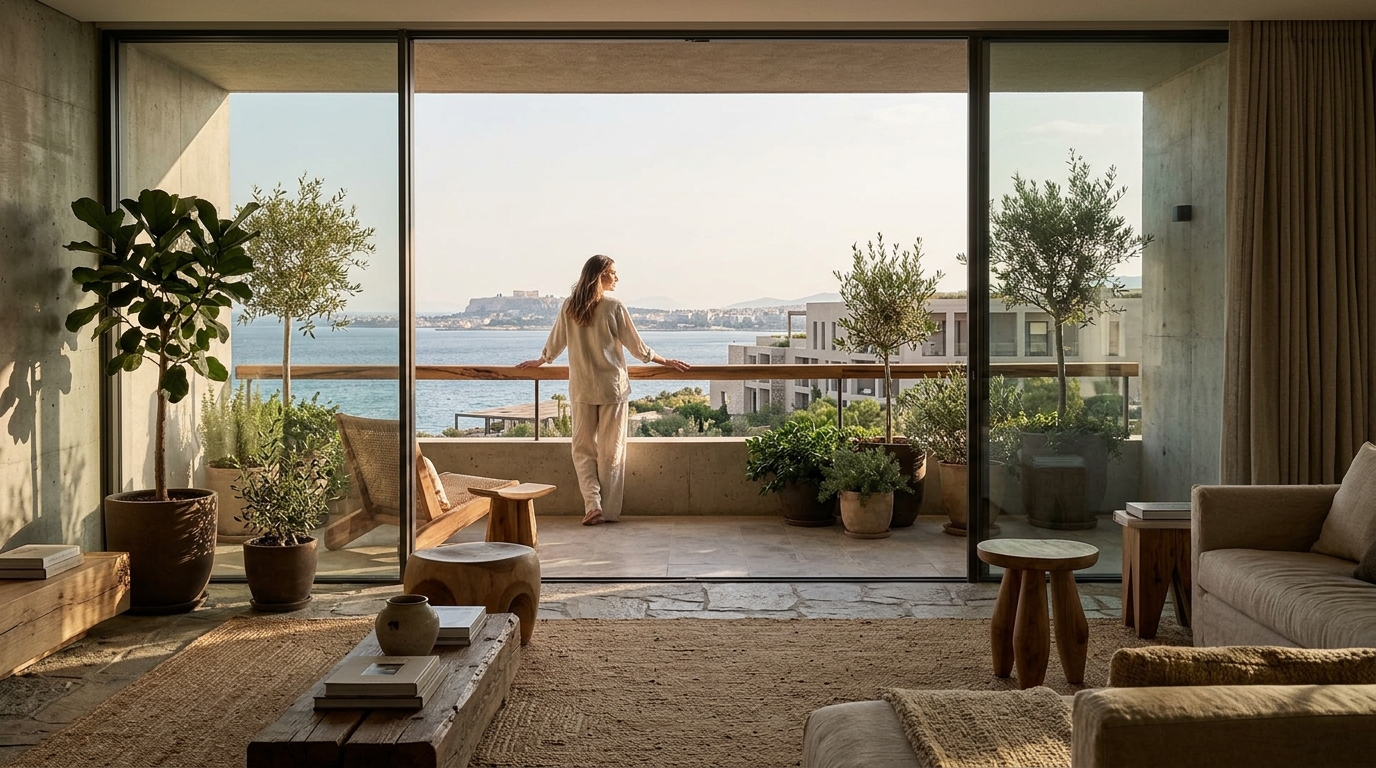
High-end properties must harmonize with their environment rather than dominate it. Site-specific planning allows structures to blend into topography, preserving existing ecosystems. Large glazing systems maximize natural light while maintaining thermal performance. Landscaping strategies incorporate native vegetation to support local biodiversity and reduce irrigation demands. This approach creates a sense of continuity between the interior living spaces and the exterior landscape, enhancing the overall living experience.
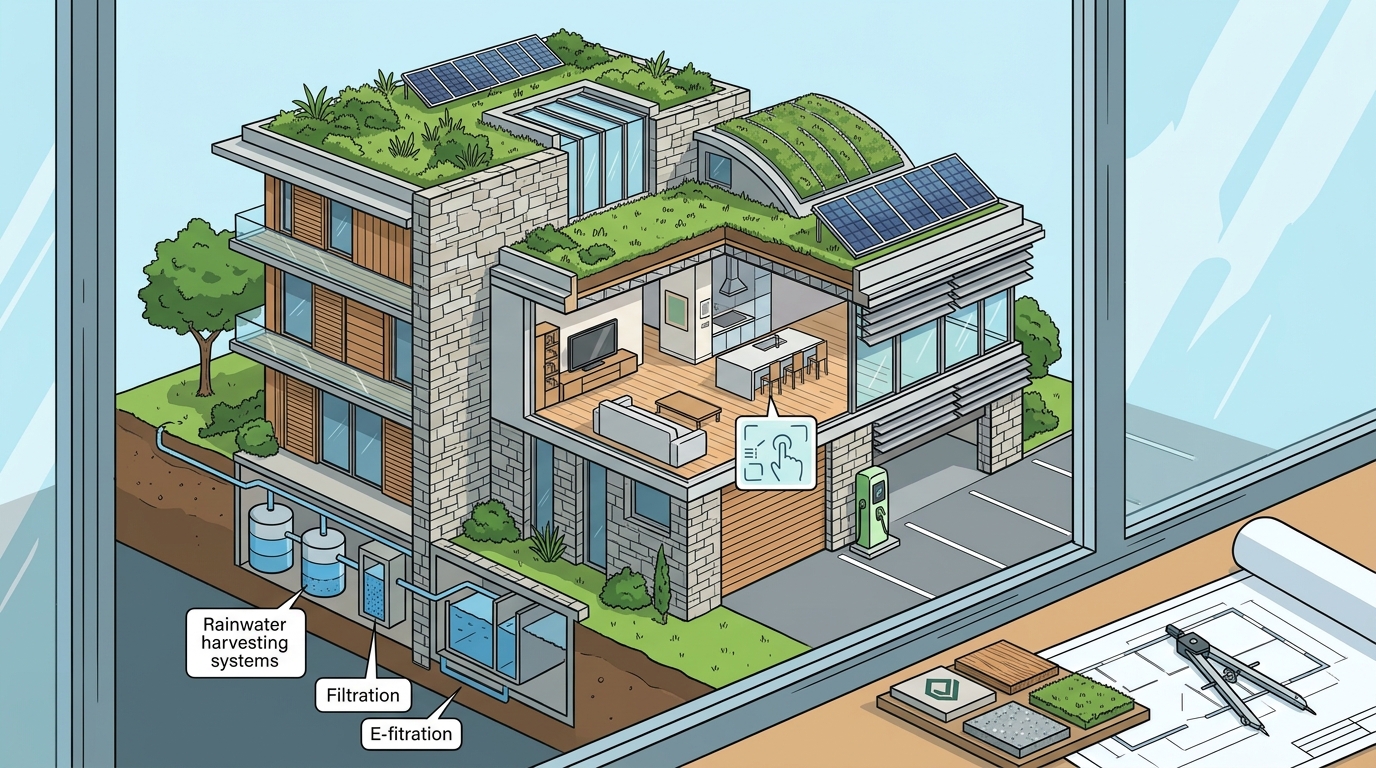
Biophilic design is an architectural strategy that connects building occupants to nature through the use of natural materials, organic forms, and views of the surrounding landscape to improve well-being. Developers often use locally sourced stone, wood, and other natural materials to reinforce this connection. These materials not only reduce transportation emissions but also age gracefully, developing a patina that adds character to the property. The integration of green roofs and living walls further blurs the boundary between built and natural environments, providing insulation and habitat for local wildlife.
Energy-Efficient Construction Systems
Future-focused construction relies on advanced insulation and renewable energy integration. Passive house standards often guide the thermal envelope design to minimize heating and cooling loads. Solar photovoltaic arrays and geothermal systems provide clean power for luxury amenities. High-performance windows and airtight seals prevent energy leakage throughout the year. These systems work together to create a building that operates with minimal environmental impact while delivering consistent comfort.
Passive house design is a rigorous building standard that focuses on ultra-low energy consumption through superior insulation, airtightness, and heat recovery ventilation to maintain comfortable indoor temperatures. This standard requires meticulous attention to detail during construction, ensuring that every joint and connection is perfectly sealed. The result is a home that requires significantly less energy to operate, reducing utility costs and carbon emissions. Luxury properties adhering to these standards often feature energy recovery ventilators that filter incoming air, ensuring high indoor air quality without sacrificing thermal efficiency.
Prop-Tech and Smart Home Integration
Modern luxury incorporates proprietary technology to manage resources intelligently. Automated climate control systems optimize energy usage based on occupancy patterns. Smart lighting and water management reduce consumption without sacrificing user experience. Digital dashboards allow owners to monitor sustainability metrics in real time. This level of control empowers residents to maintain their environmental commitments while enjoying the convenience of cutting-edge automation.
Prop-tech solutions extend beyond basic automation to include predictive maintenance and resource optimization. Sensors embedded in walls and floors can detect potential issues before they become costly repairs, ensuring the longevity of the property. Smart irrigation systems adjust watering schedules based on weather forecasts and soil moisture levels, conserving water and supporting plant health. These technologies are seamlessly integrated into the design, ensuring that they enhance rather than disrupt the aesthetic of the space. News updates often highlight the latest innovations in this rapidly evolving field.
Holistic Project Development Methodologies
Successful developers approach projects holistically, considering the entire lifecycle of the building. From initial site analysis to long-term maintenance, every decision impacts environmental impact. Stakeholder engagement ensures that community needs align with development goals. This comprehensive perspective creates enduring value for investors and residents alike. By viewing each project as part of a larger ecosystem, developers can identify opportunities to maximize positive outcomes.
Holistic project development involves a multidisciplinary team of architects, engineers, and sustainability experts working together from the earliest stages. This collaborative approach ensures that all aspects of the project are aligned with sustainability goals. Developers often conduct life cycle assessments to evaluate the environmental impact of materials and construction methods. This data-driven approach allows for informed decisions that minimize waste and maximize efficiency. The result is a property that delivers superior performance and resilience over time. About details the team's commitment to this rigorous process.
Long-Term Investment Value in Green Real Estate
Sustainable features contribute to higher property valuations over time. Energy-efficient homes attract premium buyers who value operational savings. Regulatory trends favor green certifications, reducing future compliance risks. Investors recognize that eco-friendly properties offer superior resilience against market fluctuations. This growing demand ensures that sustainable luxury developments remain highly desirable assets in the real estate market.
Green certifications such as LEED or BREEAM provide third-party validation of a property's sustainability credentials, enhancing its marketability. These certifications often lead to lower financing costs and higher rental yields, as tenants are willing to pay a premium for healthy, efficient spaces. Additionally, sustainable properties are less likely to face obsolescence as regulations become stricter and energy costs rise. This future-proofing makes them attractive to long-term investors seeking stable returns. Awards recognition often highlights the success of these investment strategies.
Regional Regulatory Compliance and Infrastructure
Luxury developments must adhere to strict regional building codes and environmental regulations. Compliance with local zoning laws ensures smooth project approvals. Infrastructure upgrades often accompany high-end developments to support sustainable transportation options. Developers stay ahead of regulatory changes to maintain competitive advantage. This proactive approach minimizes risks and ensures that projects can proceed without delays.
Regional regulations increasingly mandate energy efficiency and sustainable construction practices, pushing developers to adopt innovative solutions. Staying informed about these requirements is essential for successful project delivery. Developers often engage with local authorities early in the process to align their plans with community goals. This collaboration can lead to streamlined approvals and potential incentives for sustainable features. Infrastructure improvements, such as electric vehicle charging stations and public transit access, further enhance the value of luxury properties. Contact your development team to discuss regulatory strategies.
| Design Element | Functional Benefit | Sustainability Impact |
|---|---|---|
| Minimalist Architecture | Reduces material waste and simplifies maintenance | Lower carbon footprint and resource consumption |
| Natural Integration | Enhances aesthetic appeal and biodiversity | Preserves local ecosystems and reduces heat island effect |
| Energy-Efficient Systems | Minimizes operational costs and energy usage | Decreases greenhouse gas emissions and reliance on fossil fuels |
| Prop-Tech Integration | Optimizes resource management and user experience | Reduces waste and improves indoor air quality |
| Holistic Development | Ensures long-term performance and resilience | Maximizes value and minimizes environmental impact |
Key Takeaways
- ECLÉDE emphasizes minimal, clean architectural lines to balance aesthetics and efficiency.
- Seamless integration with natural surroundings preserves local ecosystems while enhancing property value.
- Energy-efficient construction systems minimize operational costs and environmental impact.
- Prop-tech integration enables smart management of resources and luxury amenities.
- Holistic project development ensures long-term investment value and regulatory compliance.
- Vassilis Siafaricas combines civil engineering precision with creative vision for superior outcomes.
- Sustainable luxury design creates high-end properties that are both opulent and environmentally responsible.
Frequently Asked Questions
What defines sustainable luxury real estate?
Sustainable luxury real estate combines high-end design with environmental responsibility, using energy-efficient systems and premium materials to create opulent yet eco-friendly living spaces.
How do developers integrate technology into green homes?
Developers incorporate prop-tech solutions such as automated climate control and smart energy monitoring to optimize resource usage while maintaining luxury standards.
What role does minimalist design play in sustainability?
Minimalist design reduces material waste and energy consumption by focusing on clean lines and functional efficiency, creating spaces that are both aesthetically refined and environmentally responsible.
How does ECLÉDE approach project development?
ECLÉDE employs a holistic project development methodology that considers the entire lifecycle of a building, ensuring alignment with environmental goals and long-term investment value.
Why is seamless integration with nature important?
Seamless integration with nature preserves local ecosystems and enhances the living experience by blending structures into the surrounding landscape, creating a harmonious balance between architecture and the environment.
What are the benefits of energy-efficient construction systems?
Energy-efficient construction systems lower utility costs, reduce carbon emissions, and improve indoor air quality, making them highly desirable for luxury buyers.
How do green certifications impact property value?
Green certifications provide third-party validation of sustainability, enhancing marketability and often leading to higher rental yields and financing incentives.
What is the role of civil engineering in sustainable luxury?
Civil engineering ensures technical precision and structural integrity, allowing for innovative design solutions that meet sustainability goals without compromising safety or aesthetics.
Start Your Sustainable Luxury Project
Contact ECLÉDE today to discuss your vision for a high-end, environmentally responsible development. Our team of experts is ready to bring your project to life with precision and care. Schedule a consultation to explore how we can redefine modern living for your next investment.