
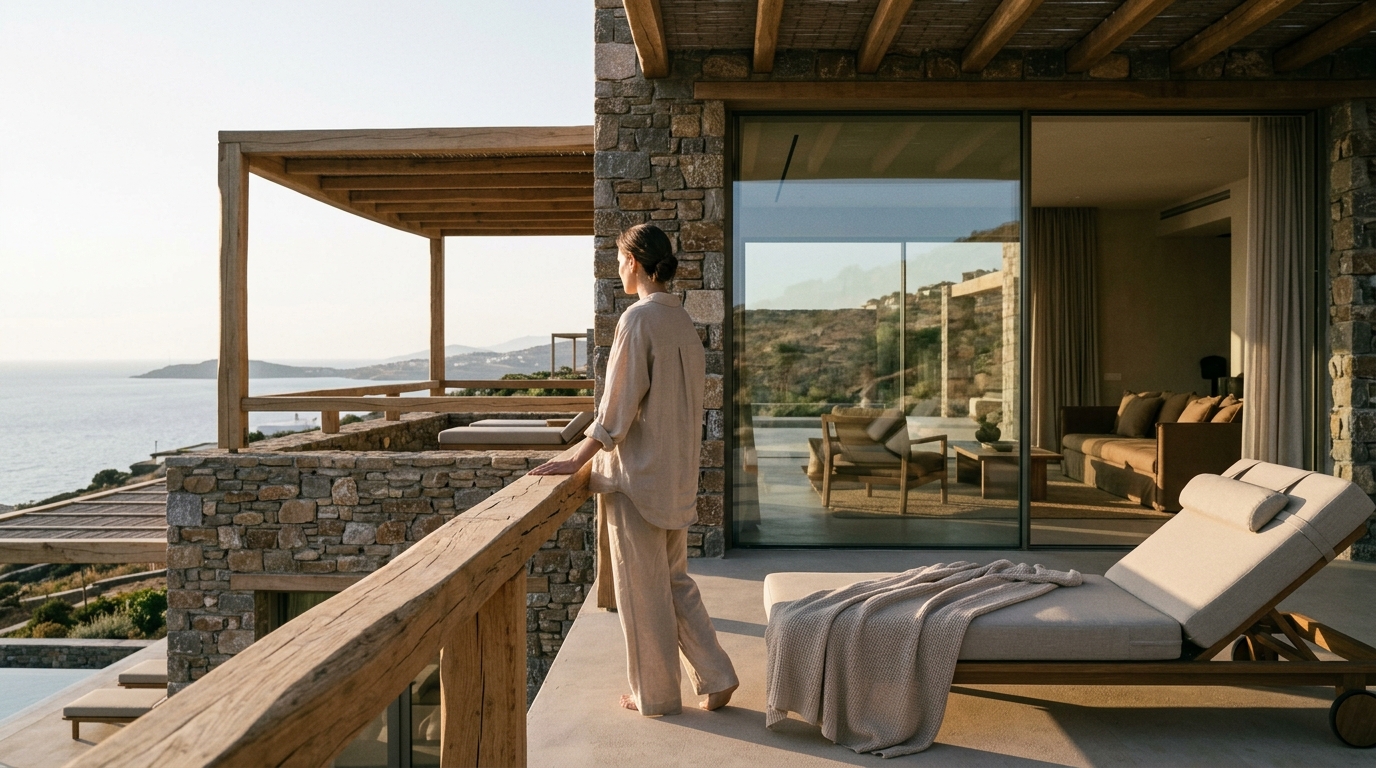
The global demand for eco-conscious living has surged, with high-end markets showing significant growth in properties that prioritize environmental responsibility. Investors now prioritize developments that merge sustainability with uncompromised comfort. This shift forces buyers to evaluate distinct alternatives beyond standard luxury construction. Understanding these options ensures alignment with both aesthetic preferences and long-term value retention.
Eco-Resort Developments
Eco-resort developments offer a unique alternative to traditional residential purchases. These properties combine hospitality standards with private ownership benefits. Luxury residential projects increasingly incorporate resort-style amenities to maximize guest experience and rental yield. Buyers gain access to professional management while retaining asset value.
An eco-resort is a hospitality-focused property designed to minimize environmental impact while offering premium amenities. These developments often feature renewable energy systems and water conservation protocols. The integration of natural surroundings remains a core design principle.
Prop-Tech Integration
Prop-tech solutions transform how owners interact with their assets. Smart home automation reduces energy consumption without sacrificing convenience. Multidisciplinary entrepreneur strategies highlight the importance of bridging technical precision with creative vision. Modern buyers expect seamless digital control over lighting, climate, and security.
Prop-tech refers to technology solutions that optimize property management and enhance user experience through digital innovation. These systems provide real-time data on energy usage and maintenance needs. This transparency supports long-term operational efficiency.
Green Certifications
Third-party certifications validate sustainability claims and boost marketability. LEED and BREEAM standards require rigorous testing of materials and energy performance. Industry recognition often follows projects that achieve top-tier environmental ratings. These labels attract discerning buyers who value verified performance.
A green certification is a formal assessment that verifies a building meets specific environmental and efficiency standards. Achieving these ratings can increase property value and reduce operational costs. Buyers should request documentation to confirm compliance.
Adaptive Reuse Projects
Adaptive reuse involves repurposing existing structures rather than building from scratch. This approach preserves cultural heritage while reducing construction waste. Visionary leadership often champions such holistic projects that respect historical context. Converting historic villas or industrial sites into luxury homes creates unique living spaces.
Adaptive reuse is the process of modifying a building for a new purpose while retaining its historic features. This method lowers the carbon footprint associated with new construction. It also offers distinct architectural character that new builds cannot replicate.
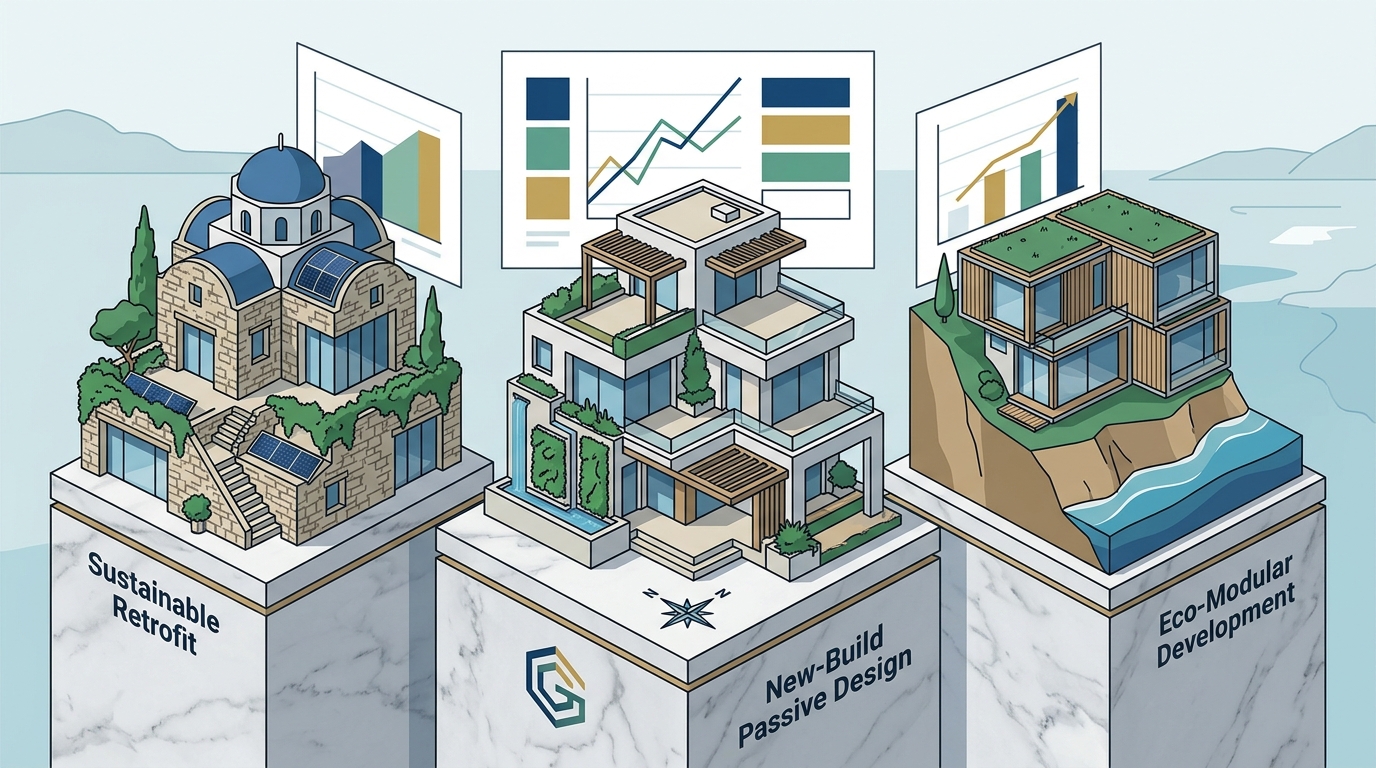
Off-Grid Luxury Solutions
Off-grid luxury properties provide complete energy independence. Solar arrays, battery storage, and water recycling systems operate autonomously. Schedule a consultation to discuss the feasibility of off-grid systems for your specific location. These homes appeal to buyers seeking total privacy and self-sufficiency.
An off-grid luxury home is a residence that generates its own power and manages its own water supply without reliance on public utilities. These systems require careful planning and high-quality components. They offer resilience against infrastructure disruptions.
Comparison of Sustainable Alternatives
| Property Type | Key Benefit | Best For |
|---|---|---|
| Eco-Resort | Professional management and rental yield | Investors seeking passive income |
| Prop-Tech Home | Automation and energy efficiency | Tech-savvy residents |
| Green Certified | Verified environmental performance | Compliance-focused buyers |
| Adaptive Reuse | Historic preservation and uniqueness | Heritage enthusiasts |
| Off-Grid | Energy independence and privacy | Self-sufficient lifestyle seekers |
Key Takeaways
- Eco-resort developments blend hospitality amenities with private ownership benefits.
- Prop-tech integration enables real-time monitoring and automated energy management.
- Green certifications provide verified proof of environmental performance.
- Adaptive reuse preserves cultural heritage while reducing construction waste.
- Off-grid solutions offer complete energy and water independence.
- Sustainable luxury properties in Greece command premium valuations.
- Vassilis Siafaricas leads ECLEDE with a focus on environmentally responsible developments.
Frequently Asked Questions
What defines a sustainable luxury property?
A sustainable luxury property combines high-end design with environmental responsibility. These homes use energy-efficient materials and renewable energy systems. They prioritize long-term investment value and ecological harmony.
How do eco-resorts differ from standard luxury homes?
Eco-resorts offer professional management and rental income potential. Standard luxury homes focus solely on private residence. Both prioritize environmental sustainability and premium amenities.
Why are green certifications important for buyers?
Certifications verify that a property meets rigorous environmental standards. They protect against greenwashing and ensure actual performance. These labels often increase resale value and market appeal.
Can historic buildings be converted to sustainable luxury homes?
Yes, adaptive reuse allows historic structures to meet modern sustainability goals. This process preserves architectural character while upgrading efficiency. It creates unique living spaces with deep historical context.
What technologies support off-grid luxury living?
Off-grid systems rely on solar arrays, battery storage, and water recycling. Smart management software optimizes energy distribution. These technologies ensure comfort without public utility dependence.
How does prop-tech enhance property value?
Prop-tech improves operational efficiency and user experience. Smart systems reduce energy waste and maintenance costs. Buyers increasingly value digital integration in luxury assets.
What role does ECLEDE play in sustainable development?
ECLEDE creates high-end, environmentally responsible developments. The firm balances architecture, sustainability, and investment value. Projects focus on energy-efficient, future-focused construction.
Are sustainable properties more expensive to maintain?
No, sustainable properties typically reduce long-term operational costs. Energy-efficient systems lower utility bills and maintenance needs. Initial investments often pay back through savings and higher valuations.
Explore Sustainable Alternatives
Discover how ECLEDE redefines modern living through sustainable luxury. Our portfolio showcases projects that balance architecture, sustainability, and long-term investment value. Contact ECLEDE today to discuss your requirements and schedule a consultation.