
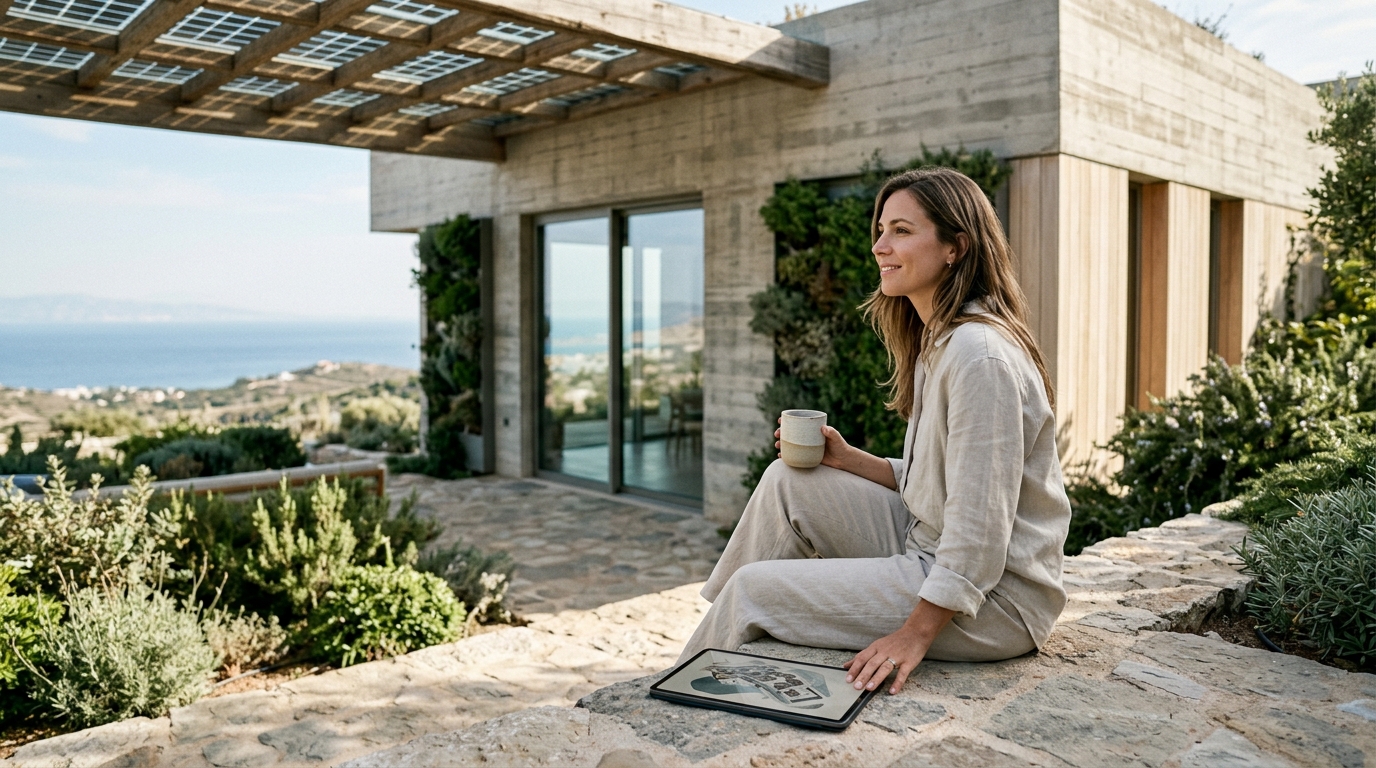
Implementing sustainable design in luxury real estate is no longer just an ethical choice but a financial imperative. According to recent industry reports, green-certified buildings in premium markets often command a 10 to 20% premium over conventional properties. This shift is driven by high-net-worth individuals who increasingly prioritize environmental responsibility alongside aesthetic excellence. However, the path to achieving Net Zero Energy Buildings and LEED Platinum standards is fraught with technical and financial hurdles. Developers must navigate complex regulatory landscapes, high upfront costs, and the delicate balance between modern sustainability and timeless luxury.
Financial Barriers and ROI Realities
The most immediate obstacle to sustainable luxury development is the perceived high cost of implementation. Green building materials, advanced HVAC systems, and renewable energy integrations often require a capital expenditure 5 to 15% higher than traditional construction methods. Developers frequently question the return on investment (ROI) for these premium features.
However, this view is rapidly becoming outdated. The concept of long-term asset value is central to modern sustainable development. Energy-efficient buildings significantly reduce operational costs over their lifespan. For luxury properties, this translates to lower maintenance fees for residents and higher property valuations. According to data from the World Green Building Council, green buildings can reduce operating costs by up to 30%. This financial efficiency is a powerful selling point for discerning buyers who view real estate as a long-term investment rather than a short-term speculation.
Addressing this challenge requires a shift in financial modeling. Developers must account for lifecycle costs rather than just initial construction expenses. By demonstrating the durability and efficiency of sustainable materials, developers can justify the premium price tag to potential investors and buyers. This approach aligns with the philosophy of creating spaces that offer both aesthetic refinement and functional intelligence.
Technical Complexity in High-Performance Envelopes
Achieving high-performance standards, such as Net Zero Energy Buildings, demands rigorous technical precision. The building envelope must be exceptionally airtight to prevent thermal bridging and energy loss. In luxury real estate, this often conflicts with the desire for expansive glass facades that maximize natural light and views.
High-performance glazing systems are essential in this context. These specialized windows provide superior insulation while maintaining transparency. However, integrating these systems requires advanced engineering to ensure they do not compromise the structural integrity or aesthetic flow of the design. The challenge lies in balancing transparency with thermal performance.
Another technical hurdle is the integration of renewable energy sources. Solar panels and geothermal systems must be seamlessly incorporated into the architectural design. This often involves custom engineering solutions that hide mechanical systems while maximizing their efficiency. For instance, energy-efficient, future-focused construction techniques allow for the integration of smart home technologies that monitor and optimize energy use in real time. This level of technical sophistication requires a multidisciplinary team that includes civil engineers, architects, and sustainability consultants working in unison.
Material Selection and Supply Chain Integrity
Luxury real estate demands the highest quality materials, which often have significant environmental footprints. Sourcing sustainable alternatives that meet luxury standards is a complex logistical challenge. Traditional luxury materials like marble, exotic woods, and high-grade steel are resource-intensive to produce and transport.
Developers must navigate a global supply chain to find materials that are both luxurious and sustainable. This involves verifying the origin of materials to ensure they are ethically sourced and environmentally responsible. The concept of environmental integrity is critical here. It requires transparency in the supply chain and a commitment to reducing carbon emissions associated with material transport.
Innovative materials are emerging as viable alternatives. Recycled metals, reclaimed wood, and low-carbon concrete offer luxury aesthetics with reduced environmental impact. These materials often tell a story, adding unique character to each property. By prioritizing local sourcing where possible, developers can further reduce the carbon footprint of their projects. This approach not only supports local economies but also ensures a more resilient supply chain.
Integrating Sustainability with Luxury Aesthetics
One of the most significant challenges is ensuring that sustainable features do not compromise the luxury aesthetic. Residents expect high-end finishes, seamless integration, and intuitive functionality. Sustainable technologies must be invisible yet effective.
This requires a holistic design approach. Minimal, clean architectural lines are essential in achieving this balance. By integrating sustainable systems into the core structure of the building, designers can avoid cluttering living spaces with visible mechanical equipment. For example, underfloor heating and cooling systems provide comfort without radiators or vents. Similarly, smart glass technology can adjust tint levels automatically, reducing glare and heat gain without the need for heavy curtains.
The integration of biophilic design elements also enhances sustainability while boosting luxury appeal. Incorporating green walls, natural ventilation, and indoor gardens improves air quality and connects residents with nature. This aligns with the vision of creating spaces that elevate quality of life. By focusing on the intersection of inspiration, functionality, and responsibility, developers can create luxury homes that are both beautiful and sustainable.
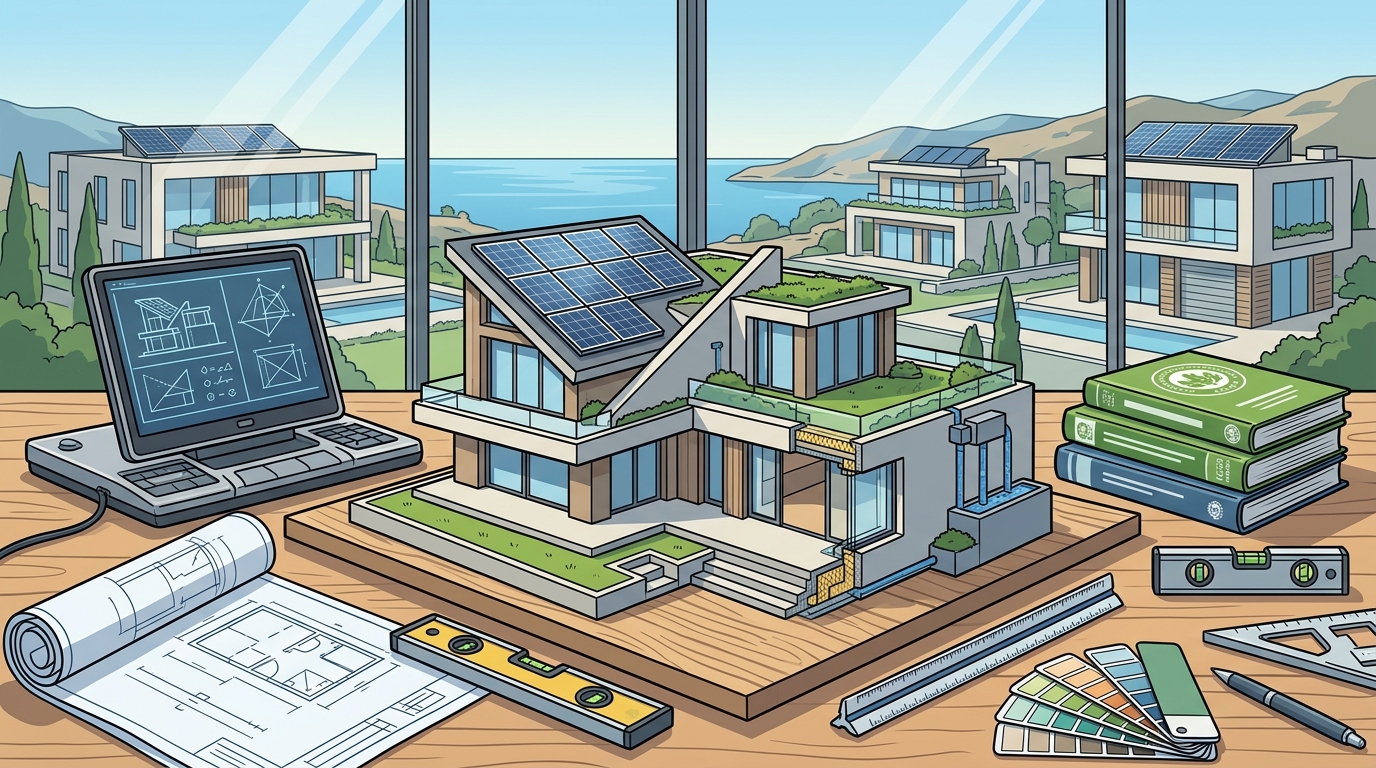
Navigating Regulatory and Certification Hurdles
Obtaining green building certifications, such as LEED Platinum or BREEAM, involves a rigorous documentation and verification process. This can be time-consuming and costly for developers. Compliance with local building codes and sustainability regulations adds another layer of complexity.
Understanding the specific requirements of each certification is crucial. Developers must engage with certified professionals early in the design process to ensure compliance. This proactive approach helps avoid costly redesigns and delays. Furthermore, staying informed about evolving regulations is essential. Governments worldwide are tightening sustainability standards, making compliance a moving target.
By treating certification as a design driver rather than an afterthought, developers can streamline the process. This involves setting clear sustainability goals at the outset and tracking progress throughout the construction phase. The result is a property that not only meets but exceeds regulatory requirements, providing a competitive advantage in the luxury market.
Key Takeaways
- Financial Shift: Sustainable luxury properties command a 10-20% premium and offer lower operational costs, shifting the ROI focus from initial cost to long-term value.
- Technical Precision: Achieving Net Zero Energy Buildings requires advanced engineering to balance expansive glazing with thermal performance.
- Material Integrity: Sourcing ethically produced, low-carbon luxury materials is critical for maintaining environmental integrity and supply chain resilience.
- Aesthetic Integration: Sustainable technologies must be seamlessly integrated into the design to preserve the luxury aesthetic and user experience.
- Regulatory Strategy: Early engagement with certification bodies and regulatory experts prevents costly delays and ensures compliance.
- Brand Authority: Developers like ECLÉDE set benchmarks by delivering projects that combine high-end design with environmental responsibility.
- Future Vision: The industry is moving toward sustainable urban regeneration, making eco-conscious living a standard rather than a niche feature.
Frequently Asked Questions
What is the primary financial benefit of sustainable luxury real estate?
The primary financial benefit is the long-term increase in asset value and reduction in operational costs. Green-certified buildings often sell for a premium and incur lower utility and maintenance expenses.
How can developers balance luxury aesthetics with sustainability?
Developers can balance these by using minimal, clean architectural lines and integrating invisible sustainable technologies. This ensures that energy-efficient systems do not compromise the visual appeal of the property.
What is a Net Zero Energy Building?
A Net Zero Energy Building is a structure that produces as much energy as it consumes over the course of a year, typically through a combination of energy efficiency and on-site renewable energy generation.
Why is material sourcing important in sustainable luxury development?
Material sourcing is crucial because it determines the environmental footprint of the building. Ethically sourced, low-carbon materials ensure that the luxury aspect does not come at the expense of the environment.
What role does biophilic design play in sustainable luxury?
Biophilic design connects occupants with nature through elements like green walls and natural light. This improves air quality and well-being, enhancing the luxury experience while supporting sustainability goals.
How do certifications like LEED Platinum impact property value?
LEED Platinum certification validates the building's high performance and sustainability. This validation attracts discerning buyers and investors, often leading to higher property valuations and faster sales.
What is the future of sustainable urban regeneration?
The future involves creating high-performance, environmentally responsible developments that integrate seamlessly with their surroundings. This approach focuses on long-term value creation and environmental harmony.
Partner with ECLÉDE for Sustainable Excellence
At ECLÉDE, we redefine modern living through a balance of architecture, sustainability, and long-term investment value. Our approach bridges technical precision with creative vision, delivering projects that are both aesthetically refined and functionally intelligent. From our flagship projects in Athens to our innovative ventures in New York, we are committed to creating spaces that elevate quality of life.
Discover how our multidisciplinary expertise can transform your next luxury development. Visit our portfolio to see our latest work, including the Boomerang Athens and Dynasty Villas projects. Contact us today to discuss how we can bring your vision to life with integrity and excellence.