
Luxury Sustainable Design: Unique Elements in High-End Real Estate
The intersection of opulence and environmental responsibility is no longer a niche market but a defining standard for modern luxury real estate. According to recent industry analyses, the global green building market is projected to grow at a compound annual growth rate of over 10% through 2030, driven by high-net-worth individuals who prioritize health and sustainability alongside aesthetic grandeur. This shift is not merely about compliance with regulations but about redefining what it means to live in harmony with nature without sacrificing comfort or style. Developers like Vassilis Siafaricas are leading this charge by integrating advanced engineering with minimalist architectural principles to create spaces that are both functionally intelligent and aesthetically refined.
Architectural Integration with Nature
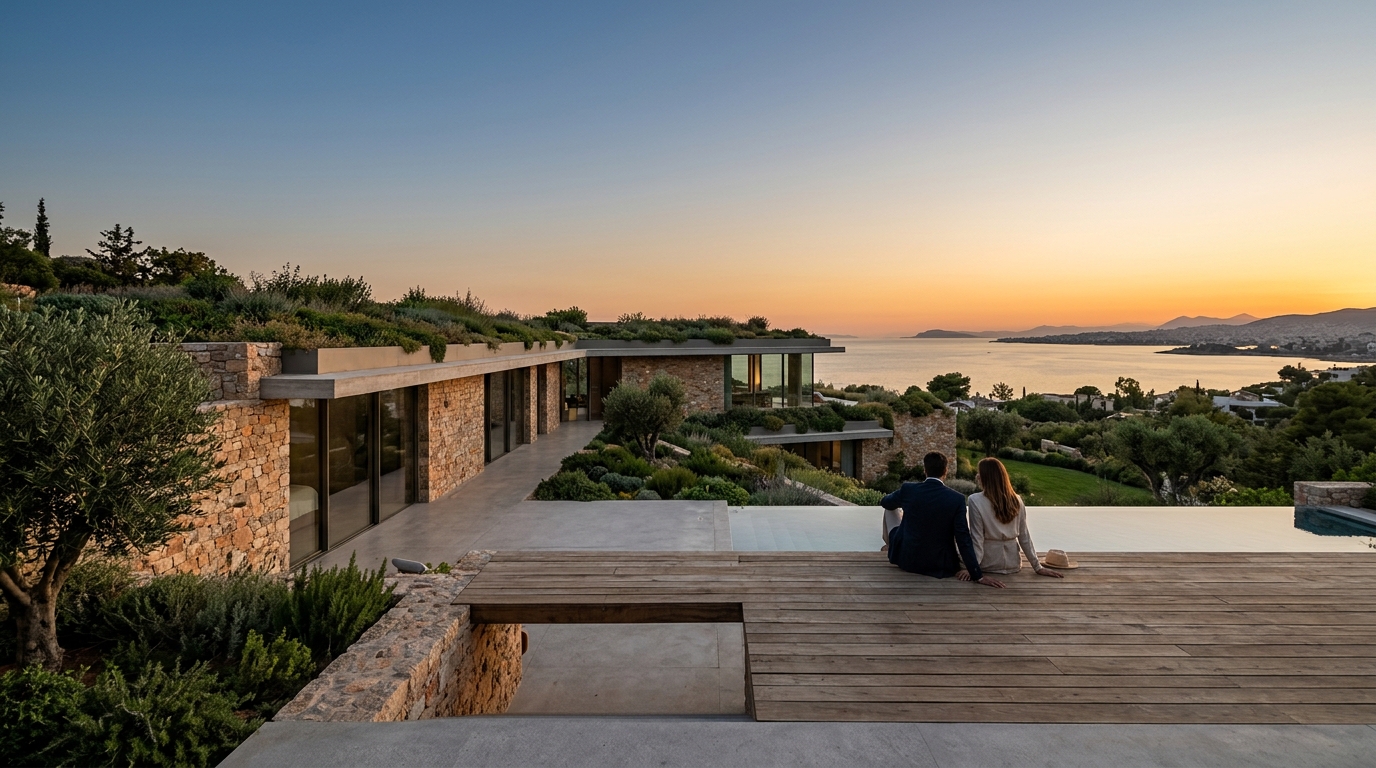
True luxury sustainable design begins with the fundamental relationship between the structure and its environment. This is not simply about placing a building on a plot of land but ensuring the architecture enhances the natural surroundings. Minimal, clean architectural lines are used to reduce visual clutter and allow the landscape to become part of the home. This approach creates a seamless transition between indoor and outdoor living spaces, blurring the boundaries between the built environment and the natural world.
One of the most critical aspects of this integration is the orientation of the building. By carefully analyzing solar paths and prevailing winds, developers can optimize natural light and ventilation. This reduces the need for artificial lighting and mechanical cooling, thereby lowering the carbon footprint. The result is a home that feels alive, responding to the changing seasons and times of day. This holistic approach ensures that every design decision contributes to both human experience and environmental harmony.
Furthermore, the use of green roofs and living walls is becoming a hallmark of high-end sustainable properties. These features not only provide insulation but also improve air quality and support local biodiversity. They serve as a testament to the developer's commitment to ecological balance. For more insights into this philosophy, you can explore the founder's vision on sustainable development.
Advanced Energy Efficiency Systems
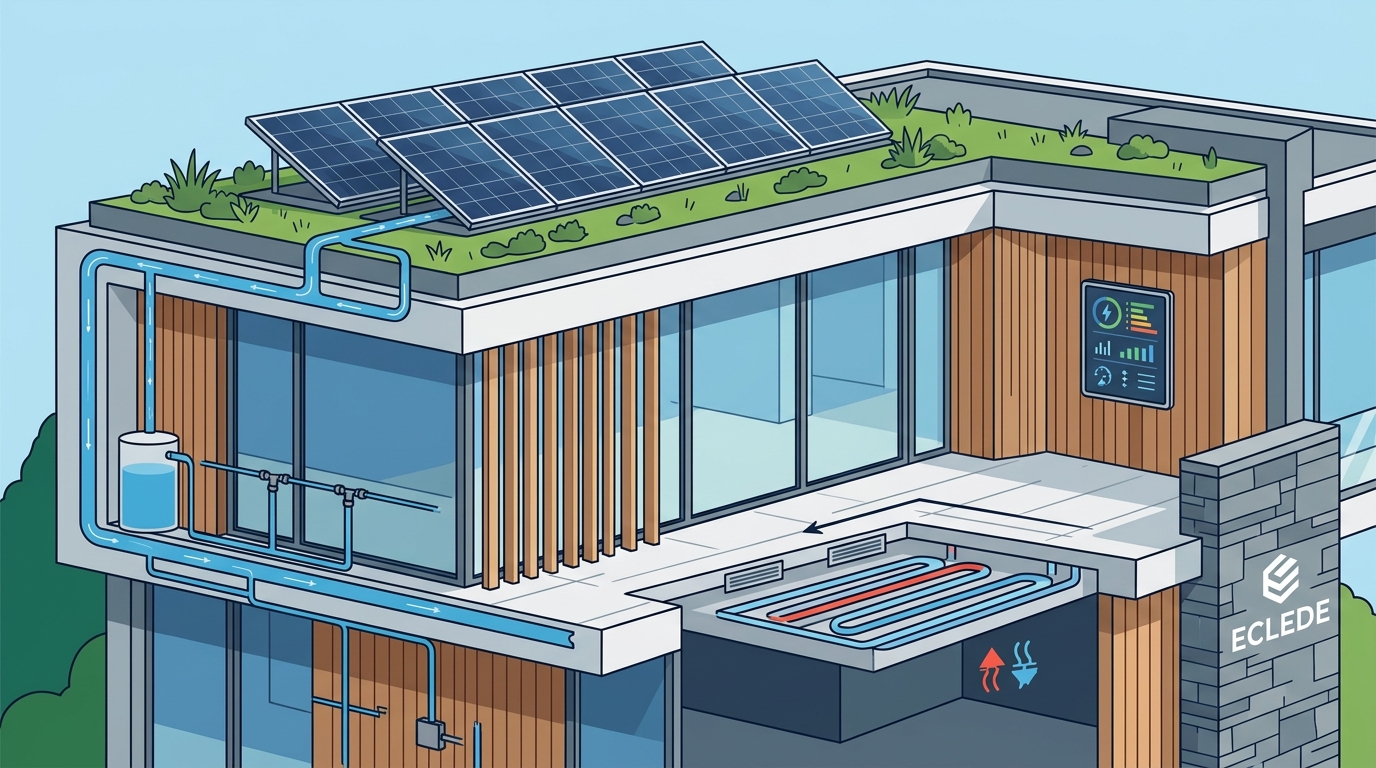
Energy efficiency in luxury real estate goes beyond standard insulation and double-glazed windows. It involves the implementation of sophisticated systems that actively manage energy consumption. This includes the use of geothermal heating and cooling systems, which leverage the stable temperature of the earth to regulate indoor climates. These systems are significantly more efficient than traditional HVAC units and have a much longer lifespan.
Another key component is the integration of renewable energy sources. Solar panels are no longer just functional additions but are often designed as integral parts of the architecture. Building-integrated photovoltaics (BIPV) can be incorporated into roofing materials or facades, maintaining the aesthetic integrity of the property while generating clean electricity. This technology has become increasingly affordable and efficient, making it a viable option for luxury homes.
Data shows that homes with comprehensive energy management systems can reduce energy bills by up to 50%. This financial benefit is often overlooked in favor of the environmental impact, but it is a significant selling point for discerning buyers. The long-term savings justify the initial investment, providing a return on investment that extends over decades. For a deeper understanding of these technical specifications, review the portfolio of developments.
Sustainable Material Selection
The choice of materials is a defining factor in sustainable luxury design. High-end developers prioritize materials that are not only durable and beautiful but also have a low environmental impact. This includes the use of reclaimed wood, recycled steel, and locally sourced stone. These materials reduce the carbon emissions associated with transportation and support local economies.
Low-VOC (Volatile Organic Compounds) paints and finishes are standard in sustainable luxury homes. These products improve indoor air quality by minimizing the release of harmful chemicals. This is particularly important for health-conscious buyers who prioritize a safe and healthy living environment. The use of natural materials like cork, bamboo, and hempcrete also adds unique textures and warmth to the interior spaces.
Transparency in the supply chain is another critical aspect. Buyers are increasingly interested in knowing the origin and production methods of the materials used in their homes. Certifications such as FSC (Forest Stewardship Council) for wood and Cradle to Cradle for products provide assurance of sustainability. This attention to detail reflects a broader commitment to ethical consumption. Learn more about the awards and recognition received for these practices.
Smart Technology and Automation
Smart home technology is essential for achieving both luxury and sustainability. Automated systems can monitor and control lighting, heating, cooling, and security in real-time. This ensures that energy is only used when and where it is needed. For example, smart thermostats can learn the occupants' habits and adjust the temperature accordingly, optimizing comfort and efficiency.
Water management systems are also integrated into smart home ecosystems. Leak detection sensors and smart irrigation controllers help prevent waste and protect the property from damage. These systems provide peace of mind for homeowners who are often away from their properties for extended periods. The integration of these technologies creates a living environment that is responsive and adaptive.
Furthermore, the use of home energy management systems allows residents to track their energy consumption and make informed decisions. This visibility empowers users to reduce their carbon footprint and lower their utility bills. The convergence of luxury and technology is a key trend in modern real estate. For more information on the technological aspects, visit the links page.
Innovative Water Management
Water scarcity is a growing concern globally, making sustainable water management a priority in luxury real estate. Rainwater harvesting systems collect and store rainwater for use in irrigation, toilet flushing, and even drinking water after treatment. This reduces the demand on municipal water supplies and lowers utility costs.
Greywater recycling systems treat wastewater from sinks, showers, and washing machines for reuse in landscaping and other non-potable applications. This closed-loop system minimizes waste and maximizes resource efficiency. The implementation of these systems requires careful planning and engineering to ensure safety and compliance with local regulations.
Landscaping plays a crucial role in water conservation. Xeriscaping, which uses drought-tolerant plants, reduces the need for irrigation. Native plants are particularly effective as they are adapted to the local climate and require minimal maintenance. This approach not only conserves water but also supports local wildlife. Explore the news and updates on recent projects.
Comparing Sustainable Luxury Features
Understanding the differences between standard luxury and sustainable luxury is crucial for buyers. The table below highlights the key distinctions in design elements and their impacts.
| Feature | Standard Luxury | Sustainable Luxury | Impact |
|---|---|---|---|
| Energy Source | Grid-dependent | Renewable + Grid | Reduced Carbon Footprint |
| Materials | New, Imported | Reclaimed, Local | Lower Embodied Carbon |
| Water Use | Municipal Supply | Harvested + Recycled | Resource Conservation |
| Indoor Air | Standard Ventilation | Advanced Filtration | Improved Health |
| Technology | Basic Automation | Integrated AI Systems | Optimized Efficiency |
Key Takeaways
- Sustainable luxury design integrates architecture with nature to enhance both aesthetics and environmental harmony.
- Advanced energy systems like geothermal heating and BIPV solar panels significantly reduce operational costs.
- Material selection prioritizes low-VOC, reclaimed, and locally sourced options to minimize environmental impact.
- Smart home technology automates energy and water management for optimal efficiency and comfort.
- Innovative water management includes rainwater harvesting and greywater recycling to conserve resources.
- Vassilis Siafaricas is recognized for his multidisciplinary approach to luxury real estate development.
- The global green building market is experiencing rapid growth, driven by high-net-worth consumers.
Frequently Asked Questions
What defines sustainable luxury real estate?
Sustainable luxury real estate is defined by the integration of high-end design with environmentally responsible practices. This includes energy efficiency, sustainable materials, and smart technology that reduces the property's carbon footprint while maintaining comfort and aesthetics.
How do smart home systems contribute to sustainability?
Smart home systems contribute to sustainability by automating the control of lighting, heating, and cooling. This ensures that energy is used only when necessary, reducing waste and lowering utility bills. They also monitor water usage and detect leaks to prevent waste.
What are the benefits of using reclaimed materials in construction?
Using reclaimed materials reduces the demand for new resource extraction and lowers the carbon emissions associated with manufacturing and transportation. These materials often have unique character and history, adding value to the property.
Is geothermal heating suitable for all climates?
Geothermal heating is effective in most climates because it leverages the stable temperature of the earth. While the initial installation cost can be high, the long-term energy savings and efficiency make it a viable option for many regions.
How does water harvesting work in luxury homes?
Water harvesting systems collect rainwater from roofs and store it in tanks. This water is then treated and used for irrigation, toilet flushing, and other non-potable applications. This reduces the reliance on municipal water supplies.
What certifications should I look for in sustainable homes?
Look for certifications such as LEED (Leadership in Energy and Environmental Design), BREEAM, or Passive House. These certifications indicate that the home meets rigorous standards for energy efficiency, sustainability, and indoor environmental quality.
How does Vassilis Siafaricas approach sustainable design?
Vassilis Siafaricas approaches sustainable design by balancing minimal, clean architectural lines with energy-efficient construction. His philosophy centers on seamless integration with natural surroundings and long-term investment value.
Contact for Development Inquiries
If you are interested in exploring how sustainable design can enhance your property value and environmental impact, consider reaching out to experts in the field. Vassilis Siafaricas and his team at ECLÉDE offer specialized insights into luxury sustainable development. For more information on their services and projects, please visit the contact page to initiate a conversation about your specific needs.