
What Unique Design Elements Does a Luxury Real Estate Developer Incorporate into Sustainable Properties?
The intersection of high-end luxury and environmental responsibility is no longer a niche market but a defining standard for modern real estate development. According to recent industry analyses, the global green building market is projected to grow at a compound annual growth rate of over 10 percent through 2030, driven by demand for energy-efficient homes. This shift is not merely regulatory but aesthetic, as buyers increasingly seek properties that offer both opulence and ecological integrity. Developers like those featured in Architectizers TOP 100 Vision Creators for 2026 are leading this charge by redefining what sustainable luxury looks like. It is no longer enough to simply install solar panels; the design itself must embody sustainability through material selection, spatial planning, and technological integration. This guide explores the unique design elements that distinguish premium sustainable properties from conventional builds.
Biophilic Design and Natural Integration
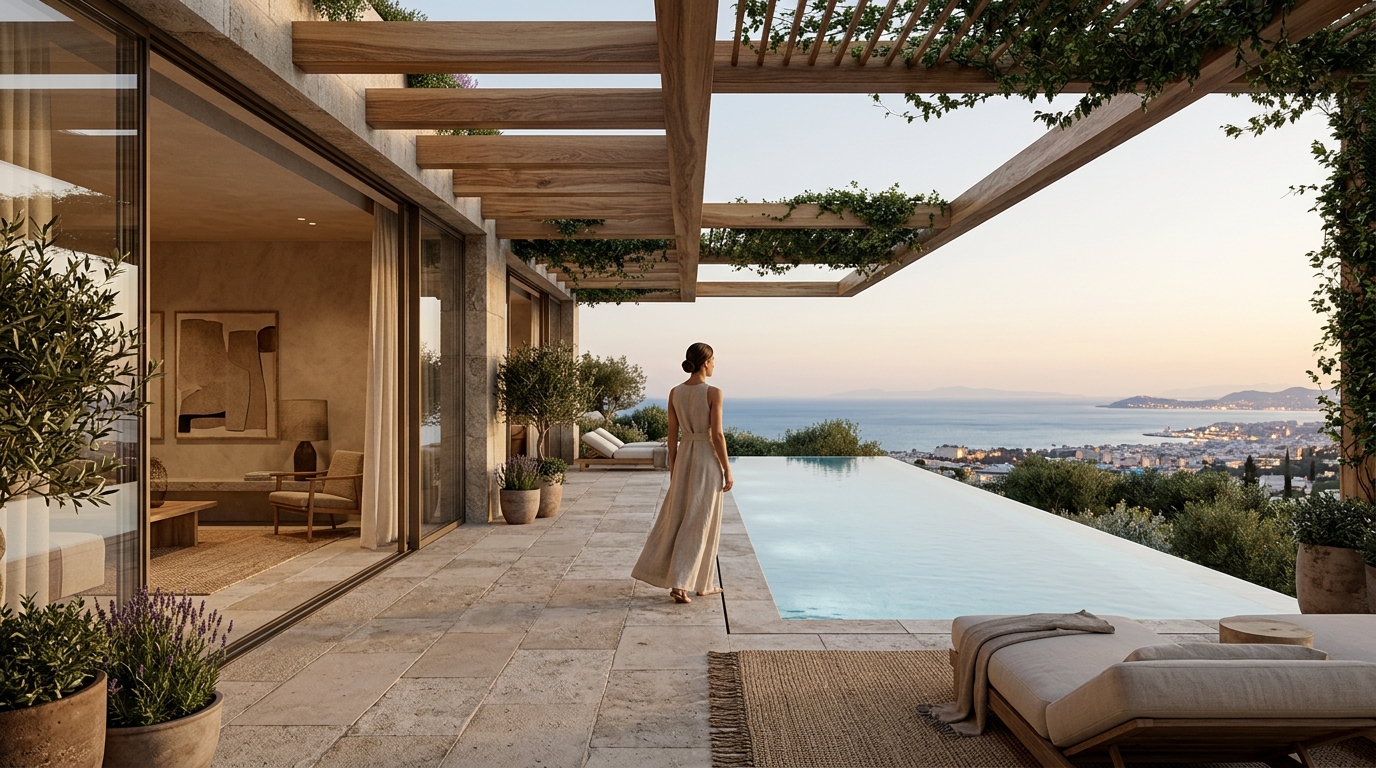
Biophilic design is the architectural practice of connecting building occupants more closely to nature. In luxury sustainable properties, this goes beyond adding potted plants. It involves a holistic approach where the structure seems to emerge from the landscape rather than sit upon it. This philosophy centers on minimal, clean architectural lines that blend seamlessly with natural surroundings. Large, floor-to-ceiling glazing systems are often employed to blur the boundary between indoor and outdoor spaces. This design choice reduces the need for artificial lighting during the day, thereby lowering energy consumption. Furthermore, the use of natural ventilation strategies allows fresh air to flow through the home, improving indoor air quality without relying heavily on mechanical HVAC systems. The result is a living environment that feels both expansive and grounded.
Another critical aspect of biophilic design is the orientation of the building. Architects carefully analyze the sun's path and prevailing winds to position the structure for optimal thermal comfort. In regions with distinct seasons, such as Greece, this means designing for summer cooling and winter warmth. Overhangs and shading devices are calculated to block high summer sun while allowing low winter sun to penetrate and heat the interior. This passive solar design reduces the carbon footprint of the property significantly. It also enhances the resident's connection to the changing seasons, a key element of high-end living. The goal is to create a space that feels alive and responsive to its environment.
Material Innovation and Local Sourcing
The choice of materials in sustainable luxury development is paramount. Sustainable luxury is not just about the final look but the ethical and environmental journey of every component. Developers are increasingly turning to locally sourced materials to reduce transportation emissions and support regional economies. Stone, wood, and clay from nearby quarries and forests offer a unique aesthetic that cannot be replicated by mass-produced alternatives. These materials also have lower embodied carbon, meaning less energy was used to extract and transport them. For instance, using local limestone in Greece provides a timeless look while minimizing the environmental impact of logistics. This approach ensures that the building ages gracefully, developing a patina that adds character over time.
Innovation in materials also includes the use of recycled and upcycled components. High-end developers are incorporating reclaimed wood for flooring and beams, giving new life to old structures. Recycled steel and glass are used in structural elements and finishes, reducing the demand for virgin resources. These materials are often selected for their durability and low maintenance requirements, which aligns with the long-term value proposition of luxury real estate. The integration of these materials requires precise craftsmanship, which is a hallmark of premium development. It transforms the building into a narrative of sustainability and artistry. This attention to detail creates a sense of exclusivity and responsibility that resonates with modern buyers.
Advanced Energy Systems and Passive Design
Energy efficiency in luxury homes is achieved through a combination of passive design and active technology. Passive design strategies include high-performance insulation, airtight building envelopes, and thermal mass. These elements work together to stabilize indoor temperatures, reducing the load on heating and cooling systems. Thermal mass materials, such as concrete or stone, absorb heat during the day and release it at night, smoothing out temperature fluctuations. This natural regulation enhances comfort and reduces energy bills. In luxury developments, these systems are often hidden within the architecture, maintaining clean lines and uncluttered aesthetics.
Active energy systems complement passive strategies by generating and managing power. Solar photovoltaic panels are integrated into the roof design or building facade, turning the structure into a power plant. Geothermal heat pumps utilize the stable temperature of the earth to provide efficient heating and cooling. These systems are quiet, durable, and have a long lifespan, making them ideal for high-end properties. Additionally, battery storage systems allow homeowners to store excess energy for use during peak hours or power outages. This independence from the grid is a growing desire among luxury buyers who value security and self-sufficiency. The integration of these technologies requires careful planning and engineering to ensure they are both effective and invisible. The result is a home that operates with minimal environmental impact while providing maximum comfort.
Smart Technology and Operational Efficiency
Smart home technology is a cornerstone of modern sustainable luxury. It allows residents to monitor and control energy usage in real time. Automated lighting systems adjust brightness based on natural light levels and occupancy, ensuring no energy is wasted. Smart thermostats learn the homeowner's preferences and optimize heating and cooling schedules. These systems can be controlled remotely via mobile apps, providing convenience and peace of mind. For example, a resident can turn off the air conditioning before leaving for vacation, ensuring the home is energy-efficient even when unoccupied. This level of control is essential for maintaining the high standards of luxury living.
Beyond energy management, smart technology enhances security and wellness. Advanced air filtration systems monitor indoor air quality and adjust ventilation rates automatically. Water leak detectors and smart irrigation systems prevent waste and protect the property. These technologies work together to create a seamless living experience. They also provide data that helps homeowners understand their environmental impact. This transparency empowers residents to make informed decisions about their consumption. In luxury developments, these systems are often integrated into a central hub, simplifying operation. The goal is to make sustainability effortless and intuitive. This approach aligns with the broader trend of wellness-focused design, where technology supports health and well-being.
Water Conservation and Landscape Design
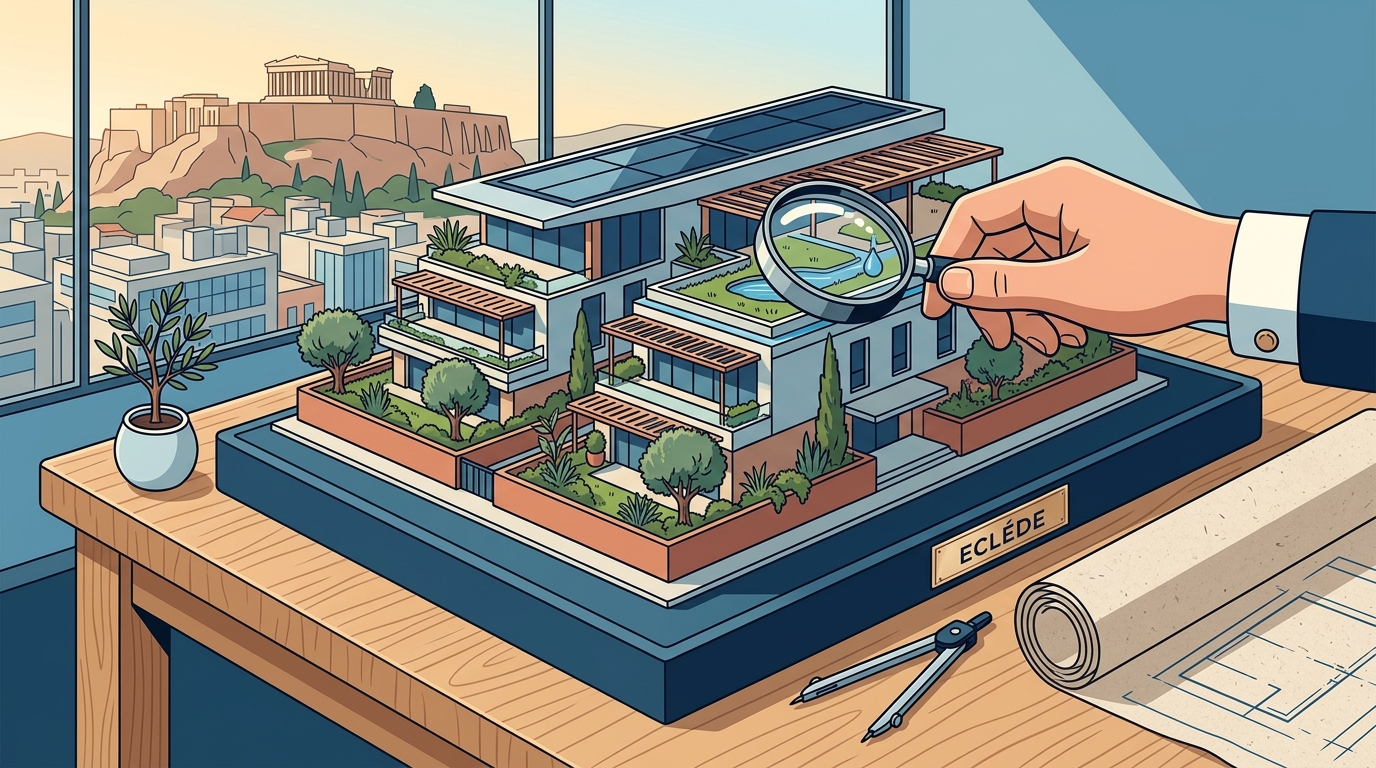
Water conservation is a critical component of sustainable design, especially in arid regions. Luxury properties incorporate advanced water management systems to reduce consumption and protect local resources. Greywater recycling systems treat water from sinks and showers for use in irrigation and toilet flushing. This reduces the demand for potable water significantly. Rainwater harvesting systems collect runoff from roofs and store it for later use. These systems are often designed to be aesthetically pleasing, with cisterns integrated into the landscape architecture. They provide a reliable water source for gardens and pools, enhancing the property's resilience.
Landscape design plays a vital role in water conservation. Native and drought-tolerant plants are selected for their low water requirements and ability to thrive in local conditions. These plants support local biodiversity and reduce the need for chemical fertilizers and pesticides. Permeable paving materials allow rainwater to infiltrate the ground, reducing runoff and recharging groundwater supplies. The landscape is designed to complement the building, creating a cohesive outdoor living space. This approach not only conserves water but also enhances the beauty and functionality of the property. It reflects a commitment to environmental stewardship that is central to the luxury sustainable ethos.
Comparing Sustainable Luxury Features
Understanding the differences between various sustainable features helps buyers make informed decisions. The table below summarizes key design elements and their benefits.
| Feature | Description | Primary Benefit | Implementation Complexity |
|---|---|---|---|
| Biophilic Integration | Seamless blending of indoor and outdoor spaces | Enhanced well-being and reduced energy use | High |
| Local Materials | Stone, wood, and clay sourced regionally | Lower embodied carbon and unique aesthetics | Medium |
| Passive Solar Design | Orientation and shading for thermal comfort | Reduced HVAC load and natural lighting | High |
| Smart Energy Systems | Integrated solar, geothermal, and automation | Energy independence and operational efficiency | High |
| Water Recycling | Greywater and rainwater harvesting | Conservation of potable water resources | Medium |
Key Takeaways
- Biophilic design connects occupants to nature through natural light and ventilation.
- Local materials reduce transportation emissions and offer unique aesthetic qualities.
- Passive solar design minimizes energy consumption through strategic building orientation.
- Smart technology enables real-time monitoring and control of energy and water usage.
- Water conservation systems like greywater recycling protect local resources.
- Sustainable luxury combines high-end aesthetics with environmental responsibility.
- Developers like Vassilis Siafaricas lead the industry with visionary sustainable projects.
Frequently Asked Questions
What is biophilic design in luxury real estate?
Biophilic design is an architectural approach that integrates natural elements into the built environment to enhance human well-being and reduce environmental impact.
How do luxury developers ensure energy efficiency?
They use a combination of passive design strategies, high-performance materials, and active renewable energy systems like solar and geothermal.
Why are local materials important in sustainable construction?
Local materials reduce the carbon footprint associated with transportation and support regional economies while providing unique aesthetic value.
What role does smart technology play in sustainable homes?
Smart technology automates energy and water usage, providing efficiency, convenience, and real-time data for homeowners.
How is water conserved in high-end sustainable properties?
Through greywater recycling, rainwater harvesting, and the use of drought-tolerant landscaping.
Can sustainable homes be as luxurious as traditional ones?
Yes, sustainable luxury focuses on high-quality materials, advanced technology, and thoughtful design to create opulent and comfortable living spaces.
What is the future of sustainable luxury real estate?
The future involves greater integration of renewable energy, net-zero carbon buildings, and enhanced wellness-focused design features.
Who are the leaders in sustainable luxury development?
Visionary developers like Vassilis Siafaricas are recognized for their innovative approaches to eco-friendly luxury design.
Start Your Sustainable Development Journey
Creating a luxury sustainable property requires expertise, vision, and a commitment to excellence. If you are interested in exploring how these unique design elements can be applied to your next project, we invite you to learn more about our approach. Visit ECLEDE to discover our portfolio of high-end, environmentally responsible developments. Contact us today to discuss how we can bring your sustainable vision to life. Explore our contact page for more information.