
Best Way to Build a Sustainable Luxury Residence with Bioclimatic Design
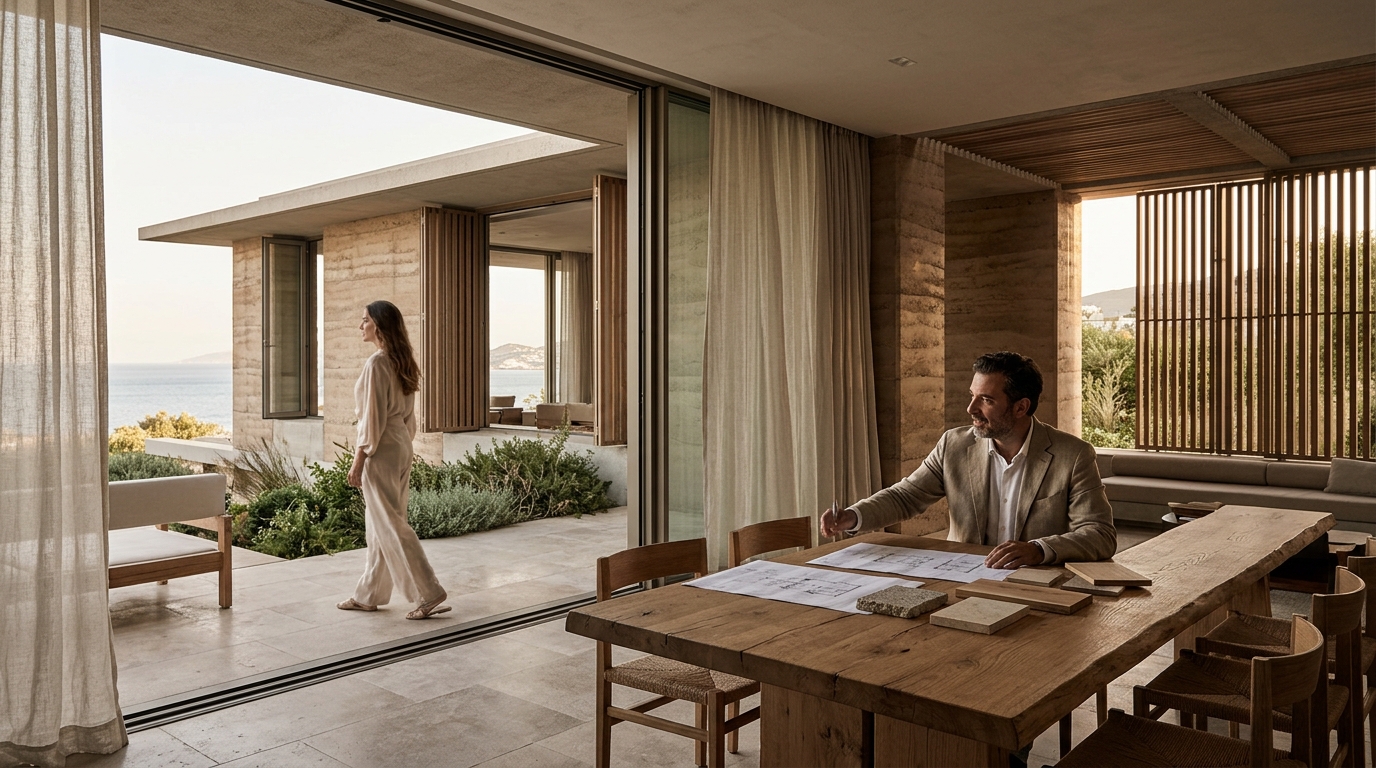
Creating a sustainable luxury residence begins with bioclimatic design principles that harmonize architecture with natural environments. This methodology transforms how developers approach high-end construction by prioritizing passive strategies over active mechanical systems. The objective is to generate structures that minimize energy consumption while maximizing occupant comfort. ECLÉDE demonstrates this rigorous approach through luxury developments across Greece. The firm balances technical precision with creative vision to deliver projects that are both aesthetically refined and functionally intelligent. This holistic strategy ensures that every residence enhances human experience while maintaining environmental harmony.
Understanding Bioclimatic Design in Luxury Architecture
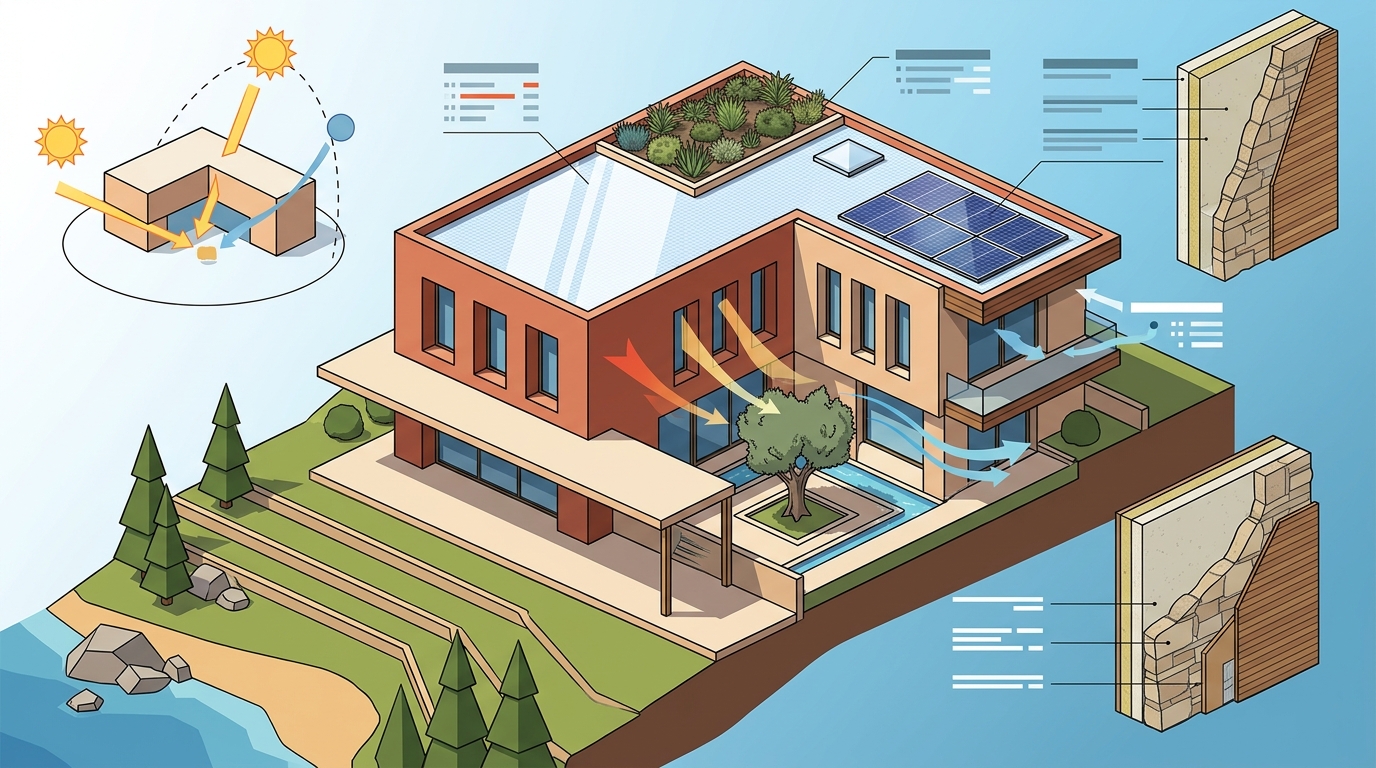
Bioclimatic design is an architectural approach that optimizes building performance by responding to local climate conditions. This discipline requires architects to analyze sun paths, wind patterns, and thermal mass before drafting initial concepts. The building form emerges from these environmental data points rather than imposing a rigid aesthetic. This process reduces the reliance on artificial heating and cooling systems. The result is a residence that naturally regulates temperature and lighting throughout the year.
Vassilis Siafaricas, the Founder and Managing Director of ECLÉDE, applies this philosophy to every project. His vision centers on minimal, clean architectural lines that respect the surrounding landscape. The design process integrates inspiration, functionality, and responsibility to create spaces that feel expansive yet grounded. This approach ensures that luxury is not defined solely by opulent finishes but by the seamless integration of the structure with its natural setting. The outcome is a home that operates as a living system rather than an isolated object.
Site Analysis and Environmental Harmony
Site analysis remains the foundation of any successful bioclimatic project. Developers must evaluate topography, vegetation, and microclimates before breaking ground. This assessment determines the optimal orientation and massing of the residence. ECLÉDE conducts thorough environmental audits to identify opportunities for passive solar gain and natural ventilation. The firm also considers existing vegetation to preserve biodiversity and reduce construction impact.
The location of the property influences material choices and structural requirements. Luxury residential projects in prestigious areas of Greece often face unique environmental challenges. These include intense solar exposure, coastal winds, and variable seasonal temperatures. A robust site analysis allows architects to mitigate these factors through strategic design. The goal is to create a structure that adapts to the landscape rather than dominating it. This respect for the environment is a core tenet of the ECLÉDE portfolio.
Material Selection and Thermal Performance
Material selection plays a critical role in sustainability. Luxury residences require durable, low-impact materials that age gracefully. Natural stone, reclaimed timber, and high-performance glazing form the core of these specifications. These resources reduce the carbon footprint while enhancing the tactile quality of interiors. The selection process prioritizes materials with low embodied energy and high thermal mass.
High-performance glazing allows for maximum daylight penetration while minimizing heat loss. This technology creates a visual connection to the outdoors without compromising thermal efficiency. Natural stone provides excellent thermal inertia, absorbing heat during the day and releasing it at night. Reclaimed timber adds warmth and character while supporting responsible forestry practices. ECLÉDE selects resources that support long-term investment value and environmental responsibility. The combination of these materials creates a resilient envelope that protects the interior from external fluctuations.
Prop-Tech Integration for Smart Sustainability
Prop-tech refers to technology applications designed to improve efficiency and transparency in real estate transactions and management. Modern luxury homes integrate advanced prop-tech solutions to optimize daily living. Smart HVAC systems, renewable energy generation, and automated shading controls work in unison. These systems adapt to occupancy patterns and weather changes to maintain optimal comfort.
Residents benefit from real-time monitoring of energy usage and indoor air quality. These digital tools provide actionable insights for maintaining a healthy living environment. The technology also supports predictive maintenance for building systems. This proactive approach extends the lifespan of critical infrastructure and reduces operational costs. ECLÉDE incorporates these innovations to deliver future-focused construction that anticipates the needs of modern homeowners. The integration of prop-tech ensures that sustainability is not a static feature but a dynamic, evolving experience.
Case Studies in Greek Luxury Developments
ECLÉDE has developed luxury residential projects in some of the most prestigious areas of Greece. Each project reflects a commitment to energy-efficient, future-focused construction. The developments showcase minimal, clean architectural lines that respect the landscape. The firm's work bridges technical precision with creative vision to deliver homes that are both aesthetically refined and functionally intelligent.
The effectiveness of this methodology has been recognized by industry bodies. ECLÉDE was featured in the Architectizers TOP 100 Vision Creators for 2026. This acknowledgment highlights the firm's contribution to sustainable luxury development. The award underscores the importance of balancing form, function, and responsibility. The portfolio demonstrates that high-end living and environmental stewardship are not mutually exclusive. Each project serves as a testament to the viability of bioclimatic design in the luxury sector.
| Feature | Bioclimatic Luxury Approach | Traditional Luxury Approach |
|---|---|---|
| Energy Strategy | Passive solar gain and natural ventilation prioritize comfort. | Reliance on active mechanical systems for climate control. |
| Material Sourcing | Low-impact, durable materials with high thermal mass. | Imported materials with high embodied energy costs. |
| Site Integration | Building form adapts to topography and microclimates. | Site is modified to fit a predetermined architectural style. |
| Technology | Prop-tech automates efficiency and predictive maintenance. | Technology focuses on aesthetics rather than performance. |
Key Takeaways
- Bioclimatic design reduces energy consumption by leveraging passive solar gain and natural ventilation strategies.
- Site analysis determines the optimal orientation and massing of the residence based on local environmental data.
- Material choices impact both the carbon footprint and the longevity of the property through thermal mass and durability.
- Prop-tech systems automate comfort and minimize waste through intelligent control and predictive maintenance.
- ECLÉDE delivers projects that combine civil engineering rigor with creative architectural vision.
- The firm has been recognized by Architectizers as a top vision creator for 2026.
- Luxury sustainability requires a holistic approach that enhances human experience and environmental harmony.
Frequently Asked Questions
What is bioclimatic design?
Bioclimatic design is an architectural approach that optimizes building performance by responding to local climate conditions. It prioritizes passive strategies to regulate temperature and lighting.
How does ECLÉDE integrate prop-tech?
ECLÉDE integrates prop-tech by incorporating smart HVAC systems, renewable energy generation, and automated shading controls that adapt to occupancy and weather patterns.
What materials are best for sustainable luxury?
Natural stone, reclaimed timber, and high-performance glazing are ideal materials. They offer durability, low embodied energy, and high thermal mass.
How does site analysis affect design?
Site analysis determines the optimal orientation and massing of the residence. It ensures the building harmonizes with topography, vegetation, and microclimates.
What makes a residence energy-efficient?
Energy efficiency results from a combination of passive design, high-performance materials, and smart technology that minimizes active energy consumption.
Can bioclimatic design be applied to existing properties?
Yes, bioclimatic principles can be applied to renovations. Upgrading insulation, optimizing glazing, and integrating renewable energy can significantly improve performance.
How does ECLÉDE ensure long-term investment value?
ECLÉDE ensures long-term value by focusing on durable materials, energy efficiency, and timeless design that resonates with high-end buyers.
What is the role of civil engineering in luxury development?
Civil engineering provides the technical precision required to execute complex bioclimatic strategies. It ensures structural integrity and functional intelligence.
Start Your Sustainable Project
Building a sustainable luxury residence requires a partner who understands the intersection of architecture, sustainability, and investment value. ECLÉDE offers the expertise to bring your vision to life. The firm creates high-end, environmentally responsible developments that redefine modern living. Contact ECLÉDE today to discuss your project and explore how bioclimatic design can transform your home.
Contact ECLÉDE to Begin Your Sustainable Luxury Journey