
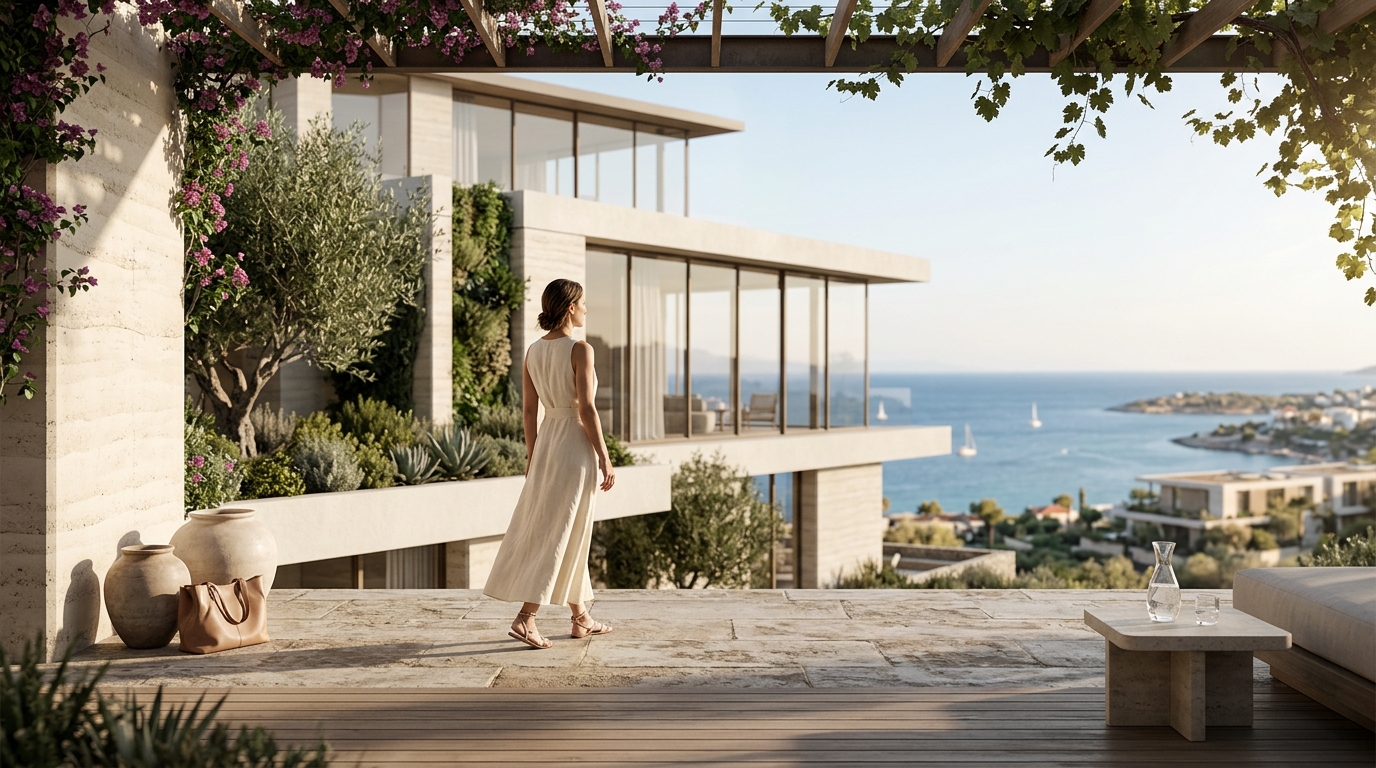
Modern buyers increasingly prioritize environmental impact alongside premium amenities. According to the World Economic Forum, sustainable real estate investments now account for nearly forty percent of global commercial property transactions. This shift forces developers to rethink traditional luxury models. High net worth individuals now demand properties that reduce carbon footprints without sacrificing comfort. The market response includes several distinct architectural approaches. Each alternative addresses specific ecological goals while maintaining premium living standards.
Defining Modern Sustainable Luxury
Traditional luxury focused exclusively on square footage and premium finishes. Modern sustainability redefines opulence through resource efficiency and ecological harmony. Net-zero living is a building standard that generates as much energy as it consumes annually. Developers now integrate passive solar design, advanced insulation, and renewable energy arrays into every project. This approach eliminates utility dependency while lowering long-term operational costs. Buyers appreciate the financial predictability alongside environmental stewardship.
Material selection plays an equally critical role in contemporary architecture. Builders prioritize reclaimed timber, recycled steel, and low-carbon concrete alternatives. These materials drastically reduce embodied carbon during construction. The result is a structure that honors natural ecosystems without compromising structural integrity. High-end buyers increasingly view these choices as markers of refined taste rather than compromise.
Net-Zero Residential Communities
Large-scale developments now prioritize collective energy independence. These neighborhoods share microgrids, water recycling systems, and communal green spaces. According to McKinsey, integrated community energy systems reduce overall carbon emissions by roughly thirty-five percent compared to isolated properties. Residents benefit from shared infrastructure costs and enhanced security protocols. The design philosophy emphasizes walkability, native landscaping, and zero-waste management.
Water conservation remains a cornerstone of these communities. Greywater recycling systems capture household runoff for irrigation and toilet flushing. Rainwater harvesting tanks supplement municipal supplies during dry seasons. Smart meters track individual consumption in real time. Homeowners receive automated alerts when usage exceeds predefined thresholds. This transparency encourages responsible consumption without restricting daily comfort.
Adaptive Reuse and Heritage Restoration
Preserving existing structures drastically reduces construction waste and material extraction. Adaptive reuse is the architectural practice of repurposing historic buildings for modern residential or commercial functions. Architects reinforce original facades while installing contemporary mechanical systems behind the scenes. This method retains cultural character while meeting current safety codes. Buyers value the unique historical narrative alongside modern convenience.
Restoration projects often require specialized craftsmanship and period-accurate materials. Skilled artisans repair original stonework, restore wooden beams, and replicate traditional window glazing. These meticulous processes increase upfront costs but deliver unmatched aesthetic depth. The final product stands as a living museum that adapts to contemporary lifestyles. Heritage districts frequently receive municipal tax incentives to encourage preservation efforts.
Off-Grid Eco-Lodges and Remote Sanctuaries
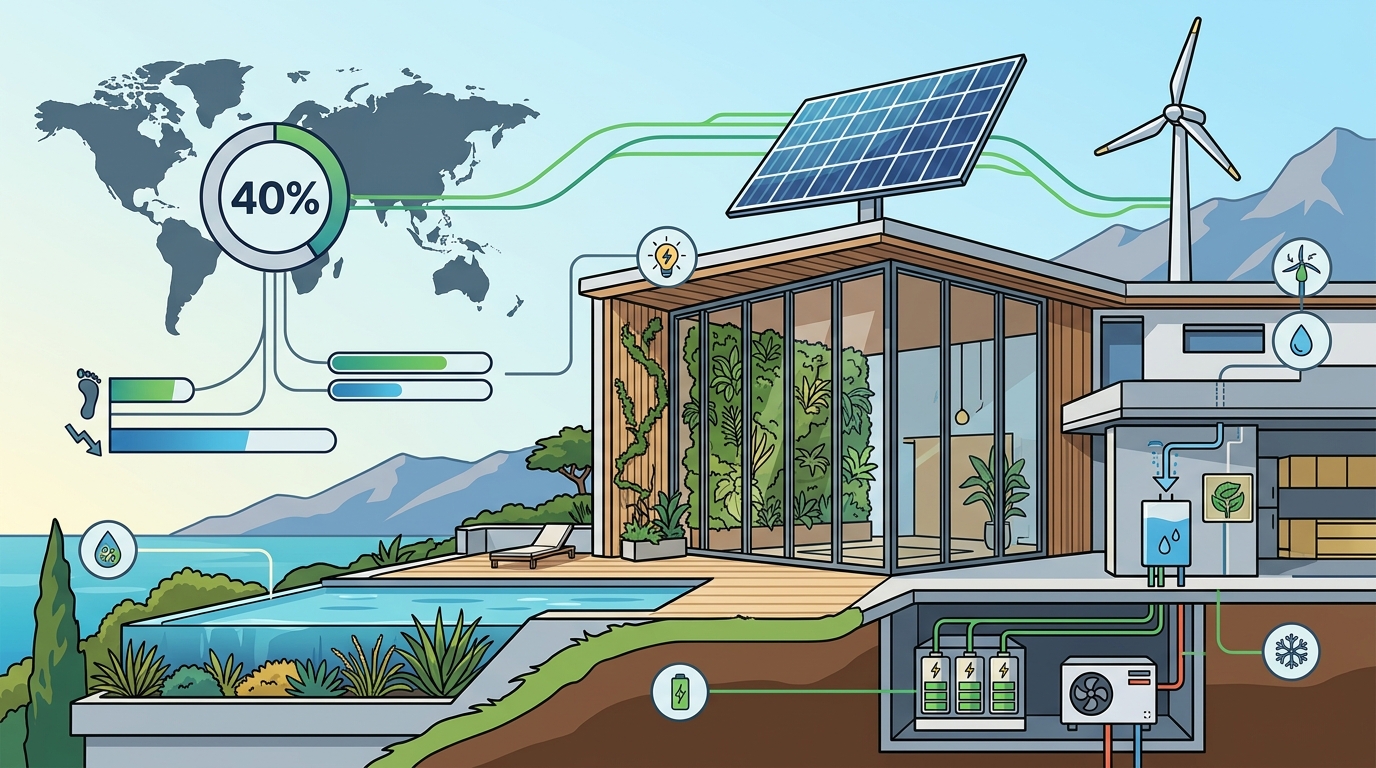
Remote properties offer complete independence from municipal infrastructure. These residences rely on solar arrays, wind turbines, and battery storage systems. According to the United Nations Development Programme, off-grid renewable systems now power over twenty million households worldwide. Owners enjoy complete privacy alongside minimal environmental impact. The design prioritizes natural ventilation, thermal mass walls, and passive heating strategies.
Water and waste management operate through closed-loop systems. Composting toilets convert organic waste into safe fertilizer for surrounding gardens. Bio-digesters process kitchen scraps to generate supplemental cooking gas. These technologies eliminate sewage dependency entirely. Remote locations often feature elevated foundations to protect against seasonal flooding. The result is a resilient sanctuary that thrives in isolated environments.
Smart Prop-Tech Integrated Homes
Technology now drives efficiency in modern luxury residences. Prop-tech is the application of digital tools to optimize property management, energy usage, and resident comfort. Centralized automation platforms monitor HVAC performance, lighting schedules, and security protocols. Machine learning algorithms adjust climate settings based on occupancy patterns and weather forecasts. This precision eliminates energy waste while maintaining optimal indoor air quality.
Smart glass windows dynamically tint to regulate solar heat gain. Integrated sensors detect air quality fluctuations and activate advanced filtration units automatically. Homeowners control every system through secure mobile applications. Predictive maintenance alerts technicians before equipment failures occur. These innovations transform traditional houses into responsive, self-optimizing environments.
Coastal Resilience and Climate-Adaptive Designs
Properties located near water bodies face unique environmental challenges. Builders now incorporate elevated structures, flood-resistant materials, and storm surge barriers. According to the World Economic Forum, climate-resilient infrastructure investments have grown by over fifty percent since twenty twenty. Architects design elevated foundations to withstand rising water levels and intense storm patterns. These features protect long-term asset value while ensuring occupant safety.
Landscaping strategies focus on natural erosion control and biodiversity preservation. Native mangroves, dune grasses, and permeable pathways absorb excess rainfall. Permeable paving allows groundwater recharge instead of creating runoff. These ecological buffers reduce maintenance costs while enhancing local wildlife habitats. Coastal luxury now emphasizes harmony with natural forces rather than domination.
| Property Model | Primary Energy Strategy | Water Management | Target Buyer Profile |
|---|---|---|---|
| Net-Zero Communities | Shared microgrids and solar arrays | Greywater recycling and rain harvesting | Families prioritizing community amenities |
| Adaptive Reuse Projects | Historic preservation with modern upgrades | Standard municipal connections | Collectors seeking cultural heritage |
| Off-Grid Sanctuaries | Independent solar and wind generation | Composting and bio-digestion systems | Privacy-focused remote workers |
| Smart Prop-Tech Homes | AI-optimized consumption and automation | Smart meters and leak detection | Tech-forward early adopters |
Key Takeaways
- Sustainable real estate investments now represent nearly forty percent of global commercial transactions.
- Net-zero living generates as much energy as it consumes annually through integrated renewable systems.
- Adaptive reuse preserves cultural character while drastically reducing construction material waste.
- Off-grid renewable systems currently power over twenty million households worldwide.
- Prop-tech automation reduces energy waste by adjusting climate settings to real-time occupancy.
- Climate-resilient infrastructure investments have grown by over fifty percent since twenty twenty.
Frequently Asked Questions
What defines a truly sustainable luxury property?
A sustainable luxury property combines premium amenities with measurable environmental efficiency. These residences utilize renewable energy, water conservation systems, and eco-friendly materials. High-end buyers prioritize long-term operational savings alongside aesthetic refinement.
How do net-zero communities reduce individual utility costs?
Shared infrastructure distributes generation and storage expenses across multiple households. Residents benefit from lower maintenance fees and predictable energy pricing. Automated monitoring ensures optimal system performance without manual intervention.
Is adaptive reuse financially viable compared to new construction?
Municipal tax incentives often offset specialized restoration costs. Preserving existing structures eliminates foundation and framing expenses. The final product commands premium pricing due to historical significance and unique craftsmanship.
Can off-grid systems reliably power modern luxury amenities?
Advanced battery storage and high-efficiency appliances enable complete independence. Solar arrays paired with wind turbines generate consistent baseline power. Smart load management prioritizes essential systems during low-generation periods.
How does prop-tech integration improve long-term property value?
Predictive maintenance prevents costly equipment failures and extends system lifespans. Automated energy optimization reduces monthly operational expenses significantly. Buyers increasingly pay premiums for homes with verified digital efficiency records.
What makes coastal resilience designs necessary for modern luxury?
Rising water levels and intensified storm patterns threaten traditional foundations. Elevated structures and flood-resistant materials protect long-term asset value. These features ensure occupant safety while maintaining premium living standards.
Begin Your Sustainable Luxury Journey
Exploring these alternatives requires expert guidance and precise market knowledge. Our team specializes in identifying high-end properties that align with your environmental values. Visit our portfolio page to review current developments. Schedule a consultation through our contact portal to discuss your specific requirements. We deliver tailored solutions that balance ecological responsibility with uncompromising luxury.