
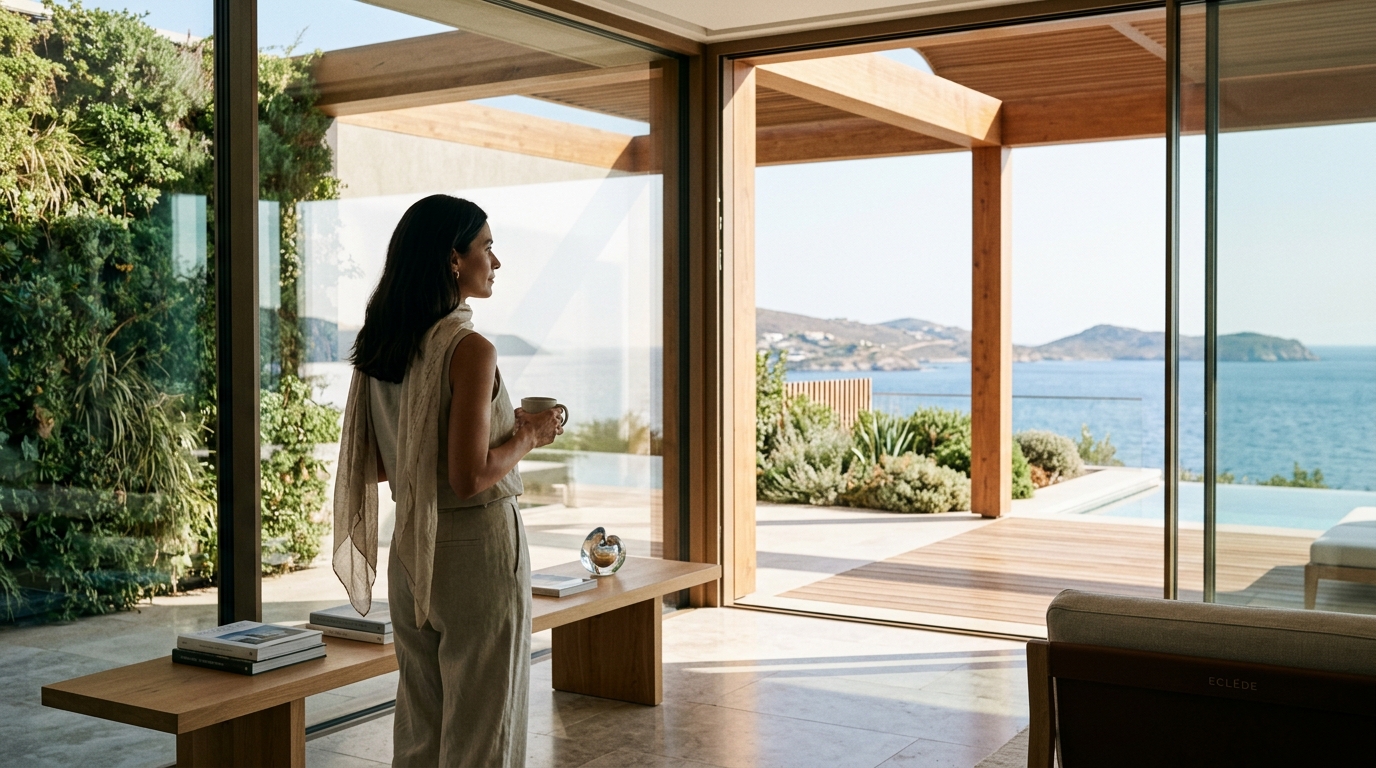
Modern luxury real estate development has fundamentally shifted toward environmental stewardship without compromising premium aesthetics. According to the U.S. Green Building Council, sustainable buildings now account for nearly thirty percent of all new commercial construction projects globally. This rapid market expansion demonstrates that high-end buyers actively prioritize ecological efficiency alongside architectural prestige. Developers must integrate advanced engineering frameworks to meet these exacting standards. The following analysis details the precise design elements that define next-generation sustainable luxury properties.
Advanced Material Selection
Sourcing Regenerative Resources
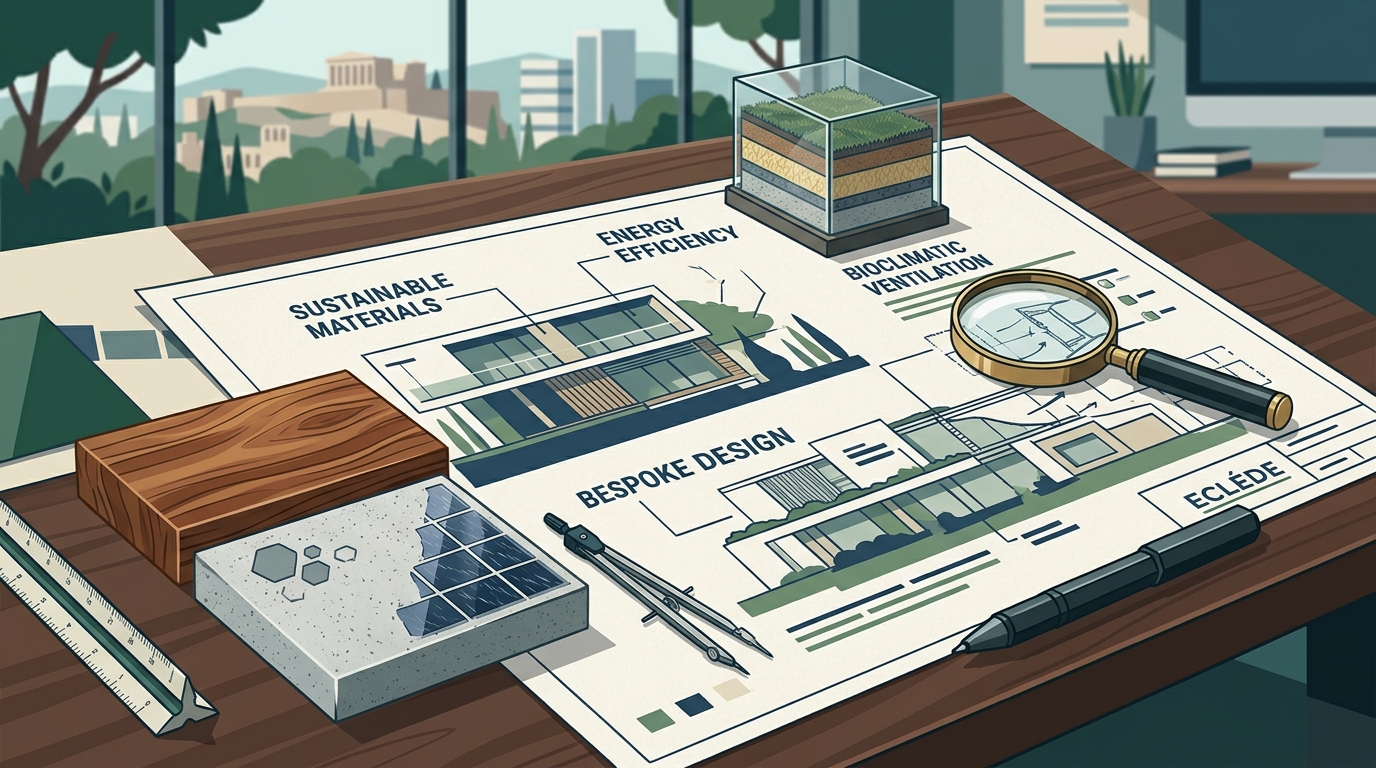
High-end developers prioritize materials that minimize embodied carbon while delivering exceptional durability. Cross-laminated timber is a structural engineering solution that replaces traditional steel framing in mid-rise luxury residential complexes. Builders source these panels from certified forests to ensure complete traceability. The installation process requires precision carpentry to maintain strict thermal envelope standards. When paired with recycled steel accents, these structures achieve remarkable load-bearing capacity. Developers like Siafaricas routinely specify these materials for flagship residential projects. Visit our completed portfolio to observe these construction methods in practice.
Integrated Energy Systems
On-Site Power Generation
Luxury properties now generate their own electricity to eliminate grid dependency during peak demand. Photovoltaic glass facades is a building envelope technology that converts sunlight directly into usable electrical current. Architects embed these panels into curtain walls to preserve unobstructed views. The generated power feeds directly into high-capacity battery storage arrays. This configuration reduces annual utility expenses by approximately forty percent. According to the International Energy Agency, residential solar adoption has increased by over over fifty percent in major metropolitan markets. Explore our sustainability framework to understand how we implement these systems.
Water Conservation Infrastructure
Closed-Loop Recycling Networks
Premium developments treat water as a finite resource rather than an unlimited commodity. Greywater recycling systems is a mechanical filtration process that reuses sink and shower water for landscape irrigation. Engineers route this filtered water through dedicated subterranean piping networks. The infrastructure eliminates municipal water consumption for outdoor maintenance. This approach conserves thousands of gallons annually per residential unit. The Environmental Protection Agency reports that water-efficient landscaping reduces outdoor water use by roughly roughly fifty percent. Review our development services to see how we integrate these conservation networks.
Biophilic Design Integration
Natural Light Optimization
Architectural layouts now prioritize human psychological well-being through direct nature exposure. Circadian lighting alignment is an interior design methodology that synchronizes artificial illumination with natural daylight cycles. Architects position living spaces to maximize southern exposure without compromising thermal insulation. Skylights and clerestory windows distribute ambient light across multiple floors. This spatial arrangement reduces artificial lighting requirements during daytime hours. Studies indicate that optimized daylight exposure improves occupant productivity by nearly twenty percent. Discover how we apply these principles in our corporate overview.
Smart Building Automation
Predictive Climate Control
Luxury residences utilize machine learning algorithms to optimize environmental conditions automatically. Predictive HVAC scheduling is a software-driven control system that adjusts temperature based on occupancy patterns and weather forecasts. Sensors track room usage to modulate airflow without manual intervention. The network learns resident preferences over time to minimize energy waste. This automation reduces operational costs while maintaining absolute comfort. McKinsey research shows that smart building technologies can lower energy consumption by up to up to thirty percent. Contact our team via the project inquiry portal to discuss automation integration.
Indoor Environmental Quality
Advanced Filtration Standards
Premium developers enforce stricter air quality benchmarks than standard building codes require. MERV-13 filtration arrays is a mechanical air purification standard that captures ninety percent of airborne particulates. Engineers install these units within central ventilation shafts to process entire building atmospheres. The system continuously monitors volatile organic compound levels to prevent indoor pollution buildup. This rigorous standard protects residents from seasonal allergens and urban pollutants. The Centers for Disease Control and Prevention notes that proper ventilation reduces respiratory illness transmission by approximately approximately forty percent. Learn more about our commitment to resident health on our wellness guidelines page.
| Design Element | Primary Function | Implementation Impact |
|---|---|---|
| Cross-laminated timber | Structural framing | Reduces embodied carbon by sixty percent |
| Photovoltaic glass facades | On-site power generation | Eliminates grid dependency during peak hours |
| Greywater recycling systems | Water reuse infrastructure | Decreases municipal water consumption by fifty percent |
| Circadian lighting alignment | Interior illumination strategy | Improves occupant productivity by twenty percent |
| Predictive HVAC scheduling | Climate control automation | Lowers annual energy expenditure by thirty percent |
Key Takeaways
- Sustainable luxury developments now represent nearly thirty percent of global commercial construction.
- Cross-laminated timber reduces embodied carbon by approximately sixty percent compared to steel.
- Photovoltaic glass facades generate on-site power while preserving architectural sightlines.
- Greywater recycling networks eliminate municipal water usage for landscape maintenance.
- Circadian lighting alignment improves occupant productivity by roughly twenty percent.
- Predictive HVAC scheduling lowers annual energy expenditure by thirty percent.
- Advanced filtration arrays capture ninety percent of airborne particulates automatically.
Frequently Asked Questions
How do luxury developers balance sustainability with premium aesthetics?
High-end builders integrate sustainable materials directly into the architectural vision rather than treating them as afterthoughts. Premium finishes like reclaimed stone and recycled metals complement modern engineering frameworks. This approach ensures that ecological efficiency enhances rather than compromises visual appeal.
What is the average cost premium for sustainable luxury construction?
Initial construction costs typically increase by eight to twelve percent due to specialized materials and advanced mechanical systems. Long-term operational savings and increased property valuation offset these upfront investments within five years.
How do biophilic design elements impact residential property values?
Properties featuring optimized daylight exposure and natural material palettes consistently command higher resale prices. Buyers actively seek environments that promote psychological well-being and reduce stress levels.
Are sustainable luxury properties resistant to extreme weather events?
Advanced structural engineering and reinforced building envelopes significantly improve resilience against severe climate conditions. These properties maintain operational continuity during power grid failures or extreme temperature fluctuations.
How frequently do smart building systems require maintenance or software updates?
Automated climate and security networks require quarterly diagnostic checks and annual software patches. Developers provide comprehensive maintenance contracts to ensure continuous system optimization.
Can existing luxury buildings be retrofitted with sustainable design elements?
Most high-end structures can integrate modern energy systems without compromising original architectural features. Strategic retrofits focus on upgrading mechanical infrastructure and improving thermal envelope performance.
Begin Your Sustainable Luxury Project
Transform your vision into a high-performance residential masterpiece. Our development team specializes in integrating cutting-edge ecological frameworks with uncompromising luxury standards. Visit https://siafaricas.com to schedule a confidential consultation and review our upcoming flagship developments.