
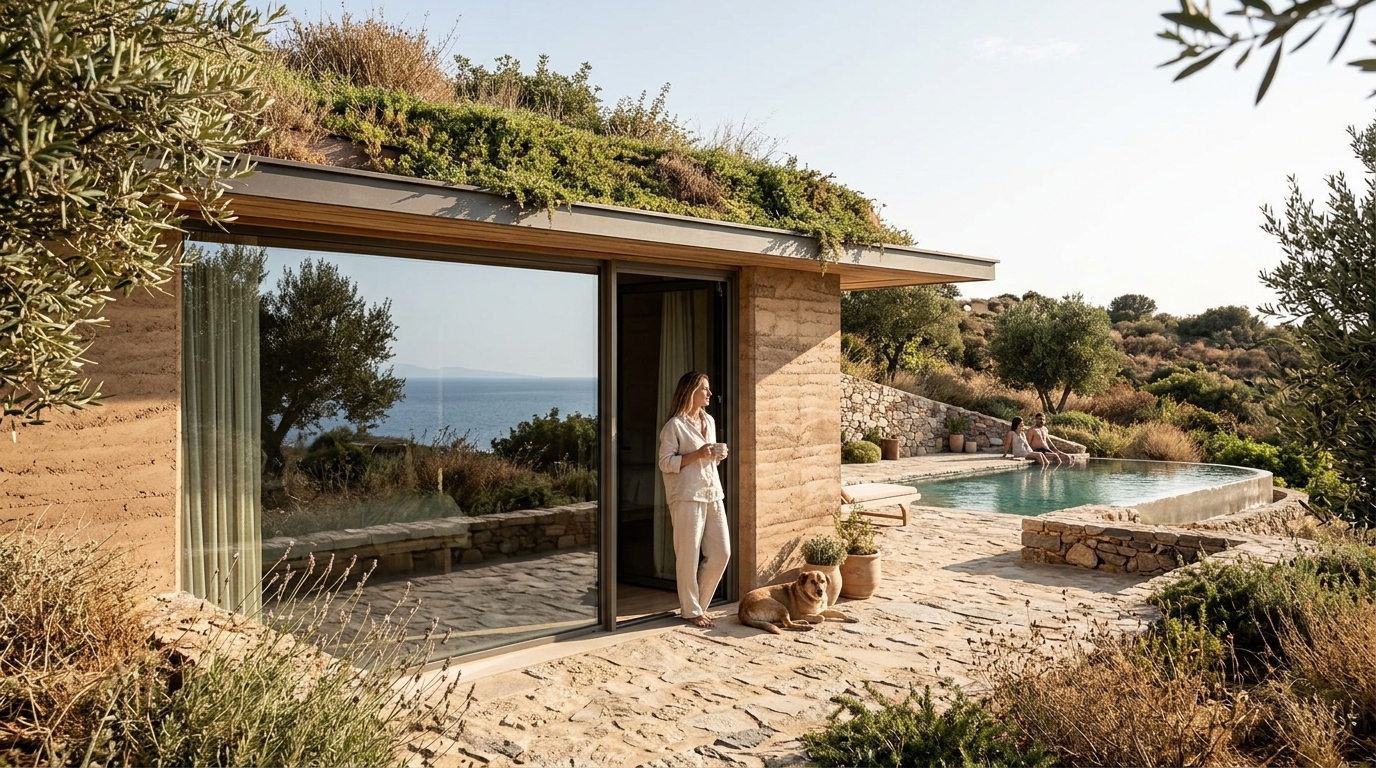
Earth-sheltered architecture integrates structures partially or fully into the ground to leverage thermal mass and natural insulation. This design approach significantly reduces reliance on mechanical cooling systems, making it ideal for regions with extreme heat. By embedding buildings within the earth, developers can achieve superior temperature regulation while minimizing the environmental footprint of the construction. Modern implementations prioritize seamless integration with natural surroundings, ensuring that the built environment enhances both human comfort and ecological balance without compromising aesthetic refinement.
Thermal Mass and Temperature Regulation
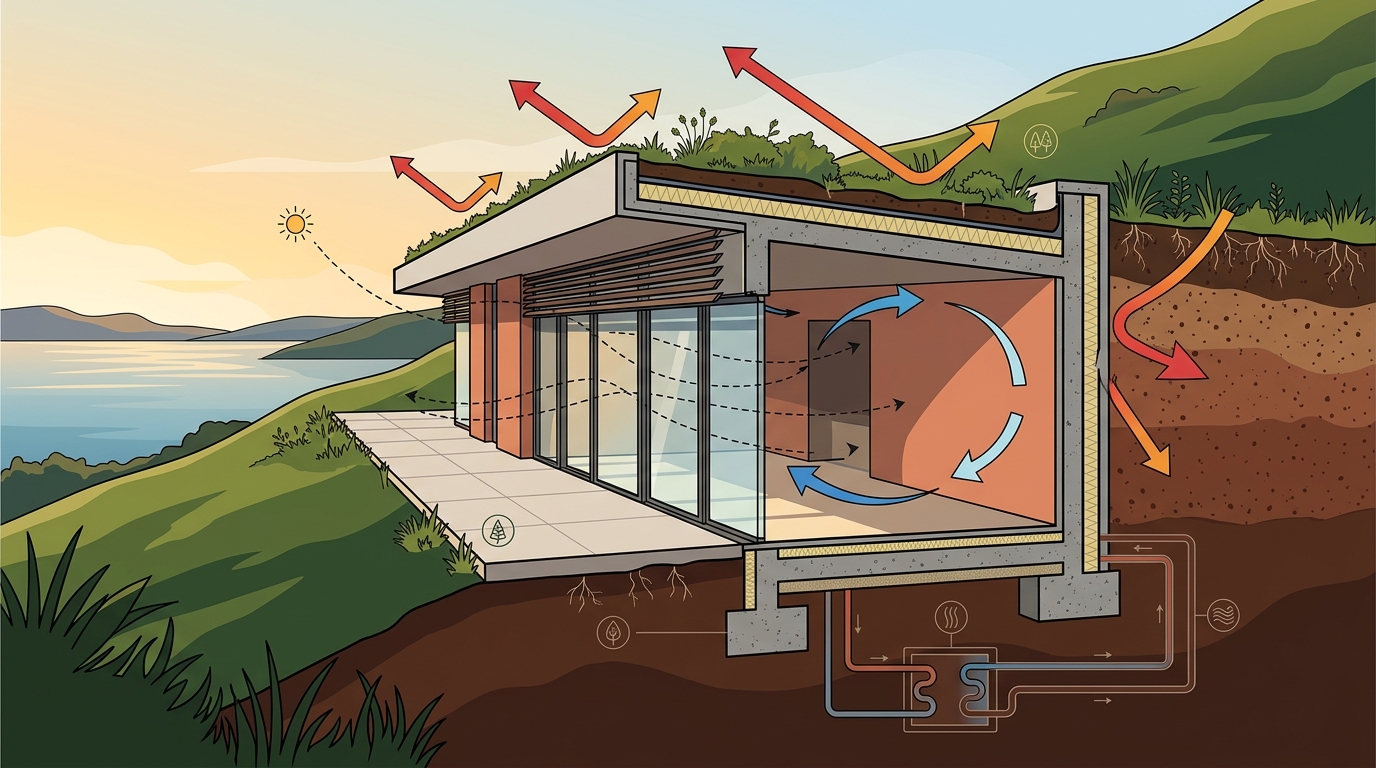
Earth-sheltered architecture is a building design strategy that incorporates the earth's thermal mass to regulate internal temperatures. The ground surrounding a structure acts as a massive heat sink, absorbing excess energy during peak daylight hours and releasing it slowly when ambient temperatures drop. This natural cycle stabilizes indoor climates, reducing the amplitude of temperature fluctuations that typically stress building systems.
Thermal mass refers to the material capacity to absorb, store, and release heat energy. In hot climates, the earth's consistent sub-surface temperature provides a reliable baseline that keeps interiors cooler than the external air. Builders utilize high-density materials such as concrete and stone to maximize this effect. The result is a passive cooling mechanism that operates continuously without consuming electricity.
Designers at ECLÉDE emphasize minimal, clean architectural lines to ensure that these thermal properties remain unobstructed. Strategic orientation allows structures to capture beneficial solar gain while shielding living spaces from direct heat exposure. This balance creates environments that feel naturally cool and inviting throughout the year.
Reduction of Cooling Energy Consumption
Passive cooling is a method of reducing indoor temperatures without mechanical systems. Earth-sheltered designs drastically lower the demand for air conditioning by leveraging the insulating properties of soil. Soil conducts heat much slower than air, which means the earth acts as a buffer against rapid temperature changes. This insulation layer can reduce cooling energy requirements by a significant margin compared to conventional above-ground construction.
Buildings with earth-bermed walls experience reduced heat transfer through the envelope. The earth covers the north, east, and west facades, which are most vulnerable to intense solar radiation. By burying these surfaces, developers eliminate the need for extensive shading devices or reflective coatings. The structure remains protected from the harshest elements while maintaining optimal indoor conditions.
Vassilis Siafaricas, the founder of Eclectic Developments, applies this principle to luxury residential projects across Greece. His background in civil engineering ensures that thermal calculations are precise and performance-driven. The goal is to deliver homes that operate with minimal energy input while providing uncompromising comfort for residents.
Protection Against Extreme Weather Events
Earth-sheltered structures offer superior resilience against severe weather conditions. The earth surrounding the building provides a physical barrier against high winds, hail, and flying debris. This protection extends the lifespan of the building envelope and reduces maintenance costs over time. Structures are less susceptible to damage from storms, which is increasingly valuable in regions experiencing volatile weather patterns.
The weight of the earth also stabilizes the foundation, reducing the risk of settlement issues common in sandy or shifting soils. Proper waterproofing and drainage systems ensure that moisture does not compromise the structural integrity. These systems are engineered to divert water away from the building, preventing leaks and preserving the quality of interior spaces.
Our portfolio showcases developments that combine durability with aesthetic excellence. We design projects that withstand environmental stressors while maintaining the highest standards of luxury. Clients benefit from long-term investment value, as these buildings require fewer repairs and retain their performance over decades.
Integration with Sustainable Design Principles
Sustainable architecture seeks to minimize environmental impact through resource efficiency and ecological harmony. Earth-sheltered design aligns perfectly with these goals by reducing the carbon footprint of construction. The use of earth as a building material eliminates the need for extensive synthetic insulation products. This approach lowers embodied energy and supports a circular economy within the building sector.
Green roofs and vegetated earth berms further enhance sustainability by supporting local biodiversity. These features absorb rainwater, reduce runoff, and create habitats for native plants and insects. The integration of vegetation also improves air quality and contributes to the overall well-being of the surrounding ecosystem.
At Eclectic Developments, we prioritize energy-efficient, future-focused construction methods. Our philosophy centers on a strong commitment to environmental responsibility. Each project is approached holistically, ensuring it enhances both human experience and environmental harmony. We strive to create developments that set new benchmarks for sustainable luxury in the region.
Comparison of Earth-Sheltered Design Types
| Design Type | Implementation Depth | Best Use Case |
|---|---|---|
| Partial Burial | One or two levels below grade | Sloped terrain with scenic views |
| Full Burial | Entire structure underground | Maximum thermal efficiency and privacy |
| Bermed | Earth mounded against walls | Flat terrain with above-ground visibility |
Key Takeaways
- Earth-sheltered architecture leverages thermal mass to stabilize indoor temperatures in hot climates.
- Vassilis Siafaricas brings over two decades of experience in luxury real estate and technology.
- ECLÉDE delivers high-end, environmentally responsible developments across prestigious areas of Greece.
- Passive cooling mechanisms significantly reduce reliance on mechanical air conditioning systems.
- Structures offer enhanced durability and protection against extreme weather events.
- Sustainable design principles minimize environmental impact and support ecological balance.
- Long-term investment value is preserved through reduced maintenance and energy costs.
Frequently Asked Questions
How does earth-sheltering work in hot climates?
Earth-sheltering works by using the ground as a natural insulator. The earth maintains a relatively constant temperature below the surface, which keeps the building cool during hot weather. This method reduces the need for artificial cooling and creates a stable indoor environment.
Is earth-sheltered architecture expensive to build?
Construction costs can vary based on site conditions and design complexity. While initial excavation and waterproofing may require specialized expertise, the long-term savings on energy and maintenance often offset these expenses. The durability of the structure also contributes to cost-effectiveness over time.
What materials are used in earth-sheltered construction?
Common materials include reinforced concrete, steel, and high-density insulation. These materials provide the necessary strength to support the weight of the earth while maintaining a watertight envelope. Builders select materials based on structural requirements and environmental goals.
How does ECLÉDE approach these designs?
ECLÉDE approaches these designs by combining technical precision with creative vision. We focus on minimal, clean architectural lines and seamless integration with natural surroundings. Our projects are designed to be aesthetically refined and functionally intelligent, ensuring long-term value for owners.
Can earth-sheltered homes offer luxury?
Absolutely. Earth-sheltered homes can offer exceptional luxury through thoughtful design and high-quality finishes. The quiet, stable environment created by the earth enhances comfort and privacy. Modern technology allows for large windows and open spaces without compromising energy efficiency.
What maintenance is required for earth-sheltered buildings?
Maintenance primarily involves inspecting waterproofing systems and drainage components. Regular checks ensure that water is effectively diverted away from the structure. Landscaping and vegetation management may also be necessary to maintain the aesthetic and functional benefits of the earth berms.
Are there any drawbacks to earth-sheltered architecture?
Potential drawbacks include the need for specialized engineering and careful moisture management. Poor design can lead to dampness or ventilation issues. However, these challenges are mitigated through expert planning and the use of advanced building technologies.
Contact ECLÉDE for Sustainable Luxury Developments
Discover how earth-sheltered architecture can transform your living experience. Contact Vassilis Siafaricas and the ECLÉDE team to discuss your project. We specialize in creating high-end, environmentally responsible developments that redefine modern living. Reach out today to explore how we can bring your vision to life with precision and elegance.