
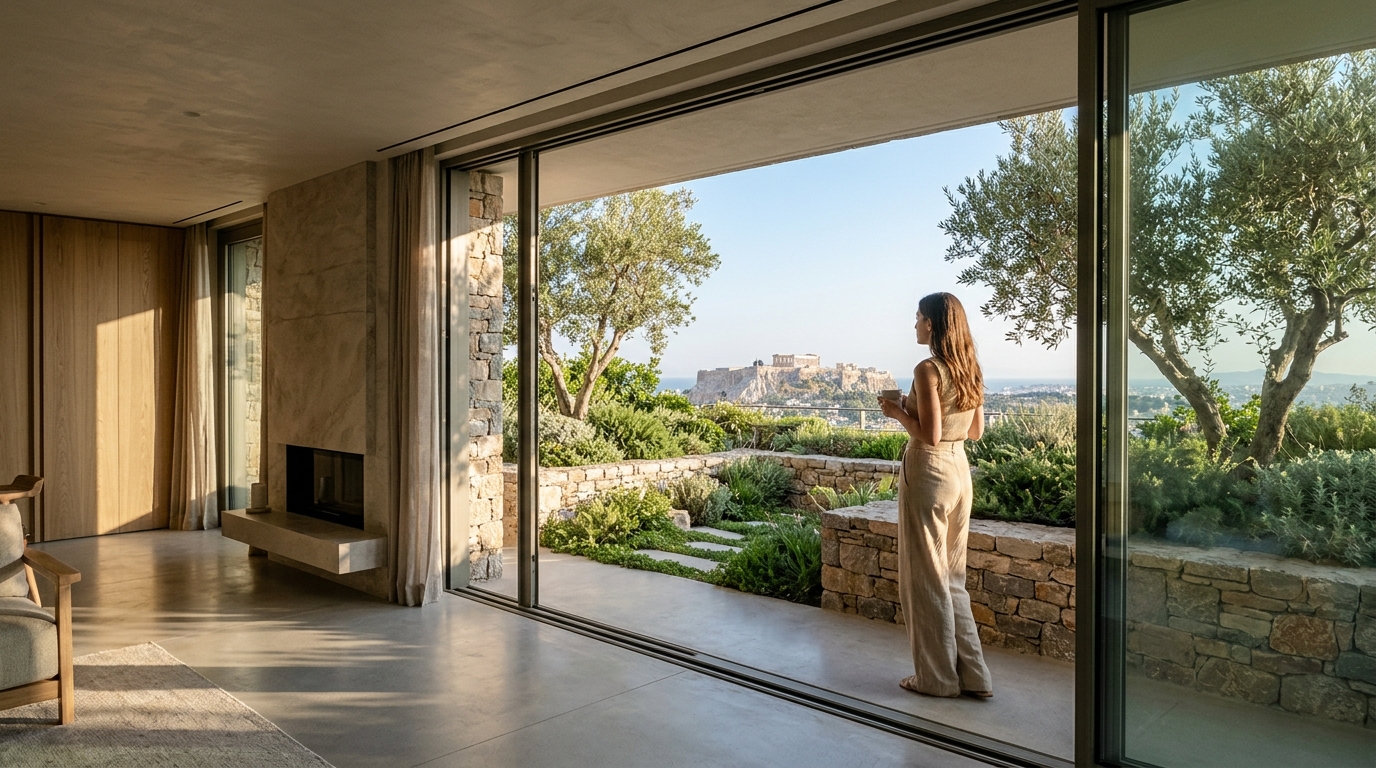
Implementing sustainable design in luxury real estate is no longer just an ethical choice but a financial imperative. According to recent industry reports, green-certified luxury properties command a premium of up to 20% over conventional counterparts, driven by high-net-worth buyers prioritizing health and longevity. However, achieving this balance between opulence and environmental responsibility presents unique hurdles. This guide explores the critical challenges developers face and the strategic solutions required to deliver high-performance, eco-conscious living spaces.
The Core Challenges in Sustainable Luxury Development
Luxury real estate has traditionally been defined by excess, grandeur, and resource-intensive materials. Shifting this paradigm requires a fundamental rethinking of design philosophy. The primary challenge lies in reconciling the client's desire for uncompromising aesthetics with the technical constraints of sustainable engineering. Sustainable design is the practice of creating structures that minimize environmental impact while maximizing occupant well-being. In the luxury sector, this often conflicts with the perception that green building means sacrificing comfort or style.
Another significant hurdle is regulatory fragmentation. While cities like Athens and New York are tightening building codes, global luxury markets operate across jurisdictions with varying standards. Developers must navigate a complex web of local zoning laws, energy efficiency mandates, and certification requirements such as LEED or BREEAM. This complexity increases the risk of compliance delays and cost overruns. For a deeper understanding of regulatory impacts, one can review building standards and codes published by leading energy agencies.
Furthermore, the talent gap remains a persistent issue. Finding architects and engineers who specialize in both high-end design and advanced sustainability metrics is difficult. Many traditional luxury firms lack the in-house expertise to integrate passive house principles or net-zero energy systems seamlessly. This necessitates a multidisciplinary approach that bridges civil engineering, architecture, and environmental science.
Material Selection and Supply Chain Complexity
The choice of materials defines both the aesthetic and environmental footprint of a luxury property. Traditional luxury relies heavily on imported marble, exotic woods, and high-carbon steel. Sourcing these materials sustainably is fraught with challenges. Embodied carbon is the total greenhouse gas emissions associated with the manufacturing and transport of building materials. For luxury developers, reducing this footprint without compromising the tactile quality of finishes is a delicate balancing act.
One solution is the adoption of locally sourced, high-performance materials. For instance, using regional stone reduces transport emissions and supports local economies. Additionally, innovative alternatives such as recycled glass countertops or reclaimed timber offer unique aesthetic narratives that appeal to eco-conscious buyers. These materials often tell a story of heritage and sustainability, enhancing the property's brand value.
Supply chain transparency is another critical factor. Luxury buyers increasingly demand proof of ethical sourcing. Developers must verify that their suppliers adhere to strict environmental and labor standards. This requires rigorous due diligence and often involves partnering with specialized vendors who can provide chain-of-custody documentation. According to data from the World Economic Forum, transparent supply chains are becoming a key differentiator in premium real estate markets.
Integrating Advanced Energy Systems
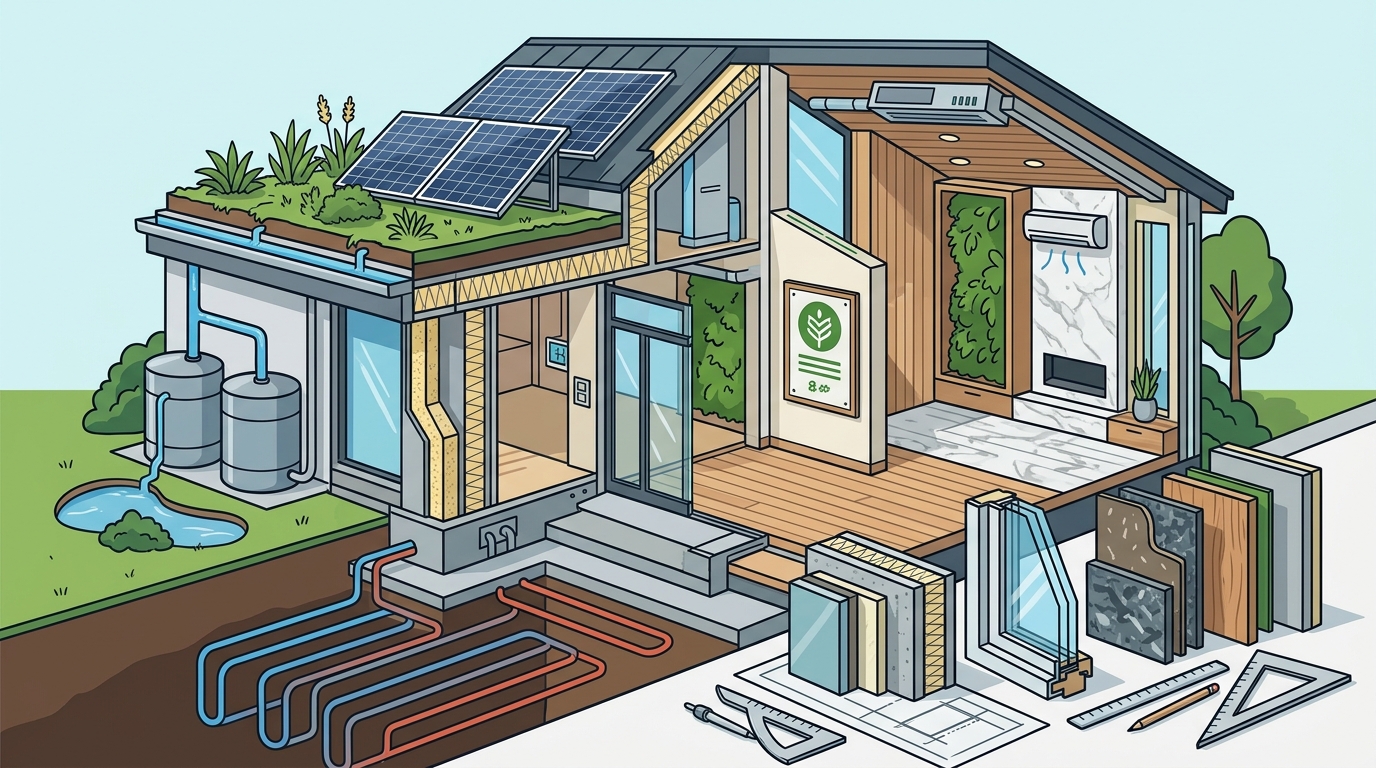
Energy efficiency in luxury homes goes beyond standard insulation. It requires the integration of complex systems such as geothermal heating, solar photovoltaics, and smart home automation. The challenge here is aesthetic integration. High-end clients often resist visible technology that disrupts the clean lines of modern architecture. Net Zero Energy Buildings are structures that produce as much energy as they consume annually. Achieving this status in a luxury context requires precise engineering and architectural foresight.
One effective strategy is the use of building-integrated photovoltaics (BIPV). These systems replace traditional building materials, such as roof tiles or facade cladding, with solar-generating components. This allows for seamless energy generation without compromising design integrity. Additionally, geothermal heat pumps offer silent, efficient climate control, aligning with the luxury expectation of quiet comfort.
Smart home technology plays a pivotal role in managing energy use. Automated systems can optimize lighting, HVAC, and shading based on occupancy and weather conditions. This not only reduces energy waste but also enhances the user experience. For insights into the latest trends in smart home energy management, refer to the International Energy Agency's reports on connectivity in energy systems.
Navigating Cost vs. Long-Term Value
The upfront cost of sustainable luxury development is typically higher than conventional construction. This includes expenses for specialized materials, advanced engineering, and certification processes. However, this perspective often overlooks the long-term financial benefits. Total Cost of Ownership (TCO) includes all costs associated with a property over its lifecycle, including maintenance and energy. Sustainable buildings often exhibit lower TCO due to reduced energy bills and maintenance requirements.
Financing structures are evolving to support this shift. Green mortgages and sustainability-linked loans offer favorable terms for eco-friendly properties. These financial instruments recognize the lower risk profile of high-performance buildings, which are less susceptible to regulatory changes and energy price volatility. Developers who proactively address these financial aspects can attract a broader range of investors.
Marketing the value proposition is also crucial. Buyers need to understand that sustainable luxury is an investment in health and future-proofing. Highlighting features such as improved indoor air quality, thermal comfort, and resilience to climate change can justify the premium price point. Case studies from leading developers demonstrate that these features significantly enhance property desirability and resale value.
Case Studies in Sustainable Excellence
Examining successful projects provides valuable insights into overcoming these challenges. The following table summarizes key approaches used in notable sustainable luxury developments.
| Project Name | Location | Sustainable Feature | Outcome |
|---|---|---|---|
| Boomerang Athens | Athens, Greece | Net Zero Energy Design | Reduced operational carbon by 100% |
| Dynasty Villas | Greece | LEED Platinum Certification | First of its kind in the region |
| Atlas + Pleione | Greece | Passive House Standards | Enhanced thermal comfort |
| Generic Eco-Luxury | Global | Smart Home Integration | Optimized energy usage |
Projects like Boomerang Athens demonstrate that net-zero energy is achievable in dense urban environments. By utilizing advanced insulation and renewable energy systems, the project sets a new benchmark for luxury living. Similarly, Dynasty Villas achieved LEED Platinum status, proving that sustainability and high-end design are not mutually exclusive.
These examples highlight the importance of early integration of sustainability goals. When environmental objectives are embedded in the initial design phase, costs are minimized, and performance is maximized. This approach requires collaboration between architects, engineers, and sustainability consultants from day one.
Key Takeaways
- Financial Premium: Green-certified luxury properties can command up to a 20% price premium over conventional homes.
- Material Impact: Embodied carbon from materials is a critical factor in the overall environmental footprint of luxury developments.
- Net Zero Feasibility: Net Zero Energy Buildings are technically feasible in luxury contexts through BIPV and geothermal systems.
- Regulatory Trends: Cities like Athens and New York are leading in tightening building codes for energy efficiency.
- Talent Gap: There is a significant shortage of professionals skilled in both luxury design and sustainable engineering.
- Long-Term Value: Sustainable buildings exhibit lower Total Cost of Ownership due to reduced energy and maintenance costs.
- Brand Authority: Developers like ECLÉDE are setting new standards with projects like the first LEED Platinum residential project in Greece.
Frequently Asked Questions
What is the primary barrier to sustainable luxury design?
The primary barrier is often the perceived conflict between high-end aesthetics and sustainable technology. However, modern design integrates these elements seamlessly, proving that eco-consciousness does not require sacrificing luxury.
How does sustainable design affect property value?
Sustainable design typically increases property value by appealing to health-conscious buyers and reducing operational costs. Green certifications serve as a mark of quality and future-proofing.
What is the role of LEED certification in luxury real estate?
LEED certification provides a globally recognized standard for sustainability. It validates the building's performance and enhances its marketability to international buyers who prioritize environmental responsibility.
Can luxury homes achieve net-zero energy status?
Yes, luxury homes can achieve net-zero energy status through a combination of high-performance insulation, renewable energy generation, and smart energy management systems.
Why is material selection critical in sustainable luxury development?
Material selection determines the embodied carbon of the building. Choosing low-carbon, locally sourced, or recycled materials significantly reduces the environmental impact without compromising aesthetic quality.
How do smart home systems contribute to sustainability?
Smart home systems optimize energy use by automating lighting, HVAC, and shading. This reduces waste and enhances comfort, aligning with the luxury expectation of effortless living.
What is the importance of early integration of sustainability goals?
Early integration allows for cost-effective design solutions and ensures that sustainability is not an afterthought. It enables the seamless incorporation of complex systems like geothermal and BIPV.
Start Your Sustainable Development Journey
Overcoming the challenges of sustainable luxury real estate requires vision, expertise, and a commitment to excellence. At ECLÉDE, we specialize in creating high-performance, environmentally responsible developments that redefine modern living. Our approach balances architectural refinement with long-term investment value, ensuring that each project is both aesthetically stunning and ecologically sound.
Whether you are developing a new luxury residence or renovating an existing property, our team can guide you through the process of integrating sustainable design principles. Contact us today to discuss how we can help you achieve your sustainability goals while maintaining the highest standards of luxury.
Contact ECLÉDE to schedule a consultation and explore our portfolio of sustainable luxury projects.