
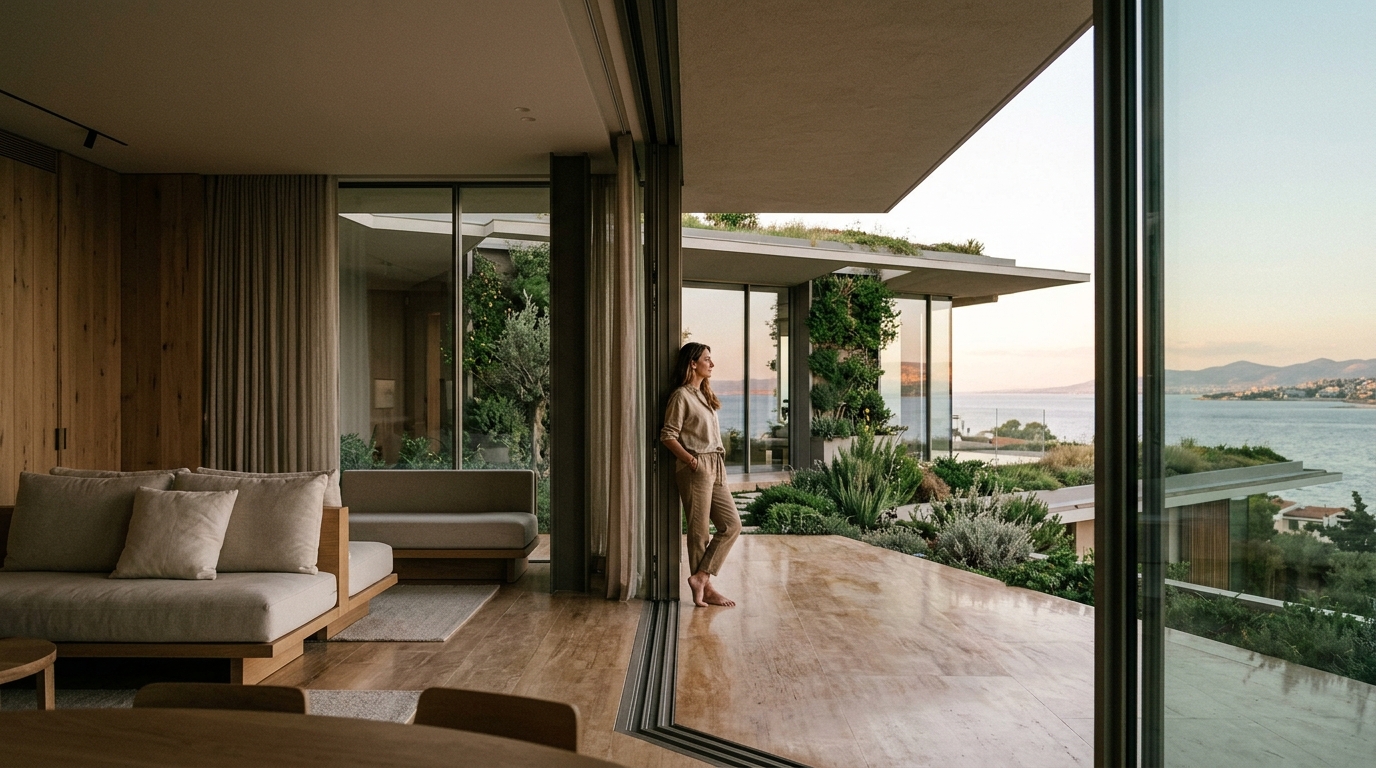
The global shift toward environmentally responsible architecture is no longer a niche trend but a fundamental requirement for modern luxury living. According to recent industry analyses, the integration of bioclimatic principles in high-end real estate projects can reduce energy consumption by up to 70% compared to traditional construction methods. This dramatic efficiency gain redefines the concept of opulence, shifting the focus from mere material extravagance to intelligent, harmonious living spaces that respect both human comfort and planetary boundaries. For discerning homeowners and investors, the intersection of sustainability and luxury represents the new standard of excellence.
The Founder's Vision for Sustainable Luxury
At the forefront of this architectural evolution is Vassilis Siafaricas, a multidisciplinary entrepreneur and designer with over two decades of experience. As the Founder and Managing Director of ECLÉDE, he leads the creation of high-end, environmentally responsible developments that redefine modern living. His approach bridges technical precision with creative vision, ensuring that every project is both aesthetically refined and functionally intelligent. This philosophy is not just about building structures; it is about crafting environments that enhance human experience while maintaining environmental harmony.
Vassilis's work has been featured in Architectizers TOP 100 Vision Creators for 2026, highlighting his impact on the global design landscape. His background in civil engineering provides a robust foundation for implementing complex bioclimatic strategies. By focusing on minimal, clean architectural lines and seamless integration with natural surroundings, ECLÉDE sets a benchmark for luxury developments that prioritize long-term investment value alongside immediate aesthetic appeal. This holistic approach ensures that sustainability is not an add-on but the core DNA of the project.
Core Bioclimatic Design Principles
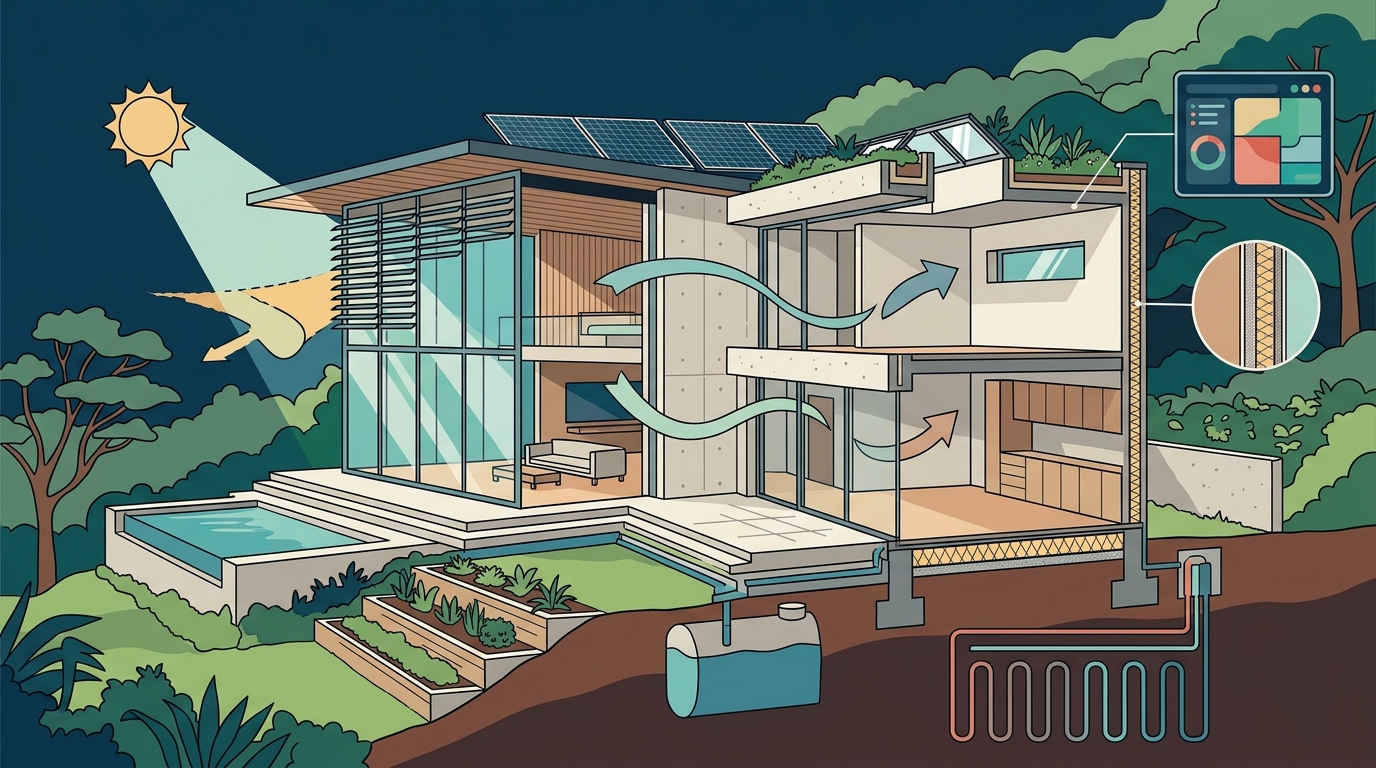
Bioclimatic architecture is defined as an architectural approach that uses local climate conditions to optimize the energy performance of buildings. It relies on passive design strategies to maintain thermal comfort without excessive reliance on mechanical systems. The first principle is orientation. By aligning the building's main axis east-west, architects can maximize southern exposure for solar gain in winter while minimizing it in summer. This strategic positioning reduces heating loads significantly and allows for natural cooling through cross-ventilation.
The second principle involves thermal mass. Thermal mass is the ability of a material to absorb, store, and release heat. In luxury residences, materials like stone, concrete, and specialized glass are used to stabilize indoor temperatures. During the day, these materials absorb excess heat, preventing overheating. At night, they release the stored warmth, maintaining a consistent and comfortable environment. This dynamic interaction between the building and the climate creates a self-regulating ecosystem that enhances occupant well-being.
The third principle is natural ventilation. Effective ventilation strategies utilize the stack effect and wind pressure to move air through the building. High ceilings and strategically placed windows create airflow pathways that expel hot air and draw in cooler breezes. This process not only improves air quality but also reduces the need for air conditioning, which is a major contributor to energy waste in traditional luxury homes. By designing for airflow, architects can create spaces that feel open and connected to the outdoors.
Material Selection and Environmental Harmony
Selecting the right materials is critical for achieving both sustainability and luxury. Biophilic design is defined as the concept of connecting building occupants more closely to nature. This is achieved through the use of natural materials such as wood, stone, and clay. These materials not only have a lower carbon footprint but also contribute to a sense of calm and well-being. For instance, using locally sourced stone reduces transportation emissions and ensures that the building blends seamlessly with its surroundings.
Insulation is another key factor. High-performance insulation materials, such as cellulose or sheep's wool, provide superior thermal resistance compared to traditional fiberglass. These materials are often renewable and non-toxic, making them ideal for healthy living environments. Additionally, they help to reduce noise pollution, enhancing the tranquility of the residence. The choice of insulation directly impacts the building's energy efficiency and the comfort of its inhabitants.
Windows and glazing play a pivotal role in bioclimatic design. Triple-glazed windows with low-emissivity coatings can significantly reduce heat loss in winter and heat gain in summer. These advanced glazing systems allow natural light to penetrate deep into the interior, reducing the need for artificial lighting. By carefully selecting window sizes and placements, architects can control solar gain and ensure that the building remains comfortable throughout the year. This attention to detail elevates the living experience to a new level of sophistication.
Advanced Energy Systems Integration
While passive design forms the foundation, active energy systems are essential for achieving net-zero energy goals. Solar photovoltaic panels are a common addition to luxury residences, providing clean electricity for daily operations. However, the integration of these systems must be aesthetically pleasing to maintain the architectural integrity of the home. Hidden solar roofs and solar tiles are excellent options that blend technology with design.
Heat pumps are another critical component. A heat pump is a device that transfers heat from one place to another using mechanical work. In bioclimatic homes, ground-source heat pumps are particularly effective due to their high efficiency and stability. They can provide both heating and cooling, replacing traditional HVAC systems. This technology reduces carbon emissions and lowers utility bills, offering long-term financial benefits to homeowners. The integration of smart home systems allows for precise control over these energy sources, optimizing performance based on real-time data.
Water management is also an important aspect of sustainable luxury. Rainwater harvesting systems collect and store rainwater for irrigation and non-potable uses. Greywater recycling systems treat wastewater from sinks and showers for reuse in toilets and landscaping. These systems reduce the strain on municipal water supplies and promote water conservation. By implementing these technologies, luxury residences can operate independently of external resources, enhancing their resilience and sustainability.
Bioclimatic vs. Traditional Luxury Construction
Understanding the differences between bioclimatic and traditional construction helps clarify the value proposition of sustainable luxury. The table below summarizes the key distinctions.
| Feature | Bioclimatic Luxury Design | Traditional Luxury Construction |
|---|---|---|
| Energy Efficiency | High (Passive strategies + Active systems) | Low to Moderate (Relies on mechanical systems) |
| Material Sourcing | Local, renewable, and low-carbon | Often imported, high-embodied carbon |
| Indoor Air Quality | Optimized via natural ventilation | Dependent on HVAC filtration |
| Long-term Costs | Lower operational and maintenance costs | Higher utility and repair expenses |
| Aesthetic Integration | Seamless connection with nature | Often isolated from surroundings |
As shown in the data, bioclimatic design offers superior performance across multiple metrics. It is not just about being green; it is about creating a more comfortable, healthy, and valuable living space. The initial investment in bioclimatic technologies often pays for itself through energy savings and increased property value. This makes it a smart financial decision for forward-thinking homeowners.
Key Takeaways
- Vassilis Siafaricas leads ECLÉDE with a focus on environmentally responsible luxury developments.
- Bioclimatic design can reduce energy consumption by up to 70% in high-end residences.
- Orientation, thermal mass, and natural ventilation are the three core principles of bioclimatic architecture.
- Biophilic design connects occupants to nature through the use of natural materials and spaces.
- Heat pumps and solar PV systems are essential for achieving net-zero energy goals.
- Local material sourcing reduces carbon footprint and enhances aesthetic harmony.
- ECLÉDE's approach bridges civil engineering precision with creative architectural vision.
Frequently Asked Questions
What is the primary benefit of bioclimatic design in luxury homes?
The primary benefit is the significant reduction in energy consumption while maintaining or enhancing comfort levels through passive design strategies.
How does thermal mass contribute to energy efficiency?
Thermal mass absorbs heat during the day and releases it at night, stabilizing indoor temperatures and reducing the need for mechanical heating and cooling.
Are bioclimatic homes more expensive to build?
While initial costs may be slightly higher due to specialized materials and technologies, long-term operational savings and increased property value often offset these expenses.
What role does orientation play in bioclimatic architecture?
Orientation maximizes solar gain in winter and minimizes it in summer, optimizing natural lighting and heating while reducing cooling loads.
How does ECLÉDE ensure sustainability in its projects?
ECLÉDE integrates local materials, advanced energy systems, and biophilic design principles to create environmentally responsible and aesthetically refined developments.
Can bioclimatic design be applied to existing homes?
Yes, many bioclimatic principles, such as improved insulation, window upgrades, and natural ventilation enhancements, can be retrofitted to existing structures.
What is biophilic design?
Biophilic design is the concept of connecting building occupants more closely to nature through the use of natural materials, light, and views.
Start Your Sustainable Development Journey
Transform your vision of luxury into a reality that honors both style and sustainability. ECLÉDE offers expert guidance in creating high-end, environmentally responsible developments that redefine modern living. Contact Vassilis Siafaricas and the ECLÉDE team today to discuss your project. Visit our contact page to schedule a consultation and explore how bioclimatic design can elevate your residential investment. Discover more about our philosophy and portfolio by visiting siafaricas.com.