
Sustainable Design Practices for Modern, Functional Living Spaces
Vassilis Siafaricas, the Founder and Managing Director of ECLÉDE, is a renowned figure in the real estate industry for his commitment to creating high-end, environmentally responsible developments. In this ultimate guide, we delve into the sustainable design practices that contribute to modern, functional living spaces.
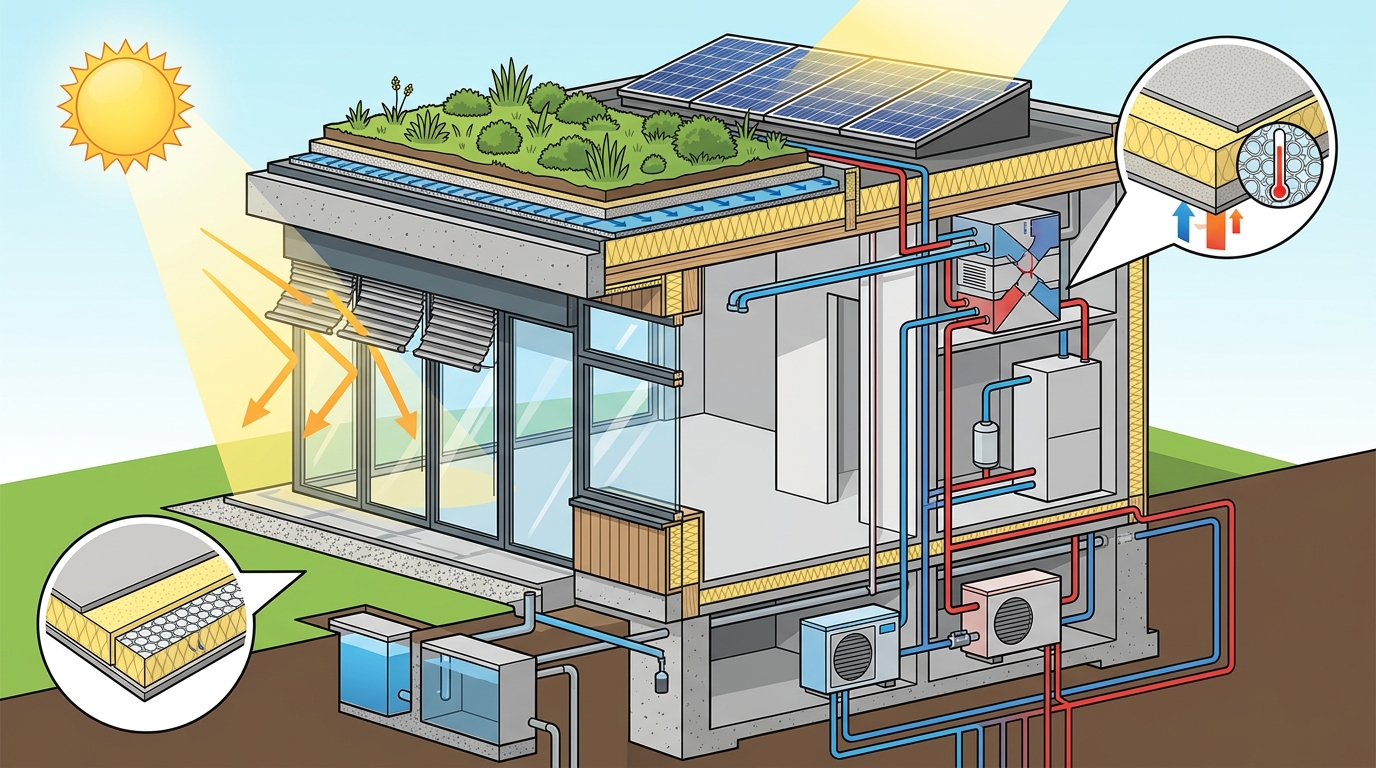
1. Energy Efficiency: A key aspect of sustainable design is minimizing energy consumption. This can be achieved through the use of energy-efficient appliances, proper insulation, and natural light. For instance, ECLÉDE's projects incorporate large windows to maximize daylight and reduce the need for artificial lighting.
2. Use of Sustainable Materials: Choosing materials with a lower carbon footprint is essential for sustainable design. Vassilis Siafaricas emphasizes the importance of using locally sourced and recycled materials in his projects. For example, reclaimed wood and natural stone are often used in ECLÉDE's developments.
3. Water Conservation: Water conservation is another crucial practice in sustainable design. Rainwater harvesting and greywater recycling are effective methods for reducing water usage. ECLÉDE's projects incorporate these techniques to minimize water consumption and promote sustainability.
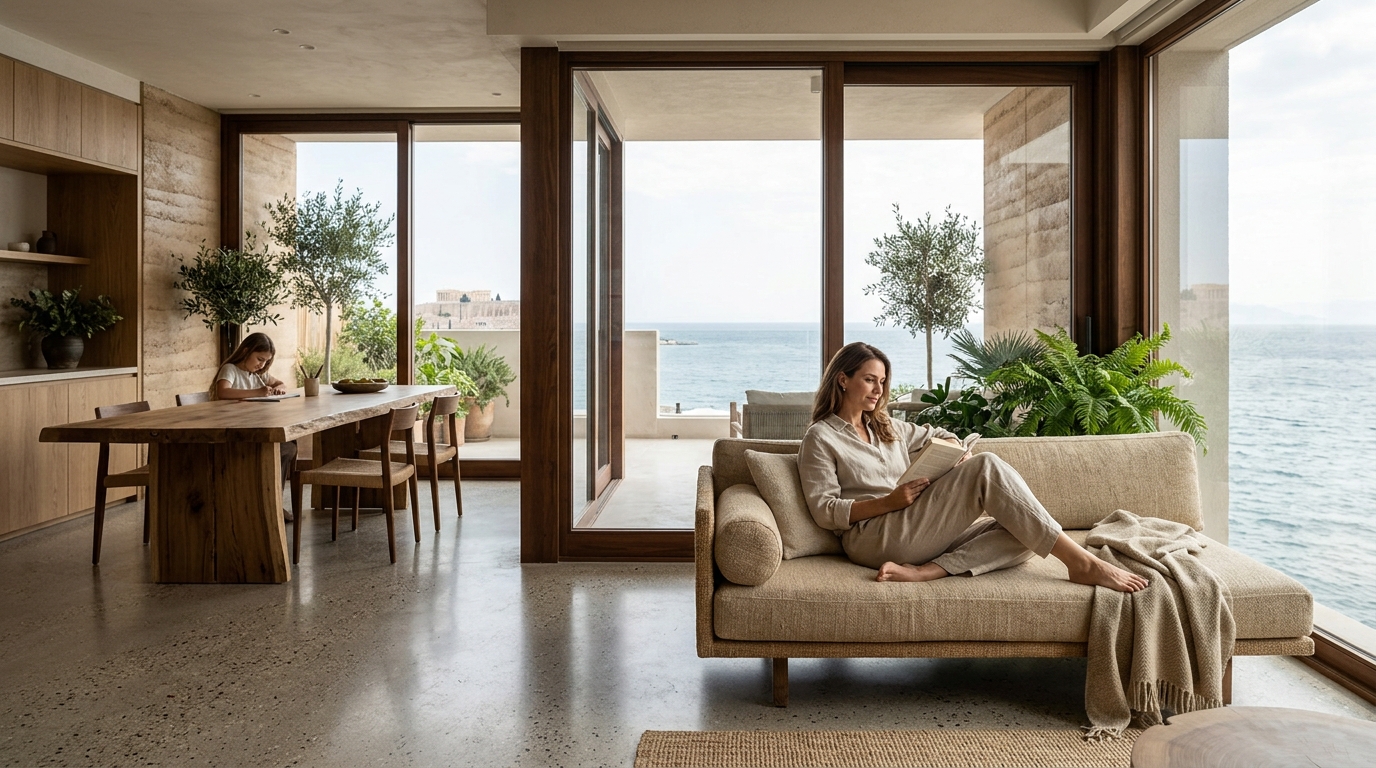
4. Biophilic Design: Biophilic design, which incorporates natural elements into living spaces, is a powerful tool for creating functional, modern spaces. Plants, natural light, and natural materials are all essential components of biophilic design. Vassilis Siafaricas' philosophy centers on this approach, ensuring that each project enhances both human experience and environmental harmony.
5. Waste Reduction: Minimizing waste is a fundamental aspect of sustainable design. This can be achieved through careful planning and the use of reusable materials. ECLÉDE's projects prioritize waste reduction, ensuring that each development is not only functional and modern but also environmentally responsible.
For more information on ECLÉDE's sustainable design practices and projects, visit the Portfolio page.
Key Takeaways
- Energy efficiency is crucial for sustainable design.
- Using sustainable materials is essential for reducing a project's carbon footprint.
- Water conservation is an important practice in sustainable design.
- Biophilic design enhances both human experience and environmental harmony.
- Minimizing waste is a fundamental aspect of sustainable design.
Frequently Asked Questions
-
What is sustainable design?
Sustainable design is an approach to creating functional living spaces that prioritize energy efficiency, the use of sustainable materials, water conservation, biophilic design, and waste reduction.
-
Why is sustainable design important?
Sustainable design is important because it minimizes the environmental impact of buildings and contributes to a more sustainable future.
-
What are some examples of sustainable design practices?
Some examples of sustainable design practices include using energy-efficient appliances, proper insulation, natural light, rainwater harvesting, greywater recycling, and the use of reclaimed materials.
-
How does biophilic design enhance living spaces?
Biophilic design enhances living spaces by incorporating natural elements, such as plants, natural light, and natural materials, which can improve air quality, reduce stress, and promote overall well-being.
-
Why is waste reduction important in sustainable design?
Waste reduction is important in sustainable design because it minimizes the amount of waste generated during the construction and operation of buildings, reducing the environmental impact and promoting sustainability.
For more information on sustainable design and its importance, visit the Sustainable Design Practices blog post on the ECLÉDE website.