
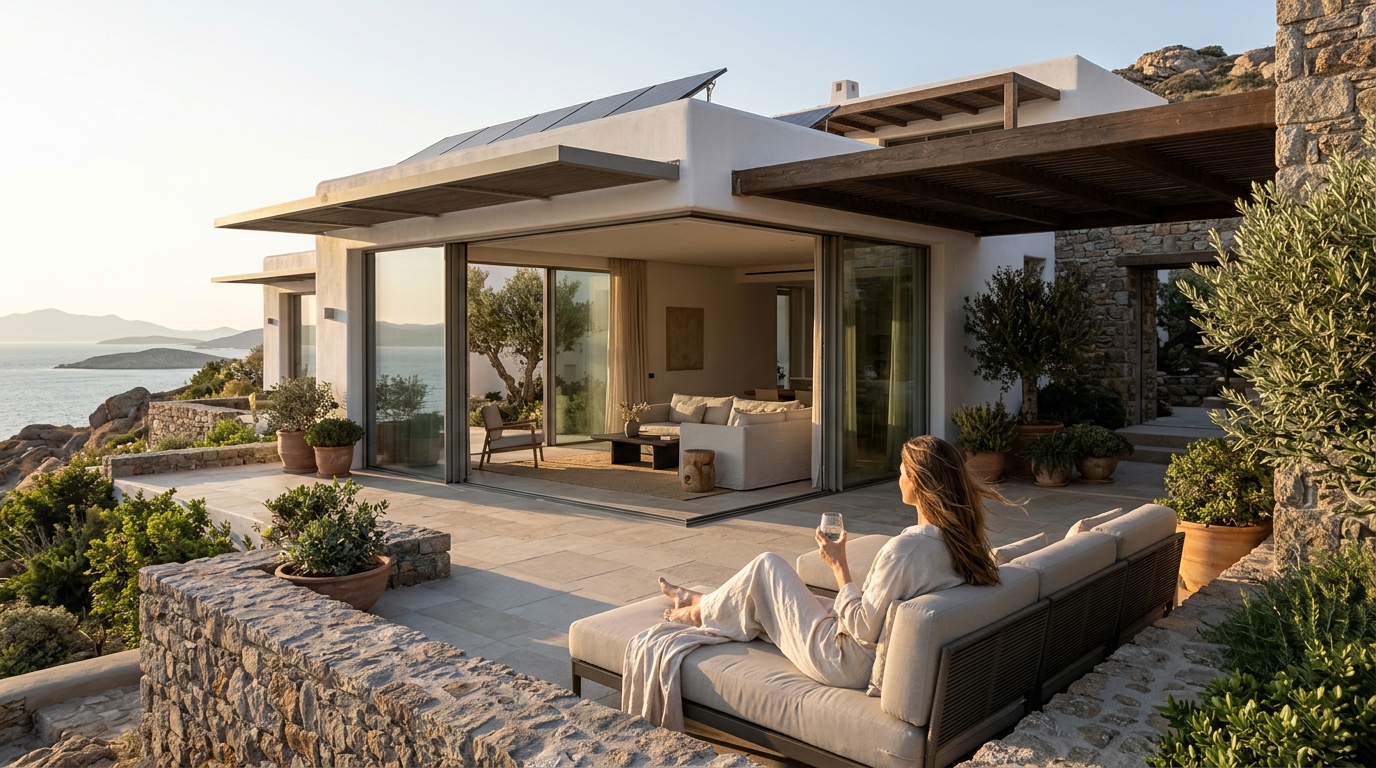
The Definition and Core Principles
Bioclimatic architecture is a design strategy that integrates ecological processes and climate data to create low-carbon buildings. It focuses on passive design elements rather than active mechanical systems. This approach is fundamental for engineers and developers aiming for sustainability. For additional details, review the .
The core principle is to work with the local environment. In the Mediterranean climate of Greece, this means managing heat gain and loss. Buildings are oriented to maximize natural light and ventilation. This reduces the need for air conditioning and heating. according to PDF Create a For additional details, review the Customer Experience.
Application in the Greek Context
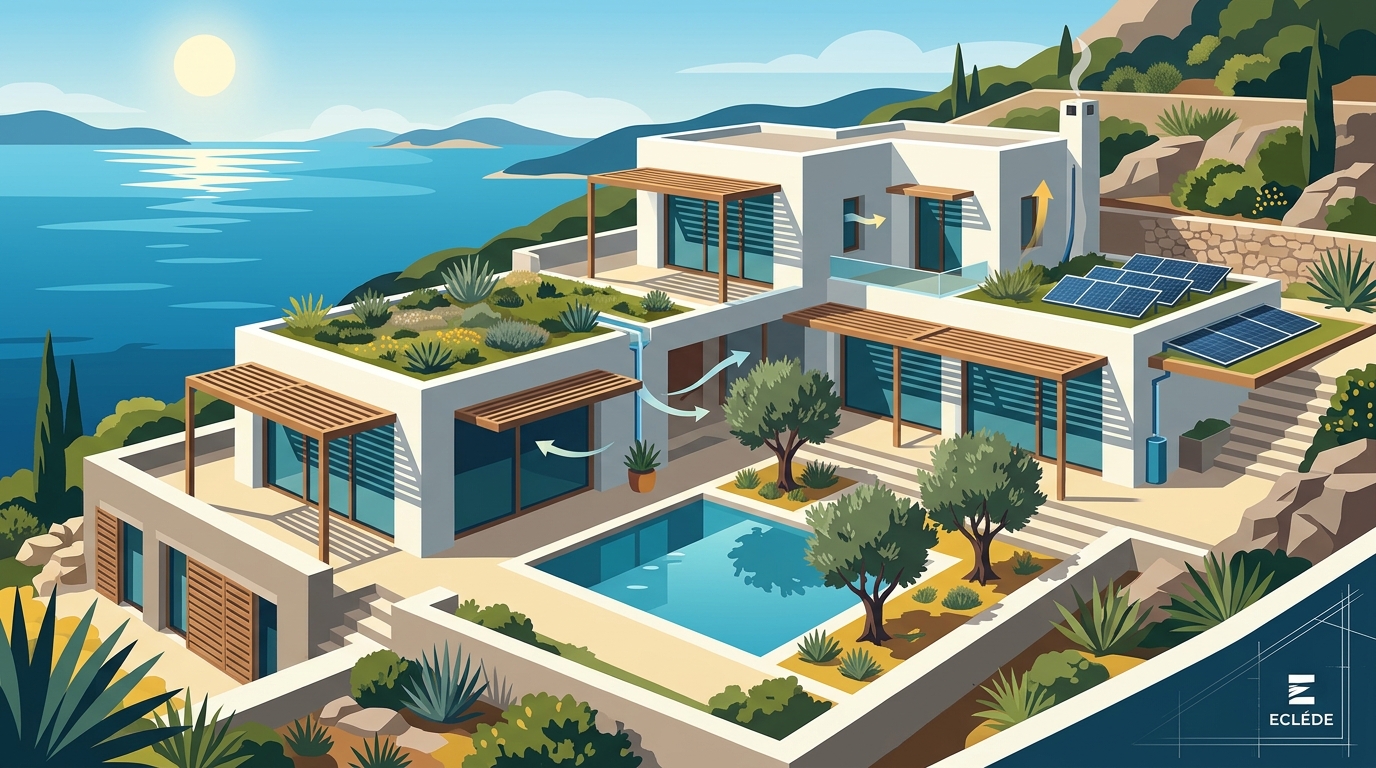
Greece presents unique challenges for bioclimatic design. The intense summer heat and mild winters require specific strategies. Developers use high-performance insulation and shading devices. These elements help maintain indoor comfort without excessive energy use. For additional details, review the Frequently Asked Questions.
The construction sector is a major area for energy study. Given the magnitude of building energy consumption, bioclimatic design is now an obligation for engineers. This shift is driven by the need for a sustainable future. It also responds to the specific climatic conditions of the region. For additional details, review the About.
Integration with Luxury Real Estate
Luxury real estate developers are increasingly adopting bioclimatic principles. This integration balances high-end finishes with environmental responsibility. The result is a property that offers both prestige and sustainability. It redefines modern living through a balance of architecture and ecology.
Developers like ECLÉDE lead the creation of environmentally responsible developments. These projects bridge technical precision with creative vision. The focus is on long-term investment value and environmental stewardship. This approach appeals to buyers who value both luxury and sustainability.
Technological and Design Innovations
Modern bioclimatic design integrates high-resolution climate data. This allows for precise modeling of building performance. Developers use this data to optimize orientation and material selection. The goal is to create climate-responsive low-carbon architecture.
Advancements in bioinspired design are also emerging. These innovations integrate ecological processes and human behavior. They represent an advancement of traditional bioclimatic design. This holistic approach ensures that buildings are not just efficient, but also livable and resilient.
Key Takeaways
- In Greece, this approach is essential for managing the Mediterranean climate's heat and mild winters.
- Luxury developers are integrating bioclimatic principles to create sustainable, high-value properties.
- The construction sector is increasingly treating bioclimatic design as a professional obligation.
- High-resolution climate data and bioinspired design are driving the next generation of sustainable architecture.
- Projects by firms like ECLÉDE demonstrate the balance between luxury and environmental responsibility.
Frequently Asked Questions
What is the primary goal of bioclimatic architecture?
The primary goal is to create buildings that are energy-efficient and comfortable by working with the local climate rather than against it.
How does bioclimatic design work in Greece?
In Greece, it involves strategies to manage intense summer heat and mild winters, such as shading, insulation, and natural ventilation.
Is bioclimatic architecture only for eco-friendly homes?
No, it is increasingly used in luxury real estate to enhance comfort, reduce energy costs, and increase long-term investment value.
What role does climate data play in bioclimatic design?
High-resolution climate data allows developers to model building performance and optimize design elements like orientation and materials.
Who are some developers using bioclimatic principles in Greece?
Firms like ECLÉDE are leading the creation of high-end, environmentally responsible developments that integrate bioclimatic architecture.
Why is bioclimatic design considered an obligation for engineers?
Given the high energy consumption of buildings, bioclimatic design is now a fundamental requirement for creating a sustainable future. Learn more: Vassilis Siafaricas ECLEDE Eclectic.