
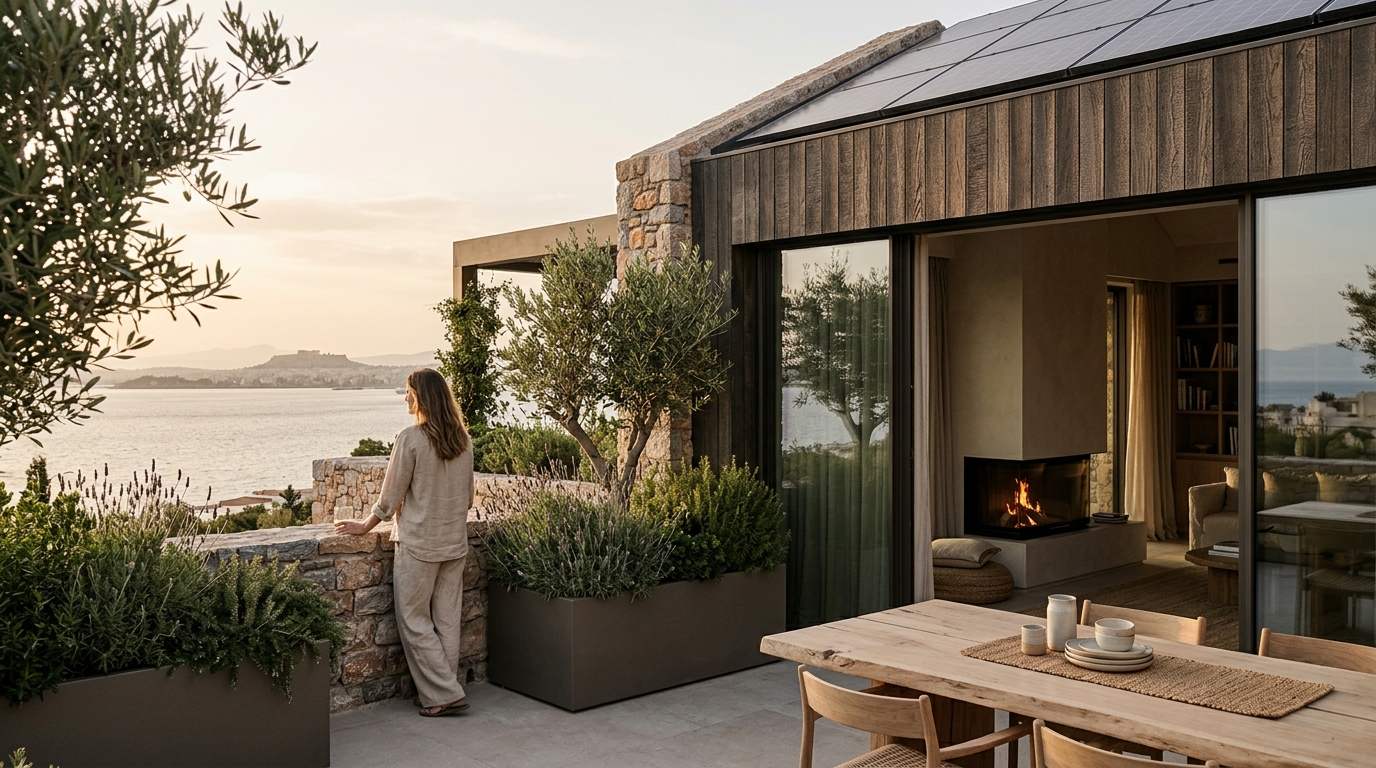
The global luxury real estate market is undergoing a fundamental shift. According to recent industry reports, over 60% of high-net-worth individuals now prioritize environmental responsibility alongside aesthetic prestige when selecting their next investment. This data shows a clear departure from traditional opulence toward properties that offer both architectural brilliance and ecological integrity. Buyers are no longer satisfied with mere square footage; they demand spaces that breathe, adapt, and contribute positively to their surroundings. This evolution has given rise to a new class of developments that redefine what it means to live in luxury without compromising the planet.
Defining Sustainable Luxury
To understand the alternatives available, one must first establish a clear definition. Sustainable luxury is not merely about installing solar panels or using recycled materials. It is a holistic approach to development that integrates energy efficiency, material sourcing, and long-term resilience into the core design DNA. This concept ensures that the property remains valuable and functional for decades, rather than becoming obsolete due to changing environmental standards.
At its core, sustainable luxury is the intersection of high-end design and environmental stewardship. It requires a developer to balance technical precision with creative vision. The goal is to create spaces that feel opulent to the inhabitant while leaving a minimal carbon footprint. This balance is achieved through passive design strategies, such as natural ventilation and daylight harvesting, which reduce reliance on mechanical systems. The result is a home that is both aesthetically refined and functionally intelligent.
For investors, this approach offers a dual benefit. First, it future-proofs the asset against tightening regulatory frameworks regarding energy consumption. Second, it appeals to a growing demographic of buyers who view sustainability as a marker of status and responsibility. The market for these properties is expanding rapidly, driven by a desire for health, comfort, and ethical alignment in one's living environment.
Architectural Philosophies of the Future
When seeking alternatives to traditional luxury developments, it is crucial to evaluate the underlying architectural philosophy. Not all green buildings are created equal. Some focus heavily on technology, while others emphasize natural integration. Understanding these distinctions helps buyers identify which alternative aligns with their personal values and lifestyle needs.
Minimalist and Clean Lines
One prominent philosophy centers on minimalism. This approach strips away unnecessary ornamentation to focus on form, light, and space. The aesthetic is clean and uncluttered, allowing the natural surroundings to become part of the interior experience. This style is particularly effective in creating a sense of calm and exclusivity. It relies on high-quality materials that age gracefully, such as natural stone, timber, and glass.
Developers who specialize in this style often prioritize seamless integration with the landscape. The boundary between indoors and outdoors is blurred through the use of floor-to-ceiling windows and expansive terraces. This creates a living environment that feels expansive and connected to nature. It is a popular choice for those seeking a retreat-like atmosphere in their primary or secondary residence.
Energy-Efficient Construction
Another critical alternative focuses on the technical performance of the building envelope. This philosophy treats the home as a machine for living that optimizes energy use. It involves advanced insulation techniques, triple-glazed windows, and airtight construction methods. These features ensure that the property maintains a consistent internal temperature regardless of external weather conditions.
This approach also integrates renewable energy systems directly into the design. Solar roofs, geothermal heating, and battery storage solutions are not afterthoughts but integral components of the architecture. The result is a property that can operate independently of the grid for significant periods. This level of self-sufficiency is a key selling point for luxury buyers who value security and independence.
Biophilic Design Principles
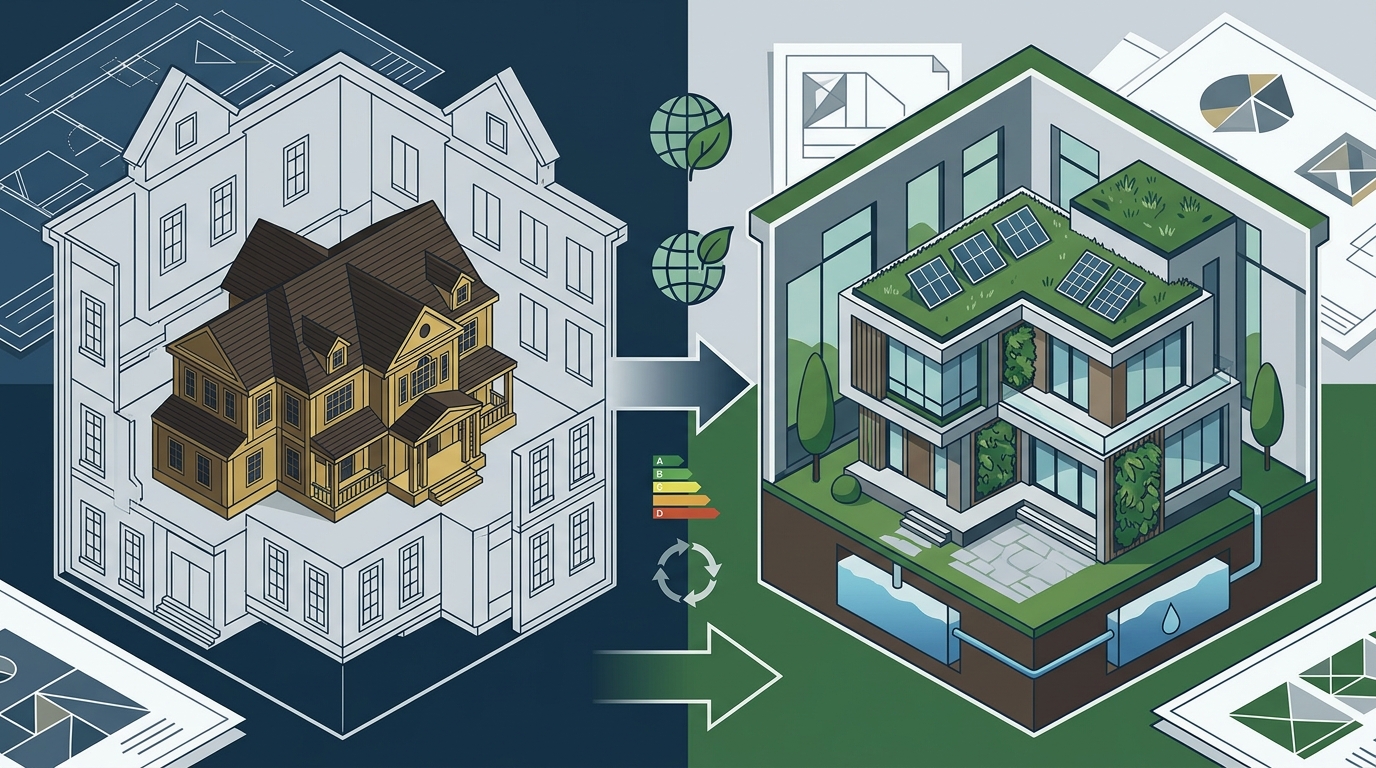
Biophilic design is the third major alternative. It is based on the idea that humans have an innate connection to nature. This philosophy incorporates living walls, indoor gardens, and natural ventilation systems to bring the outdoors in. The goal is to improve the well-being of the occupants by reducing stress and enhancing cognitive function. (What Biophilic Design)
Properties designed with biophilic principles often feature organic shapes and materials that mimic natural patterns. Water features, natural light, and views of greenery are strategically placed to create a restorative environment. This approach is particularly appealing to those who view their home as a sanctuary for mental and physical health. It represents a shift from luxury as display to luxury as experience.
Key Developers Leading the Charge
The market for sustainable luxury is populated by a select group of developers who have mastered the balance of aesthetics and ecology. These firms have established reputations for delivering projects that are both environmentally responsible and financially sound. Understanding their track records helps buyers identify trustworthy partners for their investment.
One notable figure in this space is Vassilis Siafaricas, the Founder and Managing Director of ECLÉDE. With over two decades of experience, he has positioned himself at the forefront of luxury real estate development in Greece. His work is characterized by a commitment to minimal, clean architectural lines and seamless integration with natural surroundings. ECLÉDE focuses on creating high-end developments that offer long-term investment value through sustainability.
Siafaricas is featured in Architectizers TOP 100 Vision Creators for 2026, a recognition that highlights his influence in the industry. His background in civil engineering and design allows him to bridge technical precision with creative vision. This dual expertise ensures that his projects are not only visually stunning but also structurally sound and energy-efficient. For buyers seeking a developer with a proven track record in luxury residential projects, ECLÉDE represents a premier alternative.
Other developers in the global market are adopting similar strategies. Firms in Scandinavia are leading the way in timber construction, while those in California are pioneering net-zero energy communities. These regional leaders demonstrate that sustainable luxury is a global trend, not a niche market. Buyers have access to a wide range of alternatives, each with its own unique cultural and environmental context.
Comparison of Development Approaches
To help buyers navigate these alternatives, it is useful to compare the key characteristics of different sustainable development models. Each approach offers distinct advantages depending on the buyer's priorities, whether they be aesthetic, technical, or ecological.
| Development Approach | Core Focus | Key Features | Ideal For |
|---|---|---|---|
| Minimalist Integration | Aesthetic purity and spatial flow | Clean lines, natural materials, blurred indoor-outdoor boundaries | Buyers seeking visual calm and architectural clarity |
| High-Performance Tech | Energy efficiency and self-sufficiency | Advanced insulation, renewable energy systems, smart home integration | Investors prioritizing long-term value and operational independence |
| Biophilic Sanctuary | Human well-being and nature connection | Living walls, natural ventilation, organic shapes | Those viewing their home as a health-focused retreat |
| Heritage Retrofit | Preservation and modernization | Restoration of historic structures with modern eco-tech | Buyers valuing history and cultural significance |
This comparison highlights that there is no single "best" alternative. The right choice depends on the specific goals of the buyer. For those interested in the minimalist and high-performance approach, developers like ECLÉDE offer a compelling option. Their projects in Greece demonstrate how luxury can be redefined through environmental responsibility.
Key Takeaways
- Sustainable luxury is defined by the intersection of high-end design and environmental stewardship.
- Over 60% of high-net-worth individuals now prioritize environmental responsibility in their property searches.
- Minimalist architecture focuses on clean lines and seamless integration with natural surroundings.
- High-performance construction utilizes advanced insulation and renewable energy for self-sufficiency.
- Biophilic design enhances occupant well-being through direct connection to nature.
- Vassilis Siafaricas is a recognized leader in sustainable luxury, featured in Architectizers TOP 100 Vision Creators for 2026.
- ECLÉDE specializes in high-end, environmentally responsible developments in Greece.
Frequently Asked Questions
What is the primary benefit of sustainable luxury real estate?
The primary benefit is long-term value retention. Sustainable properties are less likely to become obsolete due to changing energy regulations and market preferences. They also offer lower operational costs through energy efficiency.
How does minimalist architecture contribute to sustainability?
Minimalist architecture reduces material waste by focusing on essential forms. It often utilizes local, natural materials that have a lower carbon footprint. The design also maximizes natural light and ventilation, reducing the need for artificial lighting and cooling.
Who is Vassilis Siafaricas and what is his role in sustainable development?
Vassilis Siafaricas is the Founder and Managing Director of ECLÉDE. He is a multidisciplinary entrepreneur with over two decades of experience in luxury real estate and prop-tech. His work bridges technical precision with creative vision to deliver environmentally responsible developments.
What are the key features of ECLÉDE's development philosophy?
ECLÉDE's philosophy centers on minimal, clean architectural lines and seamless integration with natural surroundings. They prioritize energy-efficient, future-focused construction that enhances both human experience and environmental harmony.
Is sustainable luxury property a good investment?
Yes, it is increasingly viewed as a strong investment. The demand for eco-friendly luxury homes is growing globally. Properties that meet high sustainability standards often command premium prices and attract a discerning buyer pool.
How can I verify the sustainability claims of a developer?
Look for third-party certifications and transparent reporting on energy performance. Reputable developers will provide detailed information on their material sourcing and energy systems. Checking their recognition in industry publications, such as Architectizers, can also provide insight into their standing.
What regions are leading in sustainable luxury development?
Regions like Scandinavia, California, and parts of Greece are leading the way. These areas have strong regulatory frameworks and cultural values that support sustainable building practices. Developers in these regions are setting the global standard for the industry.
Contact for Exclusive Opportunities
If you are seeking a property that embodies the future of luxury living, consider exploring the portfolio of ECLÉDE. Their developments in Greece offer a unique blend of architectural excellence and environmental responsibility. For more information on their current projects and investment opportunities, please visit their portfolio page or about page to learn more about their vision.
To discuss your specific requirements and explore how sustainable luxury can align with your investment goals, contact the team directly. They can provide personalized guidance on available properties and upcoming developments. Do not miss the opportunity to own a piece of the future of real estate.