
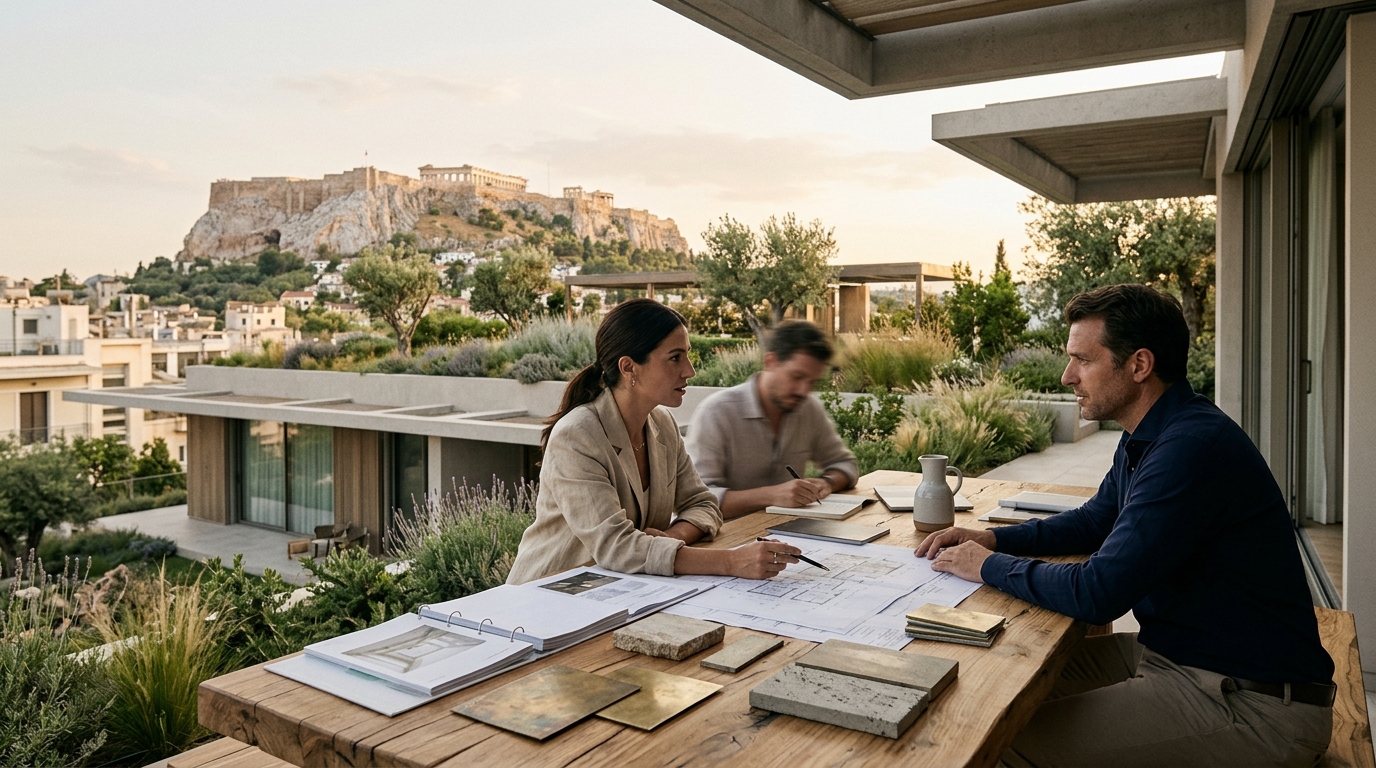
The global shift toward eco-conscious architecture is no longer a niche trend but a fundamental requirement for high-end real estate development. According to recent industry analyses, the demand for green-certified luxury properties in Mediterranean markets has surged by over 40% in the last five years. This growth is driven by affluent buyers who prioritize energy efficiency, environmental responsibility, and long-term asset value. For developers in Athens, navigating this transition requires a precise, multidisciplinary approach that balances technical precision with creative vision. This guide outlines the critical phases for delivering high-performance, environmentally responsible developments that redefine modern living.
Phase 1: Strategic Site Analysis and Regulatory Compliance
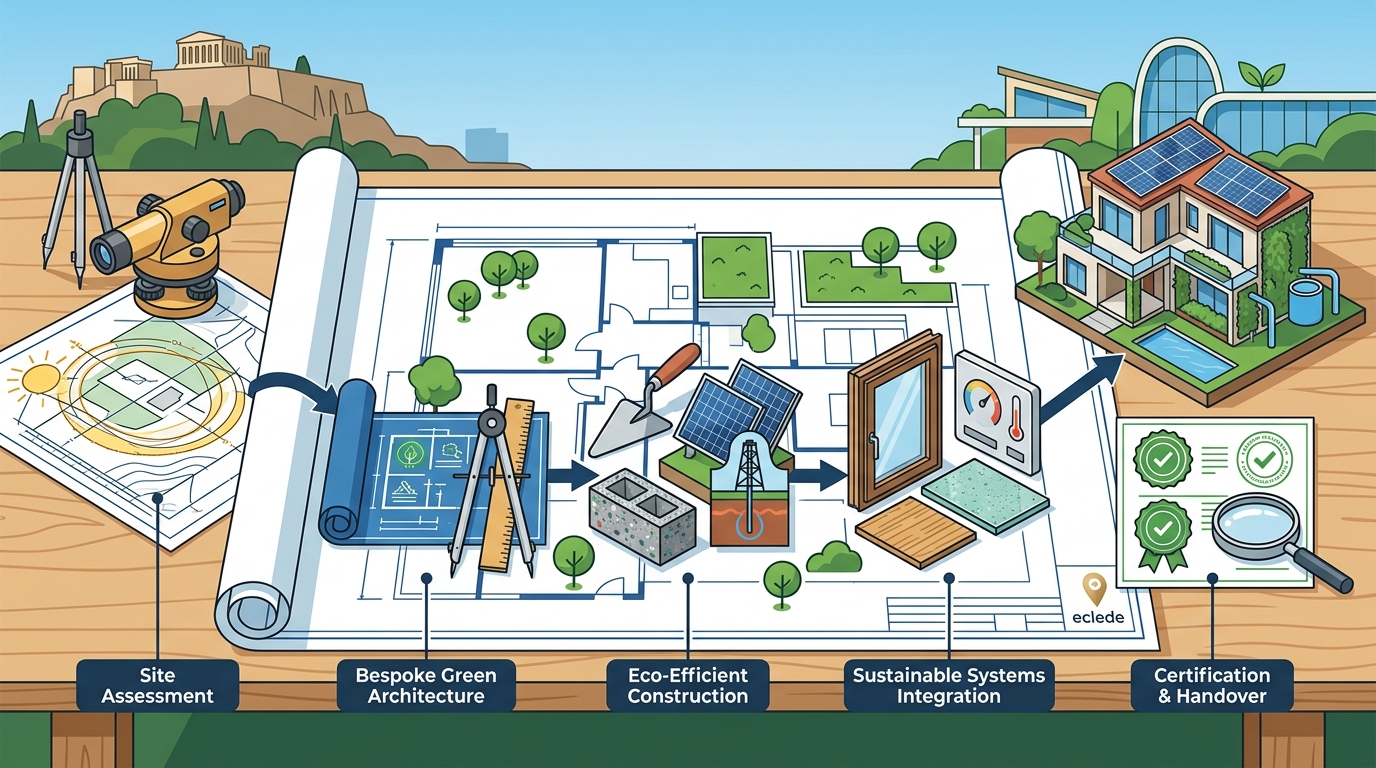
The foundation of any sustainable luxury project lies in rigorous site analysis. Athens presents unique geological and climatic challenges that must be addressed during the initial feasibility stage. Developers must evaluate soil stability, solar orientation, and prevailing wind patterns to inform the building's footprint. This phase also involves navigating the complex regulatory landscape of Greek urban planning laws.
Understanding local zoning restrictions is critical for maximizing both aesthetic potential and environmental performance. Early engagement with municipal authorities ensures that sustainability goals align with regional development codes. This proactive approach prevents costly delays and allows for innovative design solutions that respect the historical context of Athens while introducing modern ecological standards.
Furthermore, integrating landscape architecture from the outset ensures seamless integration with natural surroundings. This holistic approach enhances human experience and environmental harmony, creating a property that feels organic to its location. The goal is to create spaces that elevate quality of life while setting new standards for responsible luxury.
Phase 2: Architectural Integration and Passive Design
Passive design principles are the cornerstone of energy-efficient construction. By optimizing the building envelope, developers can significantly reduce the reliance on mechanical heating and cooling systems. This involves strategic window placement, thermal mass utilization, and advanced insulation techniques.
Optimizing Solar Orientation
In the Mediterranean climate, controlling solar gain is paramount. South-facing facades should be designed to maximize winter solar heat gain while minimizing summer overheating. This is achieved through the use of overhangs, louvers, and high-performance glazing. The result is a home that maintains thermal comfort year-round with minimal energy input.
Thermal Envelope Integrity
A continuous thermal envelope prevents heat loss in winter and heat gain in summer. This requires meticulous attention to detail in construction, eliminating thermal bridges that compromise efficiency. High-quality insulation materials, such as aerogel or vacuum insulated panels, offer superior performance in space-constrained urban environments like Athens.
Natural Ventilation Strategies
Strategic placement of operable windows and ventilation shafts promotes cross-ventilation. This natural airflow reduces humidity and improves indoor air quality, which is essential for luxury living. It also decreases the load on air conditioning systems, contributing to overall energy savings.
Phase 3: Sustainable Material Sourcing and Supply Chain
The environmental impact of a building is largely determined by the materials used in its construction. Sustainable luxury is not just about operational energy but also embodied carbon. Developers must prioritize materials with low environmental footprints and high durability.
Local and Recycled Materials
Using locally sourced materials reduces transportation emissions and supports the regional economy. Recycled steel, reclaimed wood, and sustainable concrete alternatives are excellent choices for high-end finishes. These materials offer unique aesthetic qualities that appeal to discerning buyers while minimizing ecological impact.
Low-VOC Finishes
Indoor air quality is a key component of luxury. Low-volatile organic compound (VOC) paints, adhesives, and sealants ensure a healthy living environment. This attention to detail reflects a commitment to resident well-being and long-term property value.
Supply Chain Transparency
Verifying the sustainability credentials of suppliers is essential. Developers should require documentation of ethical sourcing practices and environmental certifications. This transparency builds trust with clients and aligns the project with global sustainability standards.
Phase 4: Energy Systems and Net Zero Infrastructure
Achieving Net Zero Energy status requires a robust integration of renewable energy systems and smart building technologies. This phase transforms the building from a passive consumer of energy into an active producer and manager of power.
Photovoltaic Integration
Athens enjoys abundant sunshine, making solar energy an ideal choice. Building-integrated photovoltaics (BIPV) can be incorporated into roofs, facades, and even windows. This seamless integration maintains architectural integrity while generating clean electricity. The excess energy can be stored in battery systems for use during peak hours or exported to the grid.
Smart Home Automation
Intelligent control systems monitor and optimize energy usage in real-time. Sensors adjust lighting, heating, and cooling based on occupancy and environmental conditions. This level of automation enhances convenience for residents while ensuring maximum efficiency.
Water Conservation Systems
Sustainable luxury also encompasses water management. Rainwater harvesting and greywater recycling systems reduce reliance on municipal water supplies. Low-flow fixtures and drought-resistant landscaping further minimize water consumption, contributing to the overall sustainability profile of the property.
Phase 5: Certification, Handover, and Asset Value
Obtaining recognized sustainability certifications validates the performance of the building and enhances its marketability. These certifications provide third-party verification of energy efficiency, indoor air quality, and environmental responsibility.
LEED and BREEAM Standards
LEED (Leadership in Energy and Environmental Design) and BREEAM (Building Research Establishment Environmental Assessment Method) are globally recognized standards. Achieving Platinum or Gold status signals a commitment to excellence. For instance, the first LEED Platinum residential project in Greece set a new benchmark for sustainable luxury living in the region.
Performance Monitoring
Post-occupancy monitoring ensures that the building performs as designed. Data collected from smart systems can be used to fine-tune operations and identify areas for improvement. This ongoing optimization maintains high performance levels over the life of the building.
Long-Term Investment Value
Sustainable homes command higher resale values and lower operating costs. Buyers are increasingly willing to pay a premium for properties that offer energy independence and environmental stewardship. This trend is supported by data showing that green-certified buildings appreciate faster than conventional properties.
Key Takeaways
- Regulatory Alignment: Early engagement with Athens municipal authorities ensures compliance and prevents delays.
- Passive Design: Optimizing solar orientation and thermal envelopes reduces energy demand by up to 50%.
- Material Sourcing: Prioritizing local and low-carbon materials significantly lowers embodied carbon.
- Net Zero Potential: Integrated photovoltaics and smart systems enable energy independence.
- Certification Impact: LEED Platinum status enhances brand authority and market value.
- Market Demand: Over 40% surge in demand for green luxury properties in the Mediterranean.
- Long-Term Value: Sustainable homes offer lower operating costs and higher resale appreciation.
Frequently Asked Questions
What is the primary benefit of sustainable luxury homes in Athens?
The primary benefit is the combination of reduced operational costs and enhanced asset value through energy efficiency and environmental responsibility.
How does passive design contribute to energy savings?
Passive design minimizes the need for mechanical heating and cooling by optimizing the building envelope and solar orientation.
Is LEED certification necessary for sustainable luxury developments?
While not legally required, LEED certification provides third-party validation of performance and significantly boosts market credibility.
What role does smart home technology play in sustainability?
Smart technology optimizes energy usage in real-time, ensuring that resources are used efficiently and waste is minimized.
How do you ensure indoor air quality in luxury homes?
By using low-VOC materials, implementing advanced ventilation systems, and conducting regular air quality monitoring.
What are the key challenges in Athens for sustainable construction?
Challenges include navigating complex zoning laws, managing heat gain in summer, and sourcing high-quality sustainable materials locally.
Can existing buildings in Athens be retrofitted for sustainability?
Yes, existing buildings can be retrofitted with improved insulation, solar panels, and smart systems to enhance their environmental performance.
Start Your Sustainable Development Project
Transforming the vision of a sustainable luxury home into reality requires expertise, precision, and a commitment to excellence. At ECLÉDE, we specialize in creating high-performance, environmentally responsible developments that redefine modern living. Our multidisciplinary approach bridges technical precision with creative vision, ensuring that each project is both aesthetically refined and functionally intelligent.
Whether you are developing a Net Zero Energy Building or a sustainable luxury residence, our team is ready to guide you through every phase of the process. From strategic site analysis to final certification, we deliver long-term value and environmental integrity. Contact us today to discuss your project and discover how we can help you achieve your sustainability goals.
Contact ECLÉDE to schedule a consultation and explore our portfolio of award-winning sustainable developments.