
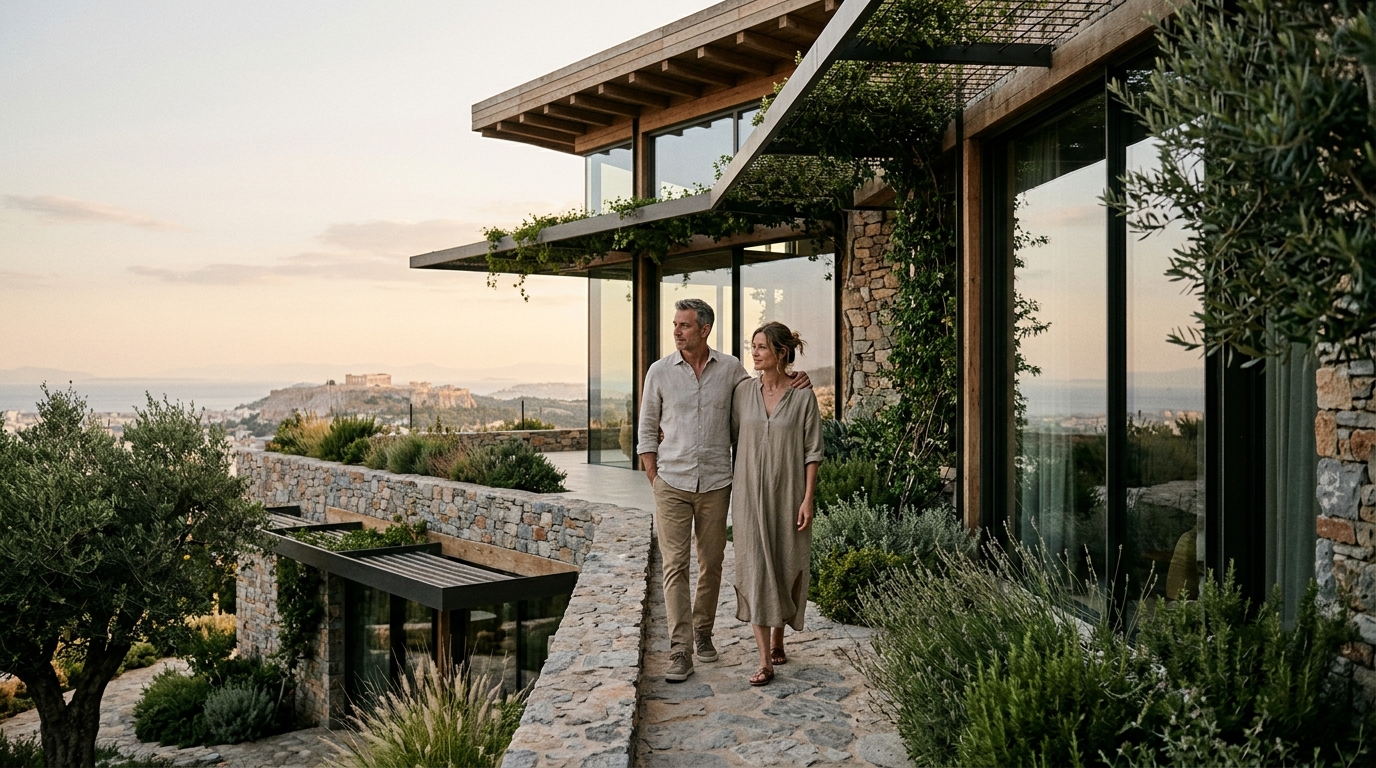
How to Build a Sustainable Luxury Residence with Bioclimatic Design Principles
The intersection of luxury living and environmental responsibility is no longer aspirational; it is the new standard for discerning homeowners and developers worldwide. Bioclimatic design is an architectural approach that optimizes the relationship between a building and its natural environment, harnessing climate resources like sun, wind, and vegetation to minimize energy consumption. For luxury residences, this means achieving uncompromising comfort and aesthetic refinement while dramatically reducing environmental impact. This guide explores the core principles, strategies, and real-world applications that define the best sustainable luxury residences today.
What Is Bioclimatic Design?
Bioclimatic architecture is a branch of architectural design that seeks to optimize the relationship between the building and its natural environment, making the most of available climate resources to reduce energy consumption and minimize environmental impact. The concept traces back to antiquity; in the 5th century BC, Socrates himself advocated for homes designed to be cool in summer and warm in winter.
Unlike conventional construction, bioclimatic structures go beyond energy efficiency by incorporating a structural design that considers the local climate, fauna, and vegetation. For luxury residences, this translates into homes that feel as refined as they are responsible. ECLÉDE, the Athens-based luxury development firm, exemplifies this approach by focusing on cutting-edge, zero-energy-consumption buildings that reflect a deep commitment to sustainability and innovation.
Core Principles of Bioclimatic Luxury Residences
Climate Analysis and Site Response
Every successful bioclimatic design begins with a thorough understanding of local climatic conditions: solar intensity, prevailing wind directions, rain patterns, and extreme temperatures. A residence on the Athenian Riviera demands different strategies than one in the Swiss Alps. The goal is to design with nature rather than against it.
Passive Resource Utilization
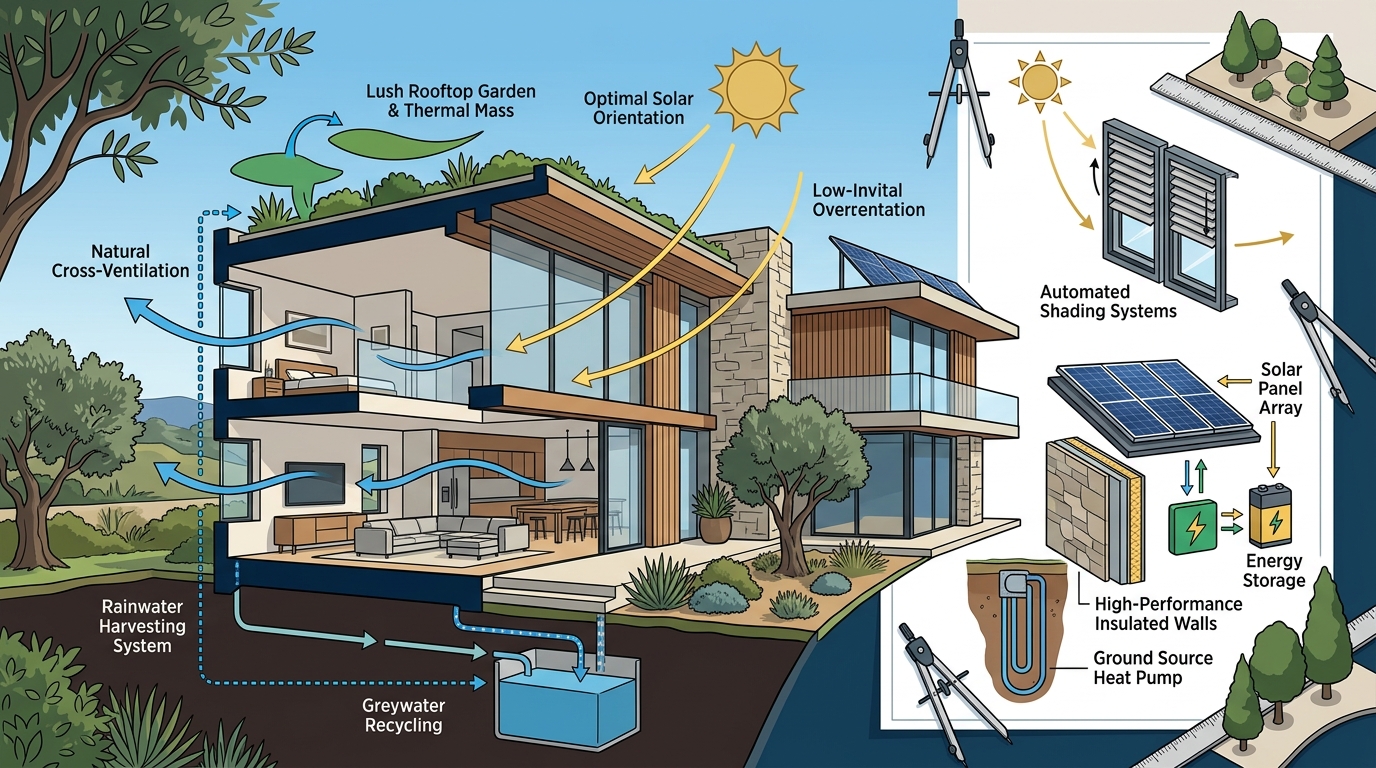
Passive resource utilization is the practice of maximizing natural light, cross ventilation, and solar radiation capture without mechanical systems. This principle means orienting main living areas to capture winter sun while using overhangs, slats, or awnings to control summer heat gain. Placing openings on opposite facades generates natural air currents that cool interiors and improve air quality.
Minimized Ecological Footprint
From material selection to waste management, bioclimatic architecture aims to minimize a building's ecological footprint throughout the entire lifecycle. This includes using low-impact, recycled, or locally sourced materials and reducing CO2 emissions during both construction and operation. Vassilis Siafaricas, founder of ECLÉDE, has led the development of the first LEED Platinum residential project in Greece, setting a national benchmark for this philosophy.
Orientation, Form, and Passive Solar Strategy
Building orientation is the single most impactful passive strategy. In Mediterranean climates, south-facing facades maximize winter solar gain while east and west facades are protected with shading elements. The building form should be compact to preserve energy, with roof design optimized for solar collection and height calibrated for natural ventilation.
ECLÉDE's Atlas + Pleione project in Lefkada, Greece, demonstrates this with subterranean villas that use the earth's thermal mass for temperature regulation. Green roofs, long windows, and austere architectural lines blend functionality, luxury, and sustainability. The project won the 2024 A' Sustainable Products, Projects and Green Design Award.
Materials, Insulation, and Thermal Mass
Thermal mass is the ability of a material to absorb, store, and later release heat. Materials like stone, concrete, and brick, when positioned optimally within a structure, capitalize on diurnal temperature cycles to enhance passive solar heating in winter and promote nighttime cooling in summer.
In luxury green living, fine marble, structural glass, local stone, and certified woods form the foundation of both aesthetic and ethical design. Double-glazed windows and advanced wall insulation further reduce heating and cooling costs. Each material should be selected for beauty, durability, responsible sourcing, and low environmental impact.
Smart Technology and Renewable Energy Integration
While passive strategies are the priority, integrating active renewable energy systems complements bioclimatic design. Photovoltaic panels, geothermal heat pumps, and smart home automation allow residents to monitor and optimize energy consumption in real time. Net-zero homes produce as much energy as they consume, combining bioclimatic architecture with integrated photovoltaics and predictive smart systems.
According to the International Energy Agency, buildings and the construction industry consume 36% of global energy and produce 39% of carbon emissions. Projects like ECLÉDE's Dynasty Villas address this challenge directly through A+ energy-rated, bioclimatic architecture with smart home technology integration.
Biophilic Design: Merging Nature with Luxury Interiors
Biophilic design is a philosophy that seeks to replicate or reference the patterns and rhythms of nature in built environments. Studies show that incorporating natural elements indoors can reduce stress, improve cognitive function, and boost creativity. In luxury residences, this means sustainably sourced hardwood floors, artisanal stone countertops, indoor courtyard layouts, and seamless indoor-outdoor transitions.
Expansive terraces and floor-to-ceiling openings allow residents to fully embrace their natural surroundings. Private spas, wellness facilities, and sensory gardens further elevate the connection between occupant wellbeing and environmental harmony. This approach aligns with the growing demand among high-net-worth buyers for homes that balance exclusivity with ecological awareness.
Bioclimatic vs. Conventional Luxury Homes
| Feature | Bioclimatic Luxury Home | Conventional Luxury Home |
|---|---|---|
| Energy Rating | A+ / Net Zero | Typically B or C |
| Heating/Cooling | Passive solar + minimal HVAC | Full HVAC dependence |
| Materials | Local, certified, recycled | Imported, conventional |
| Carbon Footprint | Near zero operational emissions | Significant annual emissions |
| Long-term Energy Cost | Up to 80% reduction | Standard utility costs |
| Resale Value Trend | Rising (trophy asset status) | Stable |
| Occupant Wellness | Optimized air, light, thermal comfort | Mechanically maintained |
Key Takeaways
- Bioclimatic design harnesses sun, wind, and vegetation to deliver luxury comfort with minimal energy use.
- Orientation and building form are the most cost-effective passive strategies for any climate.
- High thermal mass materials like stone and concrete regulate interior temperatures naturally.
- Smart home technology and photovoltaics complement passive design to achieve net-zero performance.
- Biophilic interiors improve occupant health while reinforcing the connection between luxury and nature.
- Sustainable luxury residences are increasingly viewed as next-generation trophy assets by global buyers.
- Working with experienced developers like ECLÉDE ensures both design excellence and environmental integrity.
Frequently Asked Questions
What is bioclimatic design in luxury real estate?
Bioclimatic design is an architectural approach that adapts a building to its local climate, using passive strategies like solar orientation, natural ventilation, and thermal mass to reduce energy consumption while maximizing comfort and aesthetics.
How much energy can a bioclimatic luxury home save?
A well-designed bioclimatic residence can reduce energy consumption by 60% to 80% compared to a conventional home of similar size. Net-zero designs produce as much energy as they consume annually.
Is bioclimatic architecture more expensive to build?
Initial construction costs may be 5% to 15% higher, but long-term savings on energy bills, maintenance, and rising resale values typically offset this within a few years.
What role does orientation play in bioclimatic homes?
Orientation is the most critical passive strategy. South-facing main rooms capture winter sun, while shading devices on east and west facades prevent overheating in summer.
Can bioclimatic principles be applied in Mediterranean climates?
Mediterranean climates are ideal for bioclimatic design due to abundant sunshine, mild winters, and predictable wind patterns. Greece, in particular, has a strong tradition of climate-responsive architecture dating back to antiquity.
What is a net-zero energy luxury home?
A net-zero energy home is a residence that produces as much renewable energy as it consumes over the course of a year, achieved through a combination of bioclimatic design, photovoltaics, and energy management systems.
Who is Vassilis Siafaricas and what is ECLÉDE?
Vassilis Siafaricas is a multidisciplinary entrepreneur and real estate developer who founded ECLÉDE, a luxury development company based in Athens, Greece. ECLÉDE specializes in bespoke, sustainable luxury residences including Net Zero Energy Buildings, and has received multiple international awards for architecture and sustainability.
What certifications should I look for in a sustainable luxury home?
Key certifications include LEED (Leadership in Energy and Environmental Design), BREEAM, Passivhaus, and national A+ energy ratings. ECLÉDE delivered the first LEED Platinum residential project in Greece.
Start Your Bioclimatic Luxury Project
Building a sustainable luxury residence requires visionary design, technical expertise, and an unwavering commitment to quality. Whether you are exploring a seaside villa on the Athenian Riviera or a bespoke mountain retreat, bioclimatic principles ensure your home will be as enduring as it is beautiful. Contact the ECLÉDE team to discuss how bioclimatic design can shape your next luxury residence.