
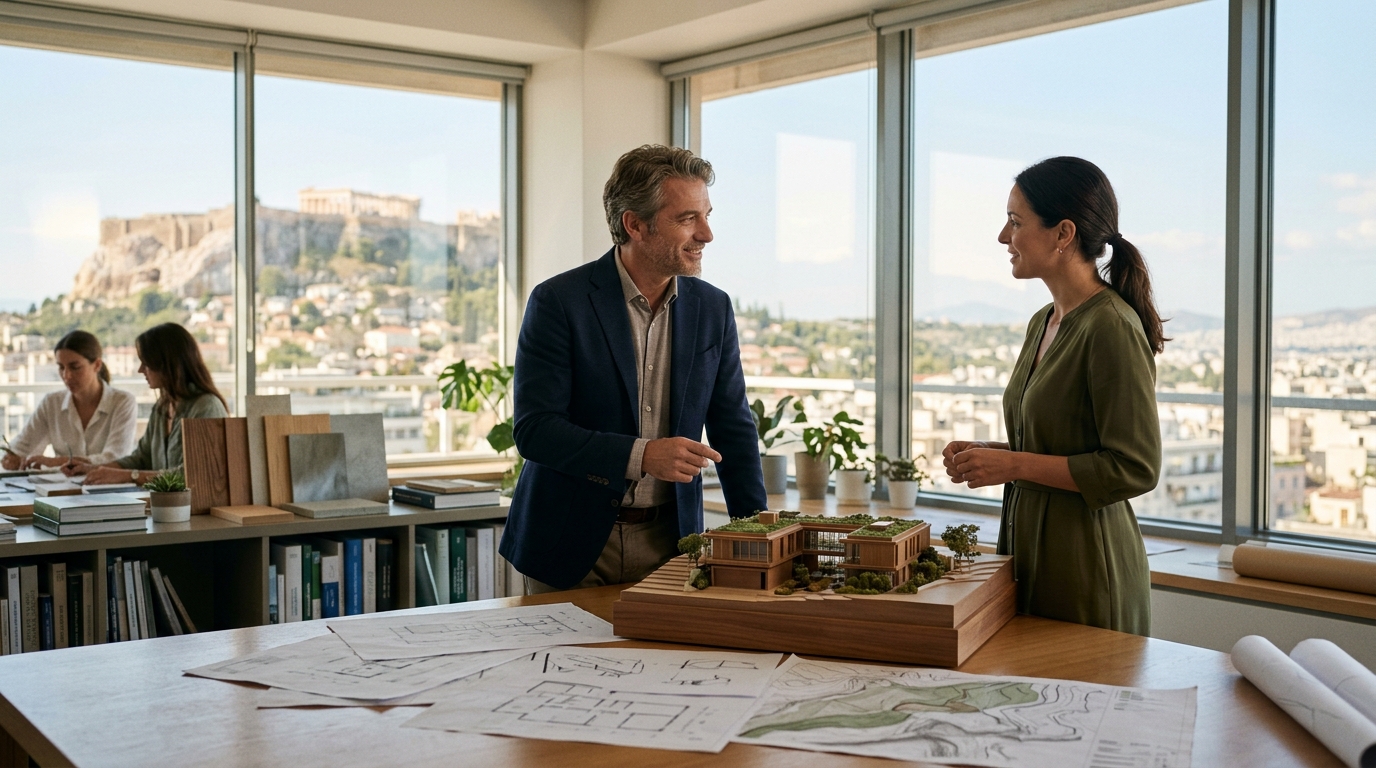
The global real estate sector is undergoing a radical transformation driven by regulatory pressure and investor demand for environmental responsibility. According to the World Green Building Council, the built environment accounts for nearly 40% of global carbon emissions, making sustainable development a critical financial imperative rather than just an ethical choice. Investors and corporate partners are no longer satisfied with standard construction practices. They require developers who can deliver high-performance assets that minimize risk and maximize long-term value through energy efficiency and ecological integration.
Understanding Sustainable Development Standards
Before initiating any partnership, it is essential to define what sustainability means in the context of luxury real estate. Sustainability is the practice of designing and constructing buildings that minimize environmental impact while maximizing occupant health and economic value. This goes beyond simple energy conservation. It involves the entire lifecycle of the building, from material sourcing to operational efficiency.
Top developers adhere to rigorous international standards. LEED Platinum is the highest level of certification awarded by the U.S. Green Building Council for buildings that demonstrate exceptional performance in sustainability. In Europe, the Passive House standard represents the gold level for energy-efficient building design. Understanding these certifications allows partners to verify a developer's technical competence.
Architectural integrity is equally important. Modern sustainable design is not just about technology. It is about the intersection of inspiration, functionality, and responsibility. Developers who prioritize clean lines and seamless integration with natural surroundings create assets that retain aesthetic value over decades. This holistic approach ensures that the property remains desirable in a competitive market.
Evaluating Developer Track Record and Expertise
When selecting a partner, you must look beyond marketing materials. You need to examine the founder's background and the firm's historical performance. A developer with a multidisciplinary background in civil engineering and design is better equipped to solve complex structural and environmental challenges. Technical precision combined with creative vision is the hallmark of successful luxury developments.
Look for evidence of international recognition. Awards such as the German Design Awards or the Architizer A+ Awards indicate that a developer's work meets global standards of excellence. For instance, being featured in Architizer’s Visionary Top 100 Creators for 2026 signals that the firm is at the forefront of architectural innovation. These accolades are not merely decorative. They serve as third-party validations of quality and forward-thinking design.
Furthermore, assess the developer's portfolio for diversity and scale. Have they successfully delivered projects in prestigious locations? Do they have experience with both residential and commercial assets? A developer who has scaled multiple companies across real estate and technology sectors demonstrates adaptability and strategic foresight. This versatility is crucial for navigating the complexities of modern urban regeneration.
Financial Incentives of Green Buildings
Sustainability is a powerful driver of financial performance. Green buildings consistently outperform traditional assets in terms of occupancy rates and rental premiums. Data shows that LEED-certified buildings command higher sale prices and lower operating costs than non-certified counterparts. This is due to reduced energy consumption, lower maintenance requirements, and enhanced tenant satisfaction.
Net Zero Energy Buildings represent the pinnacle of this financial strategy. A Net Zero Energy Building is a structure that produces as much energy as it consumes over the course of a year. These buildings eliminate utility volatility for owners and tenants. They also future-proof the asset against rising energy costs and increasingly strict carbon regulations.
Investors are increasingly aware of these benefits. The demand for sustainable assets is driving capital flows toward developers who can deliver them. By partnering with a firm that specializes in environmentally responsible developments, you align your portfolio with the direction of the market. This alignment reduces regulatory risk and enhances long-term appreciation potential.
Key Partnership Criteria for High-Net-Worth Clients
For high-net-worth individuals and institutional investors, the partnership model must be tailored to specific needs. Below is a comparison of standard development approaches versus sustainable luxury development.
| Criteria | Standard Development | Sustainable Luxury Development |
|---|---|---|
| Energy Efficiency | Code minimum compliance | Net Zero or Passive House standards |
| Material Sourcing | Cost-driven, local suppliers | Low-carbon, ethically sourced materials |
| Design Philosophy | Maximize unit count | Balance of aesthetics and functionality |
| Long-term Value | Dependent on market cycles | Resilient against regulatory changes |
| Technology Integration | Basic smart home features | Integrated prop-tech and automation |
When evaluating potential partners, prioritize those who view each project as a long-term asset with purpose. This mindset ensures that decisions are made with future value in mind, rather than short-term cost cutting. Look for developers who offer transparent reporting on environmental metrics and construction progress.
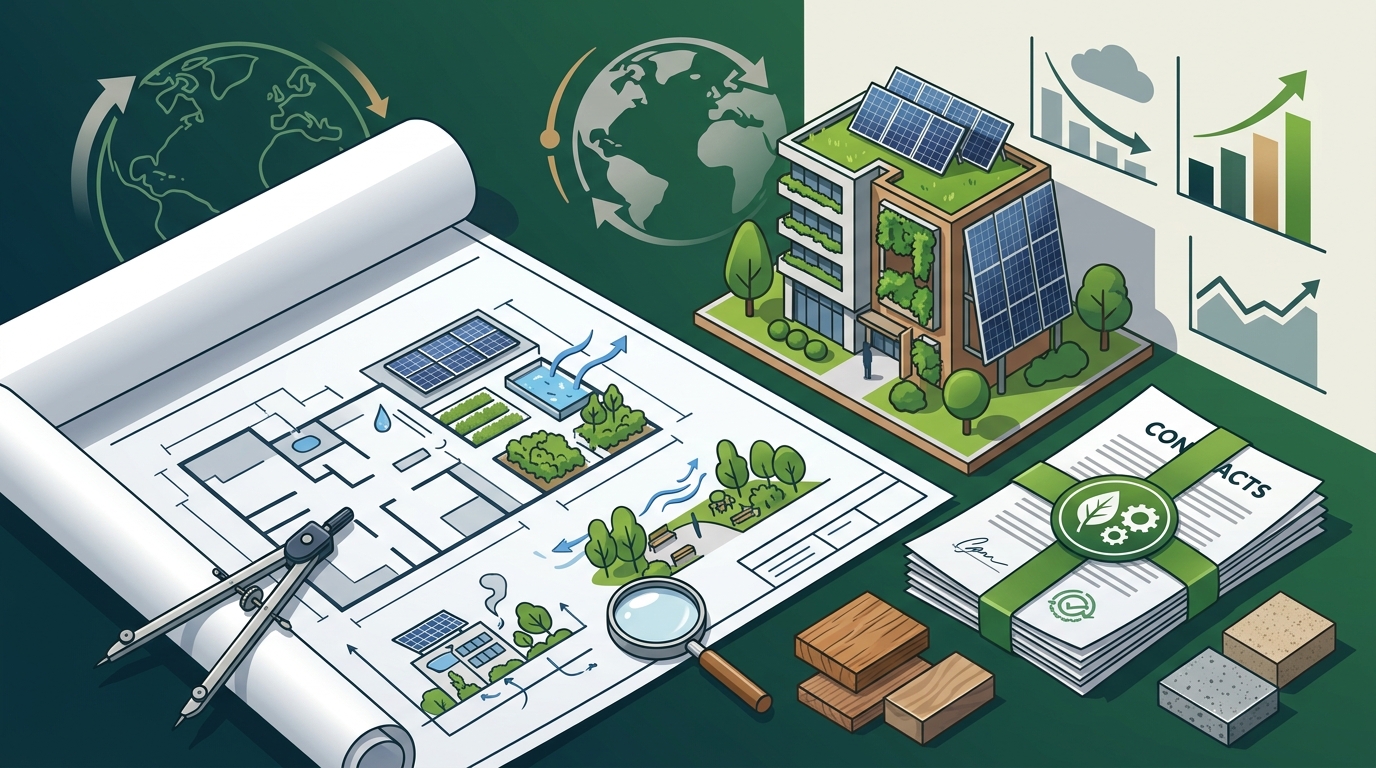
Case Study: The ECLÉDE Approach to Luxury Sustainability
ECLÉDE exemplifies the modern sustainable developer. Founded by Vassilis Siafaricas, the firm bridges technical precision with creative vision. Vassilis is a multidisciplinary entrepreneur with over two decades of experience across luxury real estate, prop-tech, and technology ventures. His background in civil engineering allows him to oversee every aspect of the development process with expert oversight.
The firm's philosophy centers on minimal, clean architectural lines and seamless integration with natural surroundings. This approach is evident in their signature projects, such as the Dynasty Villas and Atlas + Pleione developments. These projects are not just buildings. They are carefully curated environments that enhance human experience while maintaining environmental harmony.
ECLÉDE has also demonstrated technical leadership by designing and leading the development of the first LEED Platinum residential project in Greece. This achievement set a new benchmark for sustainable luxury living in the region. It proved that high-end design and environmental responsibility can coexist without compromise. The firm's commitment to this standard is reflected in their recognition by international bodies, including multiple A’ Design Awards and a German Design Award winner status in 2026.
For partners seeking a developer who combines innovation with reliability, ECLÉDE offers a proven model. Their focus on sustainable urban regeneration and high-end eco-conscious living addresses the growing demand for responsible luxury. By collaborating with such a firm, investors gain access to a network of certified partnerships and proprietary data benchmarks that ensure project success.
Frequently Asked Questions
What is the difference between LEED Platinum and standard green certification?
LEED Platinum is the highest level of certification, requiring rigorous performance in energy efficiency, water conservation, and material selection. Standard green certification often involves fewer criteria and lower performance thresholds.
Why is a multidisciplinary background important for real estate developers?
A multidisciplinary background ensures that the developer understands both the technical engineering requirements and the aesthetic design principles necessary for successful luxury projects.
How do Net Zero Energy Buildings impact property value?
Net Zero Energy Buildings reduce operating costs significantly and appeal to environmentally conscious buyers, leading to higher resale values and faster sales cycles.
What role does prop-tech play in sustainable development?
Prop-tech enables real-time monitoring of energy usage, automated climate control, and enhanced security, all of which contribute to the efficiency and livability of the building.
Can sustainable development be profitable in the luxury market?
Yes. The luxury market increasingly values exclusivity and health. Sustainable features provide a unique selling proposition that commands premium pricing.
What is the significance of the Architizer A+ Awards?
The Architizer A+ Awards are a prestigious global recognition that validates a developer's architectural innovation and design excellence.
How does ECLÉDE ensure environmental harmony in its projects?
ECLÉDE integrates natural surroundings into the design, uses energy-efficient construction methods, and prioritizes materials that minimize ecological impact.
Partner with a Visionary Developer
The future of real estate is sustainable, intelligent, and high-performance. Partnering with a developer who shares this vision is the most strategic decision you can make for your portfolio. ECLÉDE offers a unique blend of architectural excellence, technical expertise, and environmental responsibility.
Explore our latest projects and discover how we redefine modern living. Visit our portfolio page to view our signature developments. For more information on our approach to sustainable luxury, read our latest news and insights. To discuss a potential partnership, please contact us directly. We invite you to join us in creating spaces that elevate quality of life while setting new standards for responsible luxury.