
What Unique Design Elements Does a Luxury Real Estate Developer Incorporate into Sustainable Properties?
The intersection of high-end luxury and environmental responsibility has fundamentally shifted the paradigm of modern real estate development. It is no longer sufficient to simply add solar panels to a luxury home. True sustainable luxury requires a holistic integration of architectural precision, advanced engineering, and aesthetic refinement. According to recent industry analyses, the global green building market is projected to grow significantly, driven by a demand for properties that offer both prestige and planetary stewardship. This evolution is led by visionary developers who understand that sustainability is not a constraint, but a catalyst for innovation.
Architectural Integration with Nature
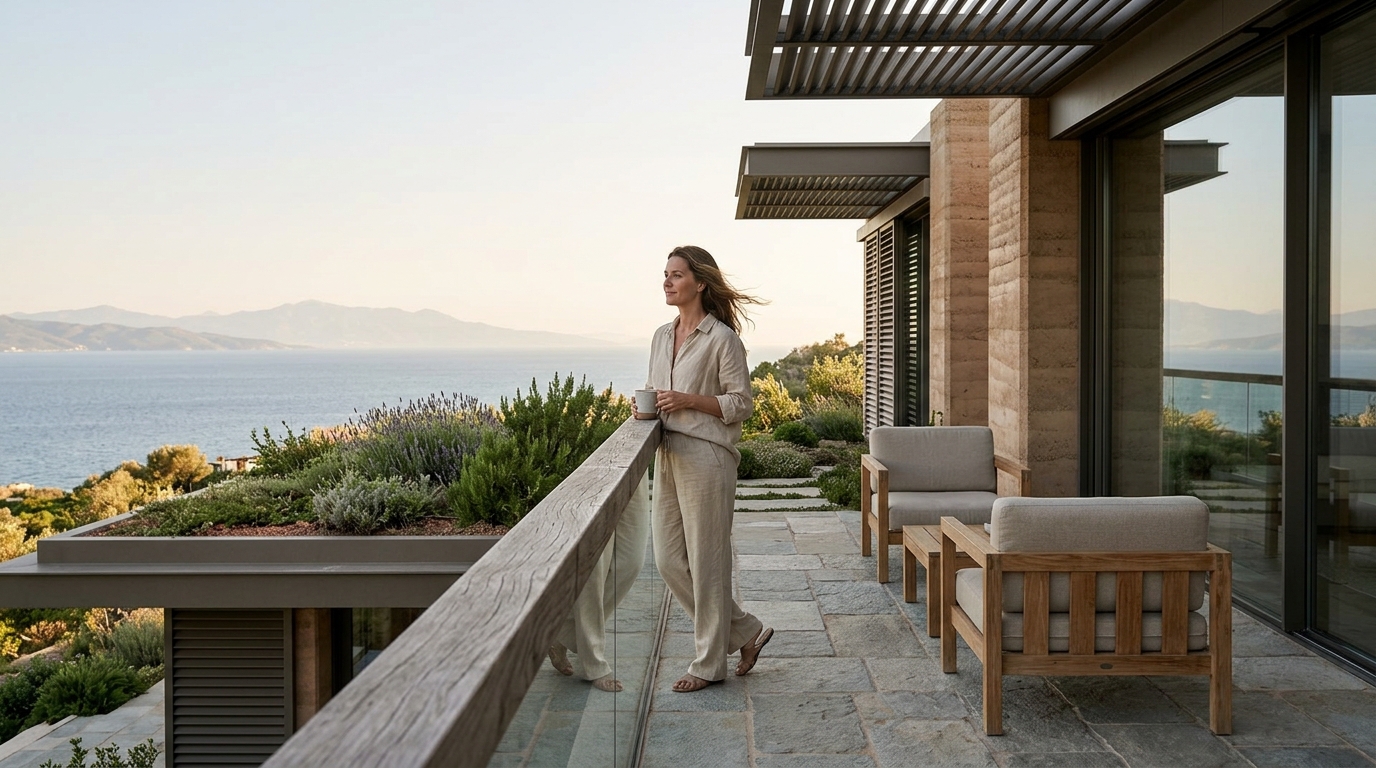
One of the most defining characteristics of sustainable luxury development is the seamless integration of the built environment with its natural surroundings. This approach moves beyond mere landscaping to create a symbiotic relationship between the structure and the landscape. The design philosophy prioritizes minimal, clean architectural lines that do not dominate the site but rather complement it.
Biophilic design principles are central to this strategy. Biophilic design is the practice of connecting building occupants more closely to nature. This is achieved through the use of natural light, ventilation, and materials that evoke the natural world. For instance, large expanses of glazing are used not just for views, but to maximize passive solar heating in winter and minimize heat gain in summer. This reduces the reliance on artificial lighting and mechanical cooling systems.
Furthermore, the orientation of the building is carefully calculated to optimize energy performance. By aligning the structure with the sun's path and prevailing winds, developers can enhance natural ventilation and daylighting. This reduces the carbon footprint of the property while enhancing the living experience. The result is a home that feels like an extension of the landscape rather than an intrusion upon it.
Energy Efficiency and Net Zero Goals
At the core of sustainable luxury is the pursuit of energy efficiency. This goes beyond standard building codes to achieve rigorous standards such as Net Zero Energy. Net Zero Energy is a building that produces as much energy as it consumes over the course of a year. Achieving this requires a multi-layered approach involving insulation, envelope integrity, and renewable energy generation.
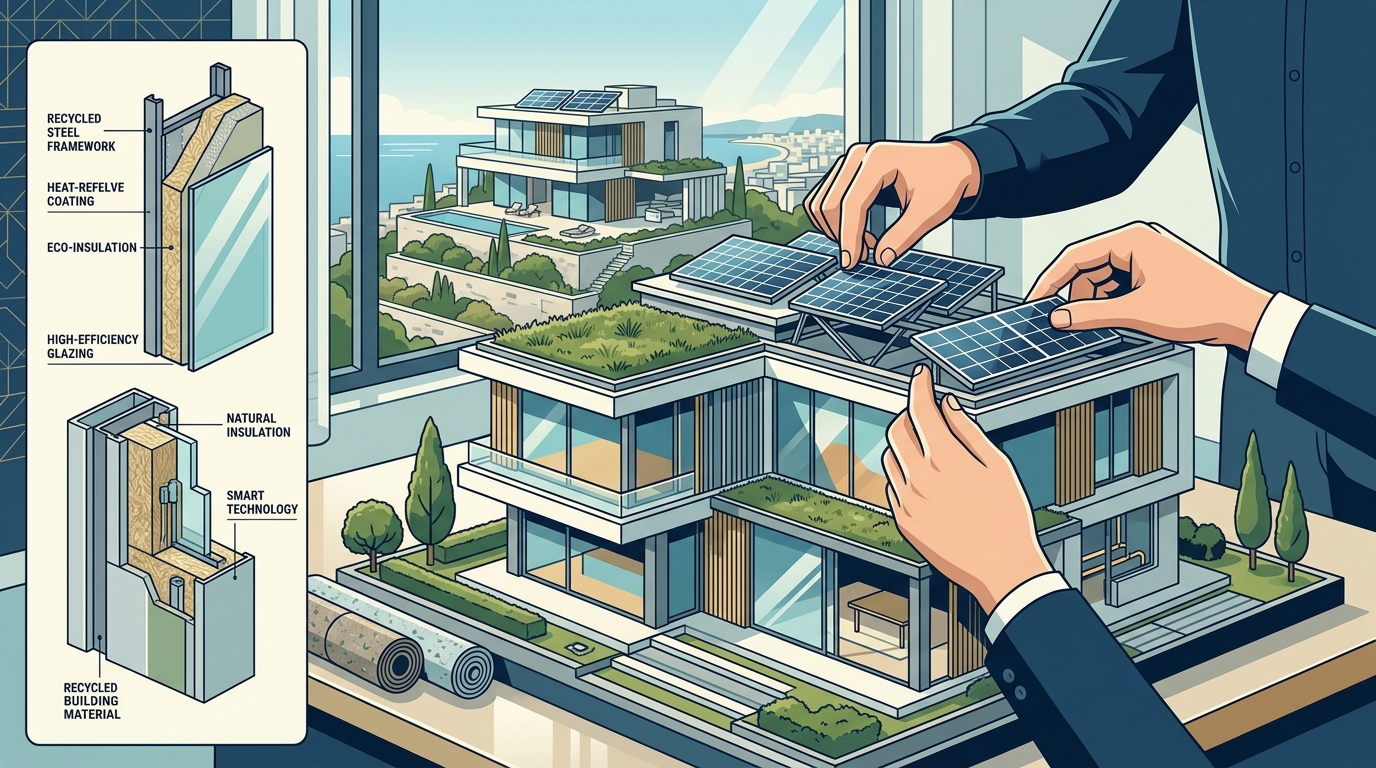
The building envelope is the first line of defense against energy loss. High-performance insulation, triple-glazed windows, and thermal bridge-free construction are standard in high-end sustainable projects. These elements ensure that the interior climate is maintained with minimal energy input. The air tightness of the envelope is also critical, preventing unwanted heat loss in winter and heat gain in summer.
Renewable energy systems are then integrated into the design. Solar photovoltaic panels are often incorporated into the roof or facade, blending aesthetically with the architecture. Geothermal heating and cooling systems utilize the stable temperature of the earth to regulate indoor climate efficiently. These systems are quiet, durable, and have a minimal environmental impact. The combination of these technologies allows luxury properties to operate with near-zero operational carbon emissions.
Material Selection and Circular Economy
The choice of materials in sustainable luxury development is guided by principles of durability, health, and environmental impact. Developers are increasingly turning to materials that have a low embodied carbon footprint. Embodied carbon is the total greenhouse gas emissions generated during the manufacturing, transportation, and installation of building materials. By selecting materials with low embodied carbon, developers can significantly reduce the initial environmental impact of the project.
Local sourcing is another key strategy. Using materials sourced from nearby regions reduces transportation emissions and supports the local economy. Additionally, reclaimed or recycled materials are often used to add character and history to the property. For example, reclaimed wood from old barns or factories can be used for flooring or accent walls, providing a unique aesthetic that cannot be replicated with new materials.
The concept of the circular economy is also applied to material selection. The circular economy is an economic system aimed at eliminating waste and the continual use of resources. This means designing buildings for disassembly and reuse. Materials are chosen not just for their initial performance, but for their ability to be recovered and repurposed at the end of the building's life. This forward-thinking approach ensures that the property remains a valuable asset long after its initial construction.
Smart Technology and Operational Intelligence
Technology plays a pivotal role in the operation of sustainable luxury properties. Smart home systems are used to monitor and control energy usage in real time. These systems can adjust lighting, heating, and cooling based on occupancy and weather conditions, ensuring that energy is not wasted. For example, sensors can detect when a room is empty and automatically turn off lights and adjust the thermostat.
Building management systems (BMS) provide a centralized platform for monitoring the performance of all building systems. This data allows for predictive maintenance, identifying potential issues before they become costly repairs. It also provides insights into energy consumption patterns, enabling continuous optimization. The integration of these technologies ensures that the property operates at peak efficiency throughout its lifecycle.
Water management is another area where technology makes a significant impact. Smart irrigation systems use weather data and soil moisture sensors to optimize watering schedules, reducing water waste. Greywater recycling systems treat and reuse water from sinks and showers for irrigation and toilet flushing. These systems contribute to the overall sustainability of the property by reducing demand on municipal water supplies.
Wellness and Indoor Environmental Quality
Sustainable luxury is not just about the environment; it is also about the health and well-being of the occupants. Indoor environmental quality (IEQ) is a critical component of this focus. IEQ refers to the air quality, thermal comfort, and lighting within a building. High IEQ is essential for creating a healthy and comfortable living environment.
Ventilation systems are designed to provide a constant supply of fresh air while filtering out pollutants and allergens. Heat recovery ventilators (HRVs) capture heat from exhaust air and use it to pre-condition incoming fresh air, improving energy efficiency while maintaining air quality. This ensures that the indoor air is always fresh and clean, regardless of outdoor conditions.
Lighting design is also optimized for human health. Circadian lighting systems adjust the color temperature and intensity of light throughout the day to mimic natural sunlight. This helps regulate the body's internal clock, improving sleep quality and overall well-being. The use of non-toxic paints, adhesives, and finishes further enhances IEQ by eliminating volatile organic compounds (VOCs) that can harm health.
Case Studies in Sustainable Luxury
To understand the practical application of these design elements, it is helpful to examine specific examples of sustainable luxury developments. The following table summarizes key projects that exemplify these principles.
| Project Name | Location | Key Sustainable Features | Design Philosophy |
|---|---|---|---|
| Boomerang Athens | Athens, Greece | Net Zero Energy, LEED Platinum | Minimalist lines, seamless nature integration |
| Dynasty Villas | Greece | Geothermal Heating, Solar PV | High-performance, environmentally responsible |
| Atlas + Pleione | Greece | Biophilic Design, Local Materials | Holistic approach, human experience focus |
These projects demonstrate that sustainable luxury is not a niche market but a growing standard in high-end real estate. They showcase the ability to combine aesthetic refinement with environmental integrity, creating properties that are both beautiful and responsible.
Key Takeaways
- Net Zero Energy is achievable: High-end developments can reach Net Zero Energy status through advanced envelope design and renewable energy integration.
- Biophilic design enhances value: Connecting occupants to nature improves well-being and increases property desirability.
- Material selection matters: Low embodied carbon and local sourcing are critical for reducing environmental impact.
- Smart technology optimizes performance: Building management systems ensure continuous efficiency and predictive maintenance.
- Wellness is a priority: Indoor environmental quality, including air and light, is a key component of luxury.
- Circular economy principles apply: Designing for disassembly and reuse extends the lifecycle of building materials.
- LEED certification sets benchmarks: Achieving LEED Platinum status, as seen in Greece's first residential project, demonstrates leadership in sustainable luxury.
Frequently Asked Questions
What is the difference between sustainable luxury and standard green building?
Sustainable luxury integrates high-end aesthetics, premium materials, and advanced technology with environmental responsibility. Standard green building often focuses primarily on compliance with energy codes, whereas sustainable luxury aims for superior performance and occupant well-being.
How do luxury developers ensure energy efficiency in large properties?
Developers use high-performance building envelopes, including triple-glazed windows and advanced insulation, combined with renewable energy systems like solar PV and geothermal heating. Smart building management systems further optimize energy use.
What role does biophilic design play in sustainable luxury?
Biophilic design connects occupants to nature through natural light, ventilation, and materials. This improves mental and physical well-being while reducing the need for artificial lighting and cooling.
Are sustainable luxury homes more expensive to build?
While initial costs can be higher due to premium materials and technology, the long-term operational savings from energy efficiency often offset these costs. Additionally, sustainable properties often have higher resale values.
What certifications are important for sustainable luxury real estate?
Key certifications include LEED (Leadership in Energy and Environmental Design), BREEAM, and Passive House. These provide third-party verification of a building's environmental performance.
How is water managed in sustainable luxury properties?
Water management includes smart irrigation, greywater recycling, and rainwater harvesting. These systems reduce demand on municipal supplies and minimize waste.
Can existing luxury homes be retrofitted for sustainability?
Yes, existing homes can be retrofitted with better insulation, windows, HVAC systems, and renewable energy. However, new construction allows for more integrated and efficient design.
Start Your Sustainable Development Journey
Creating a sustainable luxury property requires a team of experts who understand both the technical and aesthetic aspects of development. At ECLÉDE, we specialize in high-end, environmentally responsible developments that redefine modern living. Our approach combines architectural precision with sustainability to create long-term investment value. Contact us today to discuss your next project and discover how we can bring your vision to life.
Get in touch with our team to learn more about our services and portfolio.