
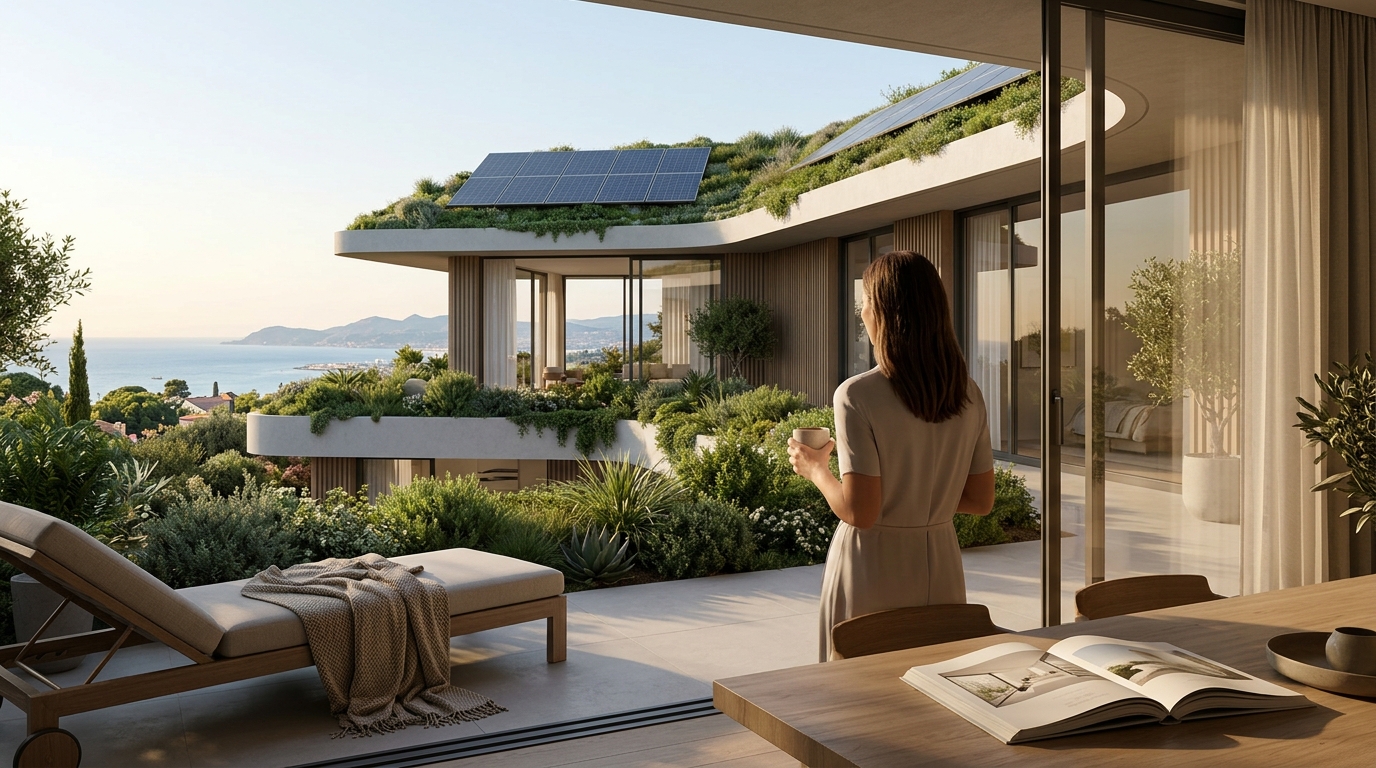
Long-Term Benefits of Sustainable and Eco-Friendly Property Investment
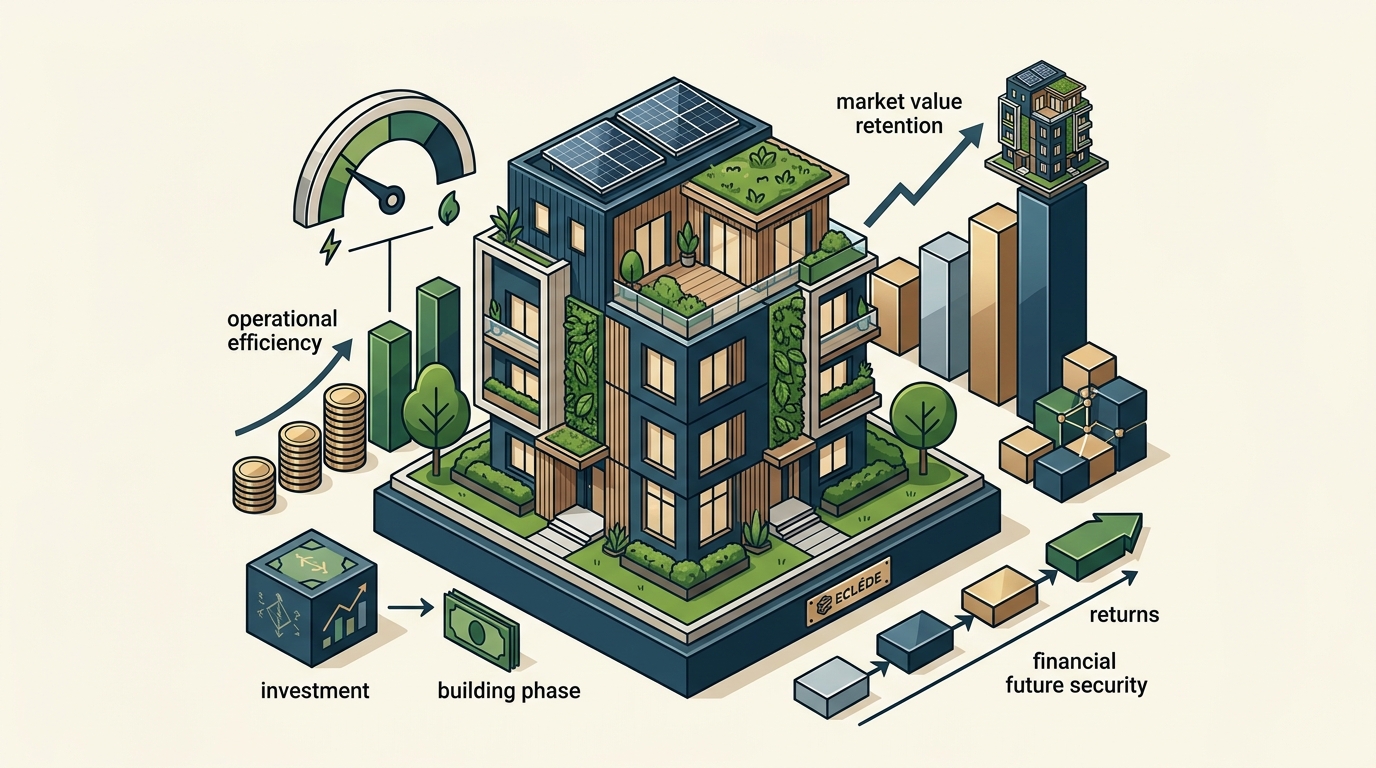
Investing in sustainable real estate is no longer a niche preference but a fundamental shift in asset management. According to recent industry analyses, green-certified buildings consistently outperform traditional properties in both market value retention and operational efficiency. This guide explores how eco-friendly investments secure your financial future while contributing to global environmental goals.
Financial Performance and Asset Value
The primary driver for sustainable property investment is its impact on long-term financial performance. Eco-friendly buildings are designed to minimize waste and maximize resource efficiency, which directly translates to higher net operating income. Investors who prioritize sustainability often see a premium in property valuations due to the reduced risk profile associated with green assets.
One of the most significant indicators of this trend is the growing demand for LEED Platinum and similar certifications. For instance, the first LEED Platinum residential project in Greece, developed by ECLÉDE, set a new benchmark for sustainable luxury living. This project demonstrates how high-end design combined with environmental responsibility creates long-term value. Such developments attract premium tenants and buyers who are willing to pay more for quality and sustainability.
Furthermore, sustainable properties often benefit from lower capital expenditure requirements over their lifecycle. While initial construction costs may be slightly higher, the long-term savings on energy, water, and maintenance offset these expenses. This approach ensures that the asset remains competitive in a market that increasingly values environmental stewardship.
Operational Efficiency and Cost Reduction
Operational efficiency is the backbone of sustainable property management. Eco-friendly buildings utilize advanced technologies and materials to reduce energy consumption and carbon emissions. This includes features like solar panels, high-performance insulation, and smart HVAC systems that optimize energy use based on real-time data.
According to data from the U.S. Green Building Council, green buildings use 25% less energy and 11% less water than conventional buildings. This reduction in resource usage leads to substantial cost savings for owners and tenants. Lower utility bills are a direct benefit that enhances the attractiveness of the property in the rental or sales market.
Additionally, sustainable properties often have longer lifespans due to the use of durable, high-quality materials. This durability reduces the frequency of repairs and replacements, further lowering operational costs. For investors, this means a more predictable and stable cash flow over the life of the investment.
Regulatory Compliance and Future-Proofing
As governments worldwide implement stricter environmental regulations, sustainable properties are better positioned to comply with these standards. Early adoption of green building practices ensures that investors avoid future penalties and retrofitting costs. This proactive approach is known as future-proofing the asset.
For example, the European Union's Building Energy Efficiency Directive requires significant improvements in building energy performance by 2030. Properties that already meet or exceed these standards will face fewer challenges during compliance audits. This regulatory foresight protects the investor from potential devaluation of non-compliant assets.
Moreover, sustainable properties often qualify for tax incentives, grants, and favorable financing terms. Many financial institutions offer green loans with lower interest rates for eco-friendly developments. These financial benefits can significantly enhance the return on investment for sustainable property projects.
Health, Wellbeing, and Tenant Retention
The health and wellbeing of occupants are critical factors in the success of sustainable properties. Green buildings prioritize indoor air quality, natural lighting, and thermal comfort, which contribute to a healthier living and working environment. Studies show that improved indoor environmental quality can enhance productivity and reduce sick days among tenants.
High tenant retention rates are a direct result of these health benefits. Tenants who value sustainability and comfort are more likely to renew their leases, reducing vacancy rates and turnover costs for investors. This stability is crucial for maintaining consistent rental income and preserving the asset's value.
Additionally, sustainable properties often foster a sense of community and responsibility among residents. Features like communal gardens, recycling programs, and energy-sharing initiatives encourage social interaction and collective environmental action. This community aspect enhances the overall appeal of the property and strengthens the brand reputation of the developer.
Comparing Traditional vs. Sustainable Assets
Understanding the differences between traditional and sustainable assets is essential for making informed investment decisions. The table below summarizes the key distinctions in terms of costs, benefits, and long-term value.
| Feature | Traditional Property | Sustainable Property |
|---|---|---|
| Initial Construction Cost | Lower | Higher |
| Operational Costs | Higher | Lower |
| Energy Efficiency | Standard | High Performance |
| Regulatory Risk | High | Low |
| Tenant Appeal | Standard | Premium |
| Long-Term Value | Stable | Appreciating |
As shown in the table, sustainable properties offer superior long-term value despite higher initial costs. The combination of lower operational expenses, regulatory compliance, and high tenant appeal makes them a more robust investment choice.
Key Takeaways
- Sustainable properties demonstrate higher asset value retention compared to traditional buildings.
- Energy-efficient designs lead to significant reductions in operational costs over time.
- Compliance with evolving environmental regulations protects against future devaluation.
- Improved indoor air quality and comfort enhance tenant health and retention rates.
- Green certifications like LEED Platinum signal premium quality and environmental responsibility.
- Financial incentives such as green loans and tax breaks improve investment returns.
- Future-proofing assets ensures long-term competitiveness in the real estate market.
Frequently Asked Questions
What is the primary financial benefit of sustainable property investment?
The primary financial benefit is the reduction in operational costs through energy and water efficiency, which increases net operating income and overall asset value.
How do sustainable buildings impact tenant retention?
Sustainable buildings improve tenant health and comfort through better air quality and thermal regulation, leading to higher satisfaction and longer lease renewals.
Are there financial incentives for investing in green real estate?
Yes, many regions offer tax credits, grants, and lower interest rates on green loans for developers and investors who build or purchase eco-friendly properties.
What is LEED Platinum certification?
LEED Platinum is the highest level of certification for green buildings, awarded for exceptional performance in energy efficiency, water conservation, and sustainable materials.
How does regulatory compliance affect property value?
Properties that meet or exceed current and future environmental regulations avoid costly retrofits and penalties, maintaining their market value and appeal.
Can sustainable properties command higher rental prices?
Yes, tenants are often willing to pay a premium for the health benefits, lower utility bills, and environmental responsibility associated with green buildings.
What role does technology play in sustainable property management?
Technology enables real-time monitoring of energy use, smart climate control, and predictive maintenance, all of which optimize efficiency and reduce waste.
Start Your Sustainable Investment Journey
Discover how ECLÉDE redefines modern living through high-end, environmentally responsible developments. Explore our portfolio of sustainable luxury residences and Net Zero Energy Buildings that offer both aesthetic refinement and long-term investment value. Visit our portfolio to see how we integrate architecture, sustainability, and functionality. Contact us today to learn more about our upcoming projects and investment opportunities. Reach out via our contact page to schedule a consultation with our team.