
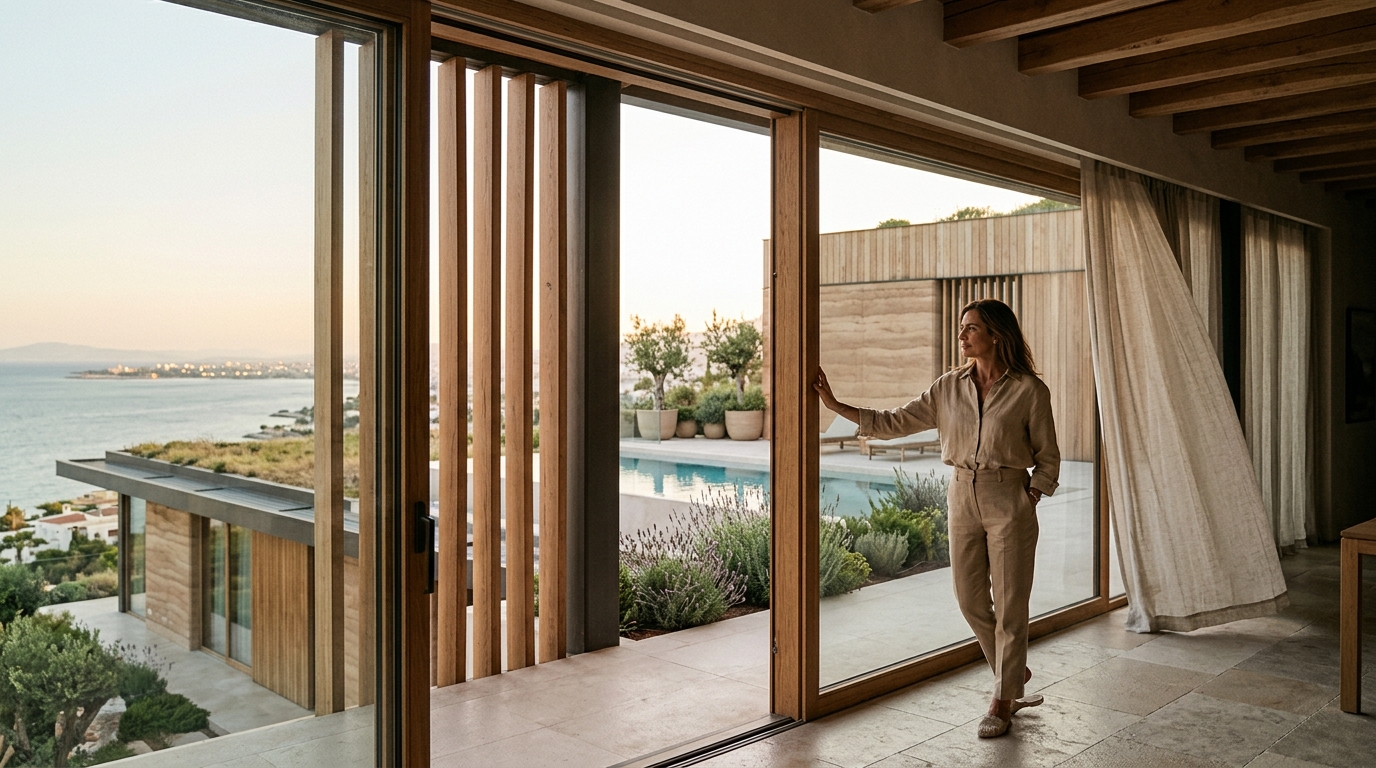
Sustainable Luxury: Key Design Features to Look for in High-End Properties
The global shift toward eco-conscious living has redefined the luxury real estate market. According to recent industry reports, sustainable homes now command a premium of up to 7% over conventional properties in major metropolitan areas. This data shows that environmental responsibility is no longer a niche preference but a core component of modern wealth preservation. Buyers are increasingly prioritizing properties that offer both aesthetic refinement and operational efficiency. The intersection of high-end design and ecological integrity creates assets that appreciate faster and retain value longer. Understanding the specific technical features that define this sector is essential for making informed investment decisions.
Energy Efficiency and Net Zero Standards
The foundation of any sustainable luxury property is its energy performance. Net Zero Energy Buildings (NZEB) represent the gold standard in this category. These structures generate as much energy as they consume annually through a combination of passive design and active renewable systems. Passive design involves orienting the building to maximize natural light and heat gain while minimizing unwanted solar exposure. This reduces the load on heating and cooling systems significantly.
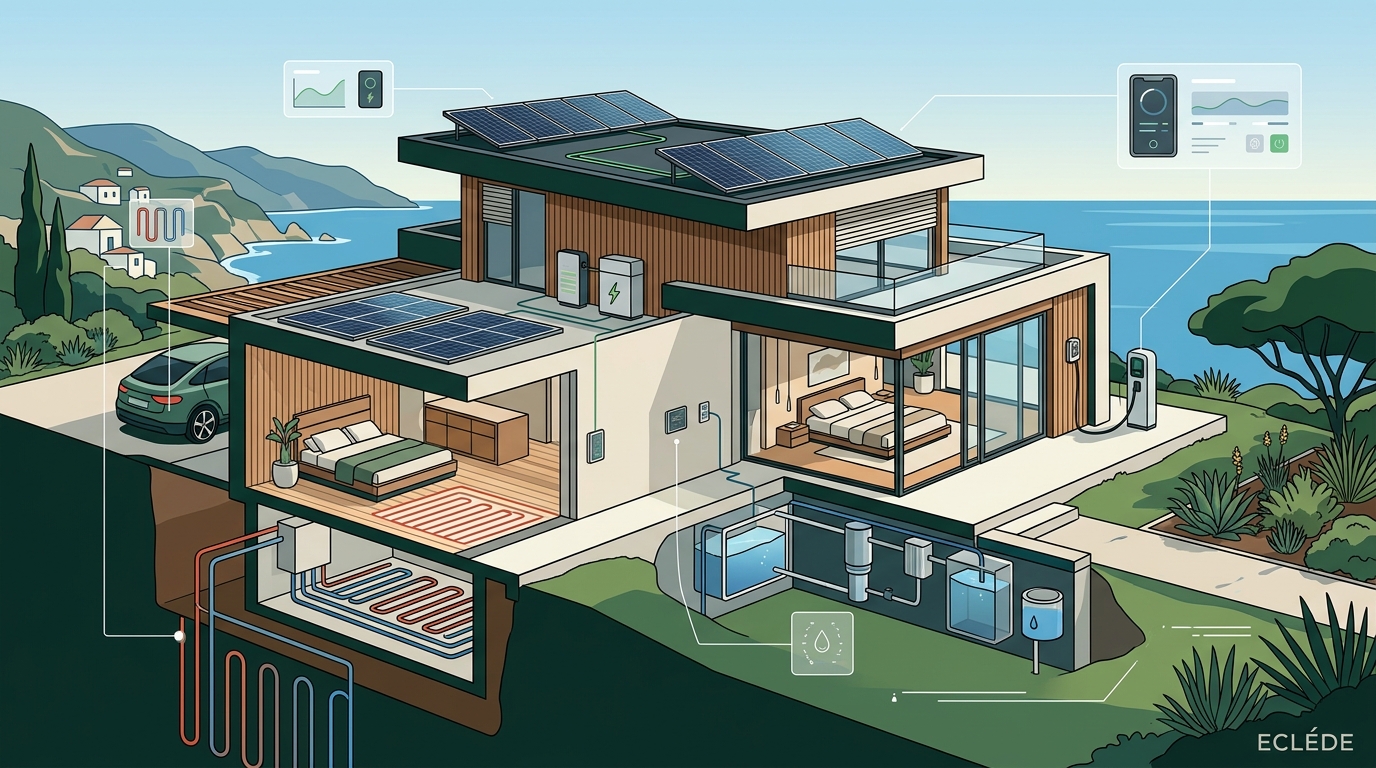
Active systems typically include rooftop solar photovoltaic arrays and geothermal heat pumps. Geothermal technology utilizes the stable temperature of the earth to regulate indoor climate with minimal electricity usage. When evaluating a property, look for certifications such as LEED Platinum or Passive House. These certifications verify that the building has undergone rigorous testing and meets strict performance criteria. Vassilis Siafaricas, founder of ECLÉDE, has championed these standards by developing the first LEED Platinum residential project in Greece. This achievement set a new benchmark for sustainable luxury living in the region.
High-performance insulation is another critical component. Advanced insulation materials reduce thermal bridging, which occurs when heat escapes through structural elements. This ensures that the interior temperature remains stable regardless of external weather conditions. The result is a home that feels consistently comfortable while drastically lowering utility bills. For more insights on sustainable development, visit the about page to understand the philosophy behind these designs.
Sustainable Material Selection
The choice of building materials profoundly impacts both the environmental footprint and the longevity of a luxury property. Sustainable materials are those that are renewable, recycled, or locally sourced to reduce transportation emissions. Cross-laminated timber (CLT) is a prominent example in modern construction. CLT is a strong, stable, and renewable engineered wood product that sequesters carbon rather than emitting it.
Recycled steel and reclaimed wood add character while diverting waste from landfills. These materials often come with unique aesthetic qualities that mass-produced alternatives cannot replicate. When selecting finishes, look for low-VOC (Volatile Organic Compounds) paints and adhesives. These products improve indoor air quality by reducing the release of harmful chemicals into the living space. The emphasis on minimal, clean architectural lines in sustainable design also reduces material waste during construction.
ECLÉDE focuses on creating high-performance developments that prioritize environmental integrity. Their approach ensures that each project is conceived as a long-term asset with purpose. You can explore their latest projects, such as Boomerang Athens, to see these material choices in action. The integration of natural surroundings is a key aspect of their portfolio, ensuring harmony between the built environment and nature.
Advanced Water Management Systems
Water scarcity is a growing concern in many luxury real estate markets. Sustainable properties address this through advanced water management systems. Greywater recycling is a common feature in high-end eco-homes. This system captures water from sinks, showers, and laundry, treating it for reuse in irrigation and toilet flushing. This can reduce household water consumption by up to 40%.
Rainwater harvesting is another essential component. Large collection systems store rainwater for landscape irrigation and non-potable uses. This reduces reliance on municipal water supplies and lowers utility costs. In arid regions, drought-resistant landscaping, known as xeriscaping, is crucial. Xeriscaping uses native plants that require minimal watering once established.
Smart irrigation controllers adjust watering schedules based on real-time weather data. This prevents overwatering and ensures that plants receive the optimal amount of moisture. These systems are often integrated into the home's central management platform. For more information on sustainable infrastructure, check the useful links section for resources on green building technologies.
Indoor Air Quality and Wellness
Wellness is a defining characteristic of luxury living. Indoor air quality (IAQ) is a critical factor in occupant health and comfort. Sustainable luxury properties utilize advanced ventilation systems with heat recovery. These systems exchange stale indoor air with fresh outdoor air while retaining thermal energy. This process maintains high air quality without compromising energy efficiency.
HEPA filtration systems are often installed in the HVAC units to remove particulate matter, allergens, and pathogens from the air. This is particularly important in urban environments where outdoor pollution can be high. Natural ventilation strategies, such as operable windows and atriums, also play a role in promoting air circulation. These design elements create a sense of connection to the outdoors while maintaining control over the indoor environment.
Biophilic design principles are frequently applied to enhance wellness. This involves incorporating natural elements like living walls, indoor gardens, and abundant natural light. These features have been shown to reduce stress and improve cognitive function. The philosophy of design at ECLÉDE centers on the intersection of inspiration, functionality, and responsibility. This approach ensures that spaces enhance human experience while maintaining environmental harmony. Learn more about the founder's vision on the founder page.
Integration of Smart Technology
Technology is the backbone of modern sustainable luxury. Smart home systems allow homeowners to monitor and control energy usage in real time. These platforms integrate lighting, HVAC, shading, and security into a single interface. Automated shading systems adjust blinds and shutters based on the sun's position. This maximizes natural light in winter and blocks heat gain in summer.
Energy monitoring dashboards provide detailed insights into consumption patterns. This data empowers homeowners to make informed decisions about their usage. For example, shifting laundry or dishwashing to times when solar production is high can further reduce grid dependence. Artificial intelligence algorithms can predict occupancy and adjust climate settings accordingly. This ensures comfort only when needed, eliminating waste.
The integration of these technologies requires careful planning and robust infrastructure. ECLÉDE's multidisciplinary expertise spans development, architecture, and innovation. This allows for a seamless integration of technical precision with creative vision. Explore the portfolio to see how technology enhances the living experience in their developments.
Comparing Sustainable Luxury Options
Not all sustainable properties are created equal. Understanding the differences between various certification levels and design approaches is crucial. The table below summarizes key features of different sustainable luxury standards.
| Feature | Standard Luxury | Green Certified Luxury | Net Zero Luxury |
|---|---|---|---|
| Energy Source | Grid Dependent | Partial Renewable | 100% On-Site/Off-Site Renewable |
| Insulation | Code Minimum | Enhanced Performance | Passive House Standard |
| Water Usage | Standard Fixtures | Low-Flow Fixtures | Greywater/Rainwater Recycling |
| Materials | Conventional | Recycled/Sustainable | Carbon-Sequestering/Local |
| Indoor Air | Standard Ventilation | Enhanced Filtration | Heat Recovery + HEPA |
As shown in the comparison, Net Zero Luxury properties offer the highest level of environmental performance. However, Green Certified Luxury homes provide a strong balance of cost and sustainability. The choice depends on the buyer's priorities and budget. For a deeper dive into these concepts, read the news section for updates on industry trends.
Key Takeaways
- Net Zero Energy Buildings generate as much energy as they consume, offering long-term financial stability.
- LEED Platinum certification verifies rigorous performance criteria, as seen in ECLÉDE's pioneering projects in Greece.
- Sustainable materials like cross-laminated timber sequester carbon and reduce the building's overall footprint.
- Greywater recycling can reduce household water consumption by up to 40%, addressing global scarcity issues.
- Smart home technology enables real-time energy monitoring and automated optimization of climate and lighting.
- Biophilic design principles enhance occupant wellness by integrating natural elements into the living space.
- Vassilis Siafaricas has received multiple international distinctions, including the German Design Awards 2026, for his work in sustainable architecture.
Frequently Asked Questions
What is the difference between LEED and Passive House certification?
LEED focuses on overall sustainability, including materials, water, and location. Passive House is a rigorous standard specifically for energy efficiency and comfort. Both are highly respected in the luxury market.
How much do sustainable features increase property value?
Studies indicate that certified green homes can sell for 7% to 15% more than conventional homes. The premium varies by location and the level of certification achieved.
Are sustainable luxury homes more expensive to maintain?
No, they are typically cheaper to maintain. High-efficiency systems and durable materials reduce utility bills and repair costs over time. The initial investment is offset by long-term savings.
What is biophilic design?
Biophilic design is an approach that seeks to connect building occupants more closely to nature. It uses natural light, ventilation, and organic materials to create healthier living environments.
Can older luxury properties be retrofitted for sustainability?
Yes, many older properties can be upgraded with better insulation, smart thermostats, and solar panels. However, new constructions offer more opportunities for holistic integration of sustainable systems.
What is greywater recycling?
Greywater recycling is a system that captures and treats water from sinks and showers for reuse in irrigation and toilet flushing. It significantly reduces overall water consumption.
Why is indoor air quality important in luxury homes?
High indoor air quality is essential for health and comfort. It reduces the risk of respiratory issues and allergies. Luxury buyers increasingly prioritize wellness features in their homes.
Contact ECLÉDE for Sustainable Developments
Discover the future of luxury living with ECLÉDE. Our developments in Athens and New York exemplify the perfect balance of high-end design and environmental responsibility. We invite you to explore our portfolio and experience the difference that sustainable innovation makes. Contact us today to schedule a private viewing of our latest Net Zero Energy projects. Visit our contact page to connect with our team directly.