

How Does a Sustainable and Eco-Friendly Property Investment Benefit Me Long-Term?
The global shift toward green building is no longer a niche trend but a fundamental restructuring of the real estate market. According to recent industry analyses, sustainable properties are increasingly outperforming traditional assets in both resilience and value retention. Investors who prioritize eco-friendly developments are not just supporting environmental goals but are positioning themselves for superior financial outcomes. This guide explores the tangible long-term benefits of integrating sustainability into your property portfolio.
Financial Performance and Asset Value
One of the most compelling arguments for sustainable property investment is the direct correlation between green certification and asset valuation. Properties that meet rigorous environmental standards often command higher resale values and rental premiums. This phenomenon is driven by a growing pool of investors and tenants who view sustainability as a marker of quality and future-proofing.
The Green Premium Explained
Green premium refers to the additional value a property gains due to its sustainable features. This includes energy-efficient systems, sustainable materials, and smart home technologies. Research indicates that LEED-certified buildings can see value increases of up to 20% compared to non-certified counterparts. This premium is not merely speculative but is backed by consistent market data showing lower vacancy rates and higher tenant satisfaction.
Resilience Against Market Volatility
Sustainable properties often demonstrate greater resilience during economic downturns. Their lower operating costs make them more attractive to buyers and renters, ensuring steady demand even when the broader market fluctuates. This stability is crucial for long-term wealth preservation. By investing in high-performance buildings, you are effectively hedging against future energy price spikes and regulatory penalties.
Operational Efficiency and Cost Reduction
The operational advantages of eco-friendly properties are immediate and measurable. Energy efficiency is the cornerstone of this benefit, leading to significant reductions in utility bills. For property owners, this translates to higher net operating income (NOI), which is a key metric in real estate valuation.
Energy Efficiency as a Cost Saver
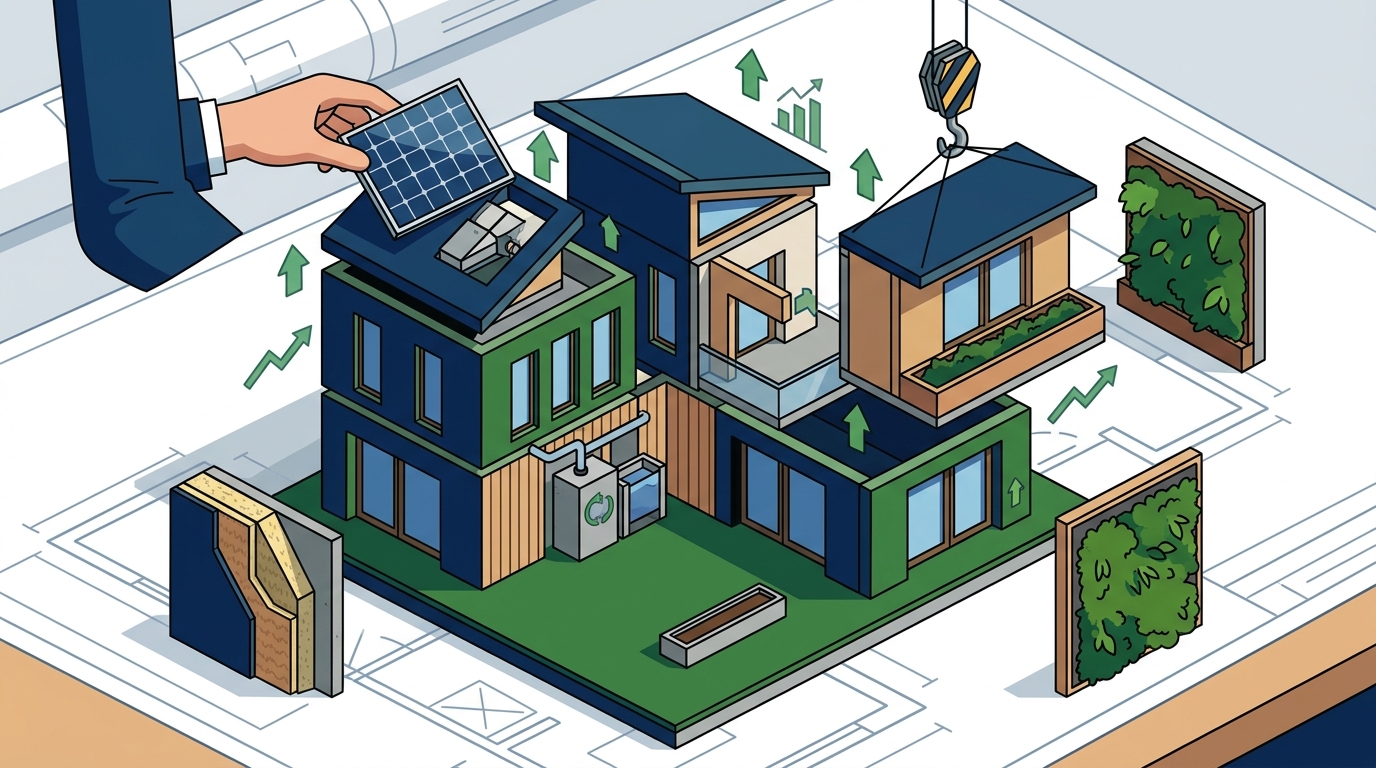
Net Zero Energy Buildings (NZEBs) are designed to produce as much energy as they consume. This is achieved through a combination of solar panels, advanced insulation, and high-efficiency HVAC systems. While the initial investment may be higher, the long-term savings are substantial. Over a 20-year period, energy costs can be reduced by 50% to 90%, depending on the technology stack and local climate conditions.
Maintenance and Durability
Sustainable buildings often use higher-quality, durable materials that require less frequent replacement. This reduces long-term maintenance costs and extends the lifecycle of the asset. For example, green roofs not only provide insulation but also protect the underlying roof structure from UV damage and temperature extremes, doubling its lifespan.
Regulatory Compliance and Future-Proofing
As governments worldwide tighten environmental regulations, non-compliant properties face increasing risks. Carbon taxes, energy performance certificate (EPC) requirements, and building code updates are becoming more stringent. Investing in sustainable properties ensures that your asset remains compliant with current and future laws, avoiding costly retrofits or legal penalties.
Avoiding Stranded Assets
A stranded asset is a property that loses value prematurely due to regulatory changes or market shifts. In the context of real estate, this often applies to older, inefficient buildings that cannot meet new energy standards. By prioritizing sustainability, you avoid the risk of your property becoming obsolete. This is particularly relevant in regions like Europe and North America, where green building codes are rapidly evolving.
Access to Green Financing
Many financial institutions now offer green mortgages and loans with favorable terms for sustainable properties. These products often feature lower interest rates or reduced fees, reflecting the lower risk profile of eco-friendly assets. This access to capital can significantly improve your investment returns and reduce the cost of borrowing.
Health, Wellbeing, and Tenant Retention
Sustainability is not just about energy and carbon; it is also about human health. Eco-friendly buildings prioritize indoor air quality, natural lighting, and non-toxic materials. These factors have a profound impact on the wellbeing of occupants, leading to higher satisfaction and retention rates.
Indoor Environmental Quality
Good indoor environmental quality (IEQ) is critical for occupant health. Sustainable buildings use low-VOC paints, advanced ventilation systems, and natural materials to create healthier living and working environments. Studies show that improved IEQ can reduce sick days and increase productivity by up to 10%. For landlords, this means attracting and retaining high-quality tenants who value their health.
Biophilic Design Elements
Biophilic design integrates natural elements into the built environment, such as green walls, water features, and ample natural light. This approach has been shown to reduce stress and improve mental health. Properties that incorporate these elements often stand out in the market, commanding higher rents and faster lease-up times.
Market Positioning and Brand Authority
Investing in sustainable properties enhances your brand as a forward-thinking and responsible investor. This reputation can open doors to new opportunities, including partnerships with like-minded developers and access to exclusive green investment funds. It also aligns your portfolio with the values of a growing demographic of conscious consumers.
Attracting Conscious Investors
Environmental, Social, and Governance (ESG) criteria are increasingly important to institutional investors. By holding sustainable assets, you make your portfolio more attractive to these entities, potentially unlocking larger pools of capital. This alignment with ESG goals is no longer optional but a requirement for many major investment firms.
Community and Social Impact
Sustainable developments often contribute to the broader community by reducing the local carbon footprint and promoting green spaces. This positive social impact enhances the property's reputation and can lead to stronger community support and engagement. It also fosters a sense of pride among residents, which contributes to the overall success of the development.
Key Takeaways
- Higher Asset Value: Sustainable properties often command a green premium, with values increasing up to 20% compared to traditional buildings.
- Lower Operating Costs: Energy efficiency and durable materials significantly reduce utility and maintenance expenses over the asset's lifecycle.
- Regulatory Safety: Eco-friendly investments are future-proofed against tightening environmental regulations and carbon taxes.
- Health Benefits: Improved indoor air quality and biophilic design enhance tenant wellbeing, leading to higher retention rates.
- Green Financing: Access to favorable green mortgages and loans can lower borrowing costs and improve ROI.
- Brand Authority: Aligning with ESG criteria attracts conscious investors and enhances market reputation.
- Resilience: Sustainable assets demonstrate greater stability during economic downturns due to consistent demand and lower operational risks.
Frequently Asked Questions
What is the definition of a Net Zero Energy Building?
A Net Zero Energy Building is a structure that produces as much renewable energy on-site as it consumes over the course of a year. This is achieved through a combination of energy efficiency measures and renewable energy generation systems.
How does sustainability affect property insurance costs?
Sustainable properties often benefit from lower insurance premiums due to their reduced risk of damage from extreme weather events and fire hazards. Green building materials and systems are generally more durable and resilient.
Are there tax incentives for eco-friendly property investments?
Yes, many governments offer tax credits, deductions, or grants for properties that meet specific sustainability standards. These incentives can significantly offset the initial costs of green technologies and certifications.
What is the typical payback period for green building technologies?
The payback period varies depending on the technology and location, but it typically ranges from 5 to 10 years for energy-efficient systems. Over the long term, the cumulative savings often exceed the initial investment.
How do I verify the sustainability credentials of a property?
Look for recognized certifications such as LEED, BREEAM, or WELL. These third-party verifications provide objective data on a building's environmental performance, energy efficiency, and indoor health standards.
Does sustainable design impact property liquidity?
Yes, sustainable properties often have higher liquidity due to their broad appeal to modern buyers and renters. As the market shifts toward green standards, these assets become more desirable and easier to sell.
What role does biophilic design play in property value?
Biophilic design enhances property value by creating healthier and more pleasant living environments. This leads to higher tenant satisfaction and willingness to pay premium rents for spaces that connect them with nature.
Start Your Sustainable Investment Journey
Investing in sustainable property is a strategic move that delivers financial, environmental, and social returns. By prioritizing eco-friendly developments, you secure your asset against future risks while capitalizing on emerging market trends. To explore high-performance, environmentally responsible developments that redefine modern living, visit ECLÉDE today. Discover how our commitment to sustainability and architectural excellence can enhance your long-term investment portfolio.