
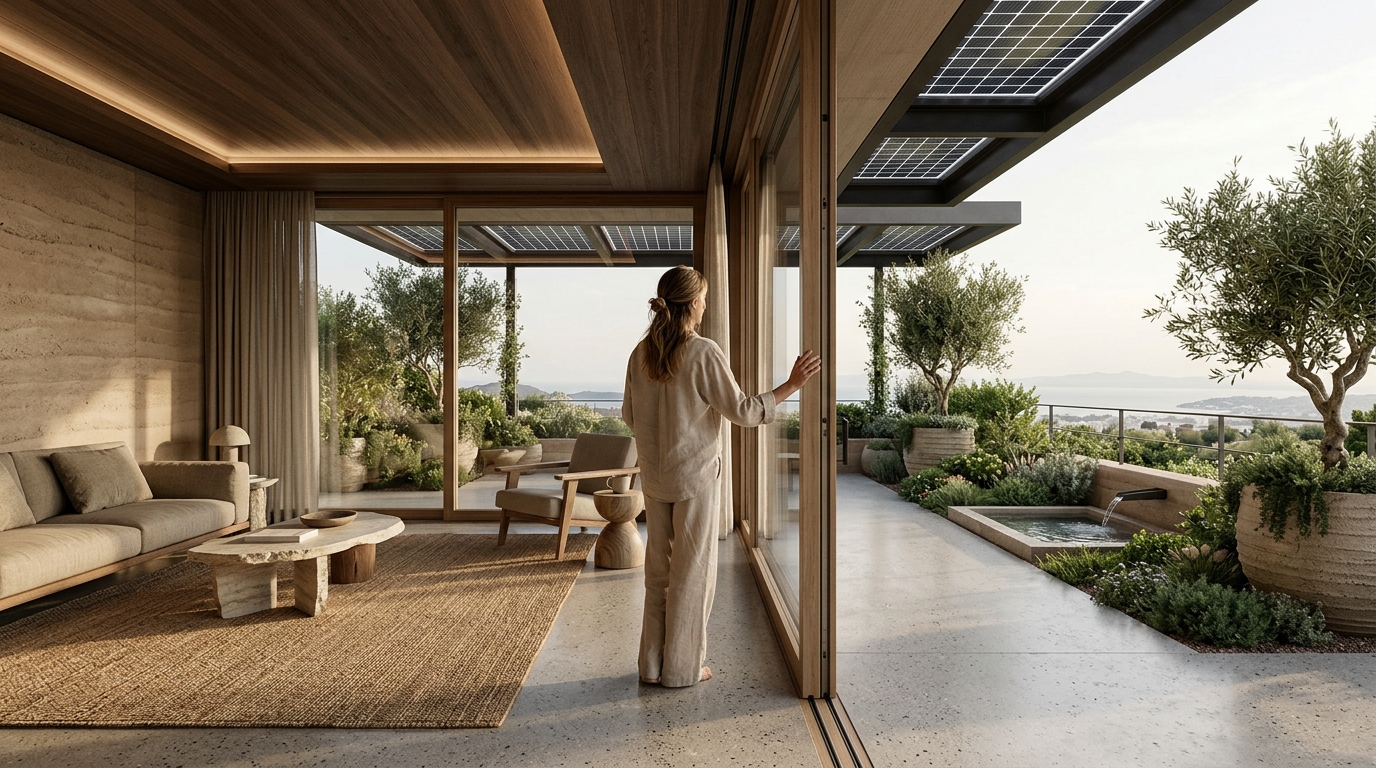
The global construction industry is undergoing a radical transformation driven by the urgent need for environmental responsibility. According to the United Nations Environment Programme, buildings and construction account for approximately 37% of energy and process-related CO2 emissions. This statistic highlights why sustainable design is no longer a niche preference but a fundamental requirement for modern architecture. At ECLÉDE, we view sustainability not as an add-on, but as the core foundation of high-performance living. Our approach integrates rigorous environmental standards with luxury aesthetics, ensuring that every project contributes to a healthier planet while delivering exceptional value to residents.
Energy Efficiency and Net Zero Goals
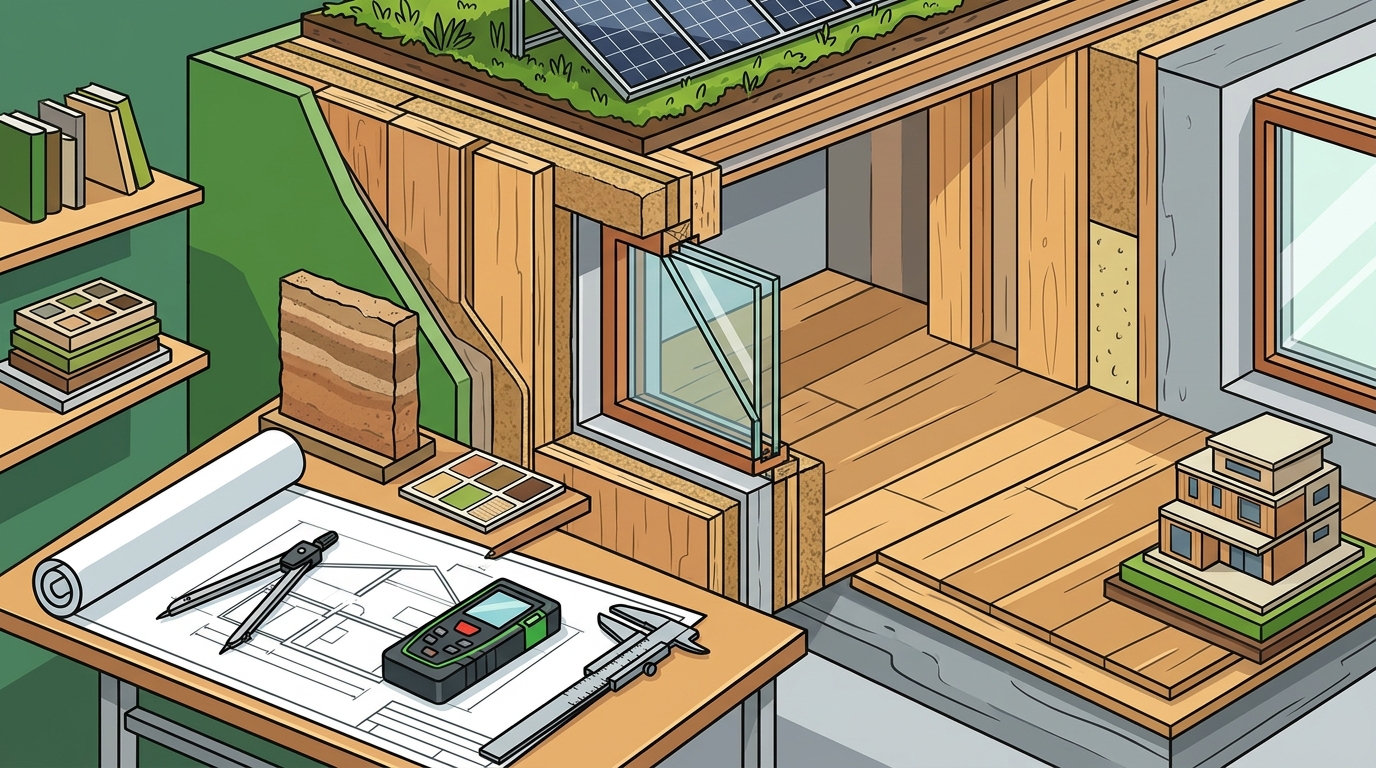
Creating a modern living space begins with minimizing its carbon footprint. The most effective way to achieve this is through rigorous energy efficiency strategies. This involves optimizing the building envelope to reduce heat loss in winter and heat gain in summer. High-performance insulation, triple-glazed windows, and thermal bridge-free construction are essential components of this strategy.
One of the most ambitious goals in modern architecture is the Net Zero Energy Building. A Net Zero Energy Building is a structure that produces as much energy as it consumes over the course of a year. This is achieved through a combination of extreme efficiency and on-site renewable energy generation, such as solar photovoltaic panels or geothermal heat pumps. In Greece, where sunlight is abundant, solar integration is particularly effective. Our project Boomerang Athens exemplifies this approach by combining sleek architectural lines with high-efficiency systems.
According to the International Energy Agency, improving energy efficiency in buildings could reduce global carbon emissions by nearly 40% by 2050. This data shows that the shift toward net-zero is critical for meeting global climate targets. By prioritizing energy efficiency, developers can significantly lower operational costs for residents while enhancing the property's long-term market value.
Responsible Material Selection
The materials used in construction have a profound impact on the environment. Sustainable design requires a shift from conventional, high-carbon materials to those with lower embodied energy. Embodied energy is the total energy consumed to produce a material, including extraction, processing, and transportation.
Key strategies for responsible material selection include:
- Local Sourcing: Using materials sourced from within the region reduces transportation emissions. In Greece, this often means utilizing local stone, timber, and ceramics.
- Recycled Content: Incorporating recycled steel, glass, and concrete reduces the demand for virgin resources.
- Non-Toxic Finishes: Using low-VOC (Volatile Organic Compounds) paints and adhesives improves indoor air quality.
The German Design Awards 2026 recognized innovation in sustainable design, highlighting the importance of material integrity. Our commitment to these standards is reflected in our work, such as the Dynasty Villas project, which emphasizes natural textures and durable, eco-friendly finishes. By selecting materials carefully, we ensure that the building remains beautiful and functional for decades.
Advanced Water Management Systems
Water scarcity is a growing concern in many parts of the world, including the Mediterranean region. Sustainable design must address water conservation through innovative management systems. This involves capturing, treating, and reusing water on-site to reduce reliance on municipal supplies.
One effective method is rainwater harvesting. Rainwater harvesting is the process of collecting and storing rainwater for later use, typically for irrigation, toilet flushing, or laundry. This system reduces the strain on local water resources and lowers utility bills. Another critical component is greywater recycling. Greywater recycling is the treatment and reuse of wastewater from sinks, showers, and washing machines for non-potable purposes.
According to the World Wildlife Fund, sustainable water management is essential for preserving freshwater ecosystems. This data shows that every drop saved contributes to broader environmental health. By integrating these systems, modern homes become more resilient to droughts and climate variability. Our Atlas + Pleione development incorporates advanced water conservation technologies to ensure long-term sustainability.
Biophilic Design Principles
Biophilic design is an approach that seeks to connect building occupants more closely to nature. It is based on the idea that humans have an innate need to associate with life and lifelike processes. This design philosophy enhances well-being, reduces stress, and improves cognitive function.
Implementing biophilic design involves several key elements:
- Natural Light: Maximizing daylight through strategic window placement and skylights.
- Indoor Plants: Integrating green walls and potted plants to improve air quality and aesthetics.
- Natural Materials: Using wood, stone, and bamboo to create a tactile connection to nature.
- Views of Nature: Designing spaces that offer visual access to gardens, water, or landscapes.
Research published in the Journal of Environmental Psychology indicates that biophilic design can reduce stress levels by up to 60%. This evidence supports the argument that sustainable design is also human-centric design. By blending architecture with the natural environment, we create spaces that are not only eco-friendly but also deeply restorative for inhabitants.
Smart Technology Integration
Technology plays a pivotal role in achieving sustainability goals. Smart home systems allow residents to monitor and control energy usage in real-time. These systems can optimize heating, cooling, and lighting based on occupancy and weather conditions.
Key technologies include:
- Smart Thermostats: These devices learn user preferences and adjust temperatures automatically to save energy.
- Energy Monitoring Dashboards: Real-time displays show energy consumption, helping users identify waste.
- Automated Shading: Motorized blinds adjust based on sun position to reduce cooling loads.
The integration of these technologies is a hallmark of modern luxury. It provides convenience while ensuring that the home operates efficiently. At ECLÉDE, we view technology as a tool to enhance the human experience, not replace it. Our projects are designed to be intelligent, responsive, and adaptable to the needs of future residents.
Comparing Sustainable Standards
Understanding different certification standards helps clarify the level of sustainability achieved in a project. Below is a comparison of common green building certifications.
| Standard | Focus Area | Key Benefit |
|---|---|---|
| LEED | Comprehensive sustainability | Global recognition and market value |
| BREEAM | Environmental performance | Rigorous assessment methodology |
| WELL | Human health and wellness | Improved occupant well-being |
| Passive House | Energy efficiency | Ultra-low energy consumption |
Each standard offers unique advantages. LEED is widely recognized for its holistic approach, while Passive House focuses intensely on energy performance. At ECLÉDE, we often aim for LEED Platinum certification, as seen in our first LEED Platinum residential project in Greece. This achievement sets a new benchmark for sustainable luxury living in the region.
Key Takeaways
- Sustainable design reduces carbon emissions by optimizing energy use and material selection.
- Net Zero Energy Buildings produce as much energy as they consume, a goal achieved through efficiency and renewables.
- Biophilic design connects occupants to nature, reducing stress and improving health.
- Water conservation systems like rainwater harvesting are critical in drought-prone regions.
- Smart technology enables real-time monitoring and optimization of home resources.
- Certifications like LEED and BREEAM provide verified standards for sustainability.
- ECLÉDE combines luxury with responsibility, creating high-performance developments.
Frequently Asked Questions
What is the most important aspect of sustainable design?
Energy efficiency is often considered the most critical aspect because it directly reduces operational carbon emissions and utility costs. However, a holistic approach that includes materials, water, and health is essential for true sustainability.
How does biophilic design improve well-being?
Biophilic design improves well-being by reducing stress, enhancing mood, and boosting cognitive function through connections to natural elements like light, plants, and natural materials.
What is LEED Platinum certification?
LEED Platinum is the highest level of certification under the Leadership in Energy and Environmental Design rating system, awarded to buildings that meet rigorous standards for sustainability and energy efficiency.
Can sustainable homes be luxurious?
Absolutely. Sustainable design enhances luxury by providing healthier indoor environments, lower operating costs, and superior architectural quality. ECLÉDE proves that eco-consciousness and high-end aesthetics are compatible.
What is embodied energy?
Embodied energy is the total energy consumed during the extraction, processing, manufacturing, and transportation of building materials. Minimizing embodied energy is key to reducing a building's overall carbon footprint.
How do smart homes contribute to sustainability?
Smart homes contribute to sustainability by automating energy use, reducing waste, and allowing residents to monitor their consumption. This leads to more efficient operation and lower environmental impact.
Why is local material sourcing important?
Local material sourcing reduces transportation emissions and supports the regional economy. It also ensures that materials are appropriate for the local climate and context.
Start Your Sustainable Project
Creating a modern, functional, and sustainable living space requires expertise, vision, and a commitment to excellence. ECLÉDE is dedicated to redefining luxury through responsible development. We invite you to explore our portfolio and discover how we blend innovation with environmental stewardship. Contact us today to discuss your next project and join the movement toward a more sustainable future.
Get in touch with our team to learn more about our services and upcoming developments.