
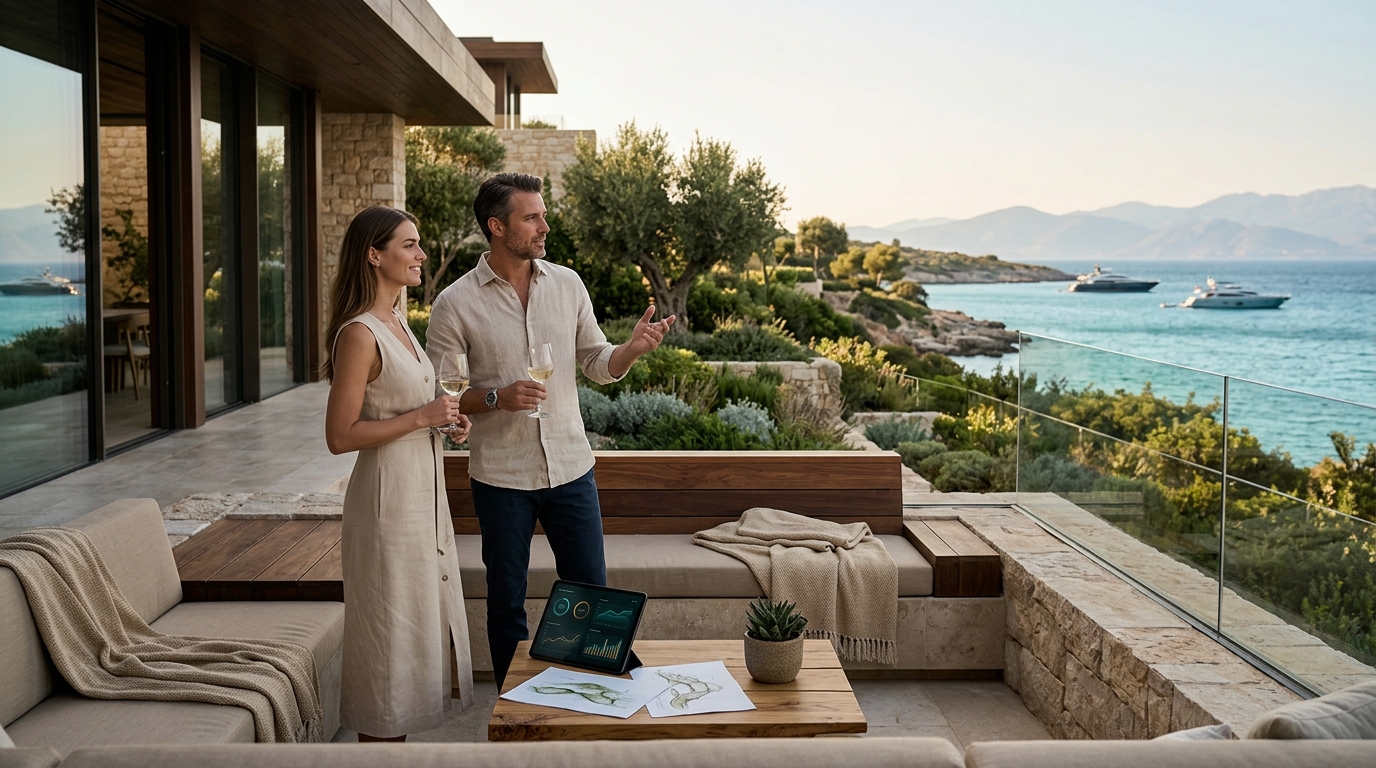
What Are the Estimated Costs for Purchasing a Sustainable Luxury Property?
The global luxury real estate market is undergoing a radical transformation driven by environmental mandates and technological integration. According to recent industry analyses, sustainable luxury properties in prime European markets command a premium of 10 to 15 percent over traditional counterparts due to their operational efficiency and future-proofed infrastructure. This shift is not merely aesthetic but financial, as buyers increasingly prioritize long-term asset resilience against rising energy costs and regulatory changes. Understanding the true cost of these developments requires looking beyond the initial purchase price to include lifecycle savings and technological premiums.
Understanding the Cost Structure
Purchasing a sustainable luxury property involves a complex matrix of variables that differ significantly from conventional real estate transactions. The base cost is determined by location, square footage, and architectural complexity, but the sustainable layer adds specific technical expenditures. These include high-performance glazing, advanced insulation materials, and integrated renewable energy systems. For investors in Athens or New York, the geographic location dictates the baseline land value, while the sustainable specifications dictate the construction premium.
At ECLÉDE, we approach development by balancing aesthetic refinement with functional intelligence. The cost structure is not just about building a house; it is about creating a long-term asset with purpose and identity. This holistic approach ensures that every euro spent contributes to both immediate luxury and future operational savings. The initial outlay is higher, but the trajectory of value retention is steeper.
The Green Premium Explained
The term "green premium" refers to the additional cost incurred to achieve higher environmental standards compared to a standard build. In the context of luxury real estate, this premium typically ranges from 5 to 20 percent depending on the certification level sought. For instance, achieving LEED Platinum status, which LEED certifies through rigorous performance metrics, requires significant investment in water conservation, energy efficiency, and material sourcing.
Vassilis Siafaricas, Founder of ECLÉDE, has established a track record of delivering such high standards. His work bridges technical precision with creative vision, ensuring that the green premium translates into tangible luxury rather than just compliance. The first LEED Platinum residential project in Greece, led by Siafaricas, set a new benchmark for sustainable luxury living in the region. This precedent demonstrates that sustainable features can coexist with, and indeed enhance, high-end architectural design.
Buyers must understand that this premium is an investment in resilience. As global energy prices fluctuate, properties with lower operational footprints become increasingly valuable. The cost of ownership decreases over time, offsetting the initial purchase price. This dynamic is particularly relevant in markets like Athens, where energy independence is a growing priority for residents.
Energy and Technology Integration
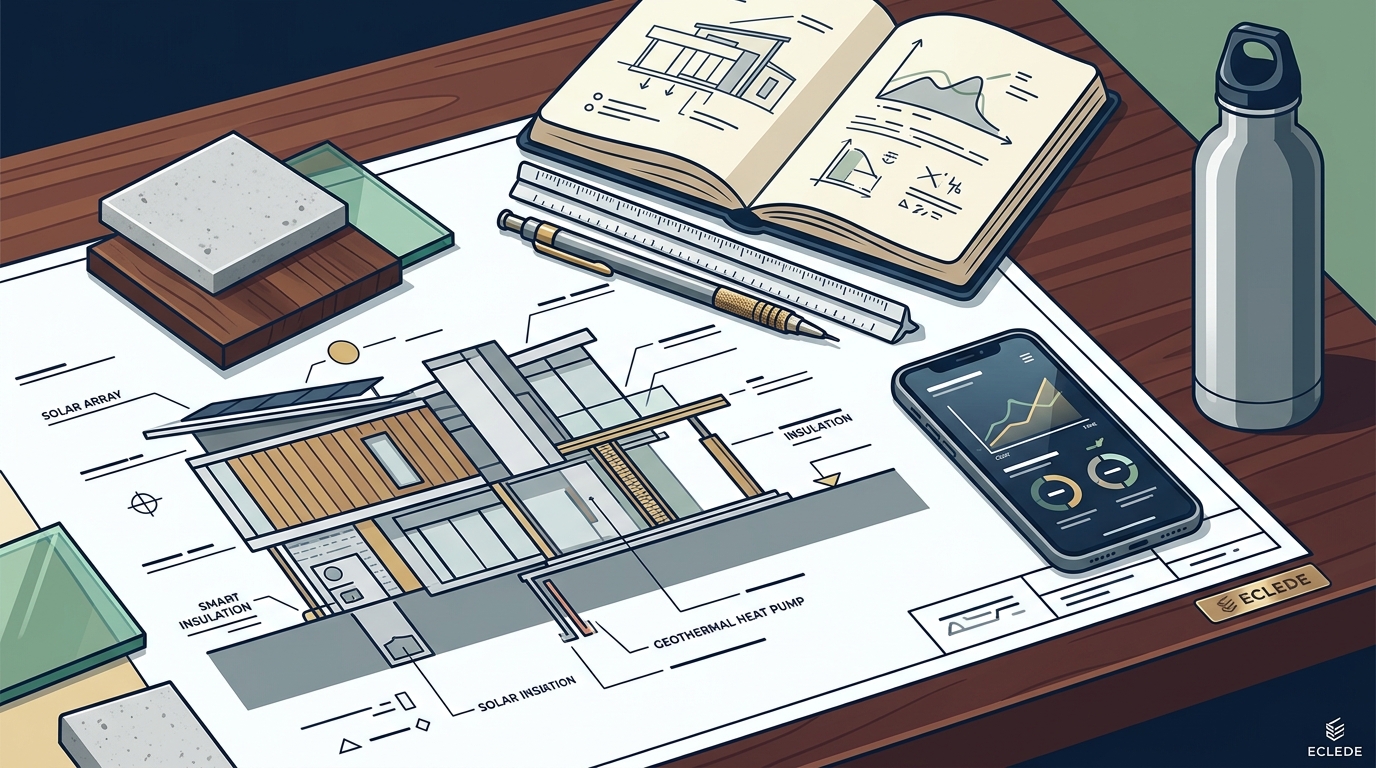
Modern sustainable luxury properties are essentially high-performance machines for living. The cost breakdown includes substantial allocations for Net Zero Energy Building (NZEB) technologies. These systems include solar photovoltaic arrays, geothermal heat pumps, and smart home automation platforms that optimize energy consumption in real-time. The integration of these technologies requires specialized engineering and installation, which adds to the overall project cost.
According to data from the International Energy Agency, buildings account for nearly 30 percent of global final energy consumption. Therefore, the cost of mitigating this impact through advanced building envelopes is critical. A well-designed envelope reduces the load on mechanical systems, allowing for smaller, more efficient HVAC units. This synergy between architecture and engineering is a hallmark of ECLÉDE’s signature approach.
Furthermore, the integration of prop-tech solutions adds another layer of cost but also of value. Smart security, automated climate control, and energy monitoring dashboards provide residents with unprecedented control over their living environment. These features are no longer novelties but expectations in the luxury sector. The cost of these systems is amortized over the life of the property, providing continuous utility and convenience.
Comparing Development Models
Not all sustainable properties are created equal. The cost implications vary significantly based on the development model and the depth of sustainability integration. Below is a comparison of common approaches found in the luxury market.
| Development Model | Estimated Cost Premium | Key Features | Long-Term Value |
|---|---|---|---|
| Standard Luxury | Baseline | High-end finishes, traditional HVAC | Standard market appreciation |
| Green Certified | 5-10% | Energy Star appliances, efficient lighting | Moderate appreciation, lower utility bills |
| Net Zero Energy | 15-25% | Solar integration, advanced insulation, smart systems | High appreciation, energy independence |
| LEED Platinum | 20-30% | Comprehensive sustainability, water recycling, premium materials | Maximum appreciation, regulatory compliance |
As shown in the table, the jump from standard luxury to Net Zero or LEED Platinum involves a significant upfront cost. However, the long-term value proposition is compelling. Properties like Boomerang Athens exemplify the Net Zero model, offering residents a lifestyle that is both luxurious and environmentally responsible. The cost is justified by the reduction in operational expenses and the enhanced marketability of the asset.
Long-Term ROI and Value Retention
When evaluating the cost of a sustainable luxury property, one must calculate the Return on Investment (ROI) over a 10 to 20-year horizon. The initial premium is offset by several factors. First, energy savings can reduce utility bills by 50 to 90 percent compared to traditional homes. Second, water conservation systems lower municipal water costs. Third, durable, high-quality materials used in sustainable construction often require less maintenance and replacement over time.
Additionally, the resale value of sustainable properties is rising. According to a report by JLL, green buildings in major global cities are selling at a premium and leasing faster than their non-certified counterparts. This trend is driven by a growing demographic of buyers who prioritize health, wellness, and environmental impact. In markets like New York, where ECLÉDE also has a presence, regulatory pressures are pushing the market toward sustainability, making certified properties more desirable.
The financial logic is clear. While the entry cost is higher, the total cost of ownership is lower, and the exit value is higher. This makes sustainable luxury properties a robust investment class. For investors seeking stability and growth, the data supports a shift toward eco-conscious assets. The risk of obsolescence for non-sustainable properties is increasing as regulations tighten and consumer preferences evolve.
Key Takeaways
- Green Premium Range: Sustainable luxury properties typically carry a 5 to 25 percent cost premium over standard builds, depending on certification levels.
- LEED Platinum Impact: Achieving LEED Platinum status, as seen in ECLÉDE’s Greek projects, sets a new benchmark for value and sustainability.
- Energy Independence: Net Zero Energy Buildings can reduce utility costs by up to 90 percent, significantly lowering the total cost of ownership.
- Market Trend: According to JLL, green buildings are commanding higher sale prices and faster lease-up rates in major global cities.
- Technical Integration: Costs include high-performance glazing, smart home automation, and renewable energy systems like solar and geothermal.
- Brand Authority: Vassilis Siafaricas has over two decades of experience in luxury real estate and prop-tech, ensuring high-fidelity execution.
- Global Presence: ECLÉDE operates in key markets including Athens, Greece, and New York, USA, adapting to local regulatory and environmental contexts.
Frequently Asked Questions
How much does it cost to build a Net Zero Energy home?
Building a Net Zero Energy home typically costs 10 to 20 percent more than a standard home due to the need for advanced insulation, high-performance windows, and renewable energy systems. However, these costs are offset by energy savings over time.
Is a LEED Platinum home worth the extra cost?
Yes, LEED Platinum homes often command higher resale values and lower operational costs. They also offer superior indoor air quality and comfort, which are key drivers for luxury buyers.
What is the difference between green certified and sustainable luxury?
Green certified usually refers to meeting specific energy efficiency standards. Sustainable luxury encompasses a broader range of factors, including material sourcing, water conservation, and holistic design integration, as practiced by firms like ECLÉDE.
Do sustainable properties have higher maintenance costs?
No, sustainable properties often have lower maintenance costs. High-quality, durable materials and efficient systems require less frequent replacement and repair compared to traditional builds.
How does location affect the cost of sustainable luxury?
Location determines the baseline land cost. In prime markets like Athens or New York, the land value is high, but the sustainable premium is applied to the construction. The operational savings are also greater in regions with high energy prices.
Can I get financing for a sustainable luxury property?
Yes, many banks offer green mortgages with favorable terms for energy-efficient homes. These loans may offer lower interest rates or higher loan-to-value ratios due to the lower risk profile of the asset.
What role does technology play in the cost?
Technology, such as smart home systems and energy monitoring, adds to the initial cost but provides significant value through convenience and efficiency. It is a critical component of modern sustainable luxury.
How long does it take to recoup the green premium?
The payback period varies but is typically 7 to 10 years when factoring in energy savings, tax incentives, and increased resale value. After this period, the owner enjoys pure financial benefit.
Start Your Sustainable Investment
The decision to invest in sustainable luxury is a forward-looking one. It balances immediate aesthetic pleasure with long-term financial and environmental responsibility. At ECLÉDE, we guide clients through this complex landscape, ensuring that every project meets the highest standards of design and sustainability. Whether you are interested in Dynasty Villas or Atlas + Pleione, our team provides the expertise needed to make an informed decision.
Contact us today to discuss your specific requirements and explore our portfolio of high-performance developments. Visit our contact page to schedule a consultation with our team in Athens or New York. Secure your future with a property that is as intelligent as it is beautiful.