
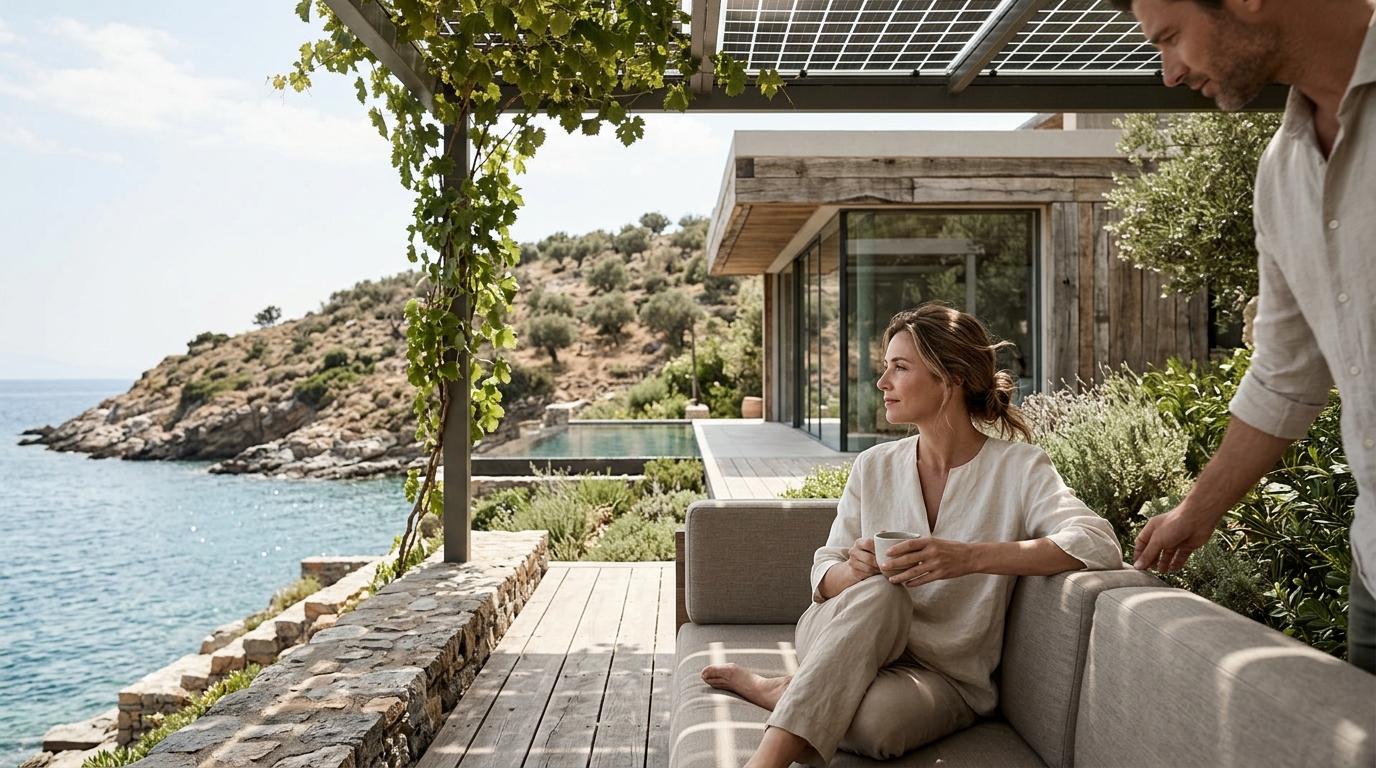
The global shift toward eco-conscious living has fundamentally reshaped the luxury real estate market. According to recent industry reports, the demand for green-certified homes has grown by over 30% in the last five years among high-net-worth individuals. This is not merely a trend but a structural evolution in how affluent buyers evaluate value. Modern luxury is no longer defined solely by square footage or marble finishes. It is defined by efficiency, health, and environmental stewardship. Buyers now expect their residences to operate as intelligent ecosystems that reduce carbon footprints while maximizing comfort. This guide outlines the critical sustainable design features that define the next generation of premium properties.
Energy Efficiency and Net Zero Standards
At the core of sustainable luxury is the pursuit of energy independence. High-end properties are increasingly moving toward Net Zero Energy Building standards. This means the structure produces as much renewable energy as it consumes annually. The foundation of this approach lies in the building envelope. Superior insulation and high-performance glazing prevent thermal leakage, which is often the primary source of energy waste in traditional construction.
Net Zero Energy Buildings represent the pinnacle of this effort. These structures utilize advanced HVAC systems and renewable energy sources like solar photovoltaic arrays. The goal is to eliminate reliance on fossil fuels entirely. For the owner, this translates to predictable utility costs and a significant reduction in environmental impact. The technology behind these systems is mature and reliable, offering long-term financial stability alongside ecological benefits.
Another critical component is passive solar design. This architectural strategy aligns the building orientation to maximize natural heating in winter and minimize it in summer. By reducing the load on mechanical systems, passive design enhances comfort while lowering energy demands. This approach requires precise calculation of sun paths and window placements during the initial design phase.
Material Selection and Indoor Air Quality
The materials used in a luxury home directly impact both its environmental footprint and the health of its inhabitants. Sustainable design prioritizes low-embodied-carbon materials. This includes reclaimed wood, recycled steel, and locally sourced stone. These materials reduce the energy required for transportation and manufacturing. They also offer unique aesthetic qualities that mass-produced materials cannot replicate.
Indoor air quality is a non-negotiable aspect of modern luxury. Formaldehyde and volatile organic compounds (VOCs) are common in traditional paints and adhesives. Sustainable properties use zero-VOC finishes and natural ventilation strategies to maintain healthy air. This is particularly important in tightly sealed, energy-efficient homes where air exchange must be carefully managed. Heat recovery ventilators (HRVs) are often installed to filter incoming air while retaining thermal energy.
Thermal mass is another key concept in material selection. Materials like concrete and stone absorb heat during the day and release it at night. This natural regulation stabilizes indoor temperatures. It reduces the need for active heating and cooling. When combined with proper insulation, thermal mass creates a stable and comfortable living environment year-round.
Advanced Water Management Systems
Water scarcity is a growing global concern. Luxury properties address this through comprehensive water management systems. Rainwater harvesting is a common feature in sustainable design. This system collects runoff from roofs and stores it for irrigation and non-potable uses. It reduces the strain on municipal water supplies and lowers utility bills significantly.
Greywater recycling is another advanced feature. Greywater comes from sinks, showers, and laundry. It is treated on-site and reused for toilet flushing or landscape irrigation. This process can reduce a home's total water consumption by up to 40%. The technology for greywater treatment is compact and efficient, making it suitable for even the most luxurious residences.
Xeriscaping is the practice of designing landscapes that require minimal water. By using native plants and drought-resistant species, homeowners can maintain beautiful gardens without excessive irrigation. This approach aligns with regional climate conditions and reduces maintenance costs. It also supports local biodiversity by providing habitat for native wildlife.
Smart Home Integration for Sustainability
Technology plays a pivotal role in sustainable luxury. Smart home systems allow for precise control over energy and water usage. Automated lighting systems adjust brightness based on natural light availability. This reduces electricity consumption without compromising ambiance. Occupancy sensors ensure that lights and HVAC systems are only active when spaces are in use.
Energy monitoring dashboards provide real-time data on consumption. Homeowners can track their usage patterns and identify areas for improvement. This transparency encourages sustainable behavior. It also allows for proactive maintenance of systems, preventing energy waste due to malfunctioning equipment. The integration of artificial intelligence further optimizes these systems by learning user preferences and adjusting settings automatically.
Smart thermostats are a standard feature in high-end sustainable homes. They learn heating and cooling schedules and adjust temperatures accordingly. This prevents energy waste during unoccupied periods. When combined with geofencing technology, the system can detect when residents are approaching home and prepare the environment efficiently. This level of automation ensures comfort without sacrificing efficiency.
Biophilic Design and Natural Integration
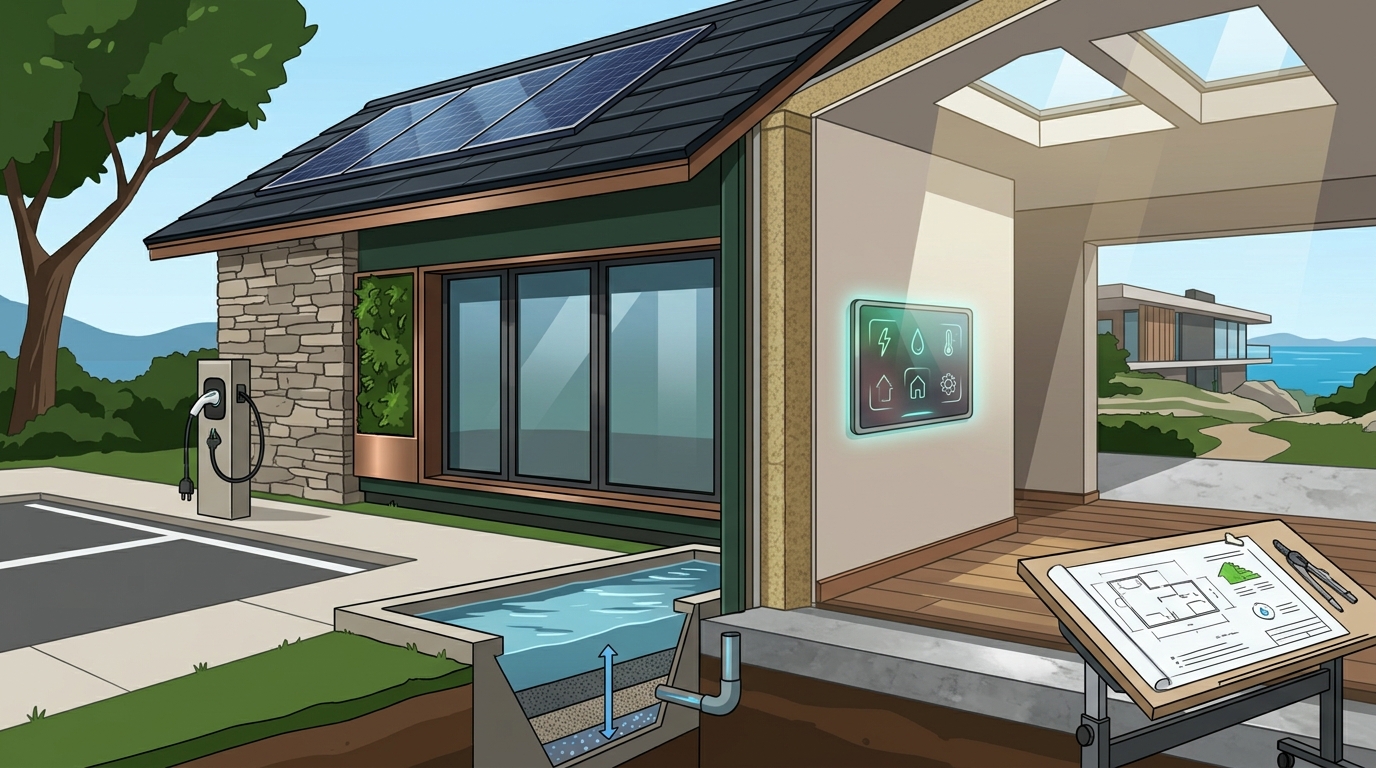
Biophilic design connects occupants with nature through architectural elements. This approach is not just aesthetic; it has proven psychological and physiological benefits. Studies show that access to natural light and views of greenery reduces stress and improves cognitive function. Luxury properties incorporate these elements through large windows, indoor gardens, and natural materials.
Green roofs and living walls are prominent features in sustainable luxury. These installations provide insulation, reduce urban heat island effects, and manage stormwater. They also create unique outdoor spaces that blend seamlessly with the interior. The presence of vegetation improves air quality and provides a sense of tranquility. This integration of nature is a hallmark of high-end eco-conscious living.
Maximizing natural light is another critical aspect of biophilic design. Skylights and light wells bring sunlight deep into the building. This reduces the need for artificial lighting during the day. It also creates dynamic spaces that change with the time of day. The quality of light is carefully considered to enhance the mood and functionality of each room.
Comparing Sustainable Luxury Options
Understanding the different approaches to sustainable design helps buyers make informed decisions. The table below compares common features found in high-end eco-friendly properties.
| Feature | Primary Benefit | Implementation Complexity | Typical ROI Timeline |
|---|---|---|---|
| Net Zero Energy Systems | Elimination of utility bills | High | 7-10 years |
| Greywater Recycling | 40% water reduction | Medium | 5-7 years |
| Smart Home Automation | Optimized energy usage | Medium | 3-5 years |
| Biophilic Landscaping | Enhanced well-being | Low | N/A (Value Add) |
Key Takeaways
- Net Zero Energy Buildings are the gold standard for sustainable luxury, producing as much energy as they consume.
- Low-embodied-carbon materials reduce the initial environmental impact of construction significantly.
- Indoor air quality is maintained through zero-VOC finishes and advanced ventilation systems.
- Water management systems like rainwater harvesting and greywater recycling are essential for resource conservation.
- Smart home integration provides real-time monitoring and automated optimization of energy use.
- Biophilic design enhances mental health and connects residents with the natural environment.
- ECLÉDE specializes in creating high-performance, environmentally responsible developments that balance aesthetics with sustainability.
Frequently Asked Questions
What is the definition of a Net Zero Energy Building?
A Net Zero Energy Building is a structure that produces as much renewable energy as it consumes over the course of a year. This is achieved through a combination of energy efficiency measures and on-site renewable energy generation.
How does greywater recycling work in luxury homes?
Greywater recycling treats water from sinks, showers, and laundry for reuse in toilet flushing and irrigation. This process reduces the home's reliance on municipal water supplies and lowers overall consumption.
What are the health benefits of biophilic design?
Biophilic design reduces stress, improves cognitive function, and enhances overall well-being by connecting occupants with natural elements like light, plants, and natural materials.
Is sustainable luxury more expensive to maintain?
No, sustainable luxury properties typically have lower maintenance and utility costs. Energy-efficient systems and durable materials reduce long-term expenses, often resulting in a positive return on investment.
What certifications should I look for in a sustainable property?
Look for certifications like LEED, BREEAM, or Passive House. These standards verify that a building meets rigorous criteria for energy efficiency, indoor air quality, and environmental responsibility.
How does smart home technology contribute to sustainability?
Smart home technology optimizes energy use by automating lighting, heating, and cooling based on occupancy and preferences. This prevents waste and ensures efficient operation of all systems.
What is the role of insulation in sustainable design?
Superior insulation prevents thermal leakage, reducing the load on HVAC systems. It is a critical component of the building envelope that enhances comfort and energy efficiency.
Can sustainable features increase property value?
Yes, sustainable features often increase property value. Buyers are willing to pay a premium for homes that offer lower operating costs, better health outcomes, and environmental responsibility.
Contact ECLÉDE for Sustainable Development
Creating a home that balances luxury with environmental responsibility requires expert vision and technical precision. ECLÉDE specializes in high-end, environmentally responsible developments that redefine modern living. Our approach integrates architecture, sustainability, and long-term investment value to create spaces that are both aesthetically refined and functionally intelligent. We invite you to explore our portfolio and discover how we can bring your sustainable vision to life. Visit our portfolio page to see our latest projects, including the award-winning Boomerang Athens and Dynasty Villas. For more information on our philosophy and services, please contact us directly. Let us build a future that is both luxurious and sustainable.