
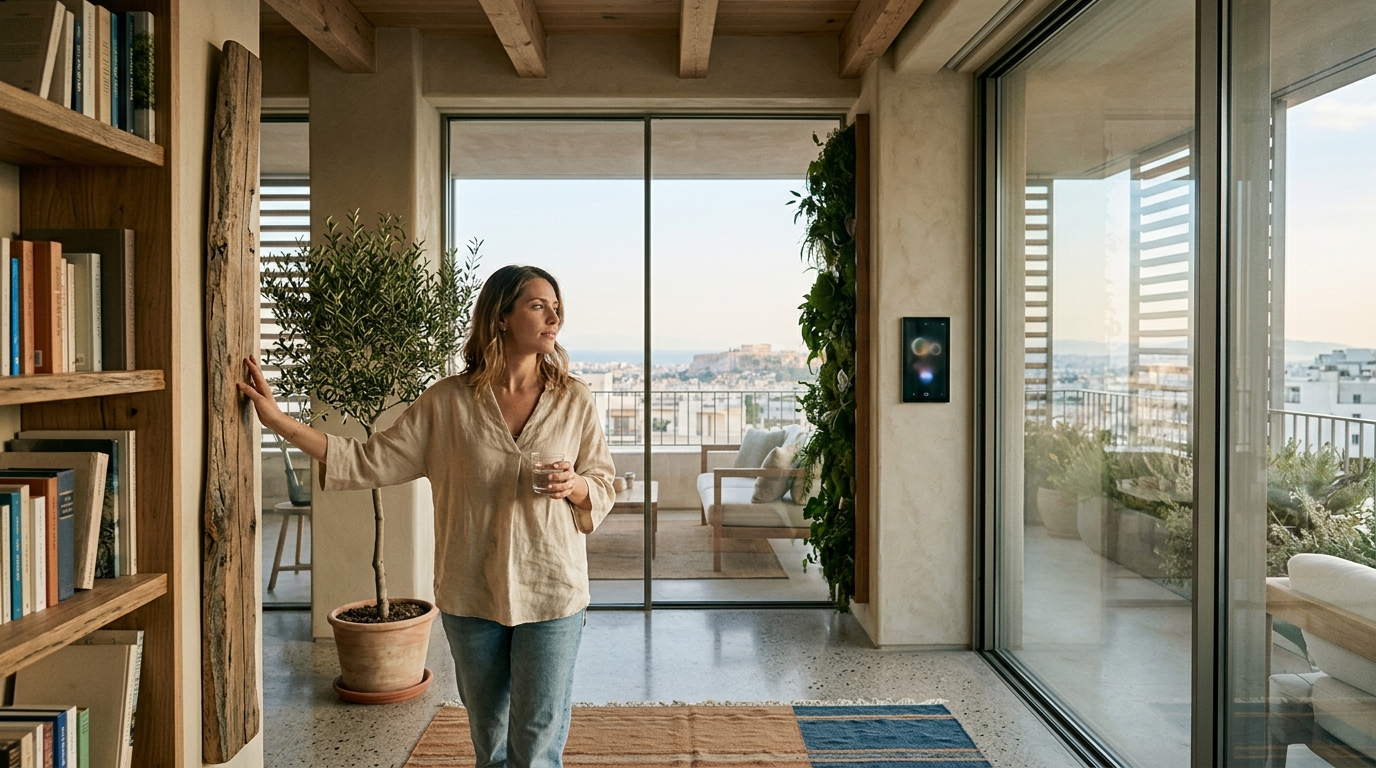
The global construction industry is undergoing a radical transformation driven by the urgent need for environmental responsibility. According to the United Nations Environment Programme, buildings and construction account for approximately 37% of energy and process-related CO2 emissions. This statistic highlights the critical role that sustainable design plays in mitigating climate change while enhancing human well-being. Modern living spaces are no longer just about aesthetics; they are about creating environments that breathe, adapt, and endure. By integrating high-performance materials, intelligent energy systems, and biophilic principles, developers and homeowners can achieve a balance between luxury and ecological integrity.
Foundations of Sustainable Architecture
Sustainable architecture begins with a holistic approach that considers the entire lifecycle of a building. It is not merely about adding solar panels to a conventional structure. It involves designing from the ground up to minimize environmental impact. This philosophy centers on minimal, clean architectural lines that seamlessly integrate with natural surroundings. The goal is to create spaces that are both aesthetically refined and functionally intelligent.
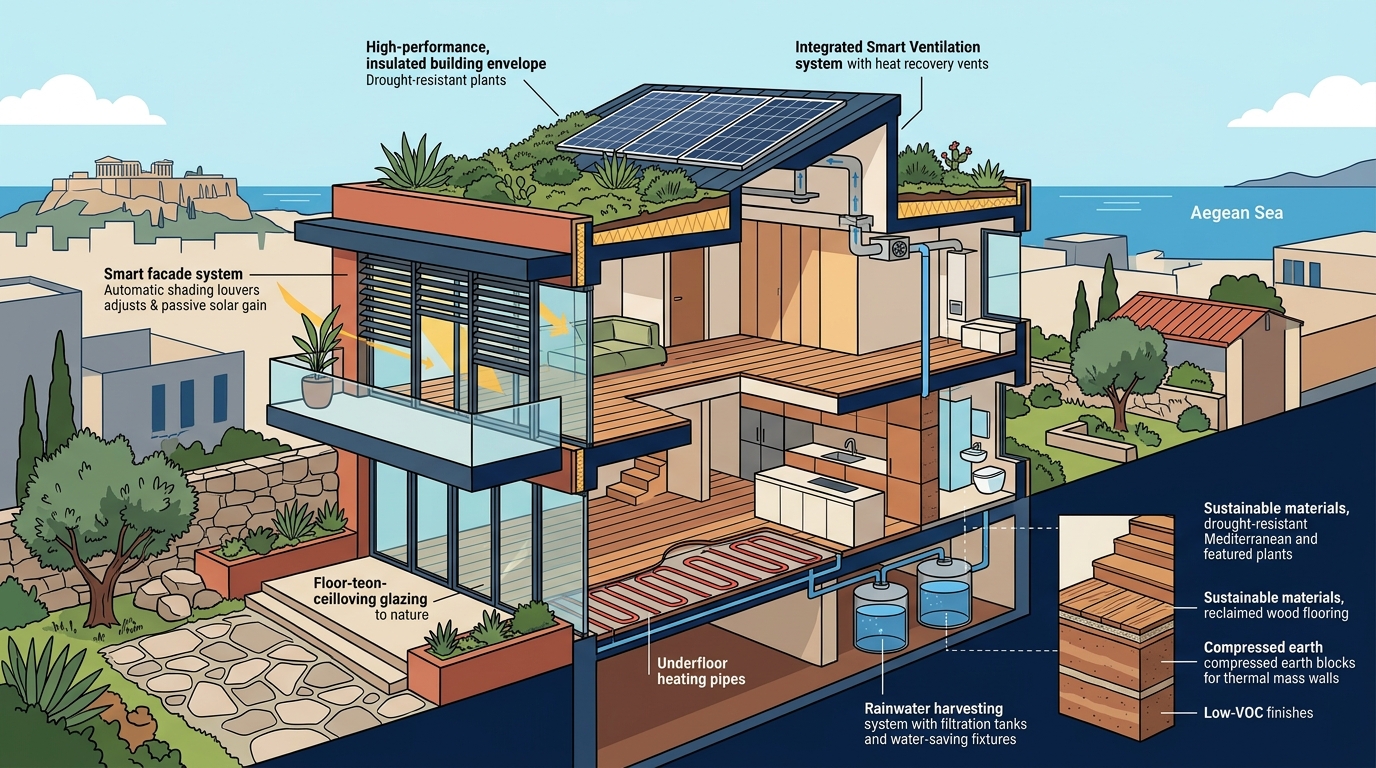
One of the core tenets of this approach is passive design. Passive design utilizes the local climate to regulate temperature and lighting without relying heavily on mechanical systems. For instance, orienting windows to maximize natural light reduces the need for artificial lighting during the day. Proper insulation and thermal mass materials help maintain stable indoor temperatures, reducing the load on heating and cooling systems. This method is essential for creating homes that are comfortable year-round while consuming minimal energy.
Another critical aspect is water conservation. Modern sustainable homes incorporate systems for rainwater harvesting and greywater recycling. These systems reduce the strain on municipal water supplies and lower utility bills. In regions prone to drought, such strategies are becoming increasingly important for long-term resilience. By treating water as a precious resource, sustainable design ensures that living spaces remain viable and efficient in changing environmental conditions.
Energy Efficiency and Net Zero Goals
Achieving energy efficiency is perhaps the most visible aspect of sustainable design. The concept of a Net Zero Energy Building is gaining traction among forward-thinking developers. Net Zero Energy Buildings are structures that produce as much energy as they consume over the course of a year. This is achieved through a combination of high-efficiency appliances, advanced insulation, and renewable energy generation.
Solar photovoltaic systems are a common solution for generating clean electricity. However, energy efficiency must come first. Upgrading to triple-glazed windows, installing heat pumps, and using smart home automation can drastically reduce energy demand. According to recent industry reports, homes with high-performance envelopes can reduce heating and cooling costs by up to 50%. This reduction not only benefits the environment but also provides significant financial savings for homeowners.
Integrating smart technology is another key factor. Smart thermostats and lighting systems learn user habits and adjust automatically to optimize energy use. These systems provide real-time data on consumption, allowing occupants to make informed decisions about their energy footprint. As technology advances, the integration of battery storage systems will further enhance the reliability and independence of sustainable homes. This shift towards self-sufficiency marks a new era in residential living.
Material Selection and Circular Economy
The choice of materials has a profound impact on the sustainability of a building. Sustainable material selection prioritizes resources that are renewable, recycled, or locally sourced. This reduces the carbon footprint associated with transportation and manufacturing. For example, using reclaimed wood or recycled steel minimizes the need for virgin resources and reduces waste sent to landfills.
A key concept in this area is the circular economy. The circular economy is an economic system aimed at eliminating waste and the continual use of resources. In construction, this means designing buildings that can be disassembled and their materials reused at the end of their life. This approach contrasts with the traditional linear model of take-make-dispose. By planning for deconstruction, architects can ensure that materials retain their value and utility.
Low-VOC (Volatile Organic Compounds) paints and finishes are also essential for healthy indoor environments. Traditional paints often release harmful chemicals into the air, contributing to indoor pollution. Low-VOC alternatives provide the same durability and aesthetic appeal without compromising health. This attention to detail ensures that the living space remains safe and comfortable for its occupants. The use of natural materials like clay plaster and cork flooring further enhances the ecological profile of the home.
Biophilic Design and Indoor Air Quality
Biophilic design is the practice of connecting people and nature within built environments. It is based on the idea that humans have an innate affinity for the natural world. Incorporating elements such as indoor plants, natural light, and organic materials can significantly improve mental and physical health. Studies show that exposure to nature reduces stress and enhances cognitive function.
Indoor air quality is a critical component of biophilic design. Poor ventilation can lead to the buildup of pollutants, mold, and allergens. Sustainable homes prioritize fresh air circulation through mechanical ventilation with heat recovery systems. These systems extract heat from outgoing air and use it to warm incoming fresh air, maintaining energy efficiency while ensuring clean air. This is particularly important in tightly sealed, high-performance buildings.
Creating visual connections to the outdoors is another effective strategy. Large windows, skylights, and open floor plans allow natural light to penetrate deep into the interior. This not only reduces the need for artificial lighting but also creates a sense of spaciousness and connection to the surrounding landscape. By blurring the boundaries between inside and outside, biophilic design fosters a sense of well-being and tranquility. This approach aligns with the vision of creating spaces that elevate quality of life while setting new standards for responsible luxury.
Comparing Sustainable Building Standards
Understanding different sustainability standards is crucial for developers and homeowners. These frameworks provide guidelines and certifications that ensure buildings meet specific environmental criteria. Below is a comparison of some of the most prominent standards.
| Standard | Focus Area | Key Benefit | Best For |
|---|---|---|---|
| LEED | Comprehensive sustainability | Global recognition and market value | High-end residential and commercial projects |
| WELL | Human health and wellness | Improved occupant health and productivity | Spaces prioritizing occupant well-being |
| Passive House | Energy efficiency | Drastic reduction in energy consumption | Net Zero Energy goals |
| BREEAM | Environmental performance | Robust assessment of environmental impact | European and international projects |
Choosing the right standard depends on the specific goals of the project. For instance, if the primary focus is on energy efficiency, Passive House certification may be the best choice. If the goal is to enhance occupant health, WELL certification offers a comprehensive framework. LEED remains a popular choice for its broad recognition and comprehensive approach to sustainability. Each standard offers unique benefits that can guide the design and construction process.
Key Takeaways
- Sustainable design integrates passive strategies, energy efficiency, and healthy materials to create resilient living spaces.
- Net Zero Energy Buildings produce as much energy as they consume, significantly reducing carbon footprints.
- Biophilic design enhances mental and physical well-being by connecting occupants with nature.
- Material selection should prioritize renewable, recycled, and low-VOC resources to minimize environmental impact.
- Certifications like LEED, WELL, and Passive House provide structured frameworks for achieving sustainability goals.
- Smart home technology plays a crucial role in optimizing energy use and monitoring performance.
- Vassilis Siafaricas leads ECLÉDE in creating high-end, environmentally responsible developments that redefine modern living.
Frequently Asked Questions
What is the most important aspect of sustainable design?
The most important aspect is a holistic approach that considers the entire lifecycle of the building, from material sourcing to energy operation and eventual deconstruction. It is about balancing environmental responsibility with human comfort and functionality.
How does biophilic design improve health?
Biophilic design improves health by reducing stress, enhancing cognitive function, and improving air quality. It achieves this by incorporating natural elements, such as plants and natural light, into the built environment.
What is a Net Zero Energy Building?
A Net Zero Energy Building is a structure that produces as much renewable energy as it consumes over the course of a year. This is typically achieved through high efficiency and on-site solar generation.
Are sustainable homes more expensive to build?
While initial costs can be higher, sustainable homes often have lower long-term operating costs due to reduced energy and water usage. The return on investment is realized through utility savings and increased property value.
What is the circular economy in construction?
The circular economy in construction is a system aimed at eliminating waste by keeping materials in use for as long as possible. It involves designing for disassembly and reuse, rather than demolition and disposal.
How can I improve indoor air quality in my home?
You can improve indoor air quality by using low-VOC materials, installing mechanical ventilation with heat recovery, and incorporating indoor plants. Regular maintenance of HVAC systems is also essential.
Why is material selection critical for sustainability?
Material selection is critical because it determines the embodied carbon of the building. Choosing low-carbon, recycled, or locally sourced materials reduces the environmental impact of extraction, manufacturing, and transportation.
What is the role of passive design?
Passive design uses the local climate to regulate temperature and lighting without relying on mechanical systems. It includes strategies like proper orientation, insulation, and natural ventilation to enhance energy efficiency.
Start Your Sustainable Project
Creating a sustainable living space is a journey that requires expertise, vision, and a commitment to excellence. ECLÉDE specializes in high-performance, environmentally responsible developments that combine luxury with ecological integrity. Our approach ensures that each project is conceived as a long-term asset with purpose, identity, and environmental harmony. We invite you to explore our portfolio and discover how we can bring your sustainable vision to life.
For more information on our services and upcoming projects, please visit our portfolio page or contact us directly. Let us help you build a future that is both beautiful and responsible.