
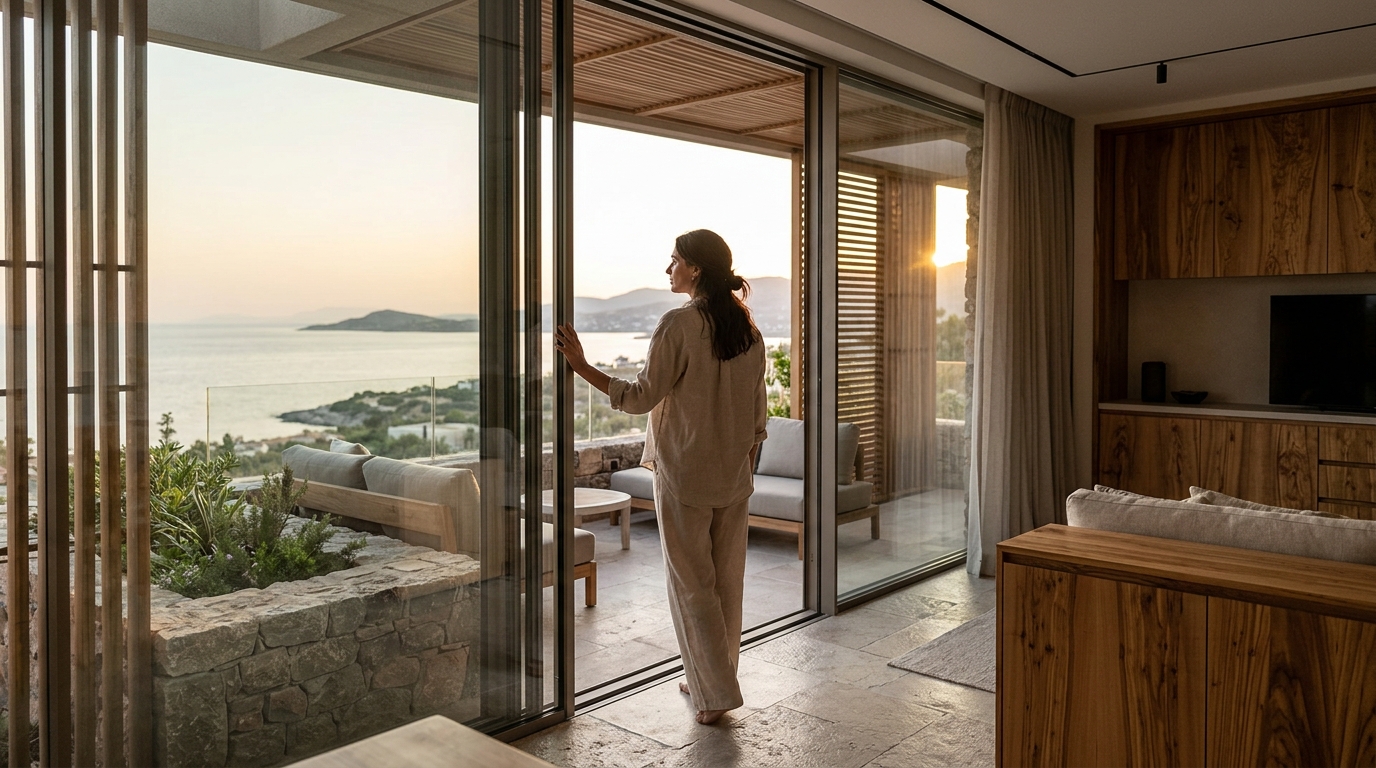
Sustainable Luxury: Top Design Features to Look for in High-End Properties
The definition of luxury has fundamentally shifted in the modern real estate market. It is no longer defined solely by opulent finishes or expansive square footage. Instead, true high-end living is now measured by environmental responsibility, energy efficiency, and long-term asset resilience. According to recent industry analyses, sustainable buildings are increasingly commanding premium valuations due to their lower operational costs and superior indoor air quality. This evolution reflects a broader cultural shift where discerning buyers prioritize health, longevity, and ecological integrity alongside aesthetic refinement.
Energy Efficiency and Net Zero Standards
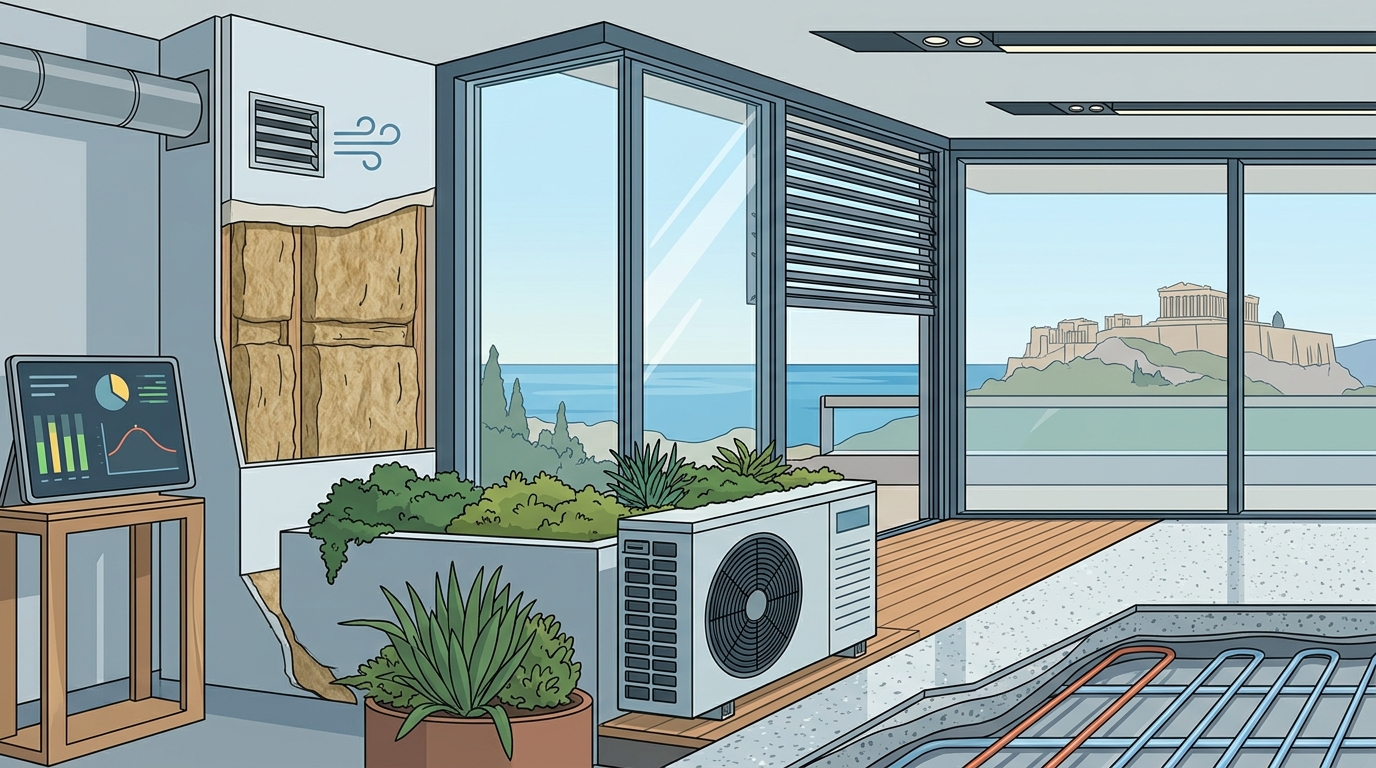
At the core of sustainable luxury is the pursuit of energy independence. High-performance buildings are designed to minimize energy consumption through superior insulation, high-quality glazing, and strategic orientation. The goal is often to achieve Net Zero Energy status, where the amount of energy used equals the amount of renewable energy created on-site.
Net Zero Energy Buildings are structures that produce as much energy as they consume over the course of a year. This standard requires a holistic approach to design, integrating passive solar heating, natural ventilation, and advanced thermal envelope technologies. For luxury properties, this means not only reducing utility bills but also ensuring uninterrupted comfort during grid outages or extreme weather events.
Key components include:
- Thermal Envelope Integrity: Continuous insulation that eliminates thermal bridges, preventing heat loss in winter and heat gain in summer.
- High-Performance Glazing: Triple-pane windows with low-emissivity coatings that maximize natural light while minimizing thermal transfer.
- Renewable Energy Integration: Rooftop solar arrays or geothermal heat pumps that provide clean, renewable power for heating, cooling, and electricity.
When evaluating a luxury property, look for certifications such as LEED Platinum or Passive House standards. These certifications verify that the building has met rigorous performance criteria. For instance, the first LEED Platinum residential project in Greece set a new benchmark for sustainable luxury living, demonstrating that high-end design and environmental responsibility can coexist seamlessly.
Sustainable Material Selection
The materials used in construction have a profound impact on both the environment and the health of the occupants. Sustainable luxury prioritizes materials that are durable, non-toxic, and sourced responsibly. This approach reduces the carbon footprint of the building and ensures a healthier indoor environment.
Responsible material sourcing involves selecting resources that are harvested or manufactured in ways that minimize environmental degradation. This includes using reclaimed wood, recycled steel, and low-VOC (Volatile Organic Compound) paints and adhesives.
Consider the following material categories:
- Locally Sourced Stone and Timber: Reduces transportation emissions and supports regional economies. Local materials also blend naturally with the surrounding landscape, enhancing the property's aesthetic harmony.
- Recycled and Reclaimed Elements: Incorporating reclaimed wood for flooring or recycled glass for countertops adds unique character while diverting waste from landfills.
- Non-Toxic Finishes: Using formaldehyde-free cabinetry and natural stone countertops ensures that indoor air quality remains pristine, which is critical for long-term health.
The choice of materials also affects the building's lifecycle. Durable materials require less maintenance and replacement, reducing the long-term environmental impact. This aligns with the philosophy that design is the intersection of inspiration, functionality, and responsibility.
Water Conservation Systems
Water scarcity is a growing global concern, making water conservation a critical feature of sustainable luxury properties. Advanced water management systems not only reduce utility costs but also contribute to regional water security.
Water conservation in luxury homes goes beyond low-flow fixtures. It involves comprehensive systems that capture, treat, and reuse water for various purposes. This includes rainwater harvesting for irrigation and greywater recycling for toilet flushing and laundry.
Key water features to look for include:
- Rainwater Harvesting Systems: Collects rainwater from rooftops and stores it for non-potable uses, reducing demand on municipal water supplies.
- Greywater Recycling: Treats water from sinks, showers, and washing machines for reuse in landscaping or toilet flushing.
- Drought-Tolerant Landscaping: Uses native plants that require minimal irrigation, reducing water consumption and maintenance needs.
These systems are particularly valuable in regions prone to drought or water restrictions. They provide a level of resilience and self-sufficiency that is highly attractive to luxury buyers.
Indoor Environmental Quality
Indoor Environmental Quality (IEQ) refers to the condition of the air, light, and sound within a building. In sustainable luxury, IEQ is paramount, as it directly impacts the health, comfort, and well-being of the occupants.
High IEQ is achieved through a combination of ventilation, filtration, and material selection. It ensures that the indoor environment is free from pollutants, allergens, and excessive noise.
Essential IEQ features include:
- Mechanical Ventilation with Heat Recovery (MVHR): Provides continuous fresh air while recovering heat from exhaust air, maintaining energy efficiency.
- Advanced Air Filtration: HEPA filters that remove particulate matter, pollen, and other allergens from the indoor air.
- Acoustic Insulation: High-performance insulation and soundproofing materials that create a quiet, serene living environment.
Studies show that improved indoor air quality can enhance cognitive function and reduce the risk of respiratory illnesses. For luxury properties, this translates to a healthier, more productive, and more comfortable living experience.
Smart Home Integration
Technology plays a crucial role in maximizing the efficiency and comfort of sustainable luxury properties. Smart home systems allow for precise control over energy use, lighting, and climate, ensuring that resources are used only when and where needed.
Smart home integration involves the use of sensors, automation, and user interfaces to manage building systems. This technology enables real-time monitoring and optimization of energy consumption.
Key smart features include:
- Automated Lighting: Sensors that adjust lighting based on occupancy and natural light levels, reducing energy waste.
- Smart Thermostats: Learn user preferences and optimize heating and cooling schedules for maximum efficiency.
- Energy Monitoring Dashboards: Provide real-time data on energy production and consumption, empowering owners to make informed decisions.
This level of control not only enhances convenience but also reinforces the property's sustainability credentials by minimizing unnecessary energy use.
Comparing Sustainable Features
Understanding the value of different sustainable features can help buyers make informed decisions. The table below summarizes key features and their primary benefits.
| Feature Category | Key Components | Primary Benefit |
|---|---|---|
| Energy Efficiency | Net Zero Systems, High-Performance Glazing | Reduced utility costs and energy independence |
| Sustainable Materials | Reclaimed Wood, Low-VOC Finishes | Improved indoor air quality and reduced carbon footprint |
| Water Conservation | Rainwater Harvesting, Greywater Recycling | Water security and lower water bills |
| Indoor Environmental Quality | MVHR, HEPA Filtration | Enhanced health and comfort for occupants |
| Smart Integration | Automated Lighting, Energy Dashboards | Optimized resource use and convenience |
Key Takeaways
- Net Zero Energy: Buildings that produce as much energy as they consume are the new standard for luxury sustainability.
- LEED Platinum: Certification for the first LEED Platinum residential project in Greece highlights the region's commitment to sustainable luxury.
- Material Sourcing: Locally sourced and reclaimed materials reduce transportation emissions and enhance aesthetic harmony.
- Water Resilience: Rainwater harvesting and greywater recycling provide critical water security in drought-prone areas.
- Indoor Health: Advanced ventilation and filtration systems are essential for maintaining high indoor environmental quality.
- Smart Technology: Automation and monitoring systems optimize energy use and enhance user convenience.
- Long-Term Value: Sustainable features increase property resilience and market value over time.
Frequently Asked Questions
What is the most important sustainable feature in a luxury home?
While all features contribute to sustainability, energy efficiency is often considered the most critical. It directly impacts operational costs, environmental footprint, and long-term resilience. Net Zero Energy standards represent the pinnacle of this effort.
How do sustainable materials improve indoor air quality?
Sustainable materials, such as low-VOC paints and formaldehyde-free cabinetry, emit fewer harmful chemicals into the indoor environment. This results in cleaner air and reduces the risk of respiratory issues and allergies for occupants.
What is greywater recycling?
Greywater recycling is a system that treats water from sinks, showers, and washing machines for reuse in non-potable applications, such as toilet flushing and landscape irrigation. This significantly reduces overall water consumption.
Are sustainable luxury homes more expensive to maintain?
No, sustainable luxury homes are typically designed to be more cost-effective to maintain. High-performance systems and durable materials reduce the need for frequent repairs and lower utility bills over the building's lifecycle.
What certifications should I look for in a sustainable property?
Look for certifications such as LEED (Leadership in Energy and Environmental Design), Passive House, or BREEAM. These certifications verify that the building has met rigorous performance criteria for energy efficiency, material sourcing, and indoor environmental quality.
How does smart home technology support sustainability?
Smart home technology allows for precise control over energy use. Automated lighting, smart thermostats, and energy monitoring dashboards help optimize resource consumption, reducing waste and lowering costs.
Can sustainable design be integrated into existing luxury properties?
Yes, many sustainable features can be retrofitted into existing properties. Upgrades such as improved insulation, high-performance windows, and smart home systems can significantly enhance the sustainability and efficiency of older luxury homes.
Start Your Sustainable Development Journey
Creating a sustainable luxury property requires a multidisciplinary approach that balances technical precision with creative vision. At ECLÉDE, we specialize in developing high-end, environmentally responsible projects that redefine modern living. Our commitment to energy-efficient, future-focused construction ensures that each project is both aesthetically refined and functionally intelligent.
Whether you are interested in Net Zero Energy Buildings or sustainable luxury residences, our team is ready to bring your vision to life. Contact us today to discuss how we can help you create a space that elevates quality of life while setting new standards for responsible luxury.
Contact ECLÉDE to schedule a consultation and explore our portfolio of award-winning sustainable developments.