
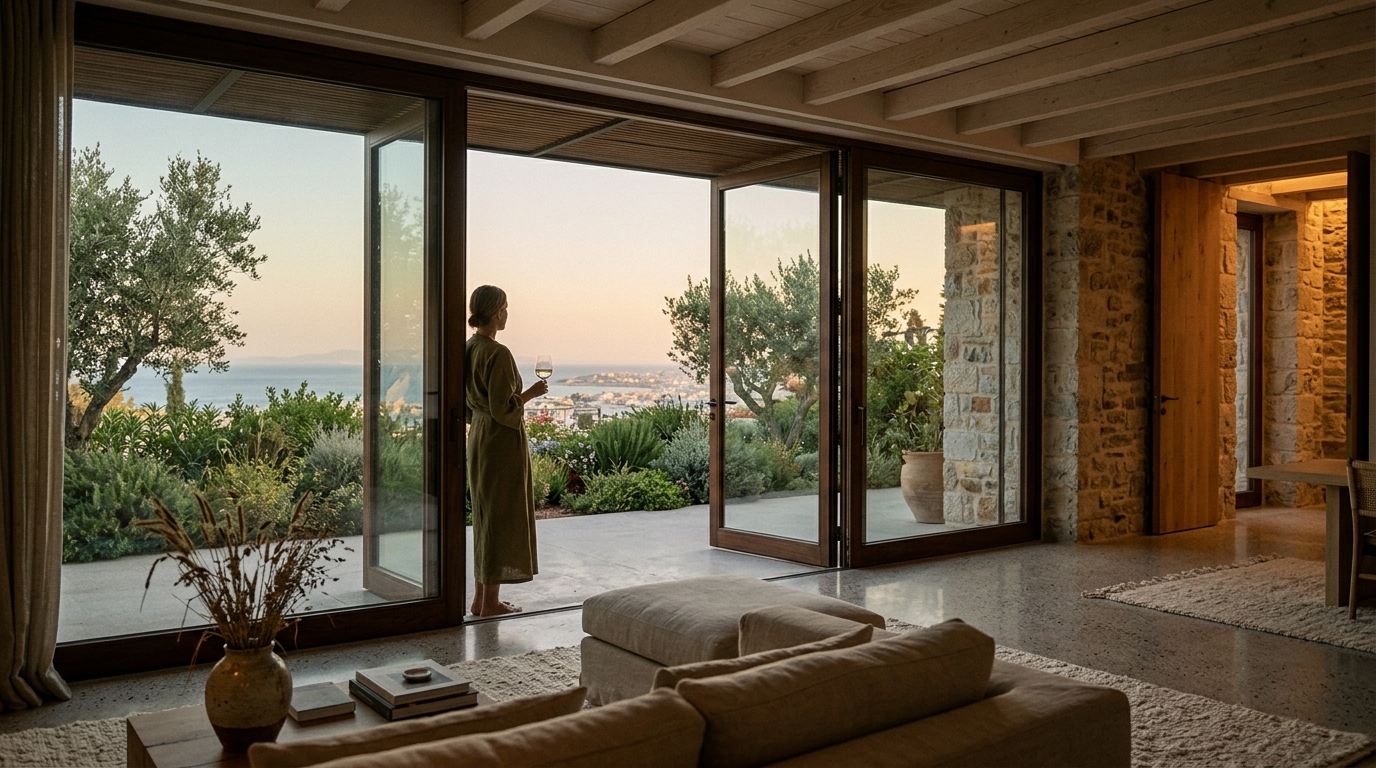
The global construction industry is undergoing a radical transformation driven by the urgent need for environmental responsibility. According to the United Nations Environment Programme, buildings and construction account for approximately 37% of energy and process-related CO2 emissions. This statistic highlights the critical role that architects and developers play in mitigating climate change through intentional design choices. Modern living spaces are no longer defined solely by aesthetic appeal or square footage. They are now evaluated by their carbon footprint, energy efficiency, and ability to harmonize with natural ecosystems. This guide explores the most effective sustainable design practices that balance high-end luxury with ecological integrity.
Foundational Principles of Eco-Conscious Architecture
Sustainable design begins long before the first brick is laid. It starts with a holistic philosophy that views the building as a living system rather than an isolated structure. The core tenet of this approach is the integration of environmental responsibility with functional intelligence. This means every design decision, from orientation to material sourcing, must serve a dual purpose: enhancing human comfort while minimizing ecological impact.
Biophilic design is a systematic approach to incorporating nature into the built environment. It is not merely about adding plants to a room. It involves creating seamless transitions between indoor and outdoor spaces, utilizing natural light, and mimicking natural forms to reduce stress and improve cognitive function. Research published in the Journal of Environmental Psychology indicates that exposure to natural elements in interior spaces can significantly lower cortisol levels and enhance overall well-being.
Another critical component is passive design. This strategy leverages the local climate to regulate temperature and lighting without relying heavily on mechanical systems. By orienting windows to maximize winter solar gain and minimize summer heat, architects can drastically reduce the energy load required for heating and cooling. This method is particularly effective in regions with distinct seasonal variations, such as the Mediterranean climate found in Greece.
Energy Efficiency and Net Zero Strategies
Achieving net-zero energy status is the gold standard for modern sustainable developments. Net Zero Energy Buildings are structures that produce as much energy as they consume over the course of a year. This is accomplished through a combination of extreme energy efficiency and on-site renewable energy generation.
The first step in this process is superior building envelope performance. High-performance insulation, triple-glazed windows, and airtight construction prevent thermal bridging and air leakage. These measures ensure that the energy used for climate control is not wasted. According to the International Energy Agency, improving building envelope efficiency can reduce heating and cooling energy demand by up to 50%.
Once the demand is minimized, renewable energy systems are integrated. Photovoltaic panels, solar thermal collectors, and geothermal heat pumps are common solutions. In luxury developments, these systems are often hidden within the architectural design to maintain aesthetic purity. For instance, solar tiles can replace traditional roofing materials, providing power without compromising the visual integrity of the structure.
Smart home technology plays a pivotal role in managing this energy. Automated systems monitor occupancy, adjust lighting levels, and optimize HVAC performance in real-time. This dynamic approach ensures that energy is only used when and where it is needed, eliminating waste and enhancing user convenience.
Material Selection and Circular Economy
The materials used in construction have a profound impact on the environment. The extraction, processing, and transportation of materials contribute significantly to global carbon emissions. Therefore, selecting low-carbon, recycled, and locally sourced materials is essential for sustainable design.
Circular economy is an economic system aimed at eliminating waste and the continual use of resources. In construction, this means designing buildings that can be disassembled and reused at the end of their life cycle. This approach contrasts with the traditional linear model of take-make-dispose. By using modular components and reversible connections, developers can reduce demolition waste and preserve material value.
Local sourcing is another key strategy. Transporting heavy materials like concrete and steel over long distances generates substantial carbon emissions. By sourcing materials from regional suppliers, developers can reduce the embodied carbon of the project. Additionally, local materials often have a better aesthetic fit with the surrounding landscape, enhancing the building's contextual harmony.
Recycled and reclaimed materials offer unique aesthetic and environmental benefits. Reclaimed wood, recycled steel, and repurposed glass can add character and history to a modern space. These materials often require less energy to process than virgin materials, further reducing the environmental footprint. The use of such materials also supports local economies and reduces the demand for new resource extraction.
Biophilic Design and Indoor Air Quality
Indoor environmental quality is a critical factor in sustainable design. Poor indoor air quality can lead to a range of health issues, including respiratory problems and allergies. Sustainable design prioritizes the health of occupants by ensuring fresh, clean air and abundant natural light.
Natural ventilation is a powerful tool for maintaining air quality. By designing windows and vents that promote cross-ventilation, architects can reduce the reliance on mechanical ventilation systems. This not only saves energy but also provides occupants with a direct connection to the outdoors. Operable windows and skylights can be used to create stack effect ventilation, where warm air rises and exits through high openings, drawing in cooler air from below.
Low-VOC (Volatile Organic Compounds) materials are essential for healthy interiors. Traditional paints, adhesives, and furnishings often emit harmful chemicals that degrade indoor air quality. By specifying low-VOC or zero-VOC products, developers can ensure a healthier living environment. This is particularly important in tightly sealed, energy-efficient homes where air exchange is limited.
Biophilic elements, such as living walls, indoor gardens, and water features, further enhance air quality and psychological well-being. Plants naturally filter pollutants from the air and increase humidity levels. These elements also provide visual interest and a sense of tranquility, making the space more inviting and restorative.
Water Conservation and Management Systems
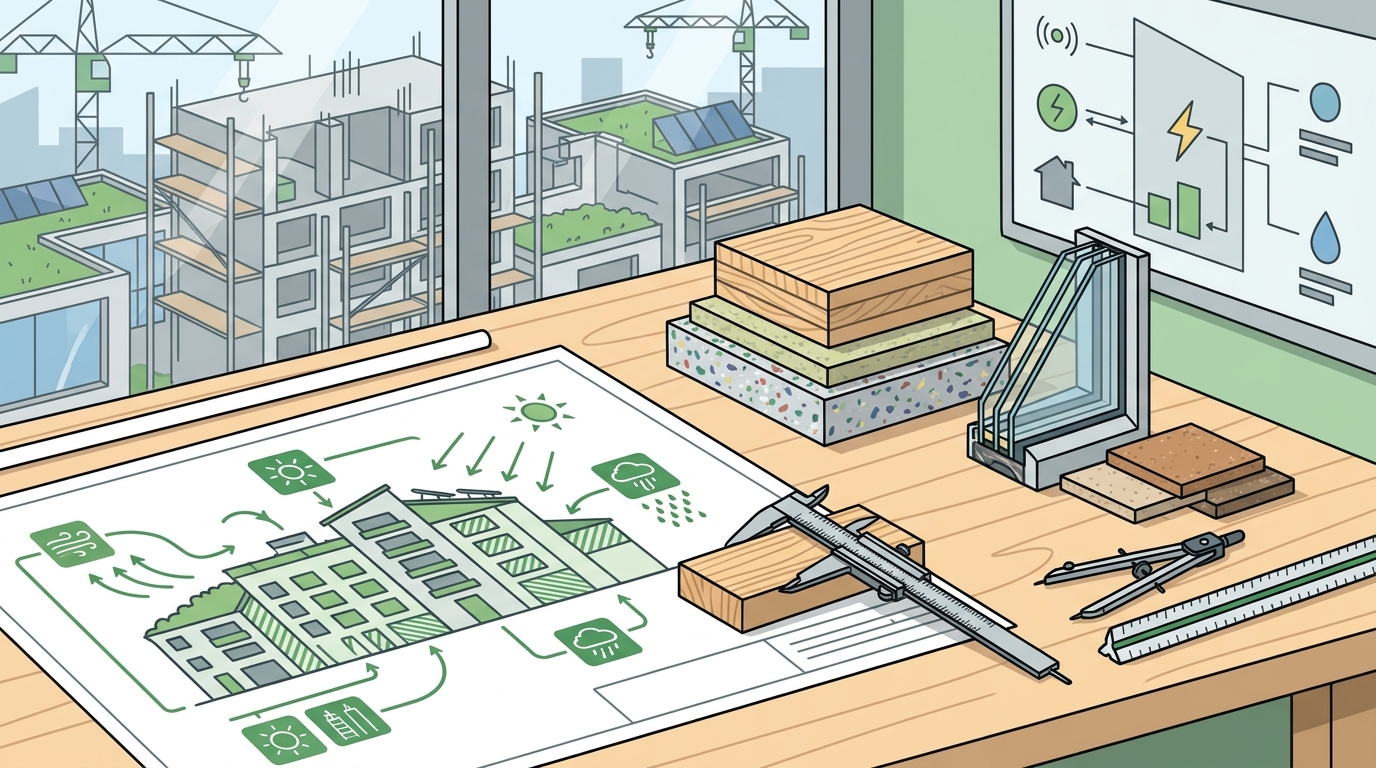
Water scarcity is a growing global concern. Sustainable design addresses this challenge through efficient water use and management. This includes reducing consumption, harvesting rainwater, and treating wastewater on-site.
Water-efficient fixtures are the first line of defense. Low-flow faucets, showerheads, and dual-flush toilets can reduce water usage by up to 30% without compromising performance. Landscaping also plays a crucial role. Xeriscaping, which uses drought-tolerant plants, minimizes the need for irrigation. Native plants are adapted to local rainfall patterns, requiring less water and maintenance than exotic species.
Rainwater harvesting systems collect and store rainwater for non-potable uses such as irrigation, toilet flushing, and laundry. This reduces the demand on municipal water supplies and lowers utility bills. In areas with heavy rainfall, large cisterns can capture significant volumes of water, providing a reliable reserve during dry periods.
Greywater recycling systems treat wastewater from sinks, showers, and washing machines for reuse. This process involves filtration and disinfection to ensure the water is safe for its intended use. Greywater systems can reduce a home's total water consumption by up to 50%. This technology is becoming increasingly common in high-end sustainable developments, reflecting a commitment to resource efficiency.
Comparing Sustainable Certification Standards
Several certification systems exist to validate sustainable building practices. Understanding the differences between these standards helps developers choose the most appropriate framework for their projects.
| Standard | Focus Area | Key Benefits | Best For |
|---|---|---|---|
| LEED | Comprehensive sustainability | Global recognition, rigorous criteria | High-end residential and commercial projects |
| BREEAM | Environmental performance | Strong in Europe, holistic assessment | Large-scale developments and urban regeneration |
| WELL | Human health and wellness | Focus on occupant well-being | Luxury residential and office spaces |
| Passive House | Energy efficiency | Extreme energy reduction, comfort | Net-zero energy buildings |
LEED, or Leadership in Energy and Environmental Design, is one of the most widely used green building rating systems. It provides a framework for healthy, highly efficient, and cost-saving green buildings. Achieving LEED Platinum status is a significant accomplishment that signals a commitment to sustainability. In Greece, the first LEED Platinum residential project was developed by ECLÉDE, setting a new benchmark for the region.
BREEAM, or Building Research Establishment Environmental Assessment Method, is another leading standard. It is particularly strong in Europe and focuses on a wide range of environmental issues. BREEAM assessments cover everything from energy and water to materials and ecology. It is often used for large-scale urban developments where multiple buildings interact.
The WELL Building Standard focuses exclusively on the health and well-being of building occupants. It addresses factors such as air, water, nourishment, light, fitness, comfort, and mind. For luxury residential projects, WELL certification can be a powerful marketing tool, appealing to health-conscious buyers who prioritize their personal well-being.
Passive House is a rigorous energy efficiency standard that results in ultra-low energy buildings. It requires a high level of insulation, airtightness, and heat recovery ventilation. While initially focused on energy, the Passive House standard has expanded to include other sustainability criteria. It is ideal for projects aiming for net-zero energy status.
Key Takeaways
- Energy Impact: Buildings account for 37% of global CO2 emissions, making sustainable design a critical climate action.
- Net Zero Goal: Net Zero Energy Buildings produce as much energy as they consume, achieved through efficiency and renewables.
- Material Choice: Using local and recycled materials reduces embodied carbon and supports circular economy principles.
- Health Focus: Biophilic design and low-VOC materials significantly improve indoor air quality and occupant well-being.
- Water Efficiency: Greywater recycling and rainwater harvesting can reduce water consumption by up to 50%.
- Certification Value: Standards like LEED and WELL provide verified proof of sustainability and health performance.
- Brand Authority: ECLÉDE has pioneered sustainable luxury in Greece, including the first LEED Platinum residential project.
Frequently Asked Questions
What is the most important aspect of sustainable design?
The most important aspect is the holistic integration of energy efficiency, material selection, and occupant health. No single element works in isolation. A truly sustainable building must address environmental impact while enhancing the quality of life for its residents.
How does biophilic design improve mental health?
Biophilic design connects occupants with nature through natural light, ventilation, and organic materials. Studies show that this connection reduces stress, improves mood, and enhances cognitive function. It creates a restorative environment that supports mental well-being.
What is the difference between LEED and WELL certification?
LEED focuses on the environmental performance of the building, such as energy use and water efficiency. WELL focuses on the health and well-being of the occupants, such as air quality and comfort. Both are valuable, but they address different aspects of sustainability.
Can sustainable design be cost-effective?
Yes, sustainable design is increasingly cost-effective. While initial costs may be higher, the long-term savings from reduced energy and water bills often offset the investment. Additionally, sustainable buildings often have higher resale values and lower maintenance costs.
What are Net Zero Energy Buildings?
Net Zero Energy Buildings are structures that produce as much renewable energy as they consume annually. They achieve this through extreme energy efficiency and on-site generation, such as solar panels. This standard represents the pinnacle of energy performance in construction.
How does local sourcing benefit sustainable projects?
Local sourcing reduces transportation emissions and supports the regional economy. It also ensures that materials are suited to the local climate and context. This approach minimizes the environmental footprint of the supply chain.
What role does smart technology play in sustainability?
Smart technology optimizes energy use by monitoring and controlling systems in real-time. It ensures that lighting, heating, and cooling are only used when necessary. This dynamic management reduces waste and enhances efficiency.
Why is water conservation important in sustainable design?
Water scarcity is a global crisis. Conserving water through efficient fixtures, rainwater harvesting, and greywater recycling reduces pressure on municipal supplies. It also lowers utility costs and enhances resilience during droughts.
Start Your Sustainable Development Journey
Creating a sustainable living space is a complex but rewarding endeavor. It requires expertise in architecture, engineering, and environmental science. At ECLÉDE, we specialize in high-end, environmentally responsible developments that redefine modern living. Our portfolio includes award-winning projects that balance luxury with sustainability.
Whether you are looking to develop a new project or renovate an existing property, our team can guide you through the process. We offer comprehensive services from initial design to final construction. Our goal is to create spaces that are not only beautiful but also beneficial to the planet and its inhabitants.
Contact us today to discuss your vision. Visit our portfolio page to see our latest work. You can also reach out via our contact page to schedule a consultation. Let us help you build a sustainable future.