
How Does a Sustainable and Eco-Friendly Property Investment Benefit Me Long-Term?
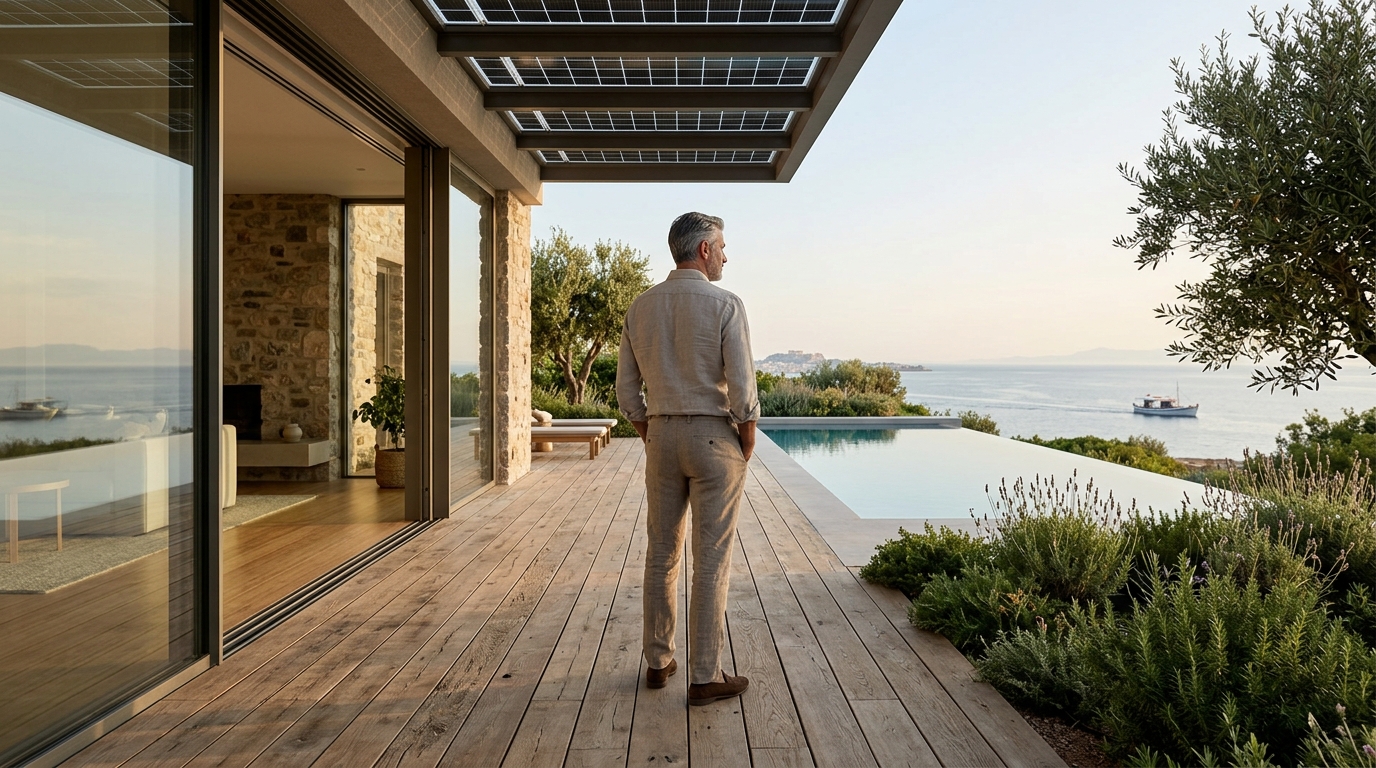
Investing in eco-friendly real estate is no longer just a moral choice; it is a strategic financial decision. According to recent market analyses, sustainable properties often command a premium value and exhibit stronger resilience against market fluctuations compared to traditional builds. This shift is driven by increasing regulatory pressures and consumer demand for energy-efficient living spaces. As we move further into 2026, the gap between green and conventional assets continues to widen, making sustainability a core component of long-term wealth preservation.
Financial Performance and Asset Value
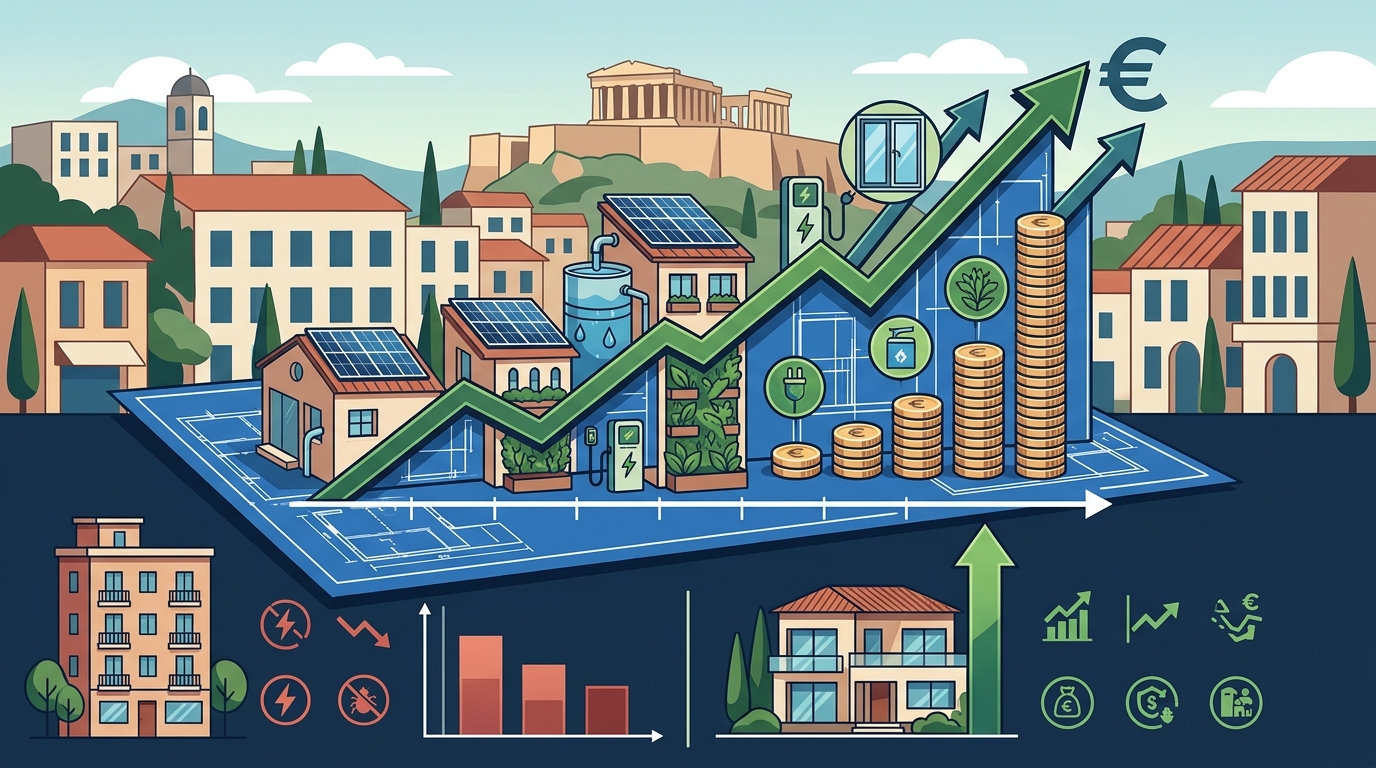
The primary driver for sustainable property investment is its impact on long-term financial returns. Eco-friendly homes are designed to minimize waste and maximize resource efficiency, which directly translates to higher asset values. Buyers are increasingly willing to pay a premium for properties that offer lower utility bills and modern, healthy living environments.
The Green Premium Explained
Research indicates that certified green buildings often sell for more than their non-certified counterparts. This "green premium" is not merely a marketing tactic but a reflection of the tangible benefits these properties offer. From superior insulation to advanced HVAC systems, every component contributes to a higher quality of life that buyers recognize and value.
Furthermore, sustainable properties tend to appreciate at a faster rate. As energy costs continue to rise globally, the relative value of a home that generates its own power or consumes significantly less energy increases. This makes eco-friendly real estate a hedge against inflation and volatile energy markets.
Investment Stability
Long-term investors benefit from the stability of green assets. These properties are less susceptible to obsolescence. As technology evolves, older, inefficient buildings face the risk of becoming "stranded assets"—properties that lose value because they cannot meet modern standards. Sustainable developments, by contrast, are built with future adaptability in mind.
Operational Efficiency and Cost Reduction
One of the most immediate benefits of eco-friendly property investment is the reduction in operational costs. Sustainable buildings are engineered to use less energy and water, leading to lower monthly expenses for owners and tenants alike.
Energy Independence
Net Zero Energy Buildings (NZEBs) represent the pinnacle of operational efficiency. These structures produce as much energy as they consume, often through integrated solar panels and advanced battery storage systems. For investors, this means predictable energy costs and potential revenue streams from selling excess power back to the grid.
The concept of a Net Zero Energy Building is defined as a structure that generates enough renewable energy on-site to offset the total amount of energy it uses over the course of a year. This level of efficiency requires careful design and high-quality materials, but the long-term savings are substantial.
Water Conservation Systems
Beyond energy, water management is a critical component of sustainable investment. Greywater recycling systems and rainwater harvesting reduce reliance on municipal water supplies. In regions prone to drought, such as parts of Southern Europe, these systems provide a layer of security and cost savings that traditional properties cannot match.
Regulatory Compliance and Future-Proofing
Governments worldwide are tightening building codes to meet climate goals. Investing in sustainable property now ensures compliance with current and future regulations, avoiding costly retrofits later.
European Union Directives
The European Union has set ambitious targets for carbon neutrality. Buildings that do not meet these standards may face restrictions on usage or significant penalties. By investing in high-performance green buildings, you align your asset with these regulatory trajectories, ensuring its viability for decades to come.
LEED and BREEAM Certifications
Certifications like LEED (Leadership in Energy and Environmental Design) and BREEAM (Building Research Establishment Environmental Assessment Method) provide third-party validation of a property's sustainability. These labels not only enhance marketability but also often qualify properties for tax incentives and grants.
LEED Platinum certification is the highest level of recognition for sustainable building practices, awarded to projects that demonstrate exceptional performance in energy efficiency, water savings, and material selection. Achieving this status, such as the first LEED Platinum residential project in Greece, sets a new benchmark for luxury and responsibility.
Health, Wellbeing, and Lifestyle
Sustainable properties are designed with human health in mind. The use of non-toxic materials, improved ventilation, and abundant natural light contribute to a healthier living environment. This is particularly important in an era where indoor air quality is recognized as a major factor in overall wellbeing.
Indoor Air Quality
Traditional buildings often trap pollutants and moisture, leading to mold and respiratory issues. Eco-friendly homes utilize advanced filtration systems and breathable materials that maintain fresh, dry air. This reduces the risk of allergies and asthma, creating a sanctuary for residents.
Biophilic Design
Many sustainable developments incorporate biophilic design principles, which seek to connect occupants with nature. This includes green roofs, indoor plants, and views of natural landscapes. Studies show that exposure to nature reduces stress and improves cognitive function, making these homes not just investments but enhancements to daily life.
Current Market Trends in Greece and Beyond
The Greek real estate market is experiencing a significant shift towards sustainability. With a growing focus on eco-tourism and high-end residential development, investors are recognizing the value of green projects in prestigious locations.
Luxury and Sustainability Converge
In the luxury sector, sustainability is no longer a niche feature but a standard expectation. High-net-worth individuals are seeking properties that reflect their values without compromising on comfort or aesthetics. This trend is evident in new developments in Athens and other key urban centers.
Regional Impact
Greece's climate makes energy efficiency particularly relevant. With hot summers and increasing energy demands, properties that offer cooling and heating efficiency are highly sought after. Developers who prioritize these features are capturing a larger share of the market.
Global Comparison
While the Greek market is growing, it is part of a global movement. Countries like Germany and the Netherlands have long been leaders in green building, setting precedents that Greece is now following. Understanding these global trends helps investors anticipate future shifts in local demand.
Key Takeaways
- Financial Resilience: Sustainable properties often appreciate faster and command higher rents due to lower operating costs.
- Regulatory Alignment: Investing in green buildings ensures compliance with evolving EU and local environmental regulations.
- Operational Savings: Net Zero Energy Buildings significantly reduce utility bills through energy generation and efficiency.
- Health Benefits: Improved indoor air quality and biophilic design enhance resident wellbeing and satisfaction.
- Market Demand: There is growing demand for eco-friendly luxury homes in Greece, particularly in Athens.
- Certification Value: LEED and BREEAM certifications provide tangible proof of quality and sustainability.
- Future-Proofing: Green buildings are less likely to become stranded assets as technology and regulations advance.
Frequently Asked Questions
What is the definition of a sustainable property?
A sustainable property is a building designed, constructed, and operated to minimize its environmental impact while maximizing resource efficiency and occupant health.
How much can I save on energy bills with an eco-friendly home?
Savings vary by design, but Net Zero Energy Buildings can reduce energy costs by up to 90% compared to traditional homes. Even moderately efficient homes see significant reductions.
Are sustainable properties more expensive to buy?
While the initial purchase price may be higher, the long-term value often outweighs the cost. The "green premium" reflects the lower operating expenses and higher resale value.
What certifications should I look for?
Look for LEED, BREEAM, or local equivalents like the Greek Green Building Council certifications. These indicate verified performance in energy and water efficiency.
Is eco-friendly real estate a good investment in Greece?
Yes, Greece is seeing a surge in demand for sustainable luxury homes. The climate and regulatory environment make energy efficiency a critical factor for long-term value.
How does biophilic design improve wellbeing?
Biophilic design connects residents with nature through elements like green spaces and natural light, which has been proven to reduce stress and improve mental health.
What is the role of LEED Platinum in real estate?
LEED Platinum is the highest level of sustainability certification, signaling exceptional performance in environmental responsibility and setting a benchmark for luxury living.
Start Your Sustainable Investment Journey
Ready to explore high-performance, environmentally responsible developments? ECLÉDE specializes in creating sustainable luxury residences that offer both aesthetic refinement and long-term investment value. Discover our latest projects and portfolio to see how we redefine modern living.
View Our Portfolio | Contact Us Today