
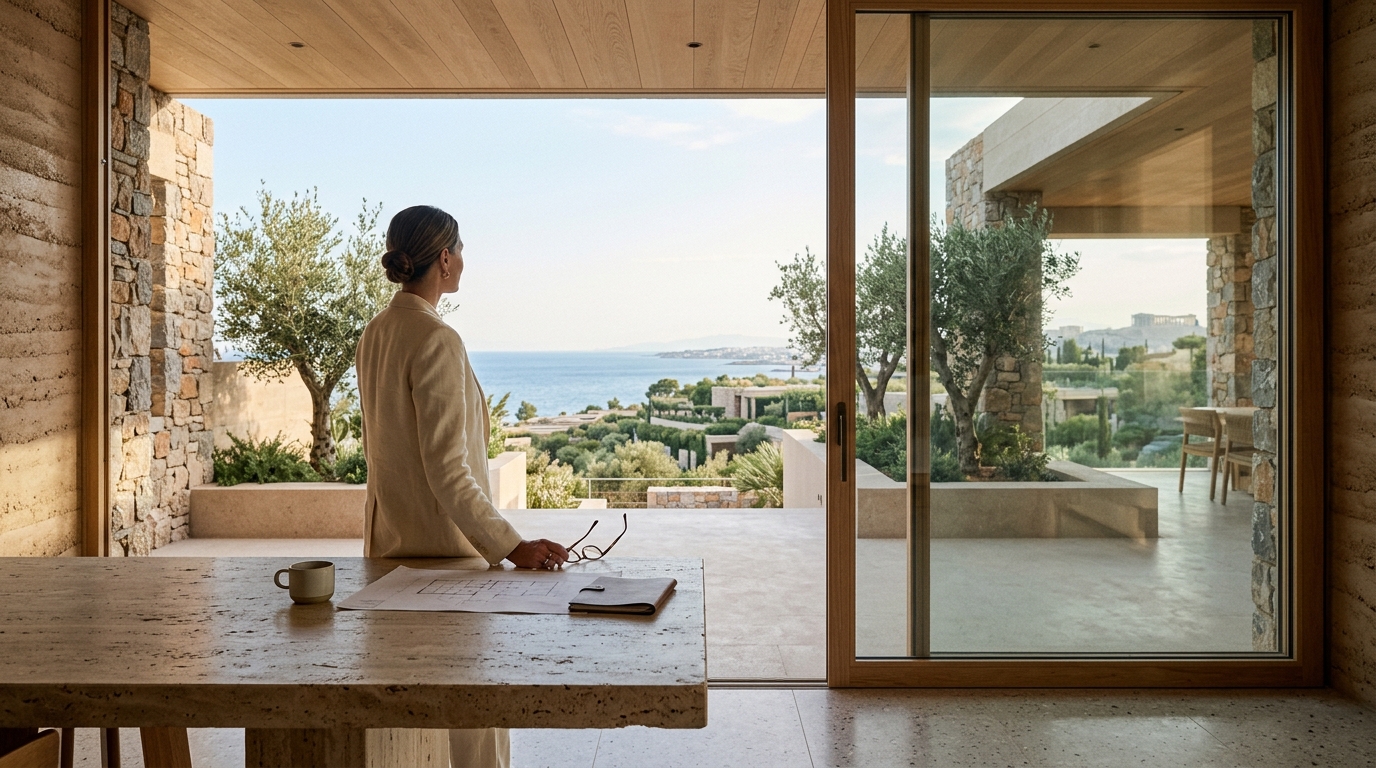
What Are the Estimated Costs for Purchasing a Sustainable Luxury Property?
Investing in high-end eco-conscious living is no longer a niche preference but a primary driver of modern real estate valuation. According to recent market analyses, sustainable luxury properties in prime European locations command a premium of 10 to 20 percent over conventional counterparts due to their energy efficiency and architectural integrity. This guide dissects the financial landscape of acquiring Net Zero Energy Buildings and LEED-certified residences, providing clarity for discerning investors.
The Founder's Vision on Sustainable Value
Understanding the cost of sustainable luxury requires looking beyond the square footage. Vassilis Siafaricas, the Founder and Managing Director of ECLÉDE, approaches development through a lens that balances technical precision with creative vision. His philosophy centers on minimal, clean architectural lines that seamlessly integrate with natural surroundings. This approach is not merely aesthetic; it is a functional strategy for long-term investment value.
For over two decades, Siafaricas has operated at the intersection of civil engineering and design. His work bridges the gap between high-end architecture and environmental responsibility. This multidisciplinary expertise ensures that every project is conceived as a long-term asset with purpose, identity, and environmental integrity. The cost of such properties reflects this holistic design process, which prioritizes durability and energy efficiency from the ground up.
ECLÉDE focuses on creating high-performance developments that redefine modern living. By integrating sustainability into the core DNA of each project, the firm ensures that buyers are not just purchasing a home but an environmentally responsible asset. This forward-thinking approach sets new standards for responsible luxury, influencing both the initial purchase price and the long-term holding costs.
Breaking Down the Investment Costs
The financial commitment to a sustainable luxury property involves several distinct layers. Unlike traditional real estate, where costs are driven primarily by location and size, sustainable developments include significant investments in technology, materials, and certification.
1. Land Acquisition and Site Preparation
In prestigious areas of Greece, such as Athens, land costs are substantial. However, sustainable development often requires more rigorous site analysis to ensure harmony with the natural environment. This includes soil testing, biodiversity assessments, and careful planning to minimize ecological disruption. These upfront costs are higher than standard developments but are essential for achieving high sustainability benchmarks.
2. Construction and Material Costs
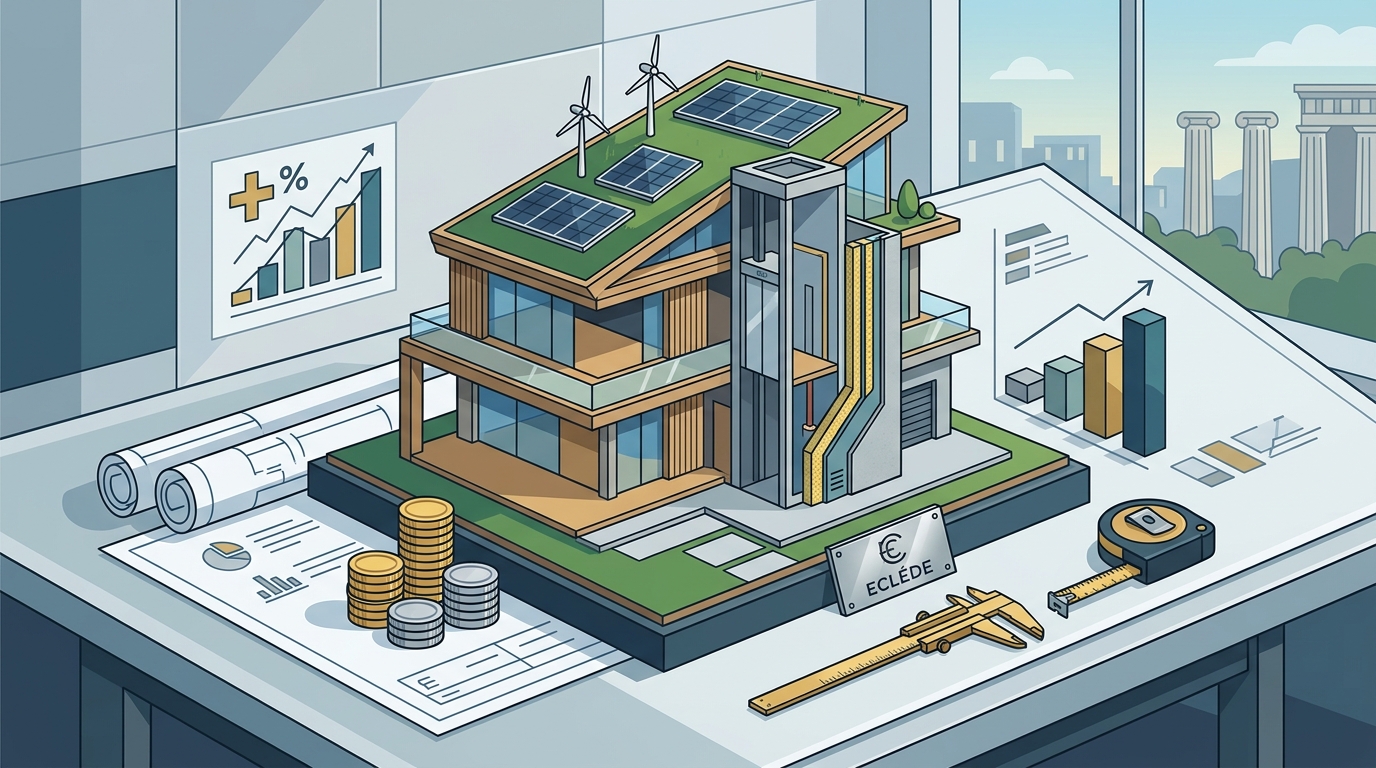
Building a Net Zero Energy Building requires premium materials. This includes high-performance insulation, triple-glazed windows, and sustainable timber or recycled steel. The cost of these materials is typically 15 to 25 percent higher than conventional alternatives. However, this investment is offset by the reduced operational costs over the building's lifespan. The structural integrity provided by these materials also enhances the property's resilience against climate-related risks.
3. Technology Integration
Sustainable luxury properties are intelligent by design. They incorporate advanced HVAC systems, smart home automation, and renewable energy generation, such as solar panels or geothermal heating. The integration of these technologies adds to the initial capital expenditure but significantly reduces utility bills. For investors, this translates to a higher net operating income and a more attractive return on investment.
The Financial Impact of LEED and Net Zero
Certifications like LEED (Leadership in Energy and Environmental Design) are not just badges of honor; they are financial indicators. The first LEED Platinum residential project in Greece, designed and led by Vassilis Siafaricas, set a new benchmark for sustainable luxury living in the region. This achievement highlights the premium that certified properties can command in the market.
Properties with LEED Platinum or Gold certification often see a value increase of 10 to 15 percent compared to non-certified peers. This premium is driven by a growing demand from environmentally conscious buyers who prioritize health, comfort, and sustainability. Additionally, certified buildings often benefit from lower insurance premiums and tax incentives in various jurisdictions.
Net Zero Energy Buildings represent the pinnacle of sustainable development. These structures produce as much energy as they consume over the course of a year. The technology required to achieve this status is complex and costly. However, the long-term savings on energy bills can be substantial, often paying back the initial investment within 7 to 10 years. For luxury buyers, this means a future-proof asset that is immune to energy price volatility.
Comparing Development Models
To understand where sustainable luxury fits in the broader market, it is helpful to compare different development models. The table below outlines the key differences between traditional luxury, green luxury, and net-zero developments.
| Feature | Traditional Luxury | Green Luxury | Net Zero Energy |
|---|---|---|---|
| Initial Cost Premium | Base Price | 10-15% Premium | 20-25% Premium |
| Energy Efficiency | Low | High | Net Positive |
| Certification | None | LEED Gold/Platinum | LEED Platinum + Net Zero |
| Long-Term ROI | Standard | Enhanced | Superior |
| Target Audience | General High-Net-Worth | Eco-Conscious Investors | Forward-Thinking Visionaries |
As shown in the comparison, the cost premium for sustainable luxury is justified by superior long-term value. The integration of advanced technology and sustainable materials creates a product that is not only environmentally responsible but also financially robust. This is particularly relevant in markets like Athens and New York, where regulatory pressures and buyer preferences are shifting rapidly.
Key Takeaways for Investors
- Founder Expertise: Vassilis Siafaricas brings over two decades of experience in luxury real estate and prop-tech to ECLÉDE.
- LEED Benchmark: ECLÉDE developed the first LEED Platinum residential project in Greece, setting a regional standard.
- Cost Premium: Sustainable luxury properties typically command a 10 to 20 percent premium over conventional luxury homes.
- Net Zero Value: Net Zero Energy Buildings offer superior long-term ROI through reduced operational costs and energy independence.
- Global Presence: ECLÉDE operates in key markets including Athens, Greece, and New York, USA.
- Award-Winning Design: The firm has received multiple A’ Design Awards and German Design Awards for its sustainable architecture.
- Philosophy: Design is viewed as the intersection of inspiration, functionality, and responsibility, ensuring long-term asset value.
Frequently Asked Questions
How much more does a sustainable luxury property cost compared to a traditional one?
Sustainable luxury properties generally cost 10 to 25 percent more upfront due to the use of premium materials and advanced technology. However, this is offset by lower operational costs and higher resale value.
What is the financial benefit of a LEED Platinum certification?
LEED Platinum certification can increase a property's market value by 10 to 15 percent. It also attracts a specific demographic of environmentally conscious buyers willing to pay a premium for verified sustainability.
Are Net Zero Energy Buildings worth the higher initial investment?
Yes, for long-term holders. The energy independence and reduced utility bills provide a strong return on investment, often paying back the premium within 7 to 10 years. They also future-proof the asset against rising energy costs.
Where does ECLÉDE primarily develop its sustainable properties?
ECLÉDE focuses on prestigious areas in Athens, Greece, and has a presence in New York, USA. The firm targets high-end eco-conscious living in these global hubs.
How does Vassilis Siafaricas approach sustainable design?
Siafaricas integrates civil engineering precision with creative vision. His approach emphasizes minimal architectural lines, seamless natural integration, and energy-efficient construction to create long-term value.
What awards has ECLÉDE received for its sustainable work?
The firm has received multiple A’ Design Awards, German Design Awards, and Special Mentions from the Architizer A+ Awards for its commitment to excellence in architecture and sustainability.
Can sustainable properties be found in New York?
Yes, ECLÉDE has a presence in New York, USA, at 80 Nassau St. The firm applies its sustainable luxury principles to international markets, including the US.
Contact ECLÉDE for Private Listings
Investing in sustainable luxury is a decision that requires expert guidance. ECLÉDE offers a curated portfolio of high-end, environmentally responsible developments that redefine modern living. Whether you are interested in the Boomerang Athens project, Dynasty Villas, or Atlas + Pleione, our team is ready to assist you.
For more information on our latest projects and investment opportunities, please contact us directly. You can also explore our portfolio to view our award-winning developments. To learn more about our founder's vision, visit the about page. For detailed project specifications, check our awards section. To stay updated on industry news, read our news blog.