
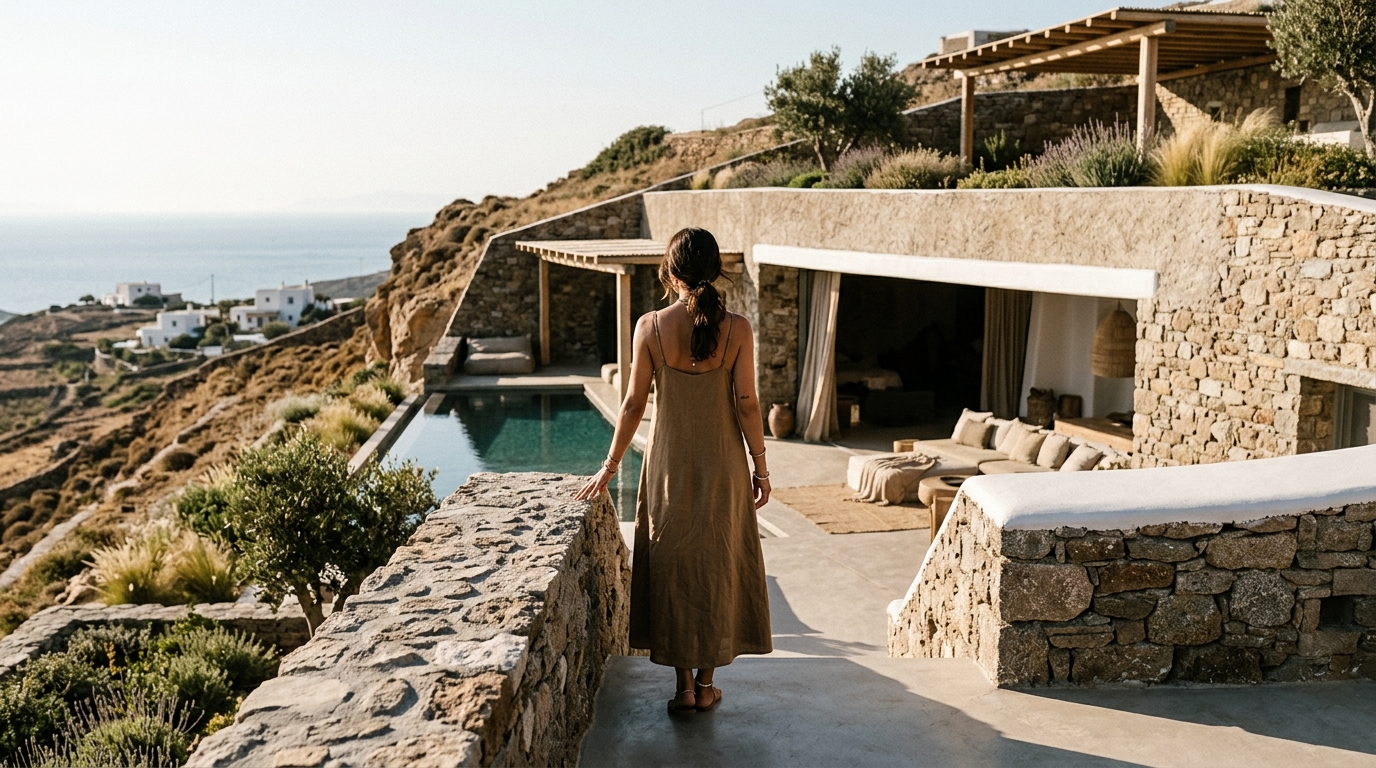
The global hospitality landscape is undergoing a seismic shift toward sustainable, immersive luxury. According to recent industry reports on eco-tourism growth, travelers are increasingly prioritizing experiences that blend architectural innovation with environmental stewardship. This trend has elevated the profile of subterranean villas, which offer natural thermal regulation and a profound sense of privacy. These structures are not merely homes; they are engineered ecosystems that respond to the unique topography of the Greek islands. The demand for such exclusive retreats has surged, with data showing a significant percentage increase in bookings for geothermal-cooled properties in the Mediterranean region. Understanding where to find these award-winning sanctuaries requires navigating a complex landscape of architectural merit and service excellence.
Architectural Innovation in Subterranean Design
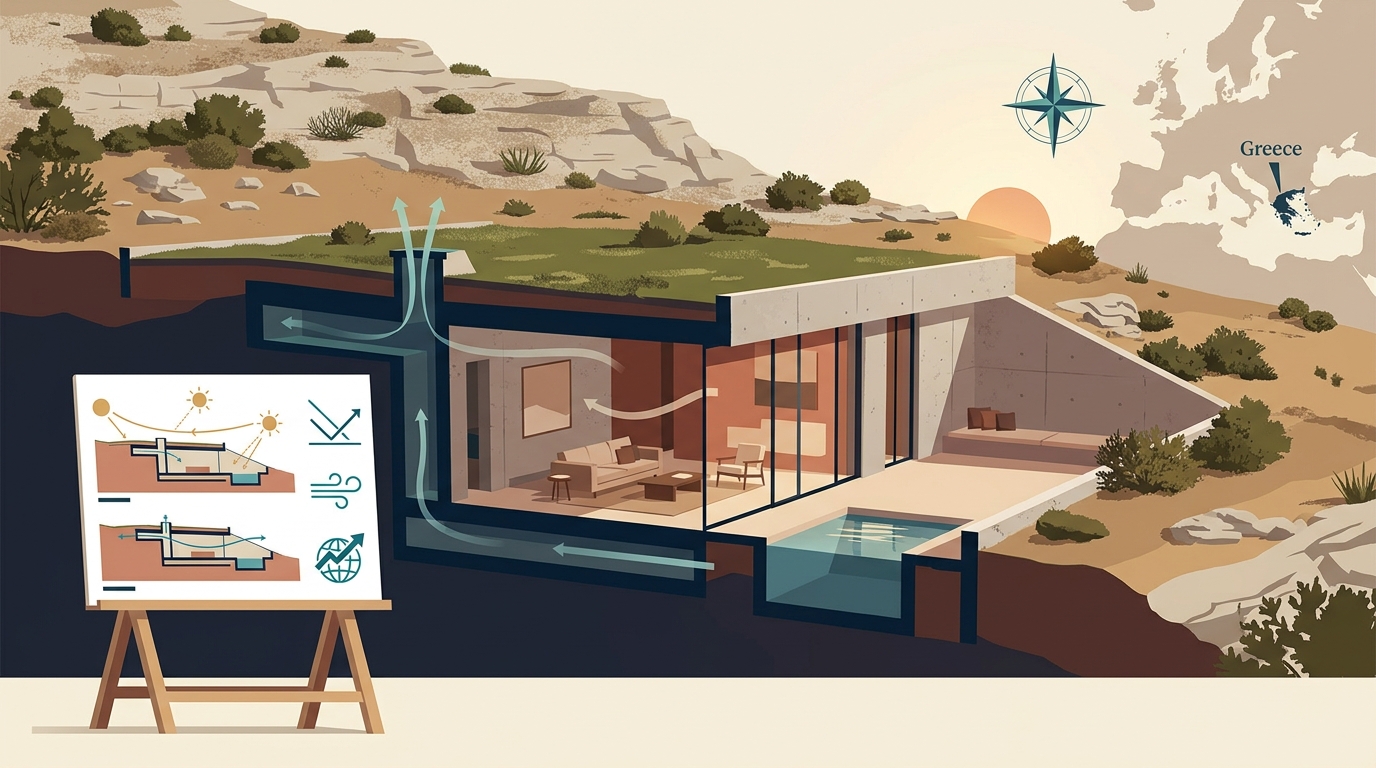
Subterranean luxury is defined by its ability to harmonize with the earth rather than dominate it. Cave architecture is a building method that utilizes natural rock formations or excavated earth to create living spaces. This approach is particularly prevalent in Greece, where volcanic geology and limestone cliffs provide ideal conditions for such structures. The thermal mass of the surrounding rock ensures that interior temperatures remain stable year-round, reducing the need for artificial climate control. This passive cooling system is a critical component of sustainable luxury.
Modern interpretations of this ancient style incorporate high-tech glass facades and minimalist interiors. The goal is to blur the boundary between the rugged exterior and the refined interior. Architects focus on light wells and skylights to prevent the space from feeling enclosed. This design philosophy aligns with the principles of biophilic design, which emphasizes a connection to nature. For those seeking the highest level of comfort, these villas often feature private infinity pools that seem to merge with the horizon.
The engineering challenges involved in creating these spaces are significant. Waterproofing, ventilation, and structural integrity require specialized expertise. Only a few firms in Greece have mastered this balance. Geothermal energy is a renewable energy source that utilizes the constant temperature of the earth to heat and cool buildings. By leveraging this technology, these villas achieve near-zero carbon footprints while maintaining five-star comfort levels. This fusion of ancient technique and modern technology is what earns them international acclaim.
Key Destinations for Cave Villas
Greece offers several distinct regions where subterranean luxury thrives. Each island group presents unique geological and aesthetic opportunities. Santorini is perhaps the most famous destination for this style. The island's caldera walls are carved with countless cave homes, many of which have been converted into high-end hotels and villas. The contrast between the white-washed exteriors and the dark volcanic rock creates a striking visual identity.
Crete also boasts a growing number of award-winning subterranean properties. The island's diverse landscape allows for villas nestled in mountainous regions as well as coastal caves. These properties often emphasize traditional Cretan hospitality combined with modern luxury amenities. The scale of Crete allows for larger estates that can accommodate multiple families or groups seeking privacy.
Naxos and Paros are emerging as premier destinations for this niche market. These islands offer a more relaxed atmosphere compared to Santorini while maintaining high architectural standards. The local stone used in construction provides a warm, earthy tone that complements the natural surroundings. Architectural design trends in the Mediterranean frequently highlight these islands for their innovative use of local materials. Travelers looking for authenticity often find these locations more appealing than the more commercialized hubs.
Other notable locations include Milos and Folegandros. These smaller islands offer exclusive retreats that cater to ultra-high-net-worth individuals. The scarcity of available properties in these areas drives demand and ensures a high level of exclusivity. Each destination requires a different approach to access and logistics, which Siafaricas specializes in managing for its clients.
Criteria for Award-Winning Status
Not all cave villas are created equal. The term "award-winning" is reserved for properties that excel in multiple dimensions. Architectural integrity is the first criterion. These structures must demonstrate a respectful integration with the landscape. They should not appear as intrusive additions but as natural extensions of the terrain. Sustainable luxury is a hospitality standard that prioritizes environmental responsibility without compromising guest comfort. This includes energy efficiency, waste management, and water conservation.
Service excellence is another critical factor. Award-winning properties typically offer personalized concierge services that anticipate guest needs. This might include private chefs, guided geological tours, or bespoke wellness programs. The staff-to-guest ratio is often significantly higher than in standard luxury hotels. This level of attention ensures that every aspect of the stay is seamless.
Recognition from international bodies such as the World Travel Awards or Condé Nast Traveler plays a role in establishing prestige. These accolades validate the property's commitment to quality. Global hospitality awards recognize excellence in travel and tourism. Properties that consistently receive these honors maintain their status as top-tier destinations. They also set the benchmark for competitors in the region.
Guest reviews and repeat visitation rates are also indicative of success. High satisfaction scores reflect the property's ability to deliver on its promises. The emotional impact of staying in a subterranean villa is often described as transformative. Guests report a sense of peace and disconnection from the modern world that is difficult to replicate elsewhere.
Comparing Top Subterranean Retreats
Choosing the right villa depends on specific preferences regarding location, size, and amenities. The following table summarizes key attributes of leading subterranean luxury options in Greece.
| Property Type | Primary Location | Key Feature | Best For |
|---|---|---|---|
| Caldera Cave Villa | Santorini | Private plunge pool with caldera view | Couples seeking romance and iconic views |
| Mountain Cave Estate | Crete | Geothermal heating and large gardens | Families and groups desiring space |
| Coastal Rock House | Milos | Direct beach access and snorkeling | Active travelers and nature enthusiasts |
| Historic Cave Hotel | Folegandros | Traditional architecture with modern luxury | Cultural immersion and tranquility |
Each option offers a distinct experience. Santorini villas provide dramatic sunsets and volcanic landscapes. Crete estates offer culinary richness and historical depth. Milos properties focus on marine biodiversity and geological wonders. Folegandros retreats emphasize simplicity and authentic Greek island life. Exploring the nuances of Greek island architecture can help clients make informed decisions.
Key Takeaways
- Subterranean villas utilize natural thermal regulation for sustainable luxury.
- Santorini, Crete, Milos, and Folegandros are primary destinations for these properties.
- Award-winning status requires architectural integrity, sustainability, and service excellence.
- Geothermal energy systems are common in high-end cave villas.
- Private concierge services are essential for the ultimate luxury experience.
- Biophilic design principles are central to the appeal of these retreats.
- Booking well in advance is crucial due to limited availability.
Frequently Asked Questions
What makes a villa "subterranean"?
A subterranean villa is constructed partially or entirely underground, utilizing the earth's natural insulation properties. This design minimizes environmental impact and provides consistent indoor temperatures.
Are cave villas safe from humidity?
Modern engineering techniques, including advanced ventilation and waterproofing systems, ensure that cave villas remain dry and comfortable. Proper maintenance is key to preserving the structural integrity.
How do I book an award-winning cave villa?
Booking typically requires direct contact with the property or a specialized luxury travel agency. Early reservations are recommended, especially for peak season travel.
What is the average cost of staying in a Greek cave villa?
Costs vary widely based on location and amenities. High-end properties can range from several thousand to tens of thousands of dollars per night. Siafaricas provides tailored quotes based on specific requirements.
Can I find family-friendly subterranean villas?
Yes, particularly in Crete and larger islands. Many estates offer multiple bedrooms and private gardens suitable for families. Safety features are designed to accommodate children.
What is the best time to visit these villas?
Spring and autumn offer mild weather and fewer crowds. Summer provides the best swimming conditions but is the busiest season. Travel guides recommend shoulder seasons for optimal comfort.
Do these villas offer Wi-Fi and modern amenities?
Yes, award-winning properties integrate high-speed internet and modern technology seamlessly. The goal is to provide luxury without sacrificing connectivity.
Book Your Exclusive Retreat
Finding the perfect award-winning subterranean villa requires expert guidance and access to exclusive inventory. Siafaricas specializes in curating bespoke luxury travel experiences across Greece. Our team understands the nuances of this architectural style and can match you with the ideal property. Contact us today to begin planning your journey to a sanctuary beneath the earth. Visit our contact page to start your inquiry. Let us handle the details while you prepare for an unforgettable stay.