
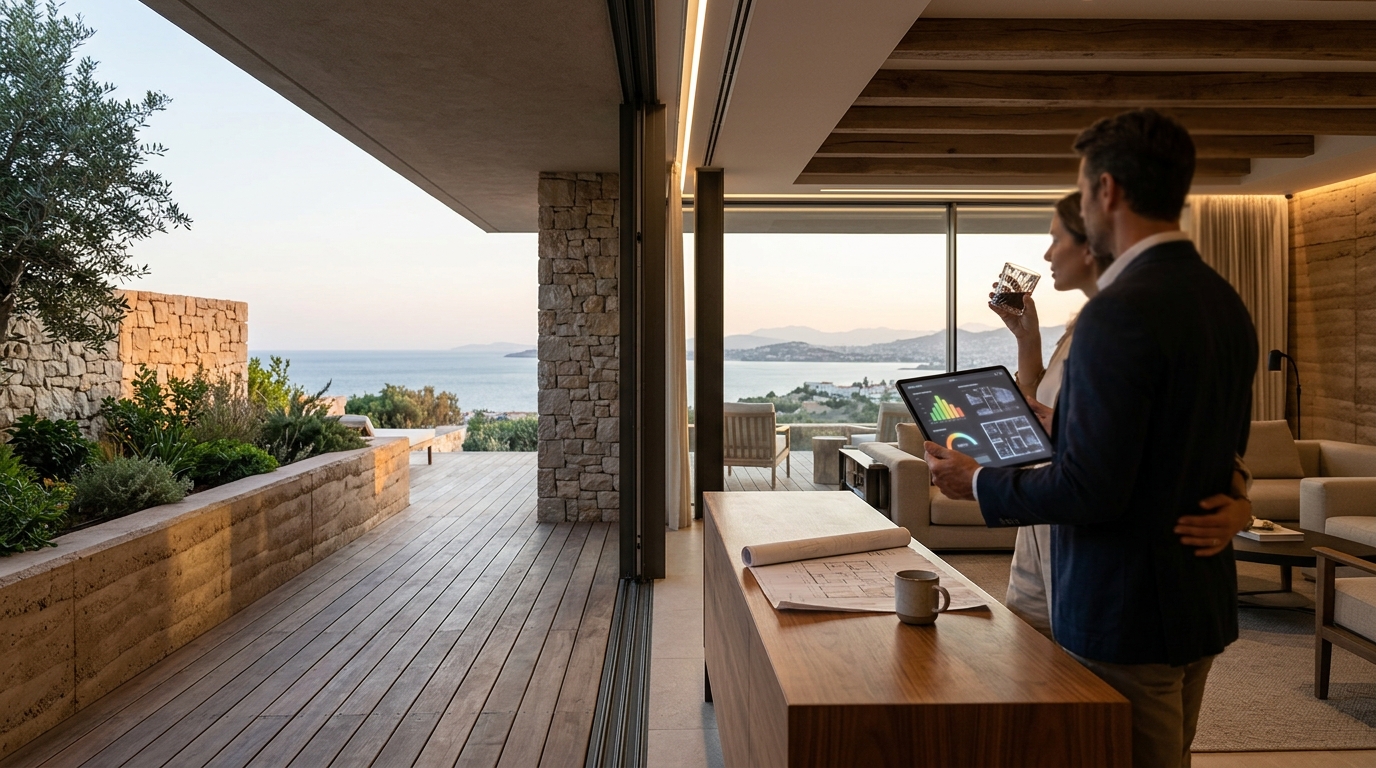
Sustainable Luxury: Key Design Features to Look for in High-End Properties
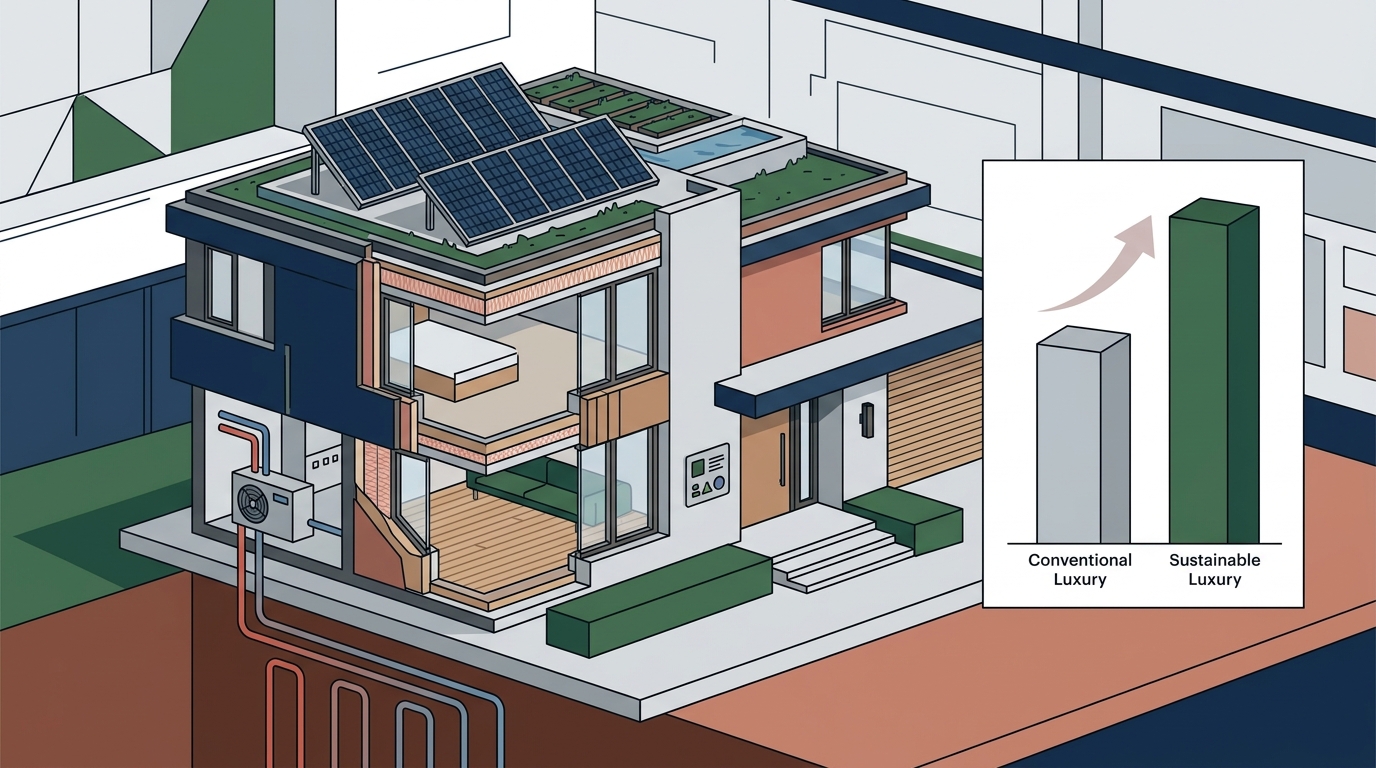
The definition of luxury has fundamentally shifted in the modern real estate landscape. It is no longer defined solely by opulent finishes or expansive square footage. Instead, true high-end living is now measured by environmental responsibility, energy efficiency, and long-term asset integrity. According to recent industry analyses, sustainable buildings now command a premium valuation of up to 20% over conventional properties in major global markets. This shift reflects a broader understanding that eco-conscious design is not just an ethical choice but a financial imperative for discerning investors.
Energy Efficiency and Net Zero Standards
At the core of sustainable luxury is the pursuit of energy independence. High-performance properties prioritize insulation, thermal bridging elimination, and advanced glazing technologies to minimize energy loss. The goal is to create a building envelope that acts as a thermal barrier, maintaining consistent indoor temperatures regardless of external weather conditions.
One of the most significant benchmarks in this category is the Net Zero Energy Building standard. This concept refers to a structure that produces as much energy as it consumes over the course of a year. Achieving this requires a combination of passive design strategies and active renewable energy systems. For instance, integrating photovoltaic panels with high-efficiency heat pumps can drastically reduce reliance on the grid.
Vassilis Siafaricas, a multidisciplinary entrepreneur and designer, emphasizes that design is the intersection of inspiration, functionality, and responsibility. His work with ECLÉDE demonstrates how minimal, clean architectural lines can enhance energy performance while maintaining aesthetic refinement. By focusing on holistic development, projects like those in Athens and New York set new benchmarks for sustainable luxury living.
When evaluating a property, look for certifications such as LEED Platinum or Passive House. These certifications validate that the building has undergone rigorous testing for air tightness, thermal performance, and renewable energy integration. A LEED Platinum residential project, for example, represents the highest level of environmental certification, ensuring that every aspect of the construction meets strict sustainability criteria.
Material Integrity and Indoor Air Quality
Luxury is also defined by the quality of the air you breathe and the materials that surround you. Sustainable design prioritizes non-toxic, low-VOC (Volatile Organic Compounds) materials to ensure superior indoor air quality. This includes the use of natural stone, reclaimed wood, and certified sustainable timber that does not contribute to indoor pollution.
Indoor air quality is critical for health and well-being. Poor ventilation can lead to the accumulation of pollutants, affecting respiratory health and cognitive function. High-end properties address this through advanced HVAC systems with HEPA filtration and heat recovery ventilators. These systems ensure that fresh air is continuously circulated while retaining thermal energy.
The choice of materials also impacts the building's carbon footprint. Embodied carbon refers to the total greenhouse gas emissions generated during the manufacturing, transport, and construction of building materials. By selecting locally sourced materials, developers can significantly reduce these emissions. This approach not only supports local economies but also minimizes the environmental impact of logistics.
ECLÉDE’s philosophy centers on seamless integration with natural surroundings. This is achieved by using materials that age gracefully and blend with the environment. For example, the use of natural ventilation strategies in Dynasty Villas allows residents to enjoy fresh air without compromising on comfort or style. This approach reflects a forward-thinking perspective that combines high-end design with environmental responsibility.
Advanced Water Management Systems
Water scarcity is a growing concern in many luxury real estate markets. Sustainable properties address this through advanced water management systems that reduce consumption and promote reuse. These systems include rainwater harvesting, greywater recycling, and smart irrigation technologies.
Rainwater harvesting involves collecting and storing rainwater from rooftops for later use. This water can be used for irrigation, toilet flushing, and even laundry, significantly reducing the demand for municipal water supplies. In regions with high rainfall, this system can provide a substantial portion of a home's non-potable water needs.
Greywater recycling takes this a step further by treating wastewater from sinks, showers, and washing machines. This treated water is then reused for irrigation or other non-drinking purposes. Advanced filtration systems ensure that the water is safe and odorless, maintaining the luxury experience without the environmental cost.
Smart irrigation systems use weather data and soil moisture sensors to optimize watering schedules. This prevents overwatering and ensures that plants receive the exact amount of water they need. By reducing water waste, these systems contribute to the overall sustainability of the property and lower utility bills for the owner.
Smart Home Integration for Sustainability
Technology plays a pivotal role in sustainable luxury. Smart home systems allow residents to monitor and control energy usage in real-time. These systems can automate lighting, heating, and cooling based on occupancy and weather conditions, ensuring that energy is not wasted when spaces are unoccupied.
Energy monitoring dashboards provide detailed insights into power consumption. This data helps homeowners identify inefficiencies and make informed decisions about their energy use. For example, if a particular appliance is consuming excessive power, the system can alert the user, prompting them to replace it with a more efficient model.
Automated shading systems are another key feature. These systems adjust window blinds and awnings based on the sun's position to regulate indoor temperatures. By blocking excessive heat in the summer and allowing solar gain in the winter, these systems reduce the load on HVAC systems and improve comfort.
The integration of smart technology also extends to security and convenience. Keyless entry, remote monitoring, and automated maintenance alerts ensure that the property remains secure and well-maintained. This level of control enhances the living experience while supporting sustainable practices.
Biophilic Design and Natural Integration
Biophilic design is the practice of connecting building occupants more closely to nature. This approach recognizes that humans have an innate need to connect with the natural world. By incorporating natural elements into the built environment, biophilic design improves mental health, productivity, and overall well-being.
Key elements of biophilic design include natural light, ventilation, and views of nature. Large windows and open floor plans allow sunlight to penetrate deep into the interior, reducing the need for artificial lighting. Views of gardens, water features, or landscapes provide a sense of tranquility and connection to the outdoors.
Living walls and indoor gardens are also common features in sustainable luxury properties. These green installations not only improve air quality but also add visual interest and texture to the space. They create a microclimate that regulates humidity and temperature, enhancing comfort.
ECLÉDE’s projects, such as Boomerang Athens, exemplify this approach by blending architecture with the natural landscape. The design ensures that each unit has access to outdoor spaces and natural light, creating a harmonious living environment. This holistic approach enhances both human experience and environmental harmony.
Comparing Sustainable Luxury Options
When evaluating sustainable luxury properties, it is essential to compare the specific features and certifications of each option. The table below outlines key differences between common sustainable design approaches.
| Feature | Standard Luxury | Sustainable Luxury | Net Zero Luxury |
|---|---|---|---|
| Energy Source | Grid Dependent | Grid + Solar | 100% Renewable |
| Insulation | Code Minimum | High Performance | Passive House Standard |
| Water Usage | Standard Fixtures | Low Flow + Recycling | Zero Discharge |
| Materials | Conventional | Low VOC / Recycled | Carbon Negative |
| Certification | None | LEED Gold | LEED Platinum / Passive House |
As seen in the comparison, Net Zero Luxury properties offer the highest level of sustainability. However, Sustainable Luxury options provide a balanced approach that is often more accessible and cost-effective. Standard Luxury properties may lack the long-term value and health benefits associated with sustainable design.
Key Takeaways
- Net Zero Energy buildings produce as much energy as they consume, setting a new standard for luxury real estate.
- LEED Platinum certification represents the highest level of environmental performance in residential development.
- Biophilic Design improves mental well-being by integrating natural elements like light, air, and greenery into the home.
- Smart Home Systems automate energy usage, reducing waste and lowering utility costs for residents.
- Vassilis Siafaricas has over two decades of experience in luxury real estate and prop-tech, leading ECLÉDE's sustainable initiatives.
- Indoor Air Quality is enhanced by low-VOC materials and advanced ventilation, critical for high-end living.
- Water Management systems like rainwater harvesting and greywater recycling reduce reliance on municipal supplies.
Frequently Asked Questions
What is the difference between LEED Gold and LEED Platinum?
LEED Platinum is the highest certification level, requiring more points for energy efficiency, water savings, and material selection than LEED Gold. It signifies a comprehensive commitment to sustainability.
How does biophilic design impact property value?
Properties with biophilic design features often command higher resale values due to improved occupant health and well-being, which are increasingly prioritized by luxury buyers.
What is a Net Zero Energy Building?
A Net Zero Energy Building is a structure that produces as much renewable energy as it consumes annually, typically through solar panels and high-efficiency systems.
Why is indoor air quality important in luxury homes?
High indoor air quality reduces health risks associated with pollutants and allergens, ensuring a healthier living environment for residents.
Can sustainable luxury homes be as stylish as traditional ones?
Yes, sustainable design focuses on aesthetics and functionality. Modern eco-friendly materials and technologies allow for stunning, contemporary designs that rival traditional luxury.
What role does smart technology play in sustainability?
Smart technology optimizes energy and water usage through automation and real-time monitoring, reducing waste and improving efficiency.
How do I verify a property's sustainability claims?
Look for third-party certifications like LEED, Passive House, or BREEAM. These provide verified data on the building's environmental performance.
Begin Your Sustainable Development Journey
Discover the intersection of high-end design and environmental responsibility. Explore the portfolio of ECLÉDE to see how sustainable luxury is redefining modern living. Contact us today to learn more about our upcoming projects in Athens and New York.
Contact ECLÉDE for Sustainable Development Inquiries