
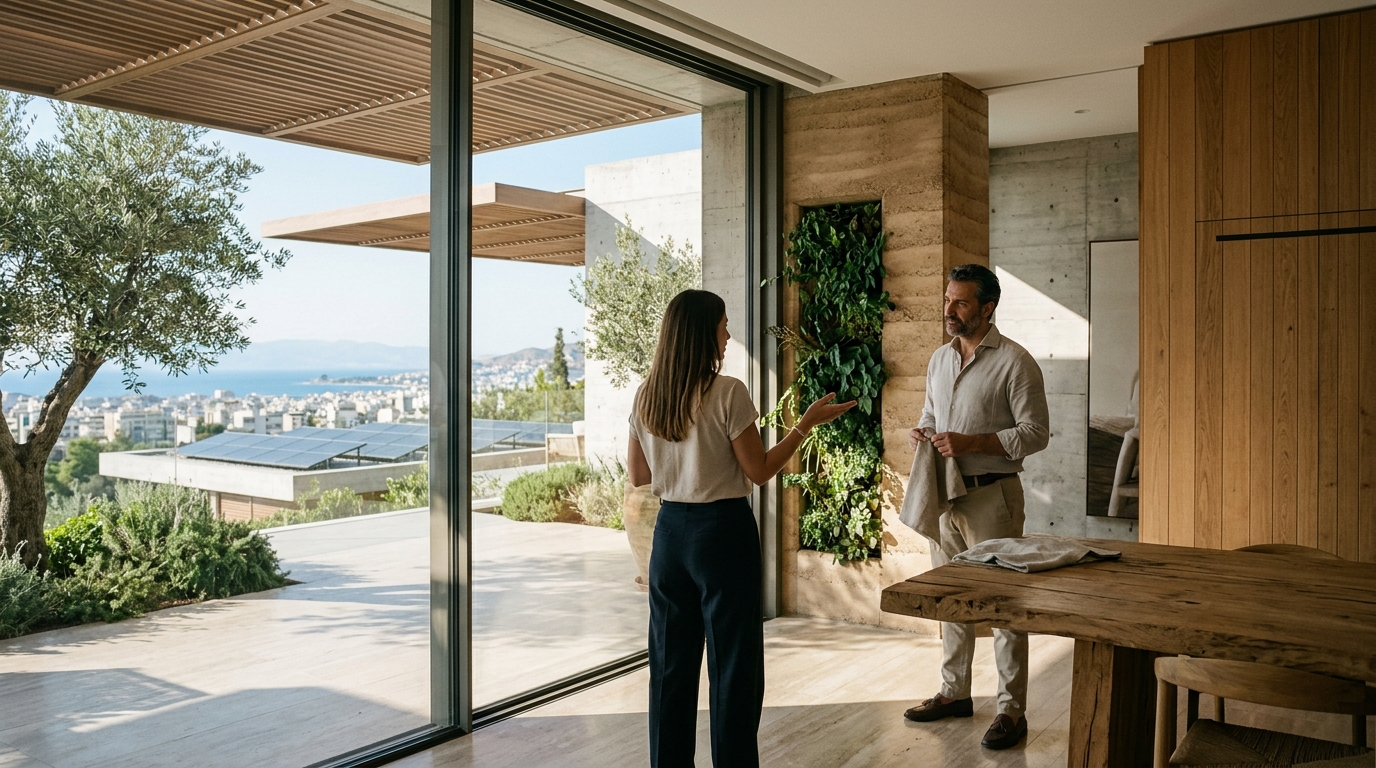
Modern architecture is undergoing a fundamental shift where environmental responsibility is no longer an optional add-on but the core structural foundation of high-end development. According to recent industry analyses, the construction sector accounts for nearly 40% of global carbon emissions, making the adoption of Net Zero Energy Buildings a critical imperative for forward-thinking developers. This transition is driven by a convergence of regulatory pressure, consumer demand for energy efficiency, and the long-term economic benefits of reduced operational costs. For luxury real estate, sustainability has become a primary value driver, redefining what it means to live in a space that is both aesthetically refined and ecologically intelligent.
Energy Efficiency and Net Zero Standards
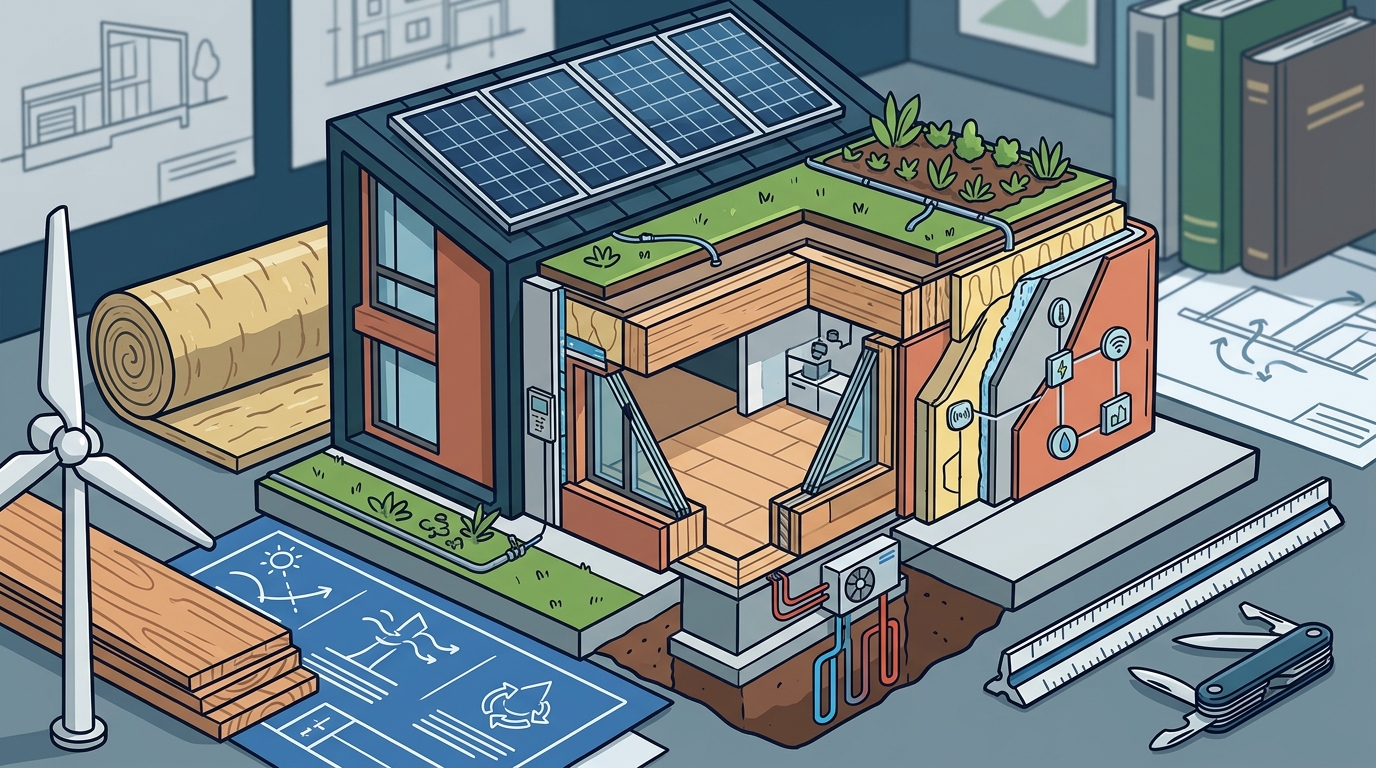
The cornerstone of sustainable modern living is the pursuit of Net Zero Energy status. This concept defines a building that produces as much energy as it consumes over the course of a year. Achieving this requires a holistic approach that begins with the building envelope. High-performance insulation, triple-glazed windows, and thermal bridge-free construction details are essential to minimize heat loss in winter and heat gain in summer. By reducing the load on heating and cooling systems, the overall energy demand drops significantly, making renewable energy integration more feasible and cost-effective.
Renewable energy systems, such as photovoltaic panels and geothermal heat pumps, play a pivotal role in this ecosystem. In regions with high solar irradiance, rooftop solar arrays can offset a substantial portion of electricity usage. Meanwhile, geothermal systems leverage the stable temperature of the earth to provide efficient heating and cooling. The integration of these systems is not merely technical but architectural, requiring early-stage collaboration between engineers and designers to ensure seamless aesthetic integration. This approach aligns with the philosophy of creating spaces that enhance human experience while maintaining environmental harmony.
Energy recovery ventilation systems further enhance efficiency by capturing heat from exhaust air and transferring it to incoming fresh air. This process maintains indoor air quality without the energy penalty of heating or cooling that air from scratch. The result is a living space that is comfortable, healthy, and energetically independent. Such systems are standard in high-performance developments, reflecting a commitment to long-term investment value and operational sustainability.
Material Selection and Circular Economy
The choice of building materials significantly impacts the embodied carbon of a structure. Embodied carbon refers to the total greenhouse gas emissions associated with the production, transport, and installation of building materials. Sustainable design prioritizes materials with low embodied carbon, such as cross-laminated timber, recycled steel, and locally sourced stone. These materials reduce the environmental burden of extraction and processing while supporting local economies.
Recycled and reclaimed materials are also gaining prominence in luxury development. Reclaimed wood, for instance, adds character and history to a space while diverting waste from landfills. Similarly, recycled glass countertops and reclaimed metal fixtures offer unique aesthetic qualities with a reduced environmental footprint. The circular economy principle encourages designers to view materials as resources that can be reused or recycled at the end of their life cycle, rather than waste to be discarded.
Non-toxic finishes and low-VOC (Volatile Organic Compounds) paints are essential for indoor air quality. Traditional paints and adhesives can off-gas harmful chemicals that degrade indoor air quality over time. By specifying non-toxic alternatives, developers ensure that living spaces remain healthy for occupants. This attention to detail reflects a broader commitment to human health and environmental responsibility, creating spaces that are not only beautiful but also safe and sustainable.
Biophilic Design and Natural Integration
Biophilic design is the practice of connecting building occupants more closely to nature. This approach is based on the hypothesis that humans have an innate tendency to seek connections with nature and other forms of life. In modern architecture, this translates to the use of natural light, ventilation, plants, and natural materials to create a sense of well-being. Large windows, skylights, and open floor plans allow sunlight to penetrate deep into the interior, reducing the need for artificial lighting during the day.
Green roofs and living walls are another manifestation of biophilic design. These features not only enhance the aesthetic appeal of a building but also provide insulation, reduce stormwater runoff, and improve air quality. In urban environments, green roofs can mitigate the urban heat island effect, lowering ambient temperatures and reducing energy demand for cooling. They also provide habitat for local wildlife, contributing to biodiversity in dense cityscapes.
The integration of natural surroundings is a key aspect of the design philosophy at ECLÉDE. By ensuring seamless integration with natural surroundings, developments can enhance both human experience and environmental harmony. This approach is evident in projects that prioritize views, natural ventilation, and outdoor living spaces. The result is a living environment that feels connected to the earth, promoting relaxation and mental well-being for residents.
Smart Technology and Operational Intelligence
Smart home technology is a critical component of sustainable living. Building Management Systems (BMS) and Internet of Things (IoT) devices allow for real-time monitoring and control of energy usage. These systems can optimize heating, cooling, and lighting based on occupancy patterns and weather conditions, ensuring that energy is not wasted. For example, smart thermostats can learn user preferences and adjust temperatures accordingly, while smart blinds can automatically adjust to block excessive solar heat gain.
Water conservation is another area where technology plays a vital role. Smart irrigation systems use weather data and soil moisture sensors to water landscapes only when necessary, reducing water waste. Greywater recycling systems collect water from sinks and showers for use in toilet flushing and irrigation, further reducing the demand for fresh water. These technologies are increasingly standard in high-end developments, reflecting a commitment to resource efficiency and long-term sustainability.
Data analytics also enable predictive maintenance, allowing facility managers to identify and address potential issues before they become costly repairs. This proactive approach extends the lifespan of building systems and reduces the need for replacement materials. By leveraging technology, developers can create living spaces that are not only efficient but also resilient and adaptable to changing needs.
Certification Frameworks and Compliance
Third-party certifications provide a standardized way to measure and verify the sustainability of a building. LEED (Leadership in Energy and Environmental Design) and BREEAM (Building Research Establishment Environmental Assessment Method) are two of the most widely recognized certification systems. These frameworks evaluate buildings based on criteria such as energy efficiency, water usage, material selection, and indoor environmental quality. Achieving a high level of certification, such as LEED Platinum, signals a commitment to excellence in sustainability.
In Greece, the first LEED Platinum residential project was designed and led by Vassilis Siafaricas, setting a new benchmark for sustainable luxury living in the region. This achievement highlights the feasibility and value of high-performance sustainable design in diverse climates and markets. Such certifications not only enhance the marketability of a property but also provide tangible benefits to occupants, including lower utility bills and improved health.
Compliance with local building codes and international standards is also essential. Regulations regarding energy performance, carbon emissions, and waste management are becoming increasingly stringent. Developers who proactively adopt sustainable practices are better positioned to meet current and future regulatory requirements. This forward-thinking approach ensures that projects remain viable and valuable over their long-term lifecycle.
Key Takeaways
- Net Zero Energy: The goal of producing as much energy as consumed through high-performance envelopes and renewable integration.
- Embodied Carbon: The total emissions from material production, requiring low-carbon materials like timber and recycled steel.
- Biophilic Design: Integrating natural elements to enhance well-being, including green roofs and natural light.
- Smart Technology: Using IoT and BMS to optimize energy and water usage in real-time.
- LEED Platinum: The highest level of sustainability certification, exemplified by ECLÉDE's first project in Greece.
- Non-Toxic Finishes: Low-VOC materials that ensure healthy indoor air quality for occupants.
- Circular Economy: Designing for reuse and recycling to minimize waste and resource depletion.
Frequently Asked Questions
What is Net Zero Energy Building?
A Net Zero Energy Building is a structure that produces as much renewable energy as it consumes over the course of a year, achieving a balance between energy use and generation.
Why is material selection important in sustainable design?
Material selection impacts the embodied carbon of a building. Choosing low-carbon, recycled, or locally sourced materials reduces the environmental footprint associated with construction.
How does biophilic design improve living spaces?
Biophilic design connects occupants with nature through natural light, ventilation, and greenery, which has been shown to reduce stress and improve mental well-being.
What is the role of smart technology in sustainability?
Smart technology optimizes energy and water usage through real-time monitoring and automated controls, reducing waste and operational costs.
Are sustainable buildings more expensive to build?
While upfront costs can be higher, the long-term operational savings, increased property value, and regulatory compliance benefits often outweigh the initial investment.
What is LEED Platinum certification?
LEED Platinum is the highest level of certification under the LEED rating system, recognizing exceptional performance in sustainability and environmental responsibility.
How can I start a sustainable development project?
Begin by defining your sustainability goals, engaging a multidisciplinary team, and selecting appropriate certification frameworks early in the design process.
Start Your Sustainable Project
Creating a modern, functional, and sustainable living space requires a visionary approach that balances aesthetic excellence with environmental responsibility. ECLÉDE specializes in high-performance, environmentally responsible developments that redefine modern living. From Net Zero Energy Buildings to sustainable luxury residences, we deliver projects that are both aesthetically refined and functionally intelligent. Contact us today to discuss your next development project and explore how we can bring your vision to life.
Contact ECLÉDE to schedule a consultation with our team of experts.