
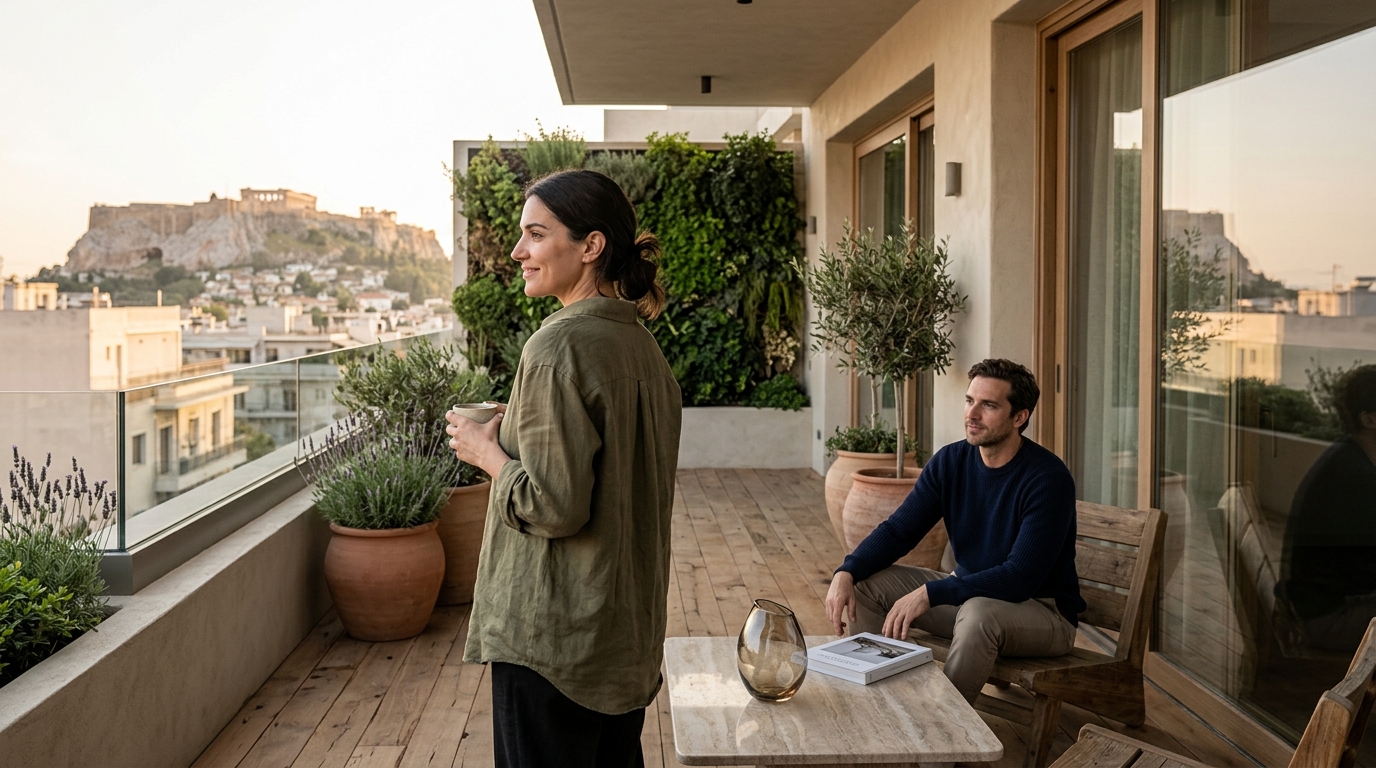
The global shift toward eco-conscious living is no longer a niche trend but a fundamental restructuring of the real estate market. According to recent industry analyses, sustainable buildings are increasingly outperforming traditional assets in both resilience and value retention. Investors who prioritize environmental responsibility are not just supporting a cause; they are securing their financial future against rising energy costs and regulatory shifts. This guide explores how sustainable property investment benefits you long-term through enhanced asset value, reduced operational expenses, and superior tenant retention.
Financial Performance and Asset Appreciation
Sustainable properties consistently demonstrate higher resale values compared to conventional buildings. This premium is driven by the growing demand for energy-efficient homes and commercial spaces. Buyers are willing to pay more for properties that offer lower utility bills and modern, eco-friendly features. The concept of "green premium" refers to the additional value a property commands due to its sustainable certifications and features.
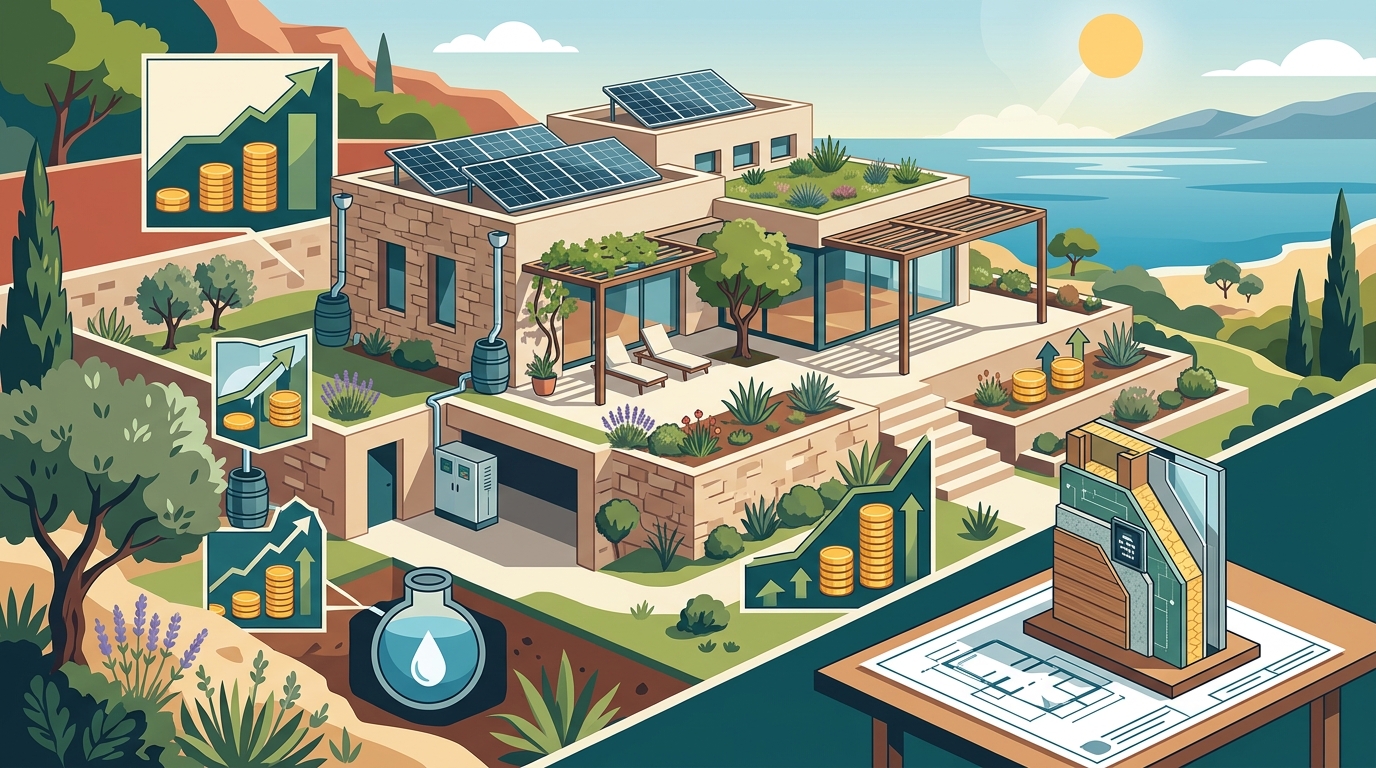
Investing in high-performance buildings also mitigates risk. As energy prices fluctuate, properties with integrated renewable energy systems, such as solar panels or geothermal heating, provide a buffer against market volatility. This stability makes them attractive to institutional investors and private equity firms seeking predictable returns.
Furthermore, sustainable developments often benefit from government incentives. Tax credits, grants, and expedited permitting processes for green buildings can significantly improve the initial return on investment. These financial advantages accumulate over time, enhancing the overall profitability of the asset.
Operational Efficiency and Cost Reduction
One of the most immediate benefits of sustainable property investment is the drastic reduction in operational costs. Energy-efficient designs utilize advanced insulation, high-performance windows, and smart HVAC systems to minimize energy consumption. This leads to lower monthly utility bills for both owners and tenants.
Water conservation is another critical component. Sustainable properties often incorporate rainwater harvesting systems and low-flow fixtures, reducing water usage by up to 40 percent. This not only lowers utility costs but also reduces the strain on municipal water supplies, contributing to environmental sustainability.
Maintenance costs are also lower for eco-friendly buildings. Durable, non-toxic materials and high-quality construction methods result in fewer repairs and replacements over the building's lifecycle. This long-term durability ensures that the property remains in excellent condition, preserving its value and reducing capital expenditure requirements.
Regulatory Compliance and Future-Proofing
Governments worldwide are implementing stricter building codes and energy efficiency standards. Properties that meet or exceed these standards are future-proofed against regulatory changes. Investing in sustainable real estate now ensures compliance with upcoming laws, avoiding costly retrofits in the future.
For instance, the European Union's Green Deal aims to make Europe climate-neutral by 2050. This initiative includes strict energy performance certificates for all buildings. Properties that are already certified as energy-efficient will face fewer obstacles in the market and may even qualify for additional subsidies.
Adapting to these regulations early gives investors a competitive advantage. It allows them to position their assets as premium offerings in a market that is increasingly regulated and environmentally conscious. This proactive approach minimizes legal risks and enhances the property's marketability.
Health, Wellbeing, and Productivity
Sustainable buildings prioritize indoor air quality, natural lighting, and thermal comfort. These factors significantly impact the health and wellbeing of occupants. Poor indoor air quality is linked to respiratory issues, allergies, and decreased cognitive function. Eco-friendly materials, such as low-VOC paints and adhesives, reduce the presence of harmful chemicals in the air.
Natural lighting plays a crucial role in regulating circadian rhythms and improving mood. Sustainable designs maximize daylight penetration, reducing the need for artificial lighting during the day. This not only saves energy but also creates a more inviting and productive environment.
In commercial settings, these health benefits translate to higher employee productivity and lower absenteeism. Companies that invest in green office spaces often report improved employee satisfaction and retention. This makes sustainable properties more attractive to corporate tenants seeking to enhance their workplace culture.
Market Demand and Tenant Retention
The demand for sustainable properties is growing rapidly. Tenants and buyers are increasingly aware of their environmental footprint and are seeking homes and offices that align with their values. This shift in consumer preference is driving up demand for green buildings and pushing up rental rates.
Tenant retention is also higher in sustainable properties. Occupants who value health and environmental responsibility are more likely to stay in a building that meets their needs. This reduces vacancy rates and ensures a steady stream of rental income for investors.
Additionally, sustainable properties often command higher rental premiums. Tenants are willing to pay more for the benefits of lower utility bills, better health outcomes, and the prestige of living or working in a green building. This premium income enhances the overall cash flow of the investment.
Sustainable vs. Traditional Investment Metrics
Understanding the differences between sustainable and traditional property investments is crucial for making informed decisions. The table below compares key metrics that highlight the advantages of eco-friendly investments.
| Investment Metric | Sustainable Property | Traditional Property |
|---|---|---|
| Energy Costs | Low (30-50% reduction) | High (Standard consumption) |
| Resale Value | Higher (Green premium) | Standard market value |
| Maintenance Costs | Lower (Durable materials) | Higher (Frequent repairs) |
| Tenant Retention | High (Health/Value focus) | Variable |
| Regulatory Risk | Low (Compliant) | High (Retrofit costs) |
This comparison illustrates that sustainable properties offer superior financial and operational performance. They provide a robust framework for long-term wealth creation and risk management.
Key Takeaways
- Sustainable properties often achieve a "green premium" of 5-10% in resale value compared to conventional buildings.
- Energy-efficient designs can reduce utility costs by up to 40%, significantly improving net operating income.
- Regulatory trends, such as the EU Green Deal, are making eco-compliance a mandatory asset class requirement.
- Improved indoor air quality and natural lighting enhance tenant health and productivity, leading to higher retention rates.
- Durable, non-toxic materials used in green construction lower long-term maintenance and capital expenditure.
- Government incentives, including tax credits and grants, can offset initial construction costs for sustainable projects.
- Investing in Net Zero Energy Buildings positions assets for future market dominance as energy prices rise.
Frequently Asked Questions
What is the definition of a Net Zero Energy Building?
A Net Zero Energy Building is a structure that produces as much energy as it consumes over the course of a year, typically through a combination of energy efficiency and on-site renewable energy generation.
How does sustainable design impact property insurance?
Sustainable properties often qualify for lower insurance premiums due to their enhanced resilience against climate-related risks, such as flooding and extreme weather events.
Are there tax benefits for investing in eco-friendly real estate?
Yes, many governments offer tax credits, deductions, and grants for properties that meet specific energy efficiency or sustainability certifications.
What is the typical payback period for green building technologies?
The payback period for technologies like solar panels and smart HVAC systems typically ranges from 5 to 10 years, depending on local energy costs and incentives.
How do sustainable buildings affect employee productivity?
Studies show that employees in green buildings report 26% higher cognitive function scores and significantly lower rates of sick leave due to improved air quality and lighting.
Is sustainable real estate only for luxury markets?
No, sustainable principles are applicable across all market segments, from affordable housing to commercial office spaces, offering benefits to all stakeholders.
What certifications should I look for in a sustainable property?
Look for certifications such as LEED (Leadership in Energy and Environmental Design), BREEAM, or WELL Building Standard, which verify a building's performance.
Start Your Sustainable Investment Journey
Ready to explore the future of real estate? Contact ECLÉDE to discover how our sustainable development philosophy can secure your long-term investment goals. Visit our portfolio to see our latest projects, or reach out to our team for a personalized consultation. Let us help you build a legacy of value and responsibility.