
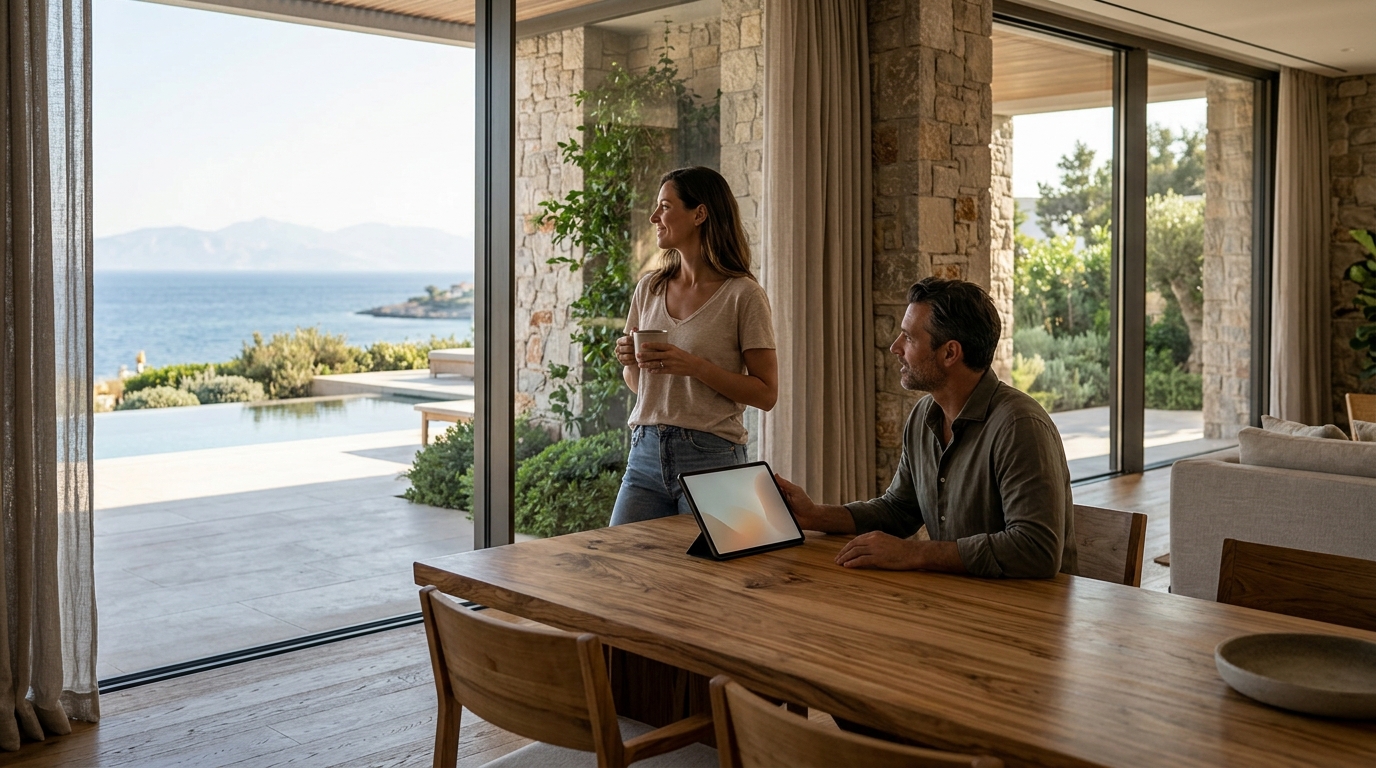
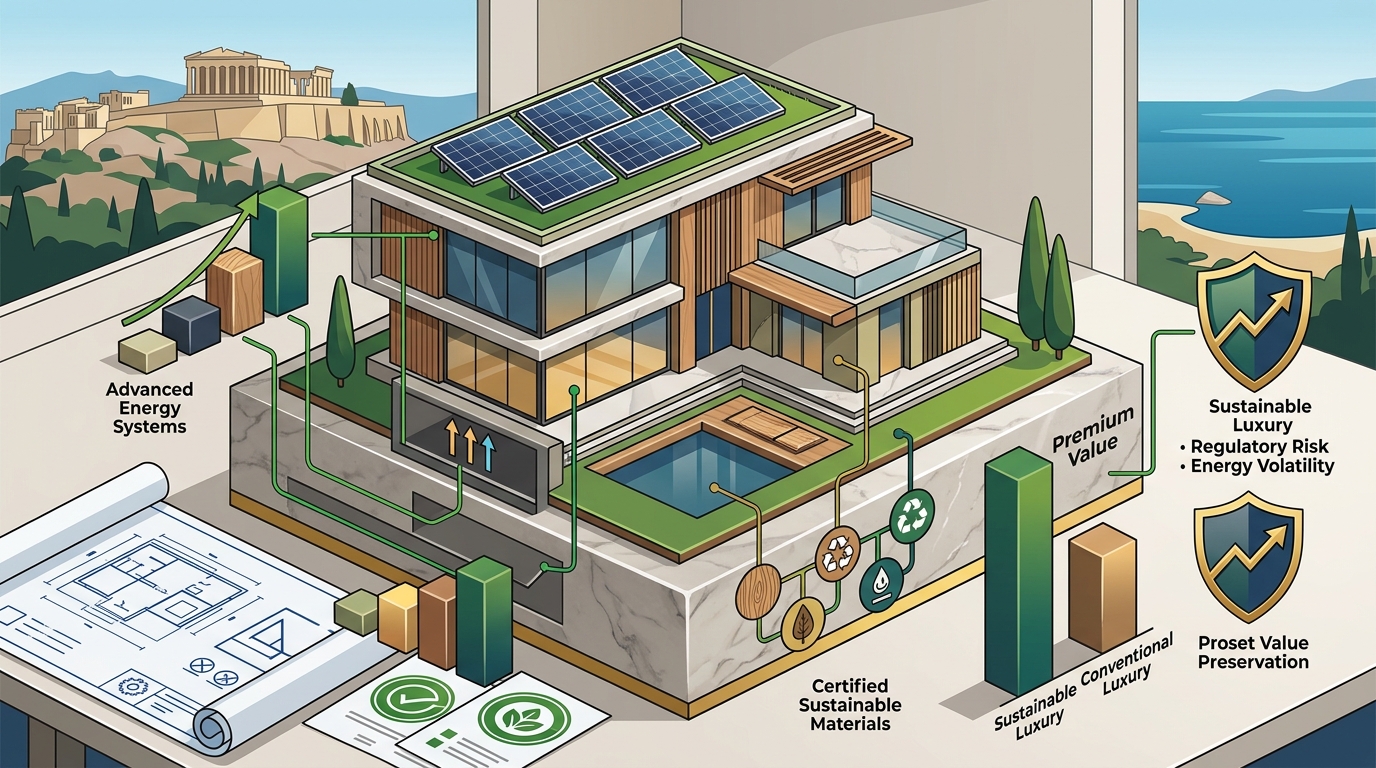
The global luxury real estate market is undergoing a fundamental shift toward environmental responsibility. According to recent industry analysis, sustainable properties in prime European locations command a premium of 10 to 15 percent over conventional luxury assets. This price differential reflects not just architectural aesthetics but the integration of advanced energy systems and certified materials. Investors are increasingly recognizing that green building standards protect asset value against future regulatory changes and energy volatility. Understanding the true cost of these developments requires looking beyond the initial purchase price to include operational efficiency and long-term sustainability metrics.
Key Cost Drivers in Green Development
Net Zero Energy Buildings represent the pinnacle of sustainable luxury development. These structures generate as much energy as they consume through integrated solar arrays, geothermal systems, and advanced insulation techniques. The construction costs for such projects are significantly higher than traditional builds due to the specialized materials and engineering required. However, the long-term operational savings often offset the initial capital expenditure within five to seven years.
LEED Platinum certification is another critical factor influencing property costs. Achieving this highest level of green building certification requires rigorous documentation of material sourcing, water efficiency, and indoor environmental quality. For developers like ECLÉDE, this certification is not merely a badge but a core component of the design philosophy. The first LEED Platinum residential project in Greece set a new benchmark for the region, demonstrating that sustainability can coexist with high-end luxury.
Material selection plays a pivotal role in the final price tag. Sustainable luxury properties utilize reclaimed wood, low-carbon concrete, and non-toxic finishes. These materials are often more expensive upfront but offer superior durability and health benefits. The integration of smart home technology further elevates the cost but provides unparalleled convenience and energy management capabilities for the resident.
Analyzing the Sustainable Premium
Buyers often question the justification for the sustainable premium. The answer lies in the intersection of performance, comfort, and regulatory compliance. Properties with high energy efficiency ratings are less susceptible to future carbon taxes and energy price spikes. This financial resilience is a key selling point for international investors seeking stable assets in volatile markets.
In Athens, the demand for eco-conscious luxury is growing rapidly. The city's historic architecture is being reimagined with modern sustainable technologies. Projects like Boomerang Athens exemplify this trend by combining minimalist design with environmental responsibility. The cost per square meter in these developments reflects the premium placed on location, design, and sustainability credentials.
Global markets show similar trends. In New York, sustainable high-rises are commanding record prices due to their operational efficiency and health-focused amenities. The contact information for developers in these markets reveals a shift toward personalized consultations for high-net-worth clients. This personalized approach ensures that the specific sustainability goals of the buyer are met within their budget constraints.
Technology and Infrastructure Costs
Smart home integration is no longer a luxury add-on but a standard expectation in sustainable properties. The cost of installing comprehensive home automation systems includes climate control, lighting, security, and energy monitoring. These systems work in tandem with the building's physical infrastructure to optimize energy use. For example, automated blinds adjust based on solar gain to reduce cooling loads in summer.
Water conservation systems also contribute to the overall cost. Greywater recycling, rainwater harvesting, and smart irrigation are essential components of a sustainable luxury home. These systems reduce the property's reliance on municipal water supplies and lower utility bills. The initial investment is substantial but pays off through reduced operational costs and environmental impact.
Renewable energy generation is another significant cost driver. Rooftop solar panels, battery storage systems, and electric vehicle charging stations are becoming standard in new developments. The Dynasty Villas project illustrates how these technologies can be seamlessly integrated into luxury residential designs. The cost of these systems has decreased over the past decade, making them more accessible to a broader range of buyers.
Case Studies: Athens and Global Markets
Athens has emerged as a hub for sustainable luxury development. The city's favorable climate and growing tech sector make it an attractive destination for eco-conscious investors. Developers are leveraging local expertise to create projects that respect the urban fabric while pushing the boundaries of green technology.
The Atlas + Pleione project demonstrates the potential for sustainable regeneration in historic areas. By preserving architectural heritage while introducing modern energy systems, the project offers a unique value proposition. The cost of such projects includes the complexities of working with existing structures and adhering to strict preservation guidelines.
International comparisons reveal that sustainable premiums vary by region. In Europe, the premium is often driven by strict energy regulations and high energy costs. In the United States, the premium is more closely tied to lifestyle preferences and health benefits. Understanding these regional nuances is essential for accurate cost estimation.
Return on Investment and Value Retention
Sustainable luxury properties have shown strong resilience during market downturns. Their lower operating costs and higher appeal to environmentally conscious buyers support stable rental yields and capital appreciation. Investors are increasingly prioritizing ESG (Environmental, Social, and Governance) criteria in their portfolios.
The long-term value of these properties is also supported by their adaptability to future regulations. As governments worldwide implement stricter building codes, properties that already meet or exceed these standards will face fewer retrofitting costs. This future-proofing is a significant advantage for long-term investors.
Furthermore, the brand reputation of developers known for sustainability adds value to their projects. Awards and recognition in architecture and design signal quality and innovation to potential buyers. This brand equity can translate into higher resale values and faster sales cycles.
Key Takeaways
- Sustainable luxury properties command a 10-15% premium over conventional assets in prime locations.
- Net Zero Energy Buildings offer long-term operational savings that offset initial construction costs.
- LEED Platinum certification is a critical driver of value in the European luxury market.
- Athens is a key hub for sustainable development, with projects like Boomerang Athens leading the way.
- Smart home integration and renewable energy systems are standard expectations in 2026.
- Eco-conscious properties show stronger resilience during market downturns due to lower operating costs.
- Developer reputation and awards significantly influence buyer confidence and property valuation.
Frequently Asked Questions
What is the average cost premium for sustainable luxury homes?
The average cost premium ranges from 10 to 15 percent compared to traditional luxury properties. This premium reflects the higher quality of materials, advanced technology integration, and certified energy efficiency.
How does LEED Platinum certification affect property value?
LEED Platinum certification significantly enhances property value by providing verified proof of sustainability. It attracts a niche but growing segment of environmentally conscious buyers and investors.
Are Net Zero Energy Buildings more expensive to maintain?
No, Net Zero Energy Buildings are designed to minimize maintenance and operational costs. Their advanced systems reduce energy consumption and lower utility bills significantly.
Why is Athens a popular destination for sustainable real estate?
Athens offers a combination of historic charm, favorable climate, and growing infrastructure for green technology. Developers are creating projects that blend modern sustainability with urban heritage.
What role does smart home technology play in sustainable luxury?
Smart home technology optimizes energy use by automating lighting, climate, and security systems. This integration is essential for achieving net-zero goals and enhancing resident comfort.
How do sustainable properties perform in market downturns?
Sustainable properties often outperform traditional assets during downturns due to their lower operating costs and higher demand from ESG-focused investors.
What is the typical payback period for green building investments?
The typical payback period for green building investments is five to seven years. This is based on the savings from reduced energy and water consumption.
Can I customize the sustainability features of a luxury property?
Many developers offer customizable sustainability features to meet specific buyer preferences. This includes options for renewable energy systems and smart home integrations.
Start Your Sustainable Investment Journey
Investing in sustainable luxury real estate is a strategic decision that balances financial returns with environmental responsibility. By understanding the cost drivers and value propositions, you can make informed choices that align with your long-term goals. For personalized guidance on available projects and investment opportunities, contact our team today. We provide expert insights into the evolving landscape of eco-conscious luxury living.