
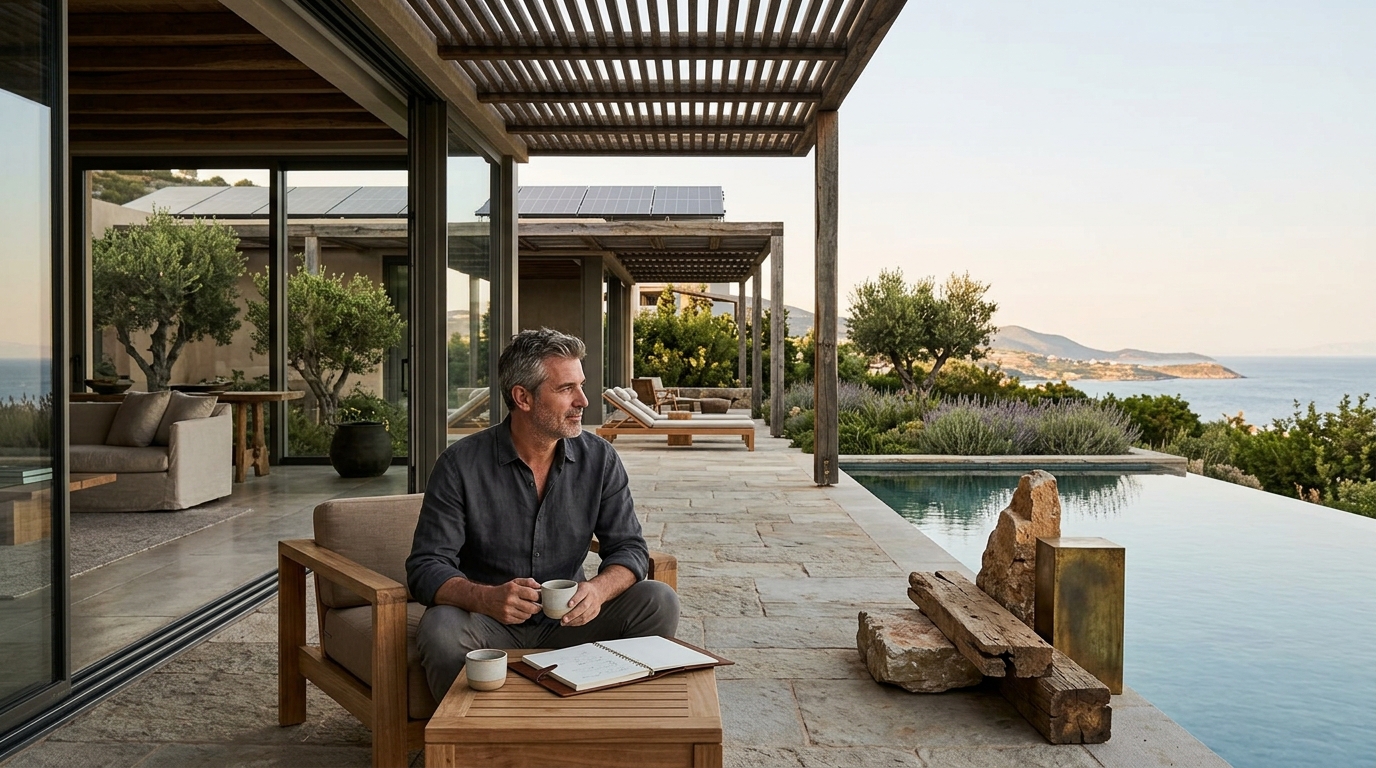
Sustainable Luxury: Key Design Features to Look for in High-End Properties
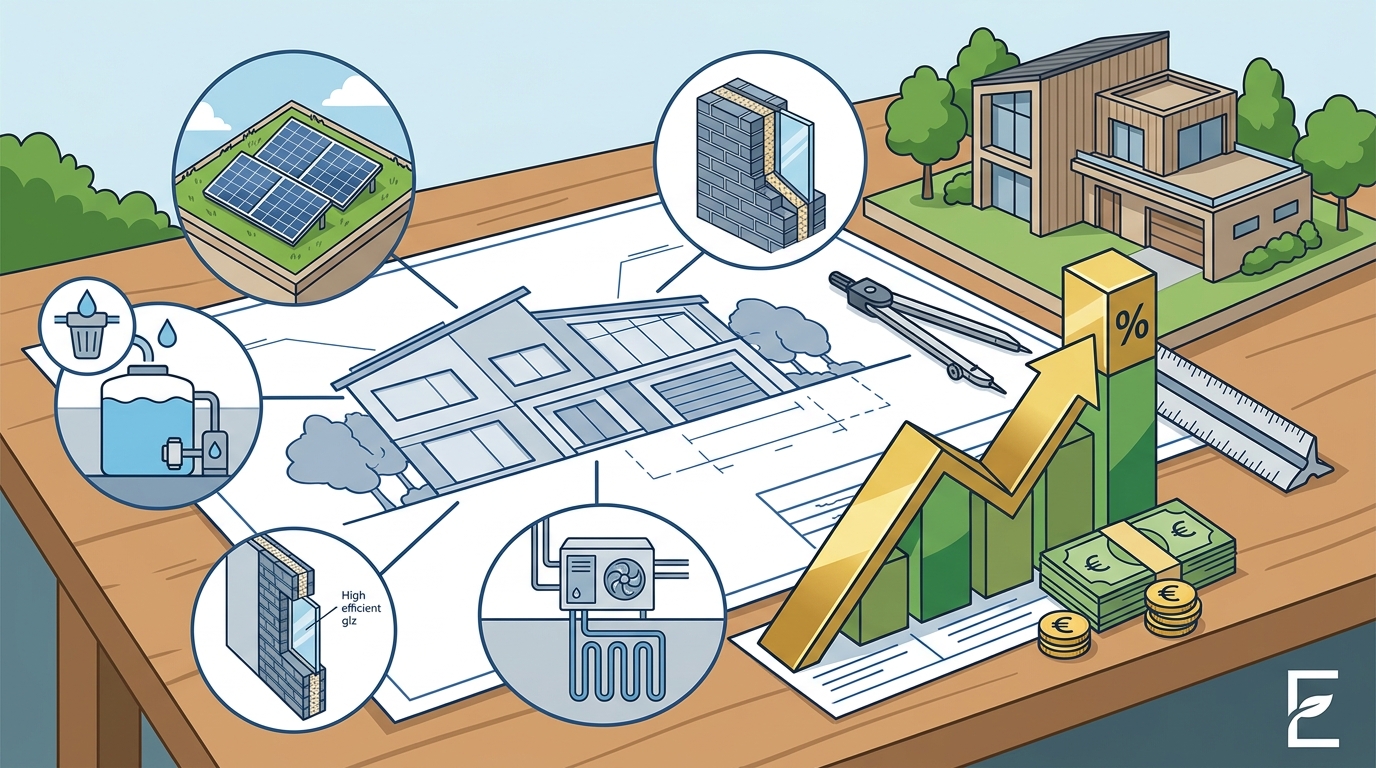
The global luxury real estate market is undergoing a fundamental shift. Sustainability is no longer a niche preference but a core component of high-value asset management. According to recent industry analyses, properties with certified green credentials often command a premium of 10 to 20 percent over conventional luxury homes. This data indicates that eco-conscious design is directly correlated with long-term investment value and operational efficiency. Buyers are increasingly prioritizing environmental integrity alongside aesthetic refinement.
Energy Efficiency and Net Zero Standards
At the forefront of sustainable luxury is the pursuit of energy independence. Net Zero Energy Buildings (NZEB) represent the gold standard in this category. These structures generate as much renewable energy as they consume annually. This is achieved through a combination of high-performance building envelopes and on-site power generation.
High-Performance Building Envelopes
The building envelope acts as the primary barrier between the interior comfort and the exterior climate. Superior insulation, triple-glazed windows, and thermal bridge-free construction are essential. These features minimize heat loss in winter and heat gain in summer. The result is a stable indoor temperature that reduces reliance on mechanical heating and cooling systems.
Renewable Energy Integration
Integrating photovoltaic panels into the roof or facade design is a hallmark of modern sustainable luxury. Solar technology has become more aesthetically pleasing, allowing for seamless architectural integration. When paired with high-capacity battery storage systems, homeowners can maintain energy independence even during grid outages. This level of resilience is a significant selling point for luxury buyers.
For developers like Vassilis Siafaricas, the focus is on creating developments that balance technical precision with creative vision. His work at ECLÉDE demonstrates how sustainable principles can enhance, rather than compromise, architectural beauty.
Material Selection and Indoor Air Quality
Luxury is defined by the quality of materials used in construction. Sustainable design prioritizes materials that are durable, non-toxic, and sourced responsibly. The health of the occupants is directly linked to the materials chosen for flooring, cabinetry, and finishes.
Low-VOC Finishes
Low-Volatile Organic Compound (VOC) paints, adhesives, and sealants are critical for maintaining indoor air quality. Traditional materials often off-gas harmful chemicals that can linger for years. Low-VOC alternatives eliminate this risk, ensuring a healthier living environment. This is particularly important in tightly sealed, energy-efficient homes where ventilation is carefully controlled.
Responsibly Sourced Wood and Stone
Using FSC-certified wood ensures that timber comes from responsibly managed forests. Similarly, locally sourced stone reduces the carbon footprint associated with transportation. These materials not only reduce environmental impact but also offer unique aesthetic qualities that mass-produced alternatives cannot match.
Indoor Air Quality is the measure of air contamination within buildings and other enclosed structures. Poor indoor air quality can lead to health issues and reduced comfort. Sustainable luxury properties prioritize ventilation systems with heat recovery to maintain fresh air without losing thermal energy.
Advanced Water Management Systems
Water conservation is a critical aspect of sustainable design, especially in regions prone to drought. Luxury properties are increasingly incorporating advanced water management technologies to reduce consumption and waste.
Rainwater Harvesting
Rainwater harvesting systems collect and store rainwater for non-potable uses such as irrigation and toilet flushing. This reduces the demand on municipal water supplies. In luxury landscapes, harvested water can also be used for decorative fountains and pools, enhancing the aesthetic appeal while conserving resources.
Greywater Recycling
Greywater recycling systems treat water from sinks, showers, and washing machines for reuse. This process significantly reduces the volume of wastewater sent to sewage treatment plants. For high-end properties, greywater systems can support extensive landscaping and maintain lush gardens even during water restrictions.
According to environmental reports, residential water usage can be reduced by up to 50 percent with the implementation of efficient fixtures and recycling systems. This efficiency is a key feature for eco-conscious buyers.
Smart Home Integration for Sustainability
Technology plays a pivotal role in maximizing the efficiency of sustainable luxury homes. Smart home systems allow homeowners to monitor and control energy and water usage in real time. This level of control empowers residents to make informed decisions about their consumption.
Automated Climate Control
Smart thermostats and zoning systems adjust heating and cooling based on occupancy and weather conditions. These systems learn user preferences and optimize energy use accordingly. The result is a comfortable home that operates with minimal energy waste.
Energy Monitoring Dashboards
Integrated dashboards provide real-time data on energy production and consumption. Homeowners can track the performance of their solar panels and battery storage systems. This transparency helps identify inefficiencies and optimize system performance. It also adds a layer of technological sophistication that appeals to modern luxury buyers.
The integration of these technologies is a key differentiator for ECLÉDE projects. By combining innovation with sustainability, they create homes that are both intelligent and environmentally responsible.
Understanding Green Certifications
Green certifications provide third-party verification of a property's sustainable features. These certifications offer credibility and assurance to buyers that the home meets rigorous environmental standards.
LEED and BREEAM
LEED (Leadership in Energy and Environmental Design) and BREEAM (Building Research Establishment Environmental Assessment Method) are the most widely recognized certification systems. They evaluate buildings based on criteria such as energy efficiency, water usage, materials, and indoor environmental quality. Achieving LEED Platinum status is a significant accomplishment in the sustainable building industry.
Passive House Standard
The Passive House standard focuses on ultra-low energy consumption through superior insulation and airtight construction. It requires minimal active heating and cooling. This standard is particularly relevant for luxury properties in temperate climates, offering unparalleled comfort and efficiency.
For more information on global sustainability standards, refer to the USGBC LEED website or the BREEAM official site.
Key Takeaways
- Net Zero Energy Buildings generate as much renewable energy as they consume annually.
- High-performance building envelopes include triple-glazed windows and thermal bridge-free construction.
- Low-VOC finishes are essential for maintaining healthy indoor air quality in sealed homes.
- Rainwater harvesting and greywater recycling can reduce residential water usage by up to 50 percent.
- Smart home systems optimize energy use through automated climate control and real-time monitoring.
- LEED Platinum and Passive House certifications provide verified proof of sustainable performance.
- Sustainable luxury properties often command a 10 to 20 percent premium in the market.
Frequently Asked Questions
What is the most important feature of a sustainable luxury home?
The most important feature is the integration of a high-performance building envelope with renewable energy systems. This combination ensures energy independence and long-term operational efficiency.
How do green certifications add value to a property?
Green certifications provide third-party verification of sustainability claims. They offer credibility to buyers and can increase the property's market value and appeal to eco-conscious investors.
What is the difference between LEED and Passive House?
LEED is a comprehensive rating system covering various environmental criteria. Passive House is a specific standard focused exclusively on ultra-low energy consumption through rigorous insulation and airtightness.
Are sustainable luxury homes more expensive to maintain?
No, sustainable luxury homes are typically less expensive to maintain. High-efficiency systems and durable materials reduce utility bills and long-term repair costs.
Can old luxury properties be retrofitted for sustainability?
Yes, many sustainable features can be retrofitted. Upgrades include adding insulation, installing smart thermostats, and replacing windows with high-performance glazing.
What role does indoor air quality play in sustainable design?
Indoor air quality is critical for occupant health. Sustainable design prioritizes low-VOC materials and advanced ventilation systems to ensure a healthy living environment.
How does smart home technology support sustainability?
Smart home technology allows for precise control of energy and water usage. Automated systems optimize consumption based on real-time data and user behavior.
Experience Sustainable Luxury with ECLÉDE
Discover the intersection of high-end design and environmental responsibility. ECLÉDE creates developments that redefine modern living through sustainable innovation. Contact us today to learn more about our upcoming projects and how we are shaping the future of luxury real estate.