
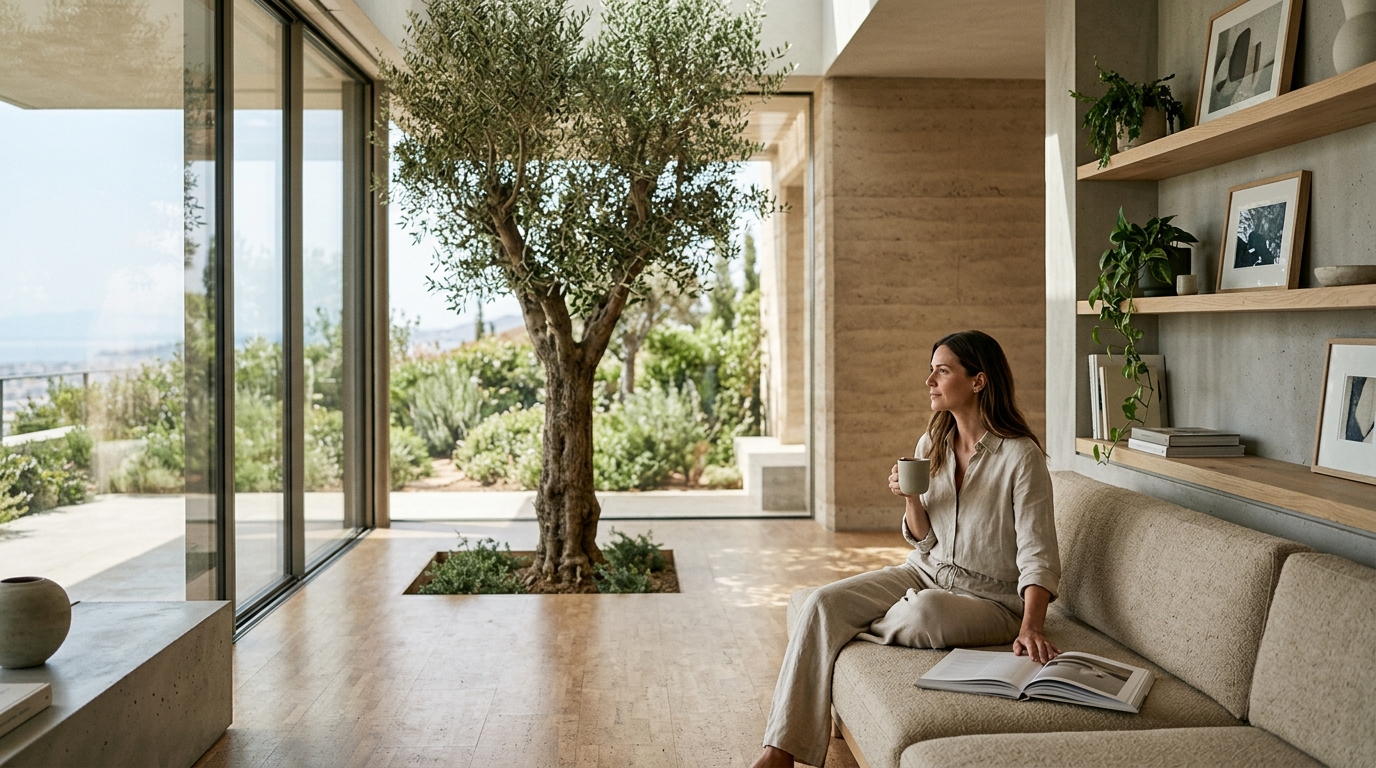
The global construction industry is undergoing a radical transformation driven by the urgent need for environmental responsibility. According to recent industry data, buildings account for nearly 40% of global carbon emissions, making sustainable design not just an aesthetic choice but a critical operational necessity. This shift is redefining how architects and developers approach modern living spaces, prioritizing energy efficiency, material integrity, and long-term asset value. As we move into 2026, the intersection of luxury and sustainability has become the new standard for high-end real estate development.
Energy Efficiency and Net Zero Goals
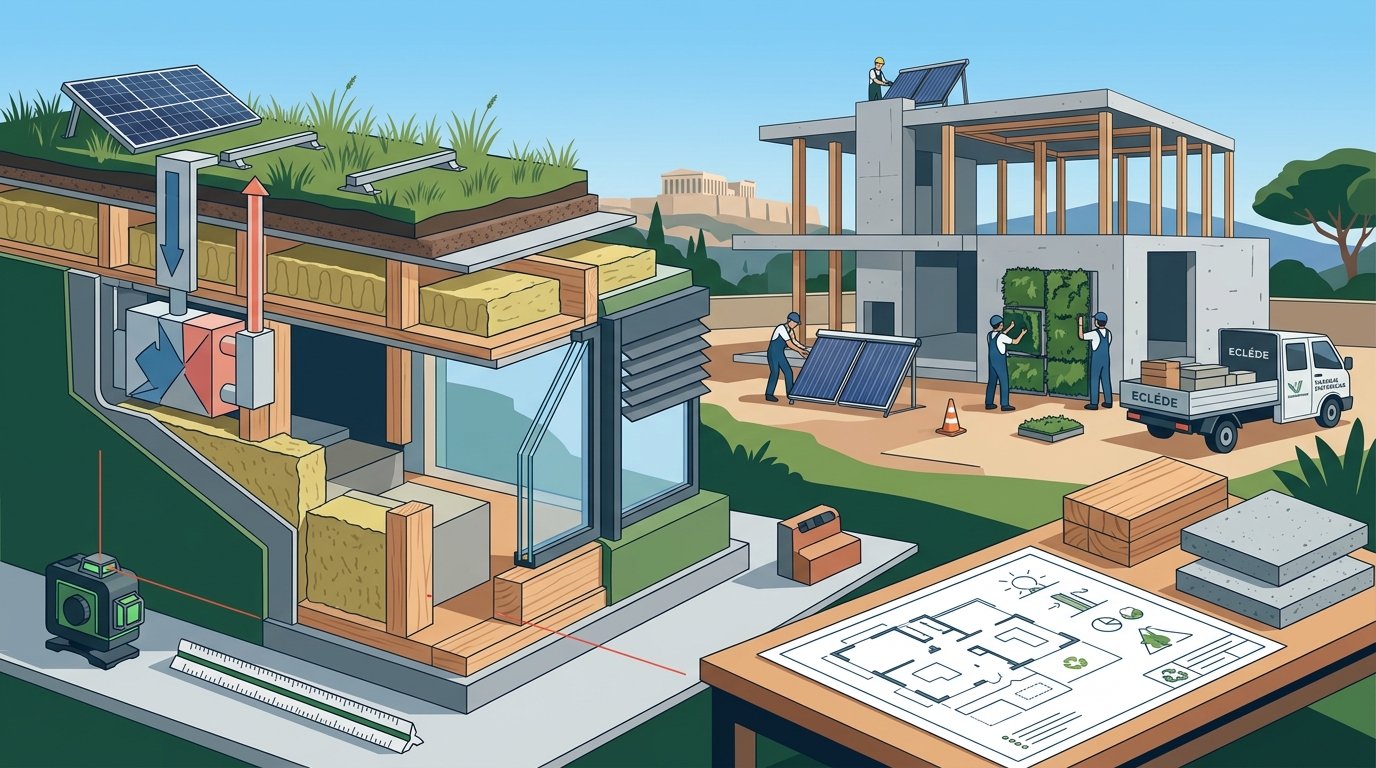
At the core of sustainable architecture lies the pursuit of Net Zero Energy Buildings. This concept refers to structures that produce as much energy as they consume over the course of a year. Achieving this requires a holistic approach to building envelope design, insulation, and renewable energy integration.
Thermal envelope optimization is the first step in this process. By utilizing high-performance glazing and advanced insulation materials, developers can drastically reduce the heating and cooling loads required to maintain comfortable indoor temperatures. This is particularly crucial in regions with extreme weather patterns, where energy demands fluctuate significantly.
Renewable energy sources, such as photovoltaic solar panels and geothermal heat pumps, are essential components of this strategy. These systems not only reduce reliance on fossil fuels but also provide long-term financial savings for property owners. The integration of these technologies must be seamless, ensuring that they complement the architectural aesthetic rather than detract from it.
For those seeking to understand the technical benchmarks of sustainable building, the U.S. Green Building Council provides comprehensive guidelines for energy performance. Additionally, the Energy Star program offers valuable metrics for evaluating building efficiency.
Material Selection and Circular Economy
The choice of construction materials has a profound impact on the environmental footprint of a building. Sustainable design prioritizes materials that are locally sourced, recycled, or rapidly renewable. This approach reduces transportation emissions and supports local economies.
Circular economy principles are increasingly being applied to construction. This involves designing buildings with disassembly in mind, allowing materials to be recovered and reused at the end of their lifecycle. This reduces waste and minimizes the need for virgin resources.
Common sustainable materials include cross-laminated timber (CLT), recycled steel, and low-VOC (Volatile Organic Compounds) paints. CLT, for instance, is a strong, versatile material that sequesters carbon rather than emitting it. Its use in high-rise construction is growing, offering a sustainable alternative to concrete and steel.
For detailed information on material health and environmental impact, the Collaborative for High Performance Schools offers extensive resources. Furthermore, the World Business Council for Sustainable Development provides insights into global material flow trends.
Biophilic Design and Human Wellness
Biophilic design is the practice of connecting building occupants more closely to nature. This approach recognizes that humans have an innate need to interact with natural elements, and that this connection enhances well-being and productivity.
Key elements of biophilic design include natural light, ventilation, indoor plants, and natural materials. These features are not merely decorative; they have measurable effects on mental health and cognitive function. Studies show that access to natural light can improve sleep quality and mood, while indoor plants can reduce stress levels.
In modern living spaces, biophilic design often takes the form of green walls, atriums, and large windows that frame views of the surrounding landscape. This creates a sense of continuity between the interior and exterior environments, blurring the boundaries between them.
Research into the benefits of biophilic design is supported by the International WELL Building Institute, which sets standards for human health in buildings. Additionally, the Nature Conservancy provides data on the ecological benefits of urban green spaces.
Smart Home Integration and Automation
Technology plays a pivotal role in sustainable design. Smart home systems allow for the precise control of energy usage, lighting, and climate. These systems can learn user preferences and optimize performance automatically, reducing waste and enhancing comfort.
Automated lighting systems use sensors to detect occupancy and adjust light levels accordingly. This ensures that energy is not wasted in unoccupied spaces. Similarly, smart thermostats can adjust heating and cooling based on weather forecasts and user schedules.
Integration with renewable energy sources is another key aspect of smart home technology. Systems can monitor energy production from solar panels and direct excess power to battery storage or high-demand appliances. This maximizes the use of clean energy and reduces reliance on the grid.
For insights into the latest trends in smart home technology, the Gartner research firm provides valuable analysis. The International Energy Agency also offers data on the role of digitalization in energy efficiency.
Water Conservation Systems
Water scarcity is a growing global concern, making water conservation a critical component of sustainable design. Modern living spaces incorporate systems to reduce water usage and manage runoff effectively.
Rainwater harvesting is a common practice, where rainwater is collected from roofs and stored for later use. This water can be used for irrigation, toilet flushing, and even drinking, after appropriate treatment. This reduces the demand on municipal water supplies.
Greywater recycling systems treat wastewater from sinks, showers, and washing machines for reuse in non-potable applications. This further reduces the overall water footprint of a building. Additionally, low-flow fixtures and dual-flush toilets help minimize water usage in daily activities.
Landscaping with native, drought-resistant plants reduces the need for irrigation. This approach, known as xeriscaping, is particularly effective in arid regions. For more information on water conservation strategies, the U.S. Environmental Protection Agency provides comprehensive guidelines. The United Nations also highlights the importance of water sustainability in its global development goals.
Comparing Sustainable Development Approaches
Understanding the different approaches to sustainable design helps in selecting the most appropriate strategy for a given project. The table below outlines key characteristics of common sustainable development models.
| Approach | Primary Focus | Key Benefits | Implementation Complexity |
|---|---|---|---|
| Net Zero Energy | Energy Balance | Reduced operational costs, carbon neutrality | High |
| Biophilic Luxury | Human Wellness | Improved mental health, higher property value | Medium |
| Circular Construction | Material Lifecycle | Waste reduction, resource efficiency | High |
| Smart Integration | Automation | Convenience, energy optimization | Medium |
Key Takeaways
- Net Zero Energy Buildings are the gold standard for sustainable development, balancing energy production and consumption.
- Biophilic design enhances occupant well-being by integrating natural elements into the built environment.
- Circular economy principles reduce waste by prioritizing material reuse and recycling in construction.
- Smart home technology optimizes energy usage through automation and real-time monitoring.
- Water conservation systems, including rainwater harvesting, are essential for reducing resource demand.
- Local material sourcing supports regional economies and reduces transportation emissions.
- ECLÉDE has pioneered LEED Platinum residential projects in Greece, setting a benchmark for sustainable luxury.
Frequently Asked Questions
What is the definition of a Net Zero Energy Building?
A Net Zero Energy Building is a structure that produces as much renewable energy as it consumes annually, achieving a balance between energy use and generation.
How does biophilic design improve health?
Biophilic design improves health by reducing stress, enhancing cognitive function, and promoting better sleep through the integration of natural light, air, and vegetation.
What are the benefits of using cross-laminated timber?
Cross-laminated timber is strong, versatile, and sequesters carbon, making it a sustainable alternative to traditional concrete and steel construction materials.
How can smart home systems reduce energy waste?
Smart home systems reduce energy waste by automating lighting and climate control based on occupancy and user preferences, ensuring energy is only used when necessary.
What is greywater recycling?
Greywater recycling is the process of treating wastewater from sinks and showers for reuse in non-potable applications, such as irrigation and toilet flushing.
Why is local material sourcing important?
Local material sourcing reduces transportation emissions and supports regional economies, contributing to the overall sustainability of the construction process.
What is the role of LEED certification?
LEED certification provides a standardized framework for evaluating the sustainability of buildings, ensuring they meet rigorous environmental performance criteria.
Contact ECLÉDE
Ready to transform your vision into a sustainable reality? ECLÉDE specializes in high-end, environmentally responsible developments that redefine modern living. Our team of experts combines technical precision with creative vision to deliver projects that are both aesthetically refined and functionally intelligent.
Contact us today to discuss your next project. Visit our contact page or reach out directly to our Athens or New York offices. Let us help you create a space that elevates quality of life while setting new standards for responsible luxury.