
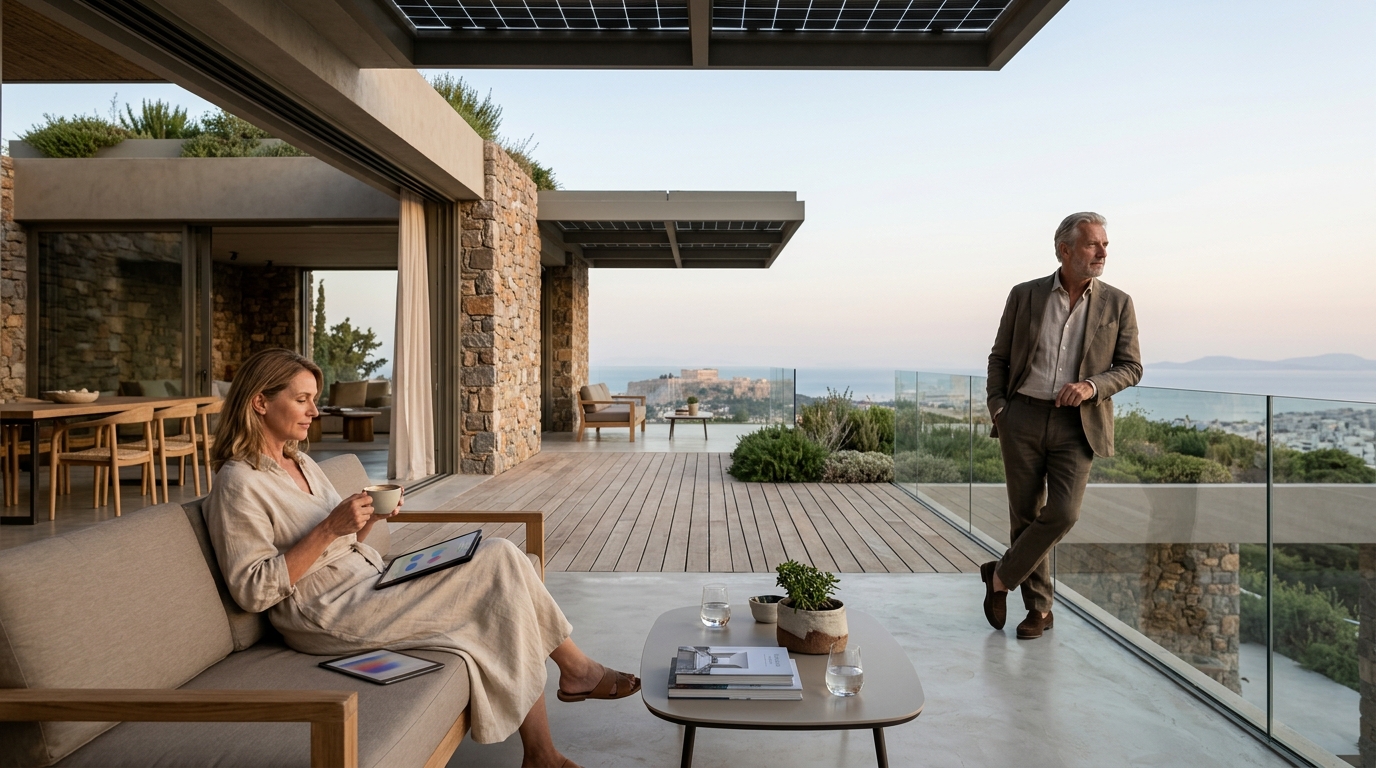
The global market for eco-conscious luxury real estate has shifted from a niche preference to a dominant investment strategy. According to recent industry analysis, sustainable properties in prime European locations command a premium of up to 20% over conventional luxury assets while offering significantly lower operational expenditures. This financial divergence is driven by rising energy costs and stringent regulatory frameworks that favor energy-efficient structures. Investors are no longer viewing sustainability as a mere aesthetic choice but as a critical component of asset preservation and capital appreciation.
Key Cost Drivers in Sustainable Development
Understanding the financial architecture of sustainable luxury requires dissecting the specific elements that inflate initial capital expenditure while securing long-term value. The primary driver is the integration of high-performance building envelopes. These structures utilize advanced insulation materials, triple-glazed windows, and thermal break technologies to minimize energy transfer. This approach ensures that the interior climate remains stable regardless of external weather conditions, drastically reducing the load on heating and cooling systems.
Another significant cost factor is the implementation of renewable energy infrastructure. Net Zero Energy Buildings (NZEB) require substantial upfront investment in solar photovoltaic arrays, geothermal heat pumps, and battery storage systems. While these technologies increase the initial price tag, they eliminate dependency on volatile fossil fuel markets. For instance, the development of ECLÉDE projects emphasizes this holistic approach, ensuring that every square meter contributes to energy efficiency and environmental harmony.
Material selection also plays a pivotal role in cost determination. Sustainable luxury demands the use of non-toxic, locally sourced, and recycled materials. This includes reclaimed wood, low-carbon concrete alternatives, and natural stone finishes. These materials not only reduce the carbon footprint of construction but also offer superior durability and aesthetic depth. The labor costs associated with installing these specialized materials are higher, reflecting the precision required to maintain architectural integrity while adhering to strict environmental standards.
Analyzing the Green Premium
The concept of a "green premium" refers to the additional cost buyers are willing to pay for properties that meet high sustainability certifications. In the luxury sector, this premium is often justified by the scarcity of such assets. As of 2026, the demand for LEED Platinum and BREEAM Excellent certified homes in major European cities has outpaced supply. This imbalance allows developers to command higher prices, as buyers recognize the future-proof nature of these investments.
Data shows that properties with verified sustainability credentials often appreciate faster than their conventional counterparts. This is particularly true in regions with aggressive carbon taxation policies. For example, the European Union's ongoing expansion of its Emissions Trading System (ETS) has increased the operational costs of non-compliant buildings. Consequently, investors are willing to pay a premium upfront to avoid these future liabilities. The German Design Awards 2026 winner, among other international distinctions, highlights the market's preference for designs that merge aesthetic excellence with environmental responsibility.
Furthermore, the green premium extends to financing. Banks and financial institutions are increasingly offering favorable mortgage rates for eco-friendly properties. These "green mortgages" can reduce the overall cost of ownership by lowering interest rates and providing tax incentives. This financial ecosystem supports the initial investment, making sustainable luxury more accessible to high-net-worth individuals who prioritize long-term financial health.
Operational Savings and ROI
While the initial purchase price of a sustainable luxury property is higher, the operational savings are substantial. Energy bills for a Net Zero Energy Building can be reduced by up to 90% compared to a traditional home. This reduction is not merely a utility saving but a direct contribution to the owner's net worth. Over a ten-year period, the cumulative savings on energy, water, and maintenance can offset a significant portion of the initial green premium.
Maintenance costs are also lower due to the use of high-quality, durable materials. Sustainable luxury properties are designed to last, with components that resist wear, tear, and environmental degradation. This longevity reduces the frequency of renovations and repairs, which are common in conventional luxury homes that may use cheaper, less durable finishes. The A’ Design Award recipients consistently demonstrate how thoughtful design leads to structures that age gracefully and require less intervention.
Return on Investment (ROI) for sustainable properties is also enhanced by their resilience to regulatory changes. As governments worldwide implement stricter building codes, existing sustainable properties become more valuable because they are already compliant. This regulatory immunity protects the asset from forced upgrades or penalties, ensuring that the investment remains secure and profitable. The Architizer A+ Awards special mentions further validate the industry's recognition of these long-term value drivers.
Case Studies: Athens and Beyond
To illustrate the practical application of these cost principles, we can examine specific developments in Athens, Greece. The city has emerged as a hub for sustainable luxury, with projects like Boomerang Athens setting new benchmarks for the region. This project integrates advanced energy systems with minimalist architectural design, offering residents a living experience that is both luxurious and environmentally responsible.
Another notable example is Dynasty Villas, which focuses on high-end eco-conscious living. These villas utilize passive design strategies to maximize natural light and ventilation, reducing the need for artificial climate control. The result is a property that offers unparalleled comfort while maintaining a minimal environmental footprint. The Atlas + Pleione project further demonstrates the viability of sustainable luxury in dense urban environments, proving that density and sustainability can coexist harmoniously.
These case studies highlight the importance of location-specific design. In Athens, the climate allows for extensive use of passive cooling techniques, which are less effective in colder regions. Developers must adapt their cost structures to local conditions, ensuring that the sustainability features are both effective and economically viable. The founder of ECLÉDE, Vassilis Siafaricas, brings over two decades of experience to these projects, ensuring that each development meets the highest standards of quality and sustainability.
Strategic Investment Considerations
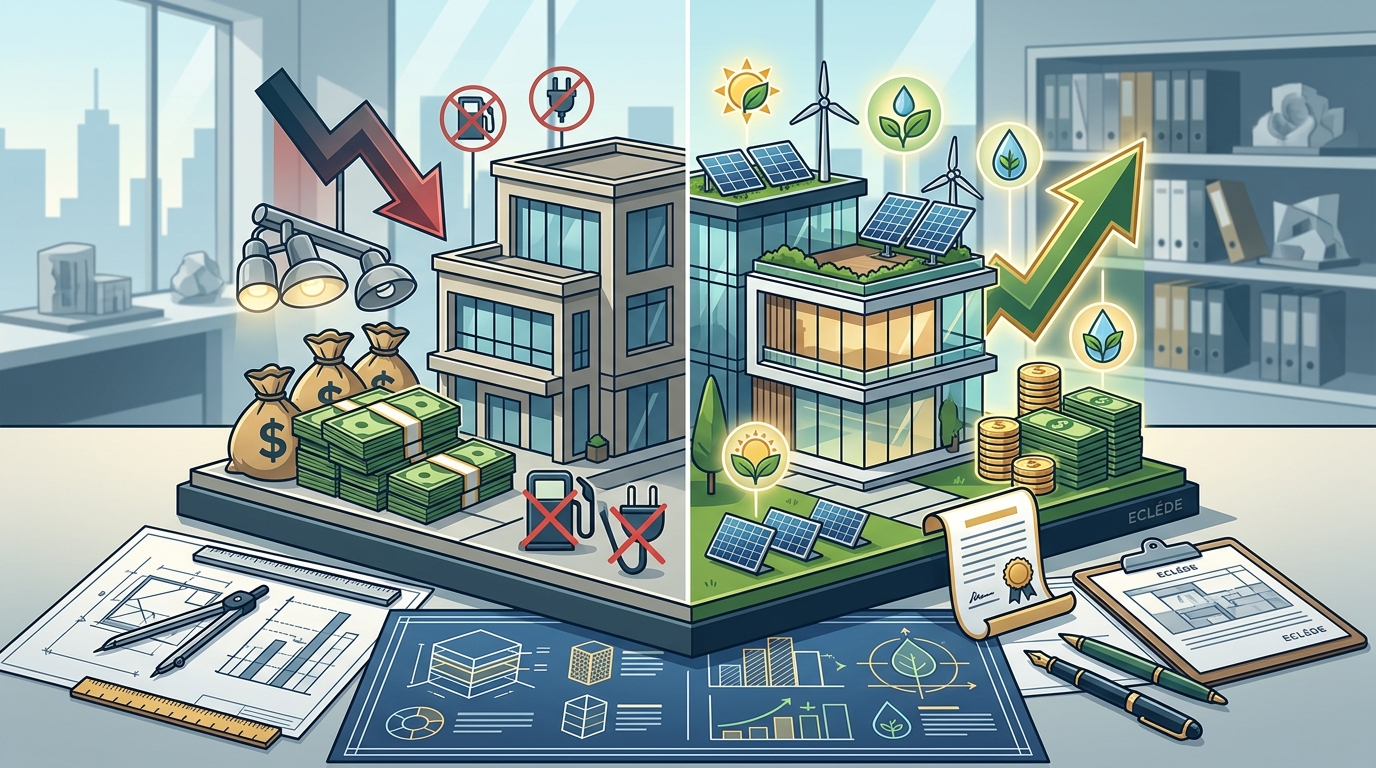
Investing in sustainable luxury property requires a strategic approach that goes beyond immediate costs. Buyers must consider the total cost of ownership, including financing, maintenance, and potential resale value. Properties with strong sustainability credentials are increasingly attractive to a global pool of buyers, ensuring liquidity in the market. This broad appeal is crucial for maintaining high resale values, especially in fluctuating economic conditions.
Regulatory compliance is another critical factor. As the European Union continues to tighten its environmental regulations, properties that fail to meet these standards may face devaluation. Conversely, those that exceed current requirements will likely see an increase in value as they become rare commodities. Investors should prioritize properties with verified certifications, such as LEED or BREEAM, to mitigate this risk.
Finally, the social and ethical dimensions of sustainable investment cannot be ignored. Many high-net-worth individuals are increasingly conscious of their environmental impact. Owning a sustainable luxury property allows them to align their investments with their personal values. This alignment can enhance the emotional value of the asset, making it more than just a financial instrument but a statement of principle. The vision of ECLÉDE is to create spaces that elevate quality of life while setting new standards for responsible luxury.
Key Takeaways
- Sustainable luxury properties command a premium of up to 20% but offer lower operational costs.
- Net Zero Energy Buildings reduce energy bills by up to 90% over their lifespan.
- LEED Platinum and BREEAM certifications are critical for maximizing asset value.
- Projects like Boomerang Athens demonstrate the viability of sustainable luxury in urban settings.
- Regulatory compliance protects against future devaluation and forced upgrades.
- Green mortgages offer favorable financing terms for eco-friendly properties.
- ECLÉDE's approach bridges technical precision with creative vision for long-term value.
Frequently Asked Questions
What is the average cost premium for sustainable luxury homes?
The average cost premium for sustainable luxury homes typically ranges from 10% to 20% above conventional luxury properties, depending on the level of certification and location.
How do Net Zero Energy Buildings save money?
Net Zero Energy Buildings save money by generating as much energy as they consume, drastically reducing utility bills and protecting owners from energy price volatility.
Are sustainable properties easier to finance?
Yes, many banks offer "green mortgages" with lower interest rates and favorable terms for properties that meet specific sustainability criteria.
What certifications should I look for?
Look for LEED Platinum, BREEAM Excellent, and Passive House certifications, as these are globally recognized standards for energy efficiency and environmental responsibility.
How does location affect sustainable property costs?
Location affects costs through climate-specific design requirements and local regulatory frameworks, which can either increase or decrease the initial investment needed for sustainability.
Is sustainable luxury real estate a good investment?
Yes, sustainable luxury real estate is considered a strong investment due to its resilience to regulatory changes, lower operational costs, and growing market demand.
What is ECLÉDE's approach to sustainability?
ECLÉDE focuses on creating high-performance, environmentally responsible developments that balance architectural beauty with long-term investment value and energy efficiency.
Where are ECLÉDE's projects located?
ECLÉDE's projects are primarily located in Athens, Greece, with a presence in New York, USA, focusing on luxury residential developments.
Contact ECLÉDE for Exclusive Opportunities
Investing in sustainable luxury is not just about buying a home; it is about securing a legacy. ECLÉDE offers exclusive opportunities in Athens and New York for discerning investors who value both aesthetic excellence and environmental integrity. To explore our current portfolio or discuss a custom development, please contact us directly. Our team is ready to guide you through the process of acquiring a property that stands the test of time.