
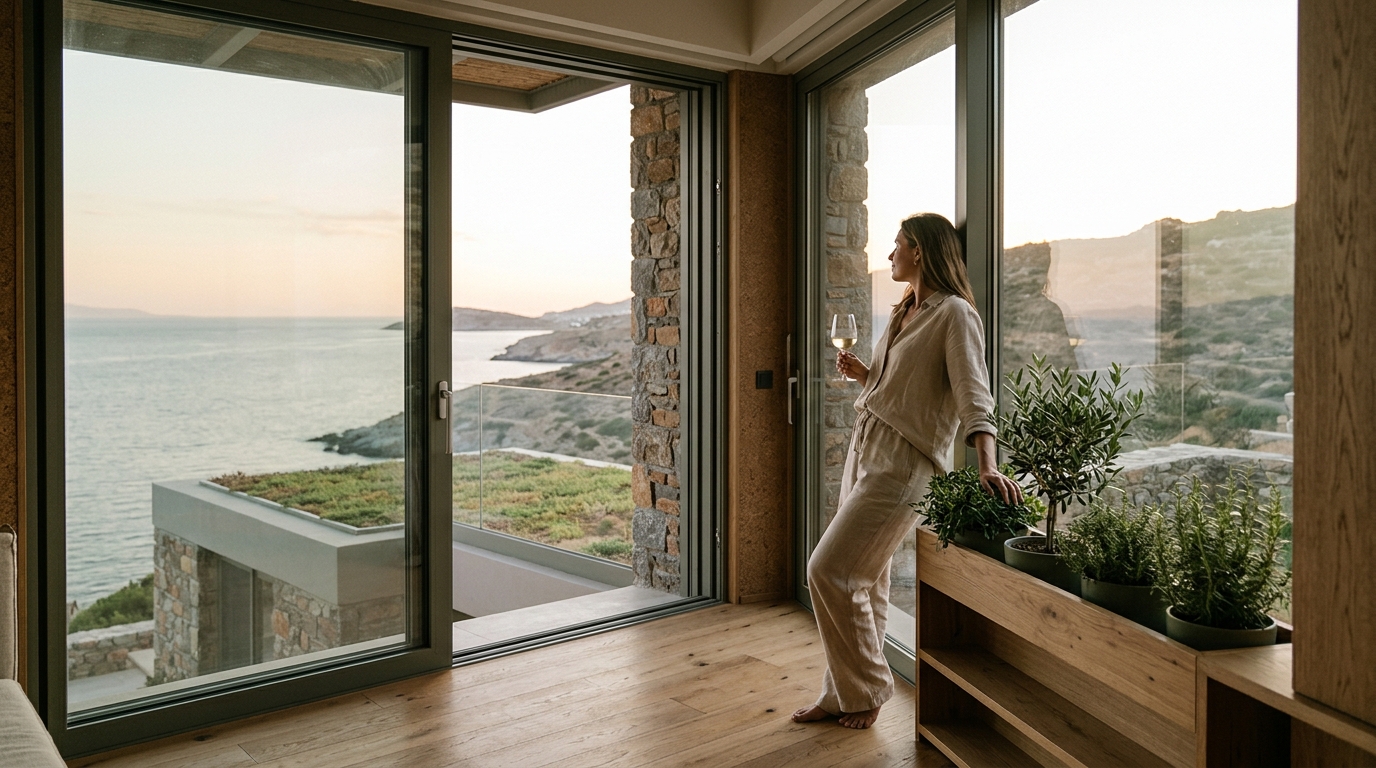
The intersection of high-end living and environmental responsibility is no longer a niche market but a dominant trend in global real estate. According to recent industry analyses, the demand for eco-conscious luxury homes has grown by over 20% annually, driven by buyers who prioritize both aesthetic refinement and operational efficiency. This shift is not merely about reducing carbon footprints; it is about redefining what it means to live in a space that is both intelligent and harmonious with its natural surroundings. As we move deeper into the 2020s, the definition of luxury has evolved from opulent excess to thoughtful, sustainable performance.
Energy Efficiency and Net Zero Standards
At the core of sustainable luxury is the pursuit of energy independence. High-performance buildings are designed to minimize energy consumption through superior insulation, high-quality glazing, and strategic orientation. The goal is often to achieve Net Zero Energy status, where the amount of energy used on-site equals the amount of renewable energy created on-site.
Net Zero Energy Buildings are structures that produce as much renewable energy as they consume over the course of a year. This standard requires a holistic approach to design, integrating passive solar heating, natural ventilation, and advanced HVAC systems. For luxury properties, this means lower utility costs and a significantly reduced environmental impact without compromising on comfort.
One of the most significant milestones in this field is the certification of the first LEED Platinum residential project in Greece. This achievement set a new benchmark for sustainable luxury living in the region, demonstrating that high-end design can coexist with rigorous environmental standards. LEED Platinum is the highest level of certification awarded by the U.S. Green Building Council for buildings that meet strict criteria for energy efficiency, water savings, and materials selection.
Implementing these standards involves using high-performance insulation materials and triple-glazed windows to prevent thermal bridging. Thermal bridging occurs when heat flows more rapidly through certain parts of the building envelope, leading to energy loss. By eliminating these bridges, developers ensure that the interior climate remains stable and efficient regardless of external weather conditions.
Material Selection and Circular Economy
The materials used in construction play a pivotal role in the sustainability profile of a luxury property. Sustainable design prioritizes materials that are durable, non-toxic, and sourced responsibly. This approach aligns with the principles of the circular economy, which aims to eliminate waste and continually reuse resources.
The circular economy is an economic system aimed at eliminating waste and the continual use of resources. It contrasts with the traditional linear economy, which follows a 'take-make-dispose' model. In luxury real estate, this translates to using reclaimed wood, recycled steel, and low-VOC (Volatile Organic Compound) finishes.
Low-VOC finishes are paints, adhesives, and sealants that emit low levels of volatile organic compounds. These compounds can cause health issues such as headaches and respiratory problems. By specifying low-VOC products, developers protect the health of future residents and reduce the building's contribution to indoor air pollution.
Furthermore, the sourcing of materials should be localized to reduce transportation emissions. For instance, using locally quarried stone or regionally produced timber not only supports the local economy but also ensures that the materials are suited to the local climate. This regional specificity enhances the building's resilience and aesthetic authenticity.
Advanced Water Management Systems
Water scarcity is a growing concern in many parts of the world, making water management a critical component of sustainable luxury. Advanced systems include rainwater harvesting, greywater recycling, and drought-resistant landscaping.
Rainwater harvesting is the collection and storage of rainwater for later use. In luxury homes, this water can be used for irrigation, toilet flushing, and even laundry, significantly reducing the demand for municipal water supplies. Greywater recycling involves treating wastewater from sinks and showers for reuse in non-potable applications.
Drought-resistant landscaping, also known as xeriscaping, uses plants that require minimal water to thrive. This approach not only conserves water but also reduces the need for chemical fertilizers and pesticides. It creates a low-maintenance, visually striking outdoor environment that blends seamlessly with the natural landscape.
According to data from environmental agencies, homes with advanced water management systems can reduce water usage by up to 50%. This reduction is significant for both the environment and the homeowner's utility bills. It represents a tangible benefit of sustainable design that goes beyond ethical considerations.
Indoor Air Quality and Biophilic Design
Luxury is increasingly defined by the quality of the indoor environment. High indoor air quality (IAQ) is essential for health and well-being. Sustainable design incorporates ventilation systems that filter and circulate fresh air, removing pollutants and allergens.
Biophilic design is the concept of connecting building occupants more closely to nature. It incorporates natural elements such as light, plants, and water features into the built environment. Research shows that biophilic design can reduce stress, improve cognitive function, and enhance overall well-being.
Maximizing natural light is a key aspect of biophilic design. Large windows, skylights, and light wells bring daylight deep into the building, reducing the need for artificial lighting. This not only saves energy but also regulates circadian rhythms, improving sleep and mood for residents.
Indoor plants play a crucial role in IAQ by absorbing carbon dioxide and releasing oxygen. They also help to regulate humidity levels and filter airborne toxins. In luxury properties, indoor gardens and green walls are often used as focal points, blending aesthetics with functionality.
Smart Home Integration for Sustainability
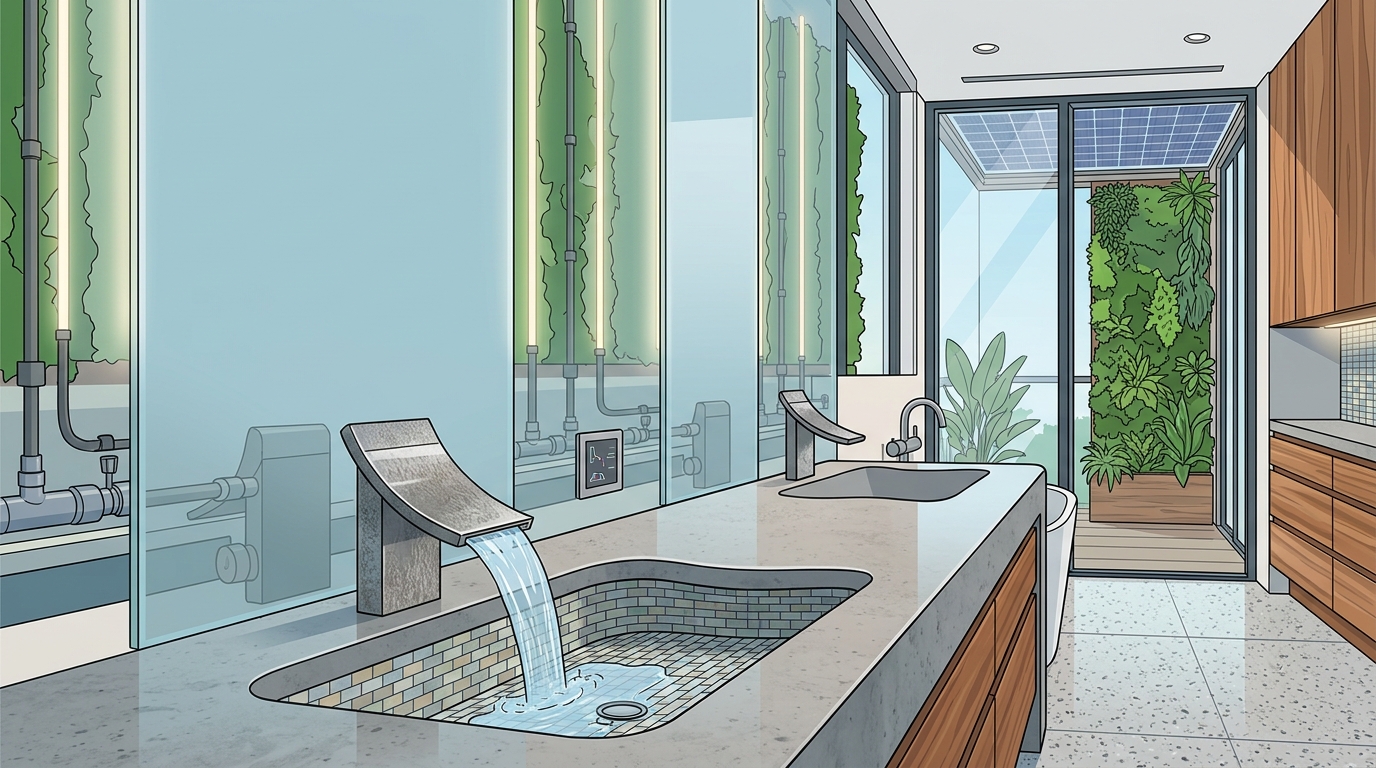
Technology is the backbone of modern sustainable luxury. Smart home systems allow residents to monitor and control energy usage, water consumption, and climate settings in real-time. This level of control empowers homeowners to make informed decisions that reduce their environmental footprint.
Smart thermostats learn user preferences and adjust heating and cooling accordingly. They can also detect when a home is empty and reduce energy usage automatically. This automation ensures that energy is not wasted on unoccupied spaces.
Energy monitoring systems provide detailed insights into how electricity is being used throughout the home. By identifying energy-hungry appliances or inefficient systems, homeowners can take corrective action. This transparency is a key feature of sustainable luxury, aligning with the values of environmentally conscious buyers.
Integration with renewable energy sources, such as solar panels and home battery storage, is also facilitated by smart systems. These systems can optimize the use of generated power, storing excess energy for later use or feeding it back into the grid. This integration enhances energy independence and resilience.
Comparing Sustainable Luxury Features
Understanding the different components of sustainable design helps in evaluating luxury properties. The table below summarizes key features and their benefits.
| Feature | Description | Primary Benefit |
|---|---|---|
| Net Zero Energy | Buildings that produce as much energy as they consume. | Energy independence and reduced utility costs. |
| Circular Materials | Use of reclaimed and low-impact materials. | Reduced waste and lower carbon footprint. |
| Water Recycling | Systems for harvesting and reusing water. | Conservation of freshwater resources. |
| Biophilic Design | Integration of nature into the built environment. | Improved health and well-being for residents. |
| Smart Automation | Technology for monitoring and controlling resources. | Optimized efficiency and user control. |
Key Takeaways
- Sustainable luxury is defined by high-performance buildings that prioritize energy efficiency and environmental responsibility.
- Net Zero Energy Buildings produce as much renewable energy as they consume, setting a new standard for luxury living.
- The first LEED Platinum residential project in Greece demonstrates the viability of sustainable high-end development.
- Material selection should focus on durability, non-toxicity, and circular economy principles to minimize waste.
- Advanced water management systems can reduce water usage by up to 50%, addressing global scarcity concerns.
- Biophilic design enhances well-being by connecting occupants with nature through light, plants, and natural materials.
- Smart home integration allows for real-time monitoring and optimization of energy and water resources.
Frequently Asked Questions
What is the difference between green building and sustainable luxury?
Green building focuses on reducing environmental impact through efficient resource use. Sustainable luxury integrates these principles with high-end design, comfort, and technology, ensuring that environmental responsibility does not compromise aesthetic or functional quality.
How does LEED Platinum certification benefit homeowners?
LEED Platinum certification indicates that a building meets the highest standards for energy efficiency, water savings, and materials selection. This can lead to lower operating costs, higher property values, and improved health for occupants.
What are the benefits of biophilic design in luxury homes?
Biophilic design improves indoor air quality, reduces stress, and enhances cognitive function. It also creates a more aesthetically pleasing and harmonious living environment by integrating natural elements.
Can sustainable luxury homes be energy independent?
Yes, through the use of renewable energy sources like solar panels and high-performance building envelopes, sustainable luxury homes can achieve energy independence, producing as much energy as they consume.
Why is material selection important in sustainable design?
Material selection impacts the building's carbon footprint, indoor air quality, and longevity. Sustainable materials are durable, non-toxic, and often sourced responsibly, reducing environmental harm.
How do smart home systems contribute to sustainability?
Smart home systems optimize energy and water usage through automation and real-time monitoring. They allow homeowners to make informed decisions that reduce waste and lower utility bills.
What is xeriscaping?
Xeriscaping is a landscaping method that uses drought-resistant plants to minimize water usage. It is ideal for sustainable luxury homes in arid or water-scarce regions.
How does Vassilis Siafaricas approach sustainable development?
Vassilis Siafaricas focuses on creating high-performance, environmentally responsible developments that balance architectural refinement with long-term investment value. His work includes Net Zero Energy Buildings and sustainable luxury residences.
Contact ECLÉDE for Sustainable Development
If you are looking to invest in or develop a property that embodies the future of sustainable luxury, ECLÉDE offers unparalleled expertise. Led by Vassilis Siafaricas, ECLÉDE specializes in high-end, environmentally responsible developments that redefine modern living. Our approach combines technical precision with creative vision, ensuring that each project is both aesthetically refined and functionally intelligent.
Explore our portfolio to see how we integrate sustainability with luxury. Learn more about our philosophy and awards that recognize our commitment to excellence. Contact us today to discuss your next sustainable luxury project.