
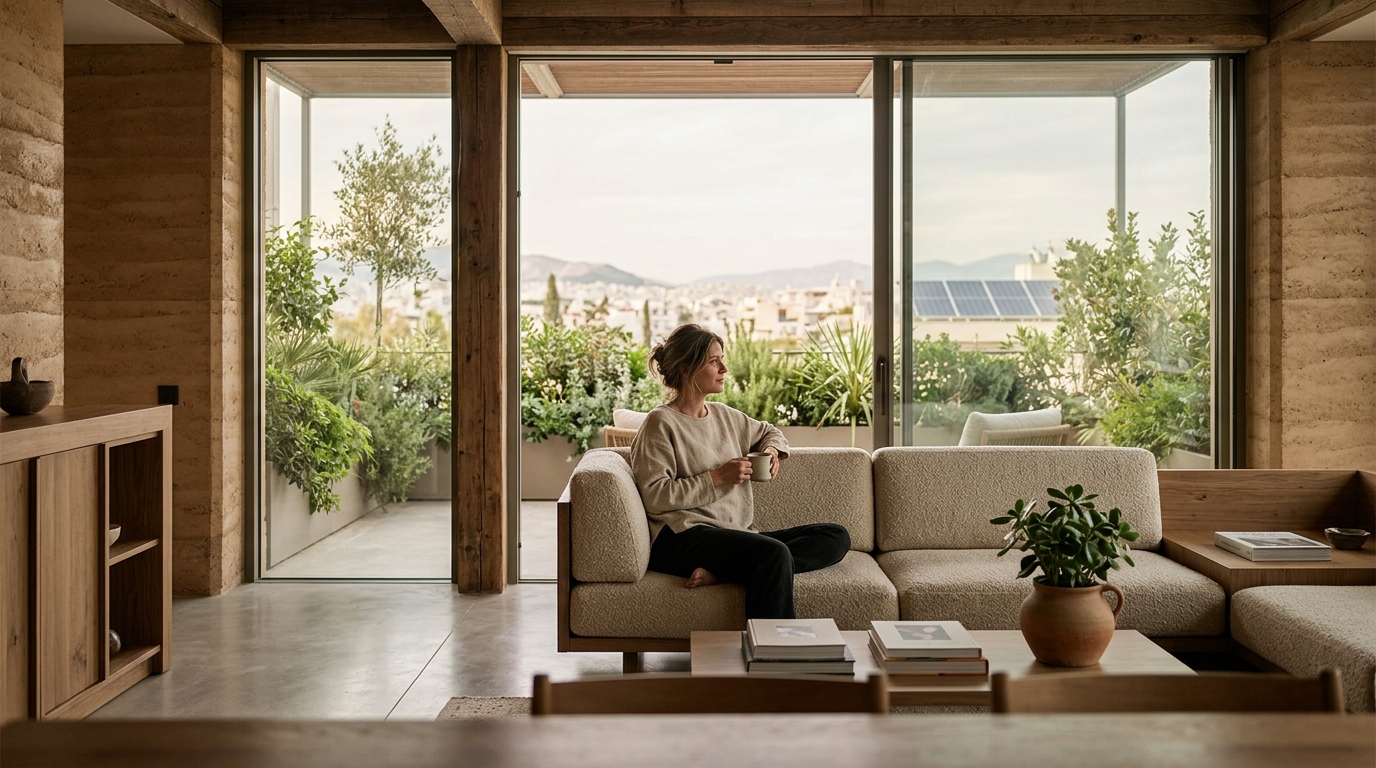
The global construction industry is undergoing a radical transformation driven by the urgent need for environmental responsibility. According to the United Nations Environment Programme, the building and construction sector accounts for nearly 40% of annual energy-related carbon dioxide emissions. This statistic highlights why sustainable design is no longer a niche preference but a fundamental requirement for modern architecture. At ECLÉDE, we believe that high-end living and ecological stewardship are not mutually exclusive. Instead, they form the foundation of a new architectural paradigm where functionality meets environmental integrity.
Energy Efficiency and Net Zero Goals
The cornerstone of sustainable modern living is the pursuit of Net Zero Energy Buildings. This concept refers to structures that produce as much energy as they consume over the course of a year. Achieving this requires a holistic approach that begins with the building envelope. High-performance insulation, triple-glazed windows, and thermal bridge-free construction are essential to minimize energy loss.
At ECLÉDE, we prioritize passive design strategies that leverage natural light and ventilation. By orienting buildings to maximize solar gain in winter and minimize it in summer, we reduce the reliance on artificial heating and cooling systems. This approach not only lowers operational costs but also enhances the comfort of the inhabitants.
Furthermore, the integration of renewable energy sources is critical. Solar photovoltaic panels, geothermal heat pumps, and wind turbines can be seamlessly integrated into the architectural design. For instance, our project Boomerang Athens exemplifies this commitment by incorporating advanced energy systems that align with its minimalist aesthetic. The goal is to create spaces that are not just energy consumers but energy producers.
According to the International Energy Agency, buildings that implement comprehensive energy efficiency measures can reduce their energy consumption by up to 50%. This reduction is vital for meeting global climate targets. It also provides homeowners with greater energy independence and protection against fluctuating utility prices.
Material Selection and Circular Economy
The choice of materials significantly impacts the environmental footprint of a building. Sustainable design advocates for the use of locally sourced, renewable, and recycled materials. This reduces transportation emissions and supports local economies. Additionally, materials with low embodied carbon, such as cross-laminated timber and bamboo, are preferred over traditional concrete and steel.
We adhere to the principles of the circular economy, which emphasizes designing out waste and keeping materials in use. This means selecting materials that are durable, repairable, and recyclable at the end of their life cycle. For example, using reclaimed wood for flooring or recycled steel for structural components reduces the demand for virgin resources.
Transparency in material sourcing is also crucial. Certifications such as the Forest Stewardship Council (FSC) for wood and Cradle to Cradle for product safety provide assurance that materials are produced responsibly. Our portfolio, including Dynasty Villas, showcases our dedication to using high-quality, sustainable materials that enhance the aesthetic and functional value of the property.
Data from the World Green Building Council indicates that sustainable material choices can reduce the embodied carbon of a building by up to 30%. This is a significant contribution to the overall sustainability of the structure. It also ensures that the building remains resilient and adaptable to future environmental standards.
Biophilic Design and Natural Integration
Biophilic design is the practice of connecting people to nature within the built environment. It is based on the hypothesis that humans have an innate tendency to seek connections with nature. This approach goes beyond simply adding plants to a room. It involves integrating natural elements such as light, air, water, and views into the architectural design.
Key elements of biophilic design include the use of natural materials, the maximization of natural light, and the creation of views to green spaces. These elements have been shown to improve mental health, reduce stress, and enhance cognitive function. For residents, this means living in spaces that feel calming and restorative.
At ECLÉDE, we design with the landscape in mind. Our projects are conceived to blend seamlessly with their natural surroundings. This is evident in Atlas + Pleione, where the architecture respects the topography and vegetation of the site. The result is a living space that feels like an extension of the natural environment.
Research published in the Journal of Environmental Psychology suggests that exposure to nature in the workplace and home can increase productivity and well-being by up to 15%. This underscores the value of biophilic design not just for environmental reasons, but for human health and happiness.
Smart Technology and Operational Intelligence
Modern sustainable living is powered by smart technology. Building Management Systems (BMS) and Internet of Things (IoT) devices allow for real-time monitoring and control of energy usage. These systems can optimize heating, cooling, and lighting based on occupancy and weather conditions.
Smart thermostats, automated blinds, and energy-efficient appliances work together to reduce waste and improve efficiency. For example, automated blinds can adjust based on the sun's position to regulate indoor temperature without mechanical intervention. This level of control ensures that energy is used only when and where it is needed.
Integration of smart technology also enhances the user experience. Residents can monitor their energy consumption, track their carbon footprint, and receive alerts for maintenance needs. This transparency empowers homeowners to make informed decisions about their living environment. Our approach to technology ventures ensures that these systems are intuitive and reliable.
According to a report by McKinsey & Company, smart building technologies can reduce energy costs by up to 20%. This financial benefit, combined with the environmental impact, makes smart technology a key component of sustainable design.
Water Conservation and Management
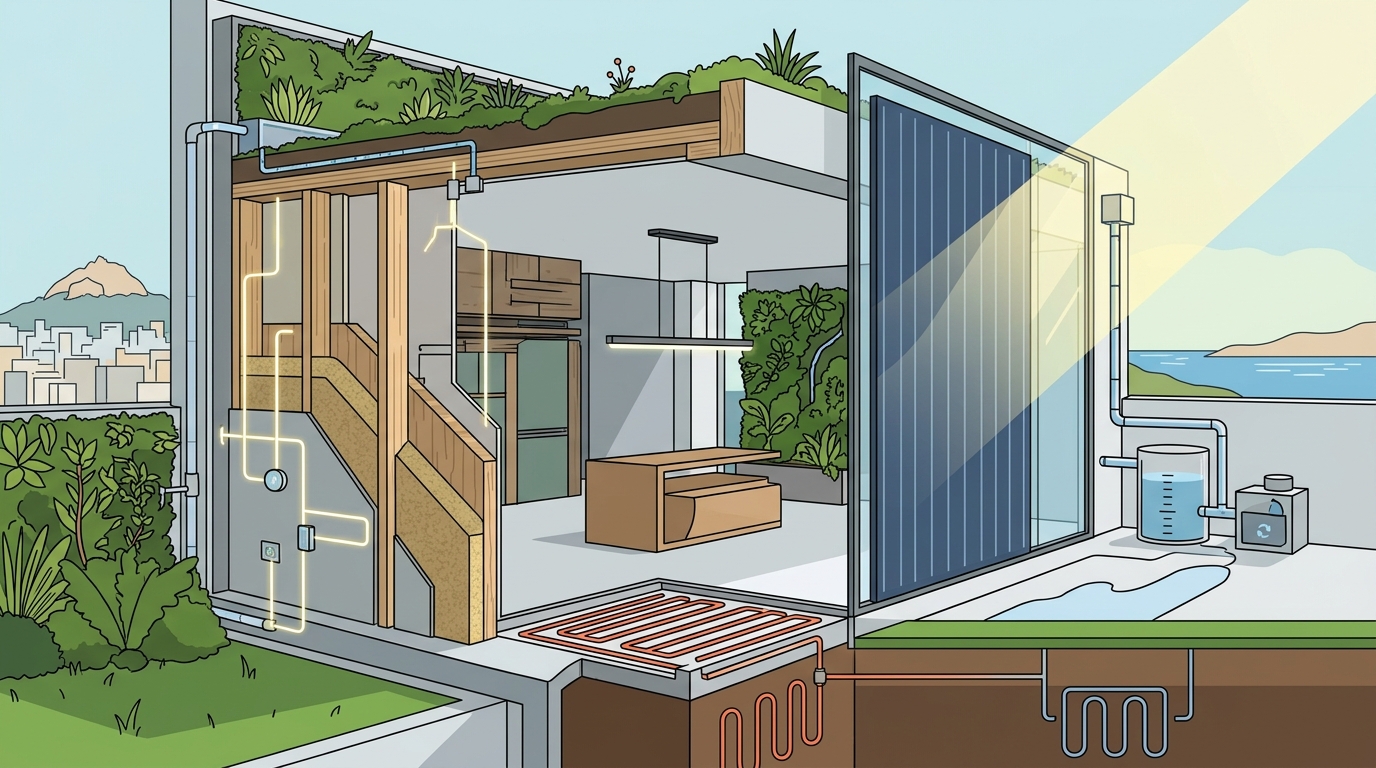
Water scarcity is a growing global challenge. Sustainable design addresses this through efficient water use and management. This includes the installation of low-flow fixtures, rainwater harvesting systems, and greywater recycling.
Low-flow faucets and showerheads reduce water consumption without compromising performance. Rainwater harvesting collects rainwater from roofs for use in irrigation and toilet flushing. Greywater recycling treats wastewater from sinks and showers for reuse in non-potable applications.
Landscaping also plays a role in water conservation. Xeriscaping, which uses drought-tolerant plants, reduces the need for irrigation. Permeable paving allows rainwater to infiltrate the ground, reducing runoff and recharging groundwater supplies.
The United Nations Water program states that efficient water use in buildings can reduce water consumption by up to 50%. This is critical for maintaining water security in urban areas. It also reduces the energy required for water treatment and distribution.
Comparing Sustainable Design Approaches
Understanding the different approaches to sustainable design helps in selecting the right strategy for a specific project. The table below compares common methods based on their primary focus and implementation complexity.
| Design Approach | Primary Focus | Implementation Complexity | Key Benefit |
|---|---|---|---|
| Net Zero Energy | Energy Balance | High | Zero operational carbon emissions |
| Circular Materials | Resource Efficiency | Medium | Reduced embodied carbon |
| Biophilic Design | Human Well-being | Medium | Improved mental health |
| Smart Integration | Operational Efficiency | High | Real-time optimization |
| Water Conservation | Resource Preservation | Low | Reduced water usage |
Key Takeaways
- Net Zero is the Standard: ECLÉDE aims for Net Zero Energy Buildings, setting a new benchmark for sustainable luxury in Greece.
- LEED Platinum Achievement: Vassilis Siafaricas led the development of the first LEED Platinum residential project in Greece, proving the viability of high-end sustainable living.
- Material Transparency: We prioritize locally sourced and recycled materials to minimize embodied carbon and support local economies.
- Biophilic Integration: Our designs seamlessly blend with natural surroundings, enhancing resident well-being through connection to nature.
- Smart Technology: Integration of IoT and BMS systems allows for real-time energy optimization and user control.
- Water Efficiency: Advanced water conservation systems reduce consumption by up to 50%, addressing global water scarcity.
- Award-Winning Design: Our work has received multiple international distinctions, including the German Design Awards 2026 and A’ Design Award.
Frequently Asked Questions
What is the definition of Net Zero Energy?
Net Zero Energy is a building standard where the total amount of energy used on-site equals the amount of renewable energy created on-site annually.
How does biophilic design improve health?
Biophilic design improves health by reducing stress, enhancing cognitive function, and promoting mental well-being through connection with natural elements.
What materials are best for sustainable construction?
Cross-laminated timber, bamboo, and recycled steel are among the best materials due to their low embodied carbon and durability.
Can sustainable design be luxurious?
Yes, sustainable design can be luxurious. High-end materials and smart technology can create opulent spaces that are also environmentally responsible.
What is the role of smart technology in sustainability?
Smart technology optimizes energy and water usage in real-time, reducing waste and improving operational efficiency.
How does ECLÉDE ensure sustainability in its projects?
ECLÉDE ensures sustainability through rigorous material selection, energy-efficient design, and integration of renewable energy systems.
What certifications are important for sustainable buildings?
LEED, BREEAM, and Passive House are key certifications that validate the sustainability performance of a building.
Start Your Sustainable Project
Creating a modern, functional, and sustainable living space requires expertise, vision, and a commitment to excellence. At ECLÉDE, we are dedicated to redefining luxury through responsible development. Our multidisciplinary team combines architectural precision with environmental stewardship to deliver projects that stand the test of time.
If you are ready to explore how sustainable design can enhance your next project, we invite you to connect with us. Visit our contact page to schedule a consultation. Together, we can build a future that is both beautiful and responsible.