
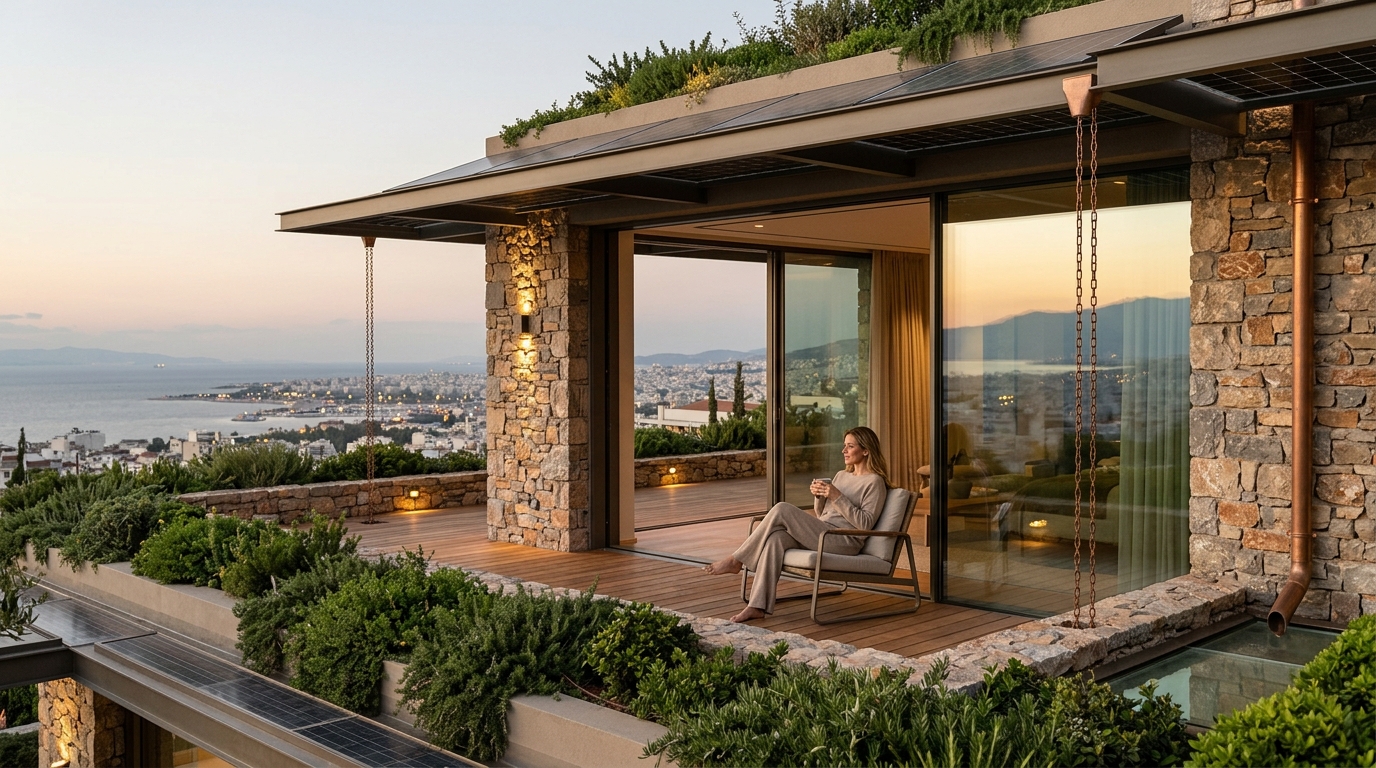
The global luxury real estate market is undergoing a fundamental shift. According to recent industry reports, over 60% of high-net-worth individuals now prioritize environmental sustainability when selecting their primary residences. This is not merely a trend but a structural change in buyer expectations. Luxury is no longer defined solely by square footage or marble finishes. It is defined by efficiency, health, and technological integration. Buyers demand homes that reduce their carbon footprint without compromising comfort. This guide outlines the critical sustainable design features that define modern high-end developments.
Advanced Energy Management Systems
Energy efficiency is the cornerstone of sustainable luxury. High-end properties must move beyond basic insulation. They require intelligent systems that actively manage power consumption. The integration of renewable energy sources is now a standard expectation in premium developments.
Photovoltaic Integration
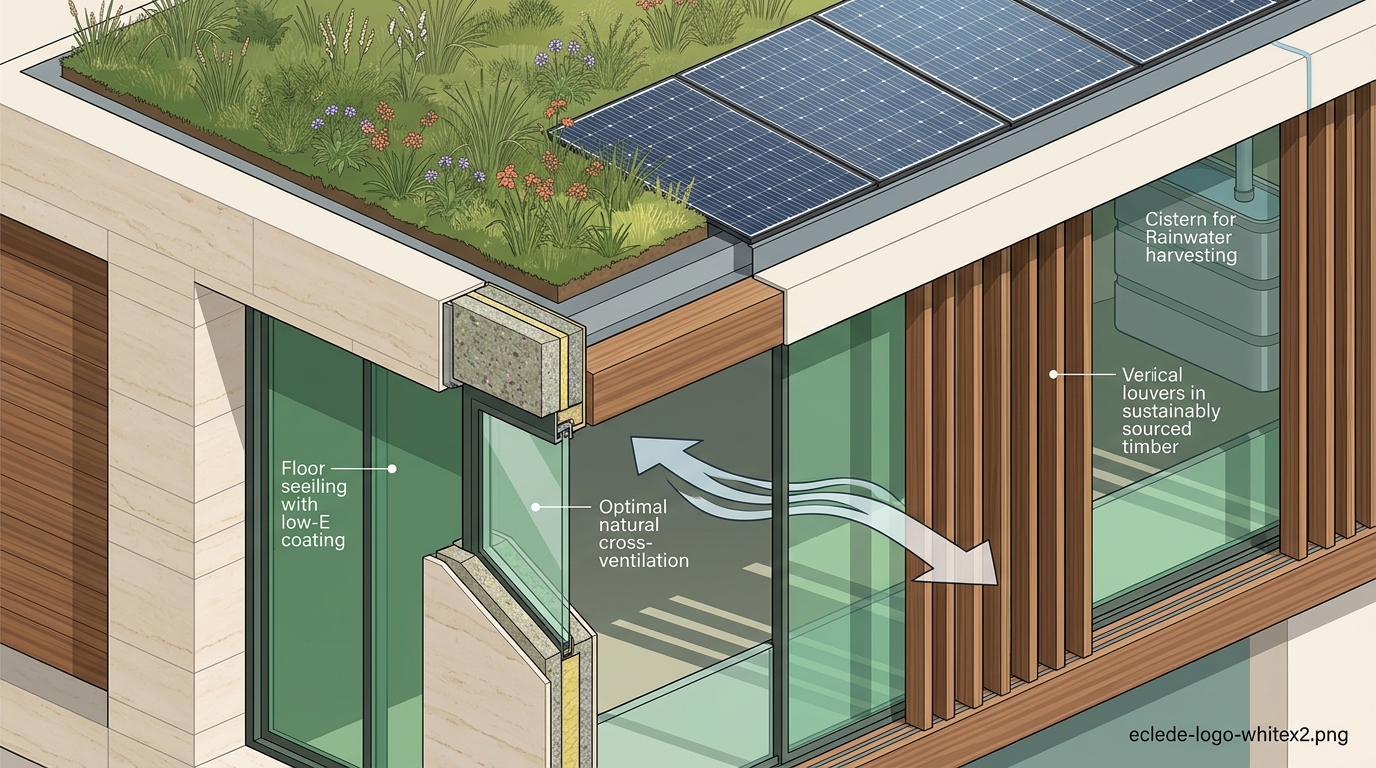
Solar technology has evolved significantly. Modern luxury homes utilize building-integrated photovoltaics (BIPV). These systems blend seamlessly into roofing or facade materials. They generate clean electricity without disrupting the architectural aesthetic. Data shows that homes with integrated solar can reduce grid dependency by up to 40% annually.
Smart Home Automation
Energy management relies on precision. Smart thermostats and lighting controls adjust in real-time based on occupancy. This prevents waste in unoccupied rooms. Advanced systems learn resident habits to optimize heating and cooling cycles. This level of control ensures comfort while minimizing energy bills.
For more insights on technology-driven real estate, visit Eclectic Developments Portfolio.
Biophilic and Low-Carbon Materials
The physical structure of a luxury home impacts its environmental footprint. Sustainable design prioritizes materials that are both durable and eco-friendly. This approach reduces embodied carbon and enhances indoor wellness.
Natural Stone and Timber
Locally sourced stone and sustainably harvested timber are preferred choices. These materials have lower transportation emissions. They also age gracefully, maintaining their beauty for decades. Biophilic design principles suggest that natural materials reduce stress and improve mental well-being.
Low-VOC Finishes
Traditional paints and adhesives often release volatile organic compounds (VOCs). These chemicals can harm indoor air quality. Sustainable luxury projects use zero-VOC or low-VOC alternatives. This ensures that the home remains a healthy sanctuary. According to environmental health studies, reducing VOC exposure significantly lowers respiratory risks.
Explore our approach to sustainable architecture at About Vassilis Siafaricas.
Water Conservation and Recycling
Water scarcity is a growing global concern. Luxury properties must demonstrate responsible water management. This involves both reducing consumption and reusing resources.
Rainwater Harvesting
Advanced harvesting systems collect rainwater from roofs. This water is stored and filtered for non-potable uses. It irrigates landscapes and flushes toilets. This reduces the demand on municipal water supplies. In regions with heavy rainfall, these systems can offset 30% of household water usage.
Greywater Recycling
Greywater refers to wastewater from sinks and showers. Treatment systems clean this water for reuse in irrigation or laundry. This closed-loop system minimizes waste. It is a critical feature for eco-conscious luxury homes.
Learn about our commitment to environmental harmony at Eclectic Developments Links.
Indoor Air Quality and Ventilation
Healthy living is the ultimate luxury. Poor air quality can lead to fatigue and illness. Sustainable design prioritizes fresh, filtered air throughout the home.
Heat Recovery Ventilation
Heat recovery ventilation (HRV) systems exchange stale indoor air with fresh outdoor air. They recover heat from the outgoing air to warm the incoming air. This maintains energy efficiency while ensuring constant fresh air. It is essential for airtight, high-performance buildings.
Advanced Filtration
Modern HVAC systems include HEPA filtration. These filters capture particulate matter, pollen, and allergens. This creates a clean environment for residents. It is particularly important in urban areas with high pollution levels.
Read more about our design philosophy at Vision & Philosophy.
Feature Comparison Matrix
Understanding the differences between standard and sustainable features helps buyers make informed decisions. The table below summarizes key distinctions.
| Feature Category | Standard Luxury Feature | Sustainable Luxury Feature | Primary Benefit |
|---|---|---|---|
| Energy Source | Grid Dependency | Solar + Battery Storage | Energy Independence |
| Insulation | Fiberglass Batts | Spray Foam / Cellulose | Thermal Efficiency |
| Water Use | Standard Fixtures | Low-Flow + Greywater | Resource Conservation |
| Materials | Imported Marble | Locally Sourced Stone | Lower Carbon Footprint |
| Ventilation | Basic Exhaust Fans | HRV Systems | Improved Air Quality |
Key Takeaways
- Sustainable luxury integrates renewable energy, such as solar, to reduce grid reliance.
- Biophilic design uses natural materials to enhance mental well-being and aesthetic appeal.
- Water conservation systems like greywater recycling significantly lower utility costs.
- Advanced ventilation ensures high indoor air quality without sacrificing energy efficiency.
- Smart home automation optimizes energy use based on real-time occupancy data.
- Low-VOC materials prevent indoor pollution and protect resident health.
- Eco-friendly developments often command higher resale values in modern markets.
Frequently Asked Questions
What is the most impactful sustainable feature in luxury homes?
Energy management systems, particularly solar integration with battery storage, offer the highest impact. They provide independence from volatile energy markets and reduce carbon emissions significantly.
How do sustainable materials affect property value?
Properties with certified sustainable features often appreciate faster. Buyers are willing to pay a premium for lower operating costs and healthier living environments.
Is greywater recycling common in luxury real estate?
It is becoming increasingly common in high-end developments. It is especially prevalent in regions with water scarcity or strict environmental regulations.
What is biophilic design?
Biophilic design is an architectural approach that connects occupants with nature. It uses natural light, materials, and vegetation to improve well-being.
How does smart home technology aid sustainability?
Smart systems monitor and adjust energy use automatically. They prevent waste by turning off lights or adjusting HVAC when rooms are empty.
What certifications should I look for in a sustainable home?
Look for LEED, BREEAM, or Passive House certifications. These indicate rigorous adherence to energy and environmental standards.
Why is indoor air quality important in luxury homes?
High air quality prevents health issues and enhances comfort. It is a key differentiator in premium real estate.
Contact Eclectic Developments
Eclectic Developments specializes in high-end, environmentally responsible projects. We combine technical precision with creative vision. Our developments redefine modern living through sustainability. Contact us to discuss your next luxury investment. Visit our Contact Page to start the conversation.