
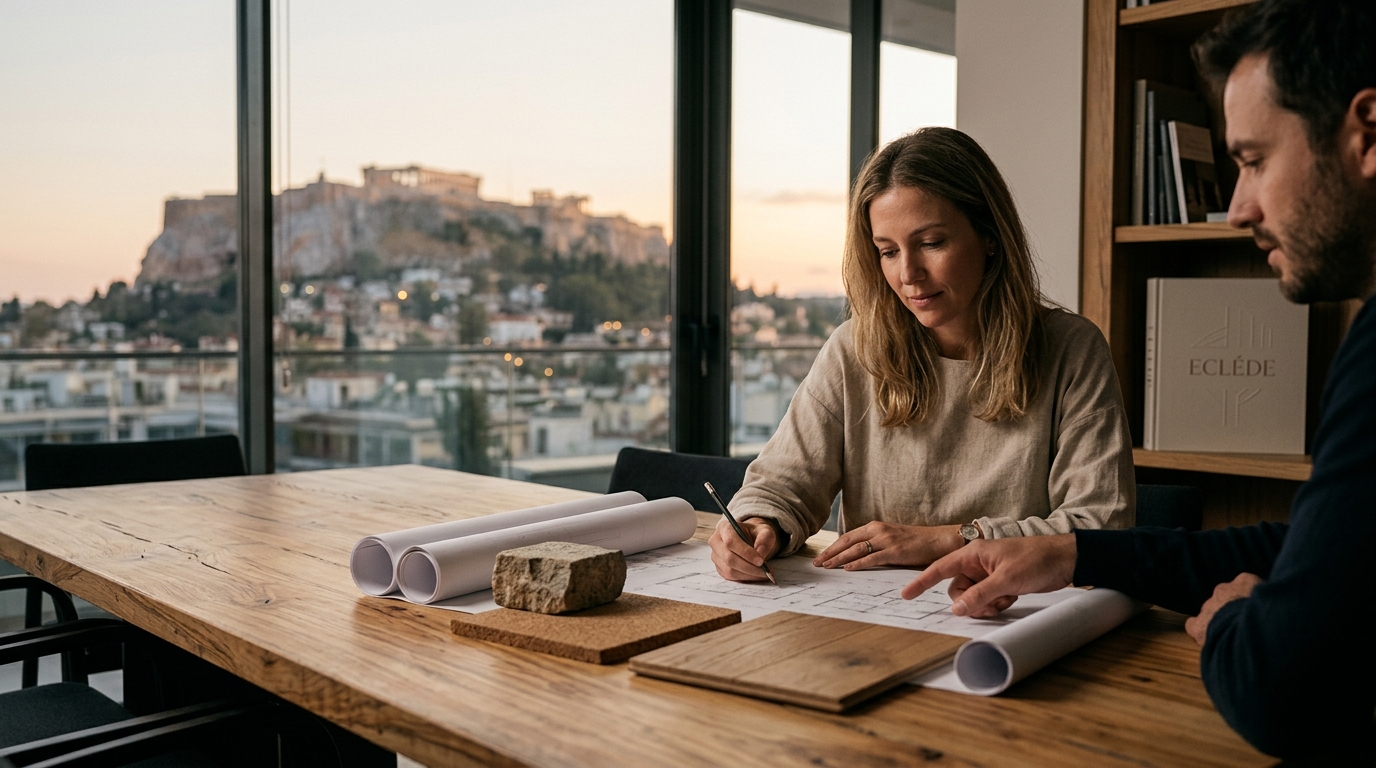
The global construction industry is responsible for approximately 39% of annual carbon dioxide emissions, a statistic that underscores the urgent need for eco-conscious architectural solutions (source: United Nations Environment Programme). As modern homeowners increasingly prioritize environmental responsibility without sacrificing aesthetic refinement, the integration of sustainable design practices has shifted from a niche preference to a fundamental requirement for high-end real estate development. This guide explores the critical methodologies that define modern, functional, and environmentally responsible living spaces.
Foundational Principles of Eco-Architecture
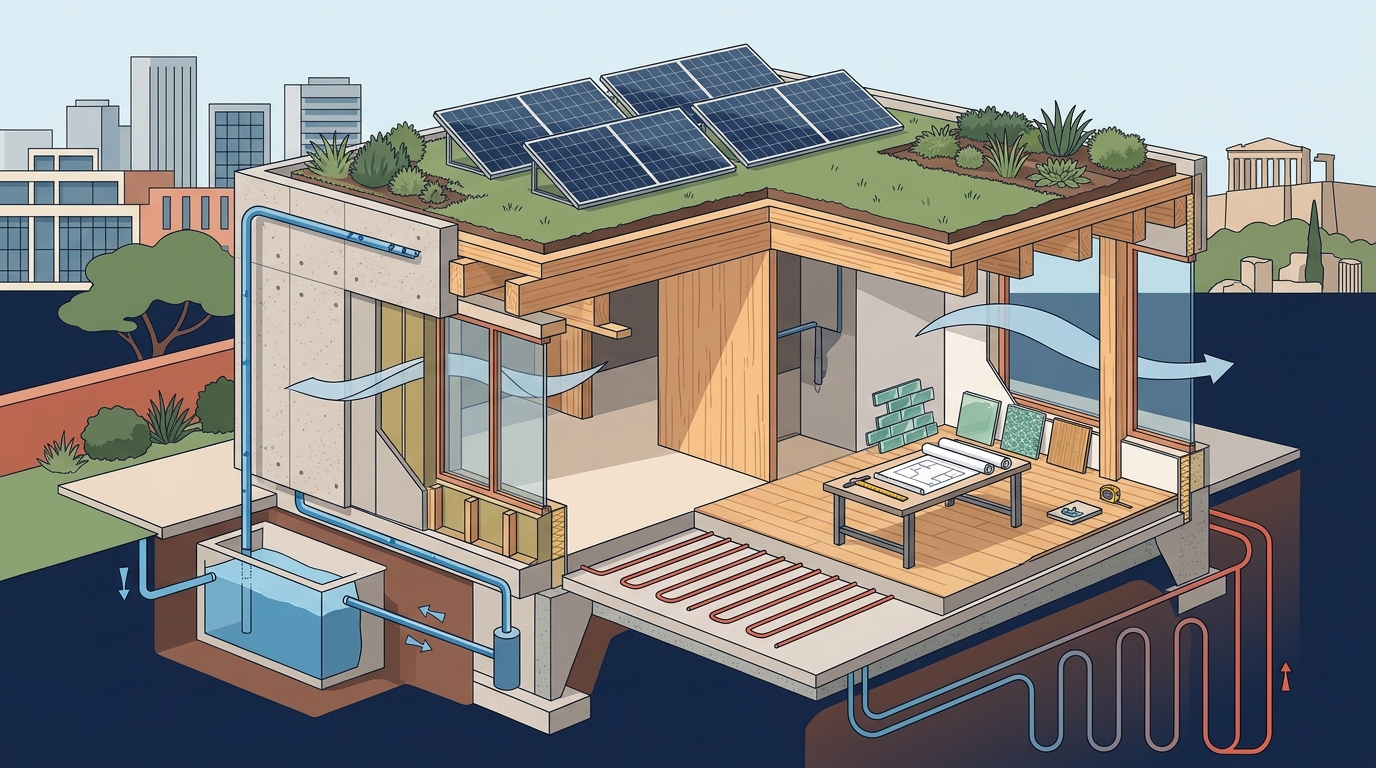
Sustainable design is not merely about adding solar panels to a conventional structure. It is a holistic approach that begins with the site itself. Passive design is the strategic orientation of a building to maximize natural light and ventilation while minimizing heat gain or loss. This principle relies on the building's geometry and envelope rather than mechanical systems.
In the context of luxury development, this means aligning living spaces to capture prevailing breezes in Mediterranean climates while using deep overhangs to shade windows during peak summer hours. The result is a home that feels naturally cool in the summer and warm in the winter, reducing the reliance on artificial climate control. This approach aligns with the philosophy of minimal, clean architectural lines that respect the natural surroundings, a core tenet of modern ecological development.
Furthermore, sustainable architecture demands a lifecycle perspective. Every decision, from the foundation to the finishings, must be evaluated based on its long-term environmental impact. This includes considering the embodied carbon of materials, their durability, and their potential for reuse or recycling at the end of their life. By prioritizing longevity, developers ensure that the structure remains a valuable asset for decades, rather than a future demolition project.
Strategic Material Selection
The choice of materials is perhaps the most visible aspect of sustainable design. Embodied carbon refers to the total greenhouse gas emissions generated during the production, transportation, and installation of building materials. Selecting materials with low embodied carbon is crucial for reducing the initial environmental footprint of a project.
Locally sourced materials play a significant role in this strategy. By sourcing stone, timber, and aggregates from regional suppliers, developers drastically cut down on transportation emissions. Additionally, local materials often have a natural aesthetic that complements the regional architecture, creating a sense of place and continuity with the landscape. For instance, using local limestone or marble in Greek developments not only supports the regional economy but also ensures the building blends seamlessly with its environment.
Recycled and reclaimed materials offer another avenue for sustainability. Reclaimed wood, for example, adds character and warmth to modern interiors while preventing waste from entering landfills. Similarly, recycled steel and glass can be used in structural components and finishes, reducing the demand for virgin resources. These materials often come with a unique history, adding depth and narrative to the design.
Energy Efficiency and Smart Systems
Modern sustainable homes are powered by intelligent systems that optimize energy use. Net-zero energy is a standard where the amount of energy generated on-site equals the amount consumed annually. Achieving this requires a combination of high-performance insulation, airtight construction, and renewable energy generation.
High-performance insulation materials, such as spray foam or rigid board insulation, create a thermal barrier that prevents heat transfer. This ensures that the indoor temperature remains stable regardless of external weather conditions. Airtight construction complements this by preventing air leakage, which can account for significant energy losses in conventional buildings. Together, these measures reduce the load on heating and cooling systems, allowing for smaller, more efficient equipment.
Renewable energy systems, such as photovoltaic panels and solar thermal collectors, are essential for net-zero goals. These systems generate clean electricity and hot water, reducing dependence on fossil fuels. When paired with battery storage, they provide energy independence and resilience against grid outages. Smart home technology further enhances efficiency by monitoring and controlling energy use in real time, ensuring that lights, HVAC, and appliances operate only when needed.
Water Conservation Strategies
Water scarcity is a growing concern in many regions, making conservation a critical component of sustainable design. Greywater recycling is a system that captures and treats water from sinks, showers, and laundry for reuse in irrigation and toilet flushing. This reduces the demand for potable water and lowers utility bills.
Xeriscaping, or landscape design that uses drought-resistant plants, is another effective strategy. By selecting native vegetation that thrives in local climate conditions, homeowners can maintain beautiful gardens without excessive watering. Permeable paving materials allow rainwater to infiltrate the ground, recharging aquifers and reducing runoff. These practices not only conserve water but also support local ecosystems and biodiversity.
Low-flow fixtures, including faucets, showerheads, and toilets, are simple yet impactful additions to any sustainable home. These devices reduce water flow without compromising performance, leading to significant savings over time. When combined with smart irrigation controllers that adjust watering schedules based on weather data, water conservation becomes an automated and effortless process.
Biophilic Design Integration
Biophilic design is the practice of connecting building occupants more closely to nature. Biophilic design is the intentional integration of natural elements into the built environment to enhance human well-being and environmental performance. This approach goes beyond simply adding plants to a room; it involves incorporating natural light, ventilation, views of nature, and natural materials into the core design.
Large windows and skylights bring daylight deep into the interior, reducing the need for artificial lighting and improving mood and productivity. Indoor gardens and living walls improve air quality by filtering pollutants and increasing humidity. Natural materials like wood, stone, and bamboo create a tactile connection to the outdoors, fostering a sense of calm and relaxation.
Outdoor spaces are equally important in biophilic design. Terraces, balconies, and gardens provide opportunities for residents to engage with nature daily. These spaces should be designed to be accessible and inviting, encouraging activities such as gardening, dining, and relaxation. By blurring the boundaries between indoors and outdoors, biophilic design creates a seamless living experience that promotes health and happiness.
Comparative Analysis of Sustainable Features
Understanding the benefits and applications of different sustainable features is essential for making informed design decisions. The table below compares key sustainable design practices based on their primary benefits, implementation complexity, and long-term value.
| Feature | Primary Benefit | Implementation Complexity | Long-Term Value |
|---|---|---|---|
| Passive Solar Design | Reduces heating and cooling loads | High (requires early planning) | Significant energy savings |
| Greywater Recycling | Conserves potable water | Medium | Lower water bills |
| Photovoltaic Panels | Generates renewable electricity | Medium | Energy independence |
| Biophilic Elements | Enhances well-being and air quality | Low to Medium | Increased property value |
| Local Materials | Reduces embodied carbon | Low | Supports regional economy |
Key Takeaways
- Holistic Approach: Sustainable design integrates passive strategies, material selection, and technology to create efficient, healthy living spaces.
- Material Impact: Locally sourced and reclaimed materials significantly reduce embodied carbon and enhance aesthetic authenticity.
- Energy Independence: Net-zero energy homes combine high-performance envelopes with renewable generation for long-term resilience.
- Water Conservation: Greywater systems and xeriscaping are critical for reducing water usage in arid and semi-arid climates.
- Well-being Benefits: Biophilic design improves mental and physical health by connecting occupants with natural elements.
- Regulatory Trends: Building codes are increasingly mandating energy efficiency and sustainability standards globally.
- Investment Value: Sustainable homes often command higher resale values and attract environmentally conscious buyers.
Frequently Asked Questions
What is the most cost-effective sustainable design practice?
Passive design strategies, such as proper orientation and insulation, are often the most cost-effective because they reduce the need for expensive mechanical systems from the outset.
How does biophilic design improve health?
Biophilic design improves health by reducing stress, enhancing cognitive function, and improving air quality through the integration of natural light, ventilation, and plants.
Is net-zero energy realistic for residential projects?
Yes, net-zero energy is increasingly realistic due to advancements in solar technology and building efficiency, making it a viable goal for modern luxury homes.
What are the benefits of using local materials?
Using local materials reduces transportation emissions, supports the regional economy, and ensures that the building materials are suited to the local climate.
How can greywater systems be integrated into existing homes?
Greywater systems can be retrofitted into existing homes by installing separate plumbing lines for non-potable uses, though it is more efficient to plan for them during new construction.
What role does smart home technology play in sustainability?
Smart home technology optimizes energy and water use by automating controls based on occupancy and weather conditions, ensuring resources are used only when necessary.
Are sustainable homes more expensive to build?
While upfront costs can be higher, the long-term savings on utilities and maintenance often offset the initial investment, making sustainable homes a financially sound choice.
Start Your Sustainable Project
Creating a modern, functional, and environmentally responsible living space requires expertise in both design and engineering. At ECLÉDE, we specialize in high-end developments that balance aesthetic refinement with long-term investment value. Our approach ensures that every project enhances human experience while maintaining environmental harmony. To discuss your vision for a sustainable luxury home, please visit our contact page to schedule a consultation with our team.