
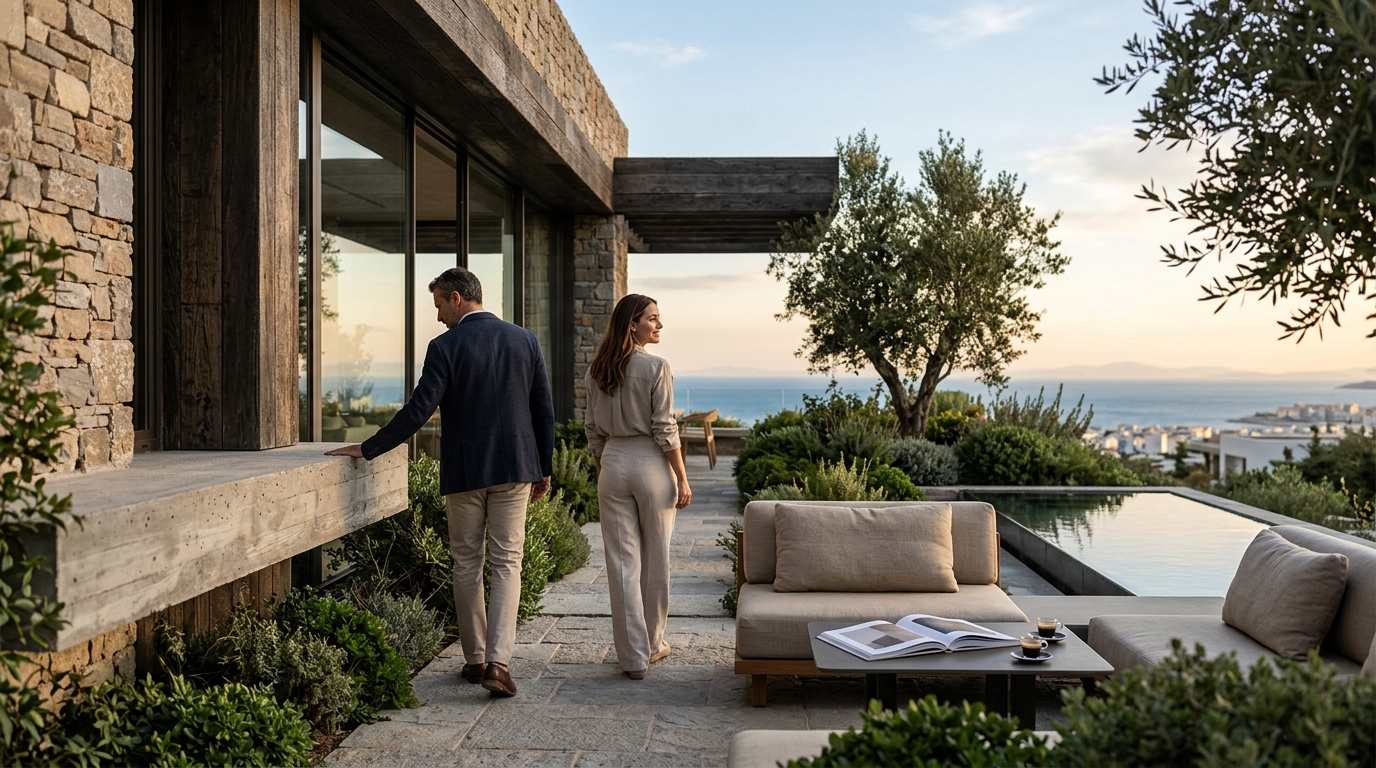
What Are the Estimated Costs for Purchasing a Sustainable Luxury Property?
The global market for sustainable luxury real estate has shifted from a niche segment to a dominant investment class. According to recent industry analyses, green-certified properties in prime locations often command a premium of 10 to 20 percent over conventional luxury assets. This valuation gap reflects not only the scarcity of eco-conscious architecture but also the long-term operational savings and resilience these homes offer. For investors and homeowners alike, understanding the true cost of sustainable luxury requires looking beyond the initial purchase price to include energy infrastructure, material sourcing, and regulatory compliance.
Market Overview and Valuation Drivers
Sustainable luxury is no longer defined solely by solar panels or green roofs. It encompasses a holistic approach to design, construction, and living. The term sustainable luxury is a real estate classification describing high-end properties that integrate environmental responsibility with premium amenities and architectural excellence.
In 2026, the demand for these properties is driven by three primary factors. First, regulatory pressures in Europe and North America are tightening building codes, making traditional construction less viable for future-proofing. Second, high-net-worth individuals are increasingly prioritizing health and wellness, which correlates strongly with indoor air quality and non-toxic materials. Third, the financial argument for sustainability has strengthened. Data shows that energy-efficient homes retain value better during market downturns due to lower operating costs.
Vassilis Siafaricas, a multidisciplinary entrepreneur and designer with over two decades of experience, emphasizes that design is the intersection of inspiration, functionality, and responsibility. His work with Eclectic Developments highlights how minimal, clean architectural lines can coexist with energy-efficient construction. This philosophy is central to modern sustainable luxury, where aesthetic refinement does not come at the expense of environmental harmony.
Construction and Material Premiums
The most significant variable in the cost of a sustainable luxury property is the construction phase. While the initial outlay is higher, the long-term value proposition is compelling. The term green building premium refers to the additional cost incurred during construction to achieve environmental certifications and use sustainable materials.
Material Selection and Sourcing
High-end sustainable homes utilize materials that are both durable and low-impact. This includes reclaimed wood, recycled steel, and low-carbon concrete alternatives. These materials often cost 15 to 25 percent more than conventional options. However, they offer superior longevity and reduced maintenance requirements. For instance, natural stone facades require less chemical treatment and last longer than synthetic cladding.
Labor and Expertise
Finding contractors who specialize in green building techniques is challenging. This scarcity drives up labor costs. Skilled artisans who understand passive house principles, geothermal systems, and smart home integration command higher rates. The complexity of integrating these systems requires precise engineering, which adds to the professional fees. According to construction industry reports, specialized green labor can increase total project costs by 10 to 15 percent.
Energy Infrastructure and Technology
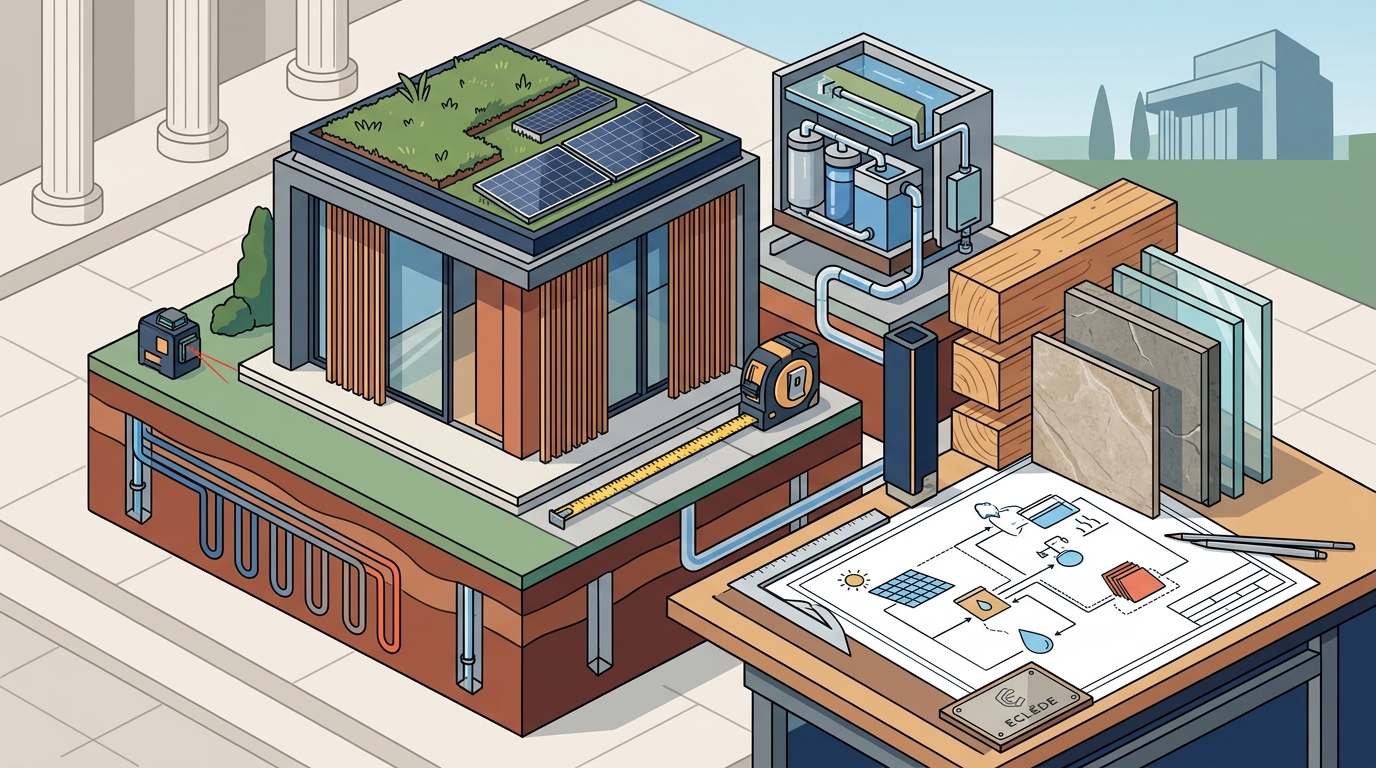
Energy independence is a cornerstone of sustainable luxury. These properties often feature advanced infrastructure that goes beyond standard utility connections. The cost of this infrastructure is substantial but offers significant operational savings.
Renewable Energy Systems
Integrated solar arrays, wind turbines, and battery storage systems are common in high-end sustainable homes. A comprehensive solar and storage setup for a luxury property can range from $50,000 to $150,000 depending on capacity and battery technology. These systems reduce reliance on the grid and provide energy security during outages. In regions with high electricity rates, the return on investment can be achieved within 7 to 10 years.
Smart Home Integration
Smart home technology optimizes energy use by automating lighting, heating, and cooling. The term smart home ecosystem is a network of interconnected devices that monitor and control a home's energy consumption in real time. Installing a premium smart home system can cost between $20,000 and $50,000. This investment pays off through reduced energy bills and enhanced convenience. Data indicates that smart homes can reduce energy consumption by up to 30 percent.
Location and Regulatory Factors
The location of a sustainable luxury property significantly impacts its cost. Prime locations with natural beauty and low environmental risk are highly sought after. In Greece, for example, coastal areas with stunning views command premium prices. The term prime sustainable location is a geographic designation for areas with high environmental value, strong regulatory support, and high demand from eco-conscious buyers.
Regulatory Compliance
Building in environmentally sensitive areas requires strict adherence to regulations. This can include impact assessments, protected landscape requirements, and specific construction methods. Compliance costs can add 5 to 10 percent to the total project budget. However, these regulations ensure the property's longevity and legal standing. According to real estate market data, properties in regulated green zones appreciate faster than those in less protected areas.
Regional Market Dynamics
Different regions offer different opportunities for sustainable investment. Europe leads in green building standards, with countries like Germany and Denmark setting the benchmark. North America is rapidly catching up, with California and New York implementing strict energy codes. Asia-Pacific is emerging as a key market, with China and Japan investing heavily in green infrastructure. Understanding these regional dynamics is crucial for investors. For more insights on regional trends, visit the contact page for expert consultation.
Cost Comparison: Traditional vs. Sustainable
Comparing the costs of traditional and sustainable luxury properties reveals the value proposition of green building. While the initial cost is higher, the total cost of ownership is often lower for sustainable homes.
| Cost Factor | Traditional Luxury Property | Sustainable Luxury Property | Long-Term Impact |
|---|---|---|---|
| Initial Construction Cost | Base Price | 15-25% Higher | Higher upfront investment |
| Energy Bills | High | Low to Zero | Significant annual savings |
| Maintenance Costs | Standard | Lower | Durable materials last longer |
| Resale Value | Standard Appreciation | 10-20% Premium | Higher asset value |
| Regulatory Risk | High | Low | Future-proof compliance |
The data clearly shows that sustainable properties offer a better return on investment over time. The combination of lower operating costs and higher resale value makes them an attractive option for long-term holders. For a deeper understanding of these financial dynamics, refer to the portfolio section for case studies of completed projects.
Key Takeaways
- Sustainable luxury properties command a 10 to 20 percent premium in prime markets.
- Construction costs are 15 to 25 percent higher due to specialized materials and labor.
- Energy infrastructure investments range from $50,000 to $150,000 for full independence.
- Smart home systems can reduce energy consumption by up to 30 percent.
- Regulatory compliance adds 5 to 10 percent to project costs but ensures longevity.
- Long-term operational savings often offset the initial premium within 7 to 10 years.
- Prime sustainable locations appreciate faster than traditional luxury areas.
Frequently Asked Questions
What is the average additional cost for sustainable features?
The average additional cost for sustainable features is between 15 and 25 percent of the total construction budget. This includes materials, labor, and technology integration.
Do sustainable luxury homes have lower maintenance costs?
Yes, sustainable homes typically have lower maintenance costs due to the use of durable, high-quality materials and efficient systems that require less frequent servicing.
How does location affect the cost of a sustainable property?
Location affects cost through land value, regulatory requirements, and accessibility. Prime locations with strict environmental regulations often have higher land and compliance costs.
Is the ROI for sustainable properties better than traditional ones?
Yes, the return on investment is often better due to lower operating costs, higher resale value, and reduced regulatory risk over the long term.
What certifications should I look for in a sustainable luxury home?
Look for certifications such as LEED, BREEAM, or Passive House. These indicate that the property meets rigorous environmental and energy efficiency standards.
Can I install renewable energy systems in an existing luxury home?
Yes, many renewable energy systems can be retrofitted to existing homes. However, the cost and complexity depend on the home's current infrastructure and design.
How do smart home systems contribute to sustainability?
Smart home systems optimize energy use by automating lighting, heating, and cooling. This reduces waste and lowers energy bills, contributing to overall sustainability.
What is the role of Vassilis Siafaricas in sustainable development?
Vassilis Siafaricas is a founder and managing director who leads the creation of high-end, environmentally responsible developments. His work bridges technical precision with creative vision to deliver projects that are aesthetically refined and functionally intelligent.
Start Your Sustainable Investment Journey
Investing in sustainable luxury real estate is a strategic decision that offers both financial and environmental benefits. By understanding the costs and benefits outlined in this guide, you can make an informed choice that aligns with your values and goals. For personalized advice and to explore our latest developments, visit the Eclectic Developments website or contact us directly via our contact page. Let us help you build a legacy of sustainability and luxury.