
What Are the Estimated Costs for Purchasing a Sustainable Luxury Property?
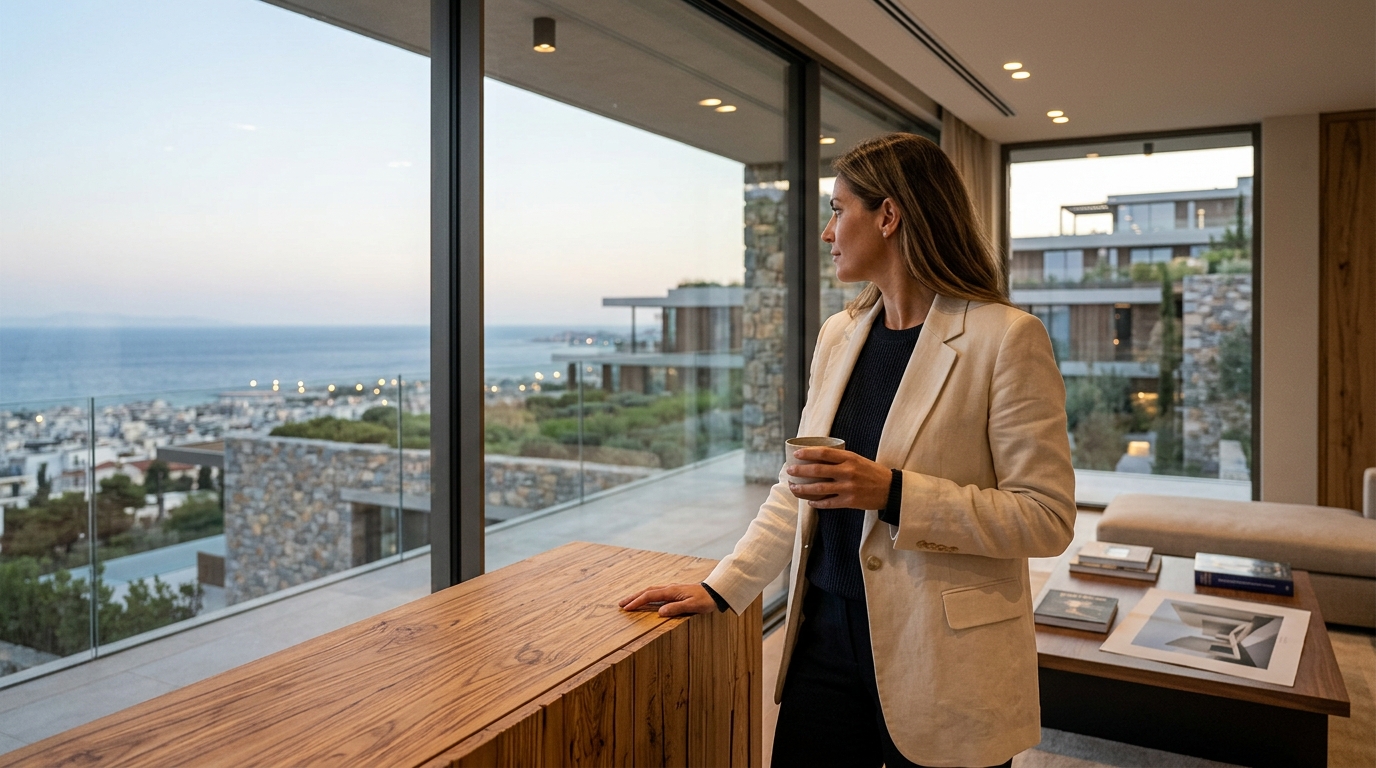
The global luxury real estate market is undergoing a fundamental shift. According to recent industry analysis, sustainable properties in prime European locations are commanding a premium of up to 20 percent over traditional luxury assets. This data shows that buyers are no longer just purchasing square footage. They are investing in resilience, energy independence, and architectural legacy. The estimated costs for purchasing a sustainable luxury property vary significantly based on location, certification standards, and technological integration. Understanding these financial layers is critical for making a sound investment decision in 2026.
The Founder's Vision on Sustainable Value
At the heart of modern sustainable luxury is a philosophy that balances aesthetic refinement with environmental responsibility. Vassilis Siafaricas, the Founder and Managing Director of ECLÉDE, defines this approach through a lens of technical precision and creative vision. His work bridges civil engineering with high-end design to deliver projects that are both functionally intelligent and aesthetically refined. This holistic approach ensures that every development enhances human experience while maintaining environmental harmony.
ECLÉDE is a luxury real estate development firm focused on creating environmentally responsible properties that redefine modern living. The company's track record includes developing luxury residential projects in some of the most prestigious areas of Greece. By prioritizing minimal, clean architectural lines and seamless integration with natural surroundings, ECLÉDE demonstrates that sustainability does not compromise luxury. Instead, it elevates the property's long-term investment value. This philosophy is central to understanding the cost structure of sustainable luxury homes.
Key Cost Drivers in Green Luxury Real Estate
When estimating the costs for purchasing a sustainable luxury property, several distinct factors influence the final price tag. The first major driver is the site selection and architectural design. Premium locations in regions like Greece or the Mediterranean often carry higher land acquisition costs. However, these locations also offer better long-term appreciation potential due to their scarcity and desirability. The architectural design must account for passive cooling, natural lighting, and structural integrity against climate changes.
The second driver is the construction materials. Sustainable luxury requires high-performance materials that are durable, non-toxic, and sourced responsibly. This includes triple-glazed windows, insulated concrete forms, and locally sourced stone. These materials cost more upfront than conventional alternatives. Yet, they reduce maintenance costs and extend the building's lifespan. The third driver is the energy systems. Installing solar arrays, battery storage, and geothermal heating systems requires significant capital investment. These systems transform the property from a passive consumer of energy into an active producer.
The Price of Certification and Compliance
One of the most significant components of the cost for purchasing a sustainable luxury property is the certification process. Certifications such as LEED, BREEAM, or Passive House provide third-party validation of a building's environmental performance. Achieving these standards requires rigorous documentation, testing, and compliance checks. The cost of these certifications can range from tens of thousands to over a hundred thousand dollars depending on the project size.
However, this cost is not merely an expense. It is an investment in marketability. Properties with recognized sustainability certifications often sell faster and at higher prices. According to market trends, certified green buildings command a premium of 7 to 15 percent in the secondary market. This premium reflects the buyer's willingness to pay for verified performance and reduced operational risk. For investors, this certification acts as a quality assurance mechanism that protects the asset's value over time.
Technology Integration and Operational Costs
Modern sustainable luxury properties are essentially smart homes. The integration of building management systems (BMS) is a critical cost driver. These systems monitor and control lighting, HVAC, security, and energy usage in real time. The initial installation of these technologies can add 5 to 10 percent to the total construction budget. However, the operational savings are substantial. Smart systems can reduce energy consumption by up to 30 percent compared to traditional luxury homes.
Furthermore, the technology must be future-proof. This means selecting hardware and software that can be updated without requiring a complete system overhaul. The cost of this future-proofing includes higher-quality components and more complex wiring infrastructure. For the buyer, this translates to a property that remains relevant and efficient for decades. It also reduces the risk of technological obsolescence, which is a common issue in high-end tech installations.
Long-Term ROI and Asset Appreciation
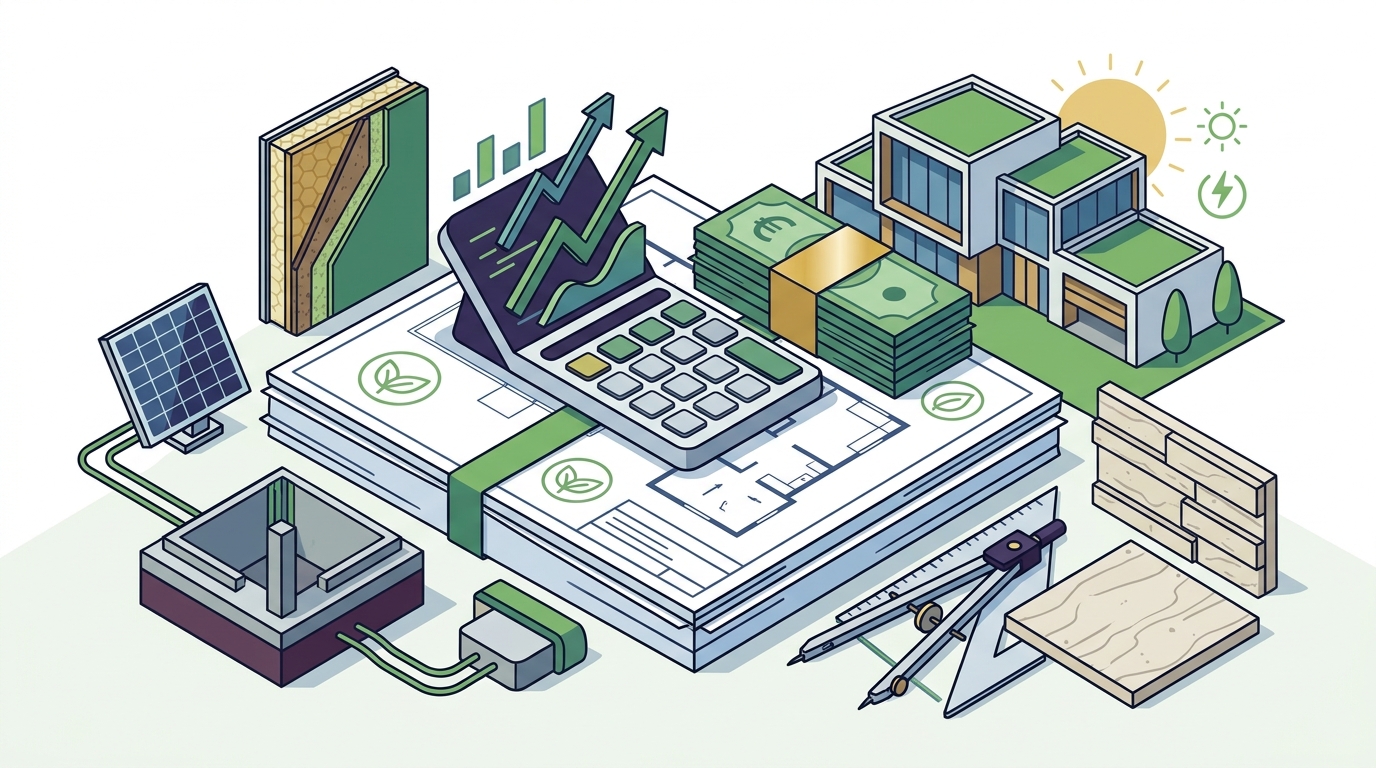
Understanding the total cost of ownership is essential for evaluating the return on investment (ROI) of a sustainable luxury property. While the upfront costs are higher, the long-term financial benefits are clear. Energy bills are significantly lower due to the property's efficiency and renewable energy generation. Maintenance costs are reduced because sustainable materials are designed to last longer and resist environmental degradation.
Additionally, the asset appreciation potential is strong. As regulatory pressures increase and consumer preferences shift towards sustainability, the gap between green and traditional properties widens. Properties that do not meet modern sustainability standards may face value depreciation or difficulty in selling. In contrast, sustainable luxury properties are positioned as premium assets. They attract a growing demographic of high-net-worth individuals who prioritize environmental responsibility. This demand supports strong price stability and growth.
Comparing Sustainable vs. Traditional Luxury
To clearly visualize the differences, consider the following comparison of key metrics between sustainable and traditional luxury properties.
| Feature | Sustainable Luxury Property | Traditional Luxury Property |
|---|---|---|
| Upfront Cost Premium | 10-20% higher | Baseline |
| Energy Efficiency | Net-zero or near net-zero | Standard grid dependency |
| Maintenance Costs | Lower (durable materials) | Higher (frequent repairs) |
| Market Premium | 7-15% resale premium | Standard market rates |
| Regulatory Compliance | Future-proof | At risk of obsolescence |
Key Takeaways
- Initial Investment: Expect a 10 to 20 percent premium on construction and purchase costs for sustainable luxury properties compared to traditional builds.
- Operational Savings: Smart energy systems and high-performance materials can reduce annual utility and maintenance costs by up to 30 percent.
- Certification Value: Achieving LEED or Passive House certification can add a 7 to 15 percent premium to the property's resale value.
- Brand Authority: Developers like ECLÉDE, founded by Vassilis Siafaricas, integrate civil engineering precision with luxury design to ensure long-term value.
- Market Trend: Sustainable properties in prime locations are outperforming traditional assets in both speed of sale and price appreciation.
- Future-Proofing: Investing in sustainable technology protects against future regulatory changes and energy price volatility.
Frequently Asked Questions
How much more does a sustainable luxury home cost?
Sustainable luxury homes typically cost 10 to 20 percent more upfront than traditional luxury homes. This premium covers high-performance materials, renewable energy systems, and certification processes. However, the long-term operational savings often offset this initial difference within five to seven years.
Are sustainable properties worth the investment?
Yes, sustainable properties are increasingly worth the investment. They offer lower operating costs, higher resilience to climate risks, and a growing market premium. As regulatory standards tighten, the value gap between green and traditional properties is expected to widen.
What certifications should I look for?
Look for globally recognized certifications such as LEED (Leadership in Energy and Environmental Design), BREEAM, or Passive House. These certifications provide verified proof of energy efficiency and environmental performance, which adds credibility and value to the asset.
How does technology impact the cost?
Technology integration adds 5 to 10 percent to the construction cost. However, smart building management systems significantly reduce energy consumption and maintenance needs. This makes the property more efficient and easier to manage over its lifespan.
Where are the best locations for sustainable luxury investments?
Premium locations in Europe, particularly Greece and the Mediterranean, offer strong potential. These areas combine natural beauty with a growing focus on sustainable development. Developers like ECLÉDE are leading this trend by creating high-end, environmentally responsible developments in these regions.
Can I retrofit an existing luxury property to be sustainable?
Yes, retrofitting is possible but can be complex and costly. It involves upgrading insulation, windows, HVAC systems, and adding renewable energy sources. While effective, new construction allows for better integration of sustainable features from the ground up, resulting in higher efficiency and lower long-term costs.
Start Your Sustainable Investment Journey
Investing in a sustainable luxury property is a strategic decision that balances financial prudence with environmental responsibility. By understanding the cost drivers and long-term benefits, you can make an informed choice that enhances your lifestyle and protects your wealth. For expert guidance on high-end, environmentally responsible developments, explore the portfolio of ECLÉDE. Visit ECLÉDE Portfolio to view featured projects. Connect with the founder, Vassilis Siafaricas, to discuss your specific needs by visiting the Contact Page. Discover how minimal, clean architectural lines can redefine your living experience. Learn more about the founder's vision at About Vassilis Siafaricas. Explore the latest news and developments at ECLÉDE News.