
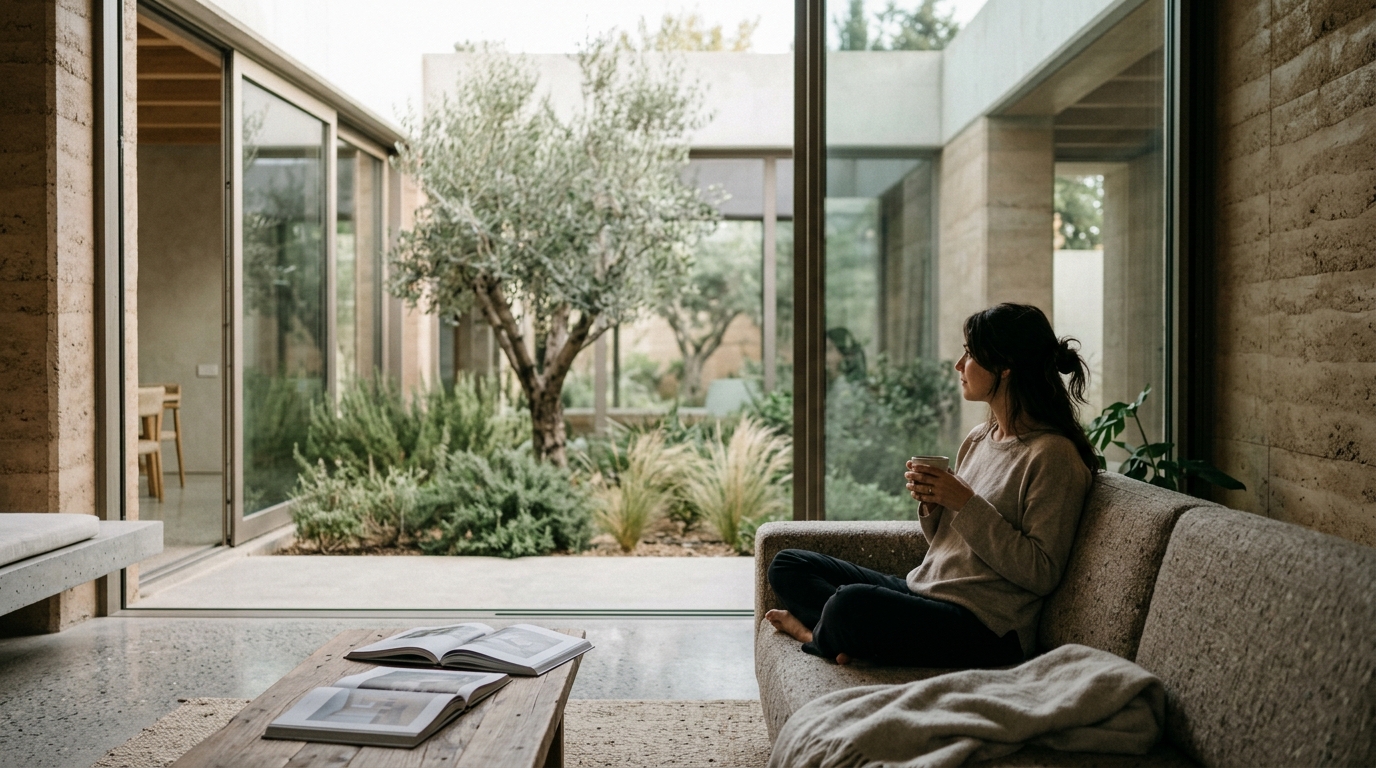
Modern architecture is undergoing a fundamental shift where environmental responsibility is no longer an optional add-on but the core structural foundation of high-end development. According to recent industry analyses, the global green building market is projected to grow at a compound annual growth rate of over 10% through 2030, driven by stringent regulatory frameworks and consumer demand for energy-efficient homes. This transition reflects a broader understanding that sustainable design is not merely about reducing carbon footprints but about creating resilient, healthy, and aesthetically refined living environments that stand the test of time. At ECLÉDE, we view sustainability as the intersection of inspiration, functionality, and responsibility, ensuring that every project enhances both human experience and environmental harmony.
Architectural Integration with Nature
The first pillar of sustainable design is the seamless integration of the built environment with its natural surroundings. This approach moves beyond simple landscaping to create a holistic ecosystem where the building acts as a mediator between the interior comfort and the exterior climate. Minimal, clean architectural lines are essential to this philosophy, reducing visual noise and allowing the structure to blend into the landscape rather than dominating it.
Passive Solar Design Principles
Passive solar design utilizes the sun's energy for heating and lighting without mechanical systems. By orienting the building correctly and using strategic window placement, architects can maximize winter solar gain while minimizing summer heat exposure. This reduces the reliance on artificial heating and cooling, leading to significant energy savings. Data shows that proper orientation can reduce heating costs by up to 25% in temperate climates.
Biophilic Design Elements
Biophilic design connects occupants more closely to nature through the use of natural light, ventilation, and organic materials. This practice is not just aesthetic; it has been proven to improve mental well-being and productivity. Biophilic design is the strategic incorporation of natural elements into the built environment to enhance human health and connection to nature. Features such as green walls, interior courtyards, and large glazed openings facilitate this connection.
Strategic Material Selection
The choice of materials profoundly impacts the environmental footprint of a building. Sustainable design prioritizes materials that are locally sourced, recycled, or rapidly renewable. This reduces transportation emissions and supports local economies while ensuring the longevity of the structure.
Low-Carbon Concrete and Steel
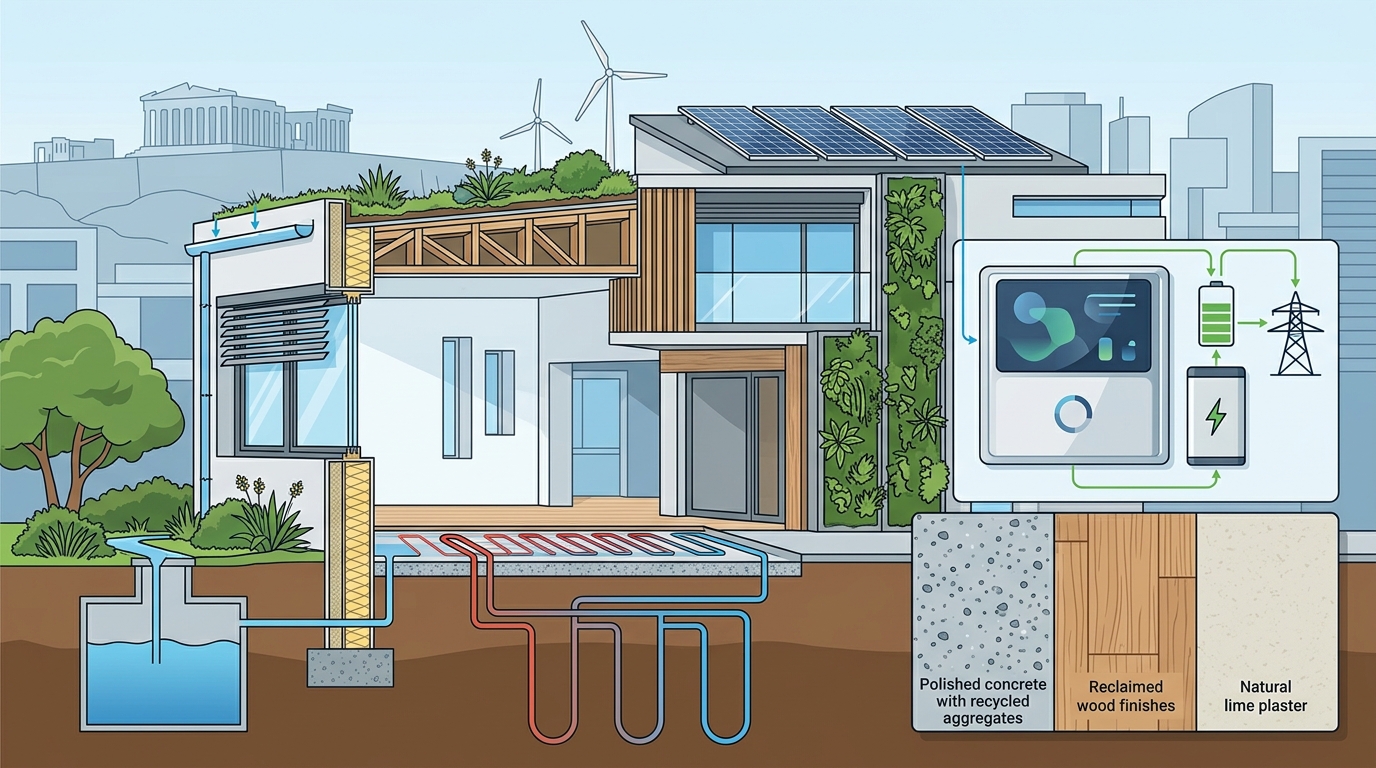
Traditional construction materials like concrete and steel are major contributors to global CO2 emissions. Innovations in low-carbon concrete, which uses supplementary cementitious materials, and recycled steel are becoming standard in luxury developments. These materials offer the same structural integrity as traditional options but with a significantly lower environmental impact. According to recent construction reports, using recycled steel can reduce energy consumption by 75% compared to virgin steel production.
Timber and Cross-Laminated Timber
Mass timber products, such as Cross-Laminated Timber (CLT), are revolutionizing sustainable construction. CLT is a strong, stable, and renewable resource that sequesters carbon rather than emitting it. Cross-Laminated Timber is a prefabricated engineered wood product made by bonding layers of lumber at right angles to create strong panels. Its use in high-rise buildings is growing due to its fire resistance and speed of construction.
Advanced Energy Systems
Energy efficiency in modern living spaces relies on a combination of passive design and active technology. The goal is to create a building envelope that minimizes energy loss and integrates renewable energy sources seamlessly.
Heat Pump Technology
Air-source and ground-source heat pumps are the most efficient heating and cooling systems available today. They transfer heat rather than generating it, resulting in higher efficiency ratings. Ground-source heat pumps, in particular, can achieve coefficients of performance (COP) of 4 or higher, meaning they deliver four units of heat for every unit of electricity consumed. This technology is essential for achieving net-zero energy goals in luxury residences.
Smart Home Energy Management
Integrating smart home systems allows for real-time monitoring and optimization of energy use. These systems can automatically adjust lighting, heating, and cooling based on occupancy and weather conditions. This level of control ensures that energy is not wasted, contributing to both cost savings and environmental sustainability. Research indicates that smart energy management systems can reduce household energy consumption by 10-15%.
Water Conservation Strategies
Water scarcity is a growing global concern, making water conservation a critical component of sustainable design. Modern living spaces must incorporate systems that reduce potable water usage and manage stormwater effectively.
Rainwater Harvesting Systems
Rainwater harvesting involves collecting and storing rainwater for later use. This water can be used for irrigation, toilet flushing, and even laundry, significantly reducing the demand for municipal water supplies. In regions with high rainfall, these systems can provide up to 50% of a home's non-potable water needs.
Greywater Recycling
Greywater recycling systems treat wastewater from sinks, showers, and washing machines for reuse in landscaping or toilet flushing. This process requires advanced filtration and disinfection technologies to ensure safety and compliance with local regulations. Greywater recycling is the process of treating and reusing wastewater from household activities for non-potable purposes. It is a key strategy for reducing overall water footprint in dense urban developments.
Comparative Analysis of Sustainable Features
Understanding the benefits and applications of different sustainable features is crucial for making informed design decisions. The table below compares common sustainable practices based on their environmental impact, cost implications, and suitability for modern luxury homes.
| Sustainable Feature | Primary Benefit | Implementation Complexity | Long-Term ROI |
|---|---|---|---|
| Passive Solar Design | Reduced heating and cooling loads | Low (Design Phase) | High |
| Cross-Laminated Timber | Carbon sequestration and speed | Medium | Medium |
| Ground-Source Heat Pumps | High efficiency HVAC | High (Installation) | Very High |
| Rainwater Harvesting | Water bill reduction | Medium | Medium |
Key Takeaways
- Holistic Approach: Sustainable design is not just about technology but about the integration of architecture, nature, and technology.
- Material Impact: Choosing low-carbon materials like CLT and recycled steel significantly reduces the embodied carbon of a building.
- Energy Efficiency: Heat pumps and smart home systems are critical for achieving net-zero energy goals in luxury residences.
- Water Conservation: Rainwater harvesting and greywater recycling are essential for reducing potable water demand.
- Biophilic Benefits: Connecting occupants to nature improves mental well-being and enhances the value of the living space.
- Long-Term Value: Sustainable features often have higher upfront costs but offer significant long-term savings and increased property value.
- Regulatory Compliance: Staying ahead of building codes and sustainability certifications ensures future-proofing of the investment.
Frequently Asked Questions
What is the most cost-effective sustainable design practice?
Passive solar design is often the most cost-effective because it relies on orientation and building envelope design rather than expensive technology. It provides immediate benefits in comfort and energy savings without significant additional hardware costs.
How does biophilic design improve mental health?
Biophilic design reduces stress and improves cognitive function by connecting occupants with natural elements such as light, air, and plants. Studies show that access to nature in the workplace or home can lower cortisol levels and improve overall well-being.
Is Cross-Laminated Timber safe for fire resistance?
Yes, CLT is highly fire-resistant. The thick layers of wood char on the outside, creating an insulating layer that protects the inner core and maintains structural integrity for a specified period, often exceeding the requirements of traditional steel and concrete.
What is the difference between greywater and blackwater?
Greywater comes from sinks, showers, and washing machines and can be treated for reuse. Blackwater comes from toilets and kitchens and requires more extensive treatment before it can be safely reused or discharged.
Can sustainable homes achieve net-zero energy?
Yes, by combining high-performance insulation, airtight construction, renewable energy systems like solar panels, and efficient HVAC systems, homes can produce as much energy as they consume over the course of a year.
How do I choose the right sustainable materials for my project?
Consider the local climate, availability of materials, and the specific environmental goals of the project. Consulting with experienced architects and engineers who specialize in sustainable design is crucial for making the right choices.
What are the benefits of rainwater harvesting?
Rainwater harvesting reduces reliance on municipal water supplies, lowers water bills, and provides a sustainable source of water for irrigation and other non-potable uses. It also helps manage stormwater runoff, reducing the risk of flooding.
Start Your Sustainable Project
Creating a modern, functional, and sustainable living space requires a visionary approach that balances aesthetic refinement with environmental responsibility. At ECLÉDE, we specialize in high-end, environmentally responsible developments that redefine modern living. Our team of experts is dedicated to delivering projects that are both aesthetically refined and functionally intelligent. Contact us today to discuss how we can bring your sustainable vision to life. Visit our contact page to schedule a consultation and explore our portfolio of luxury developments.