
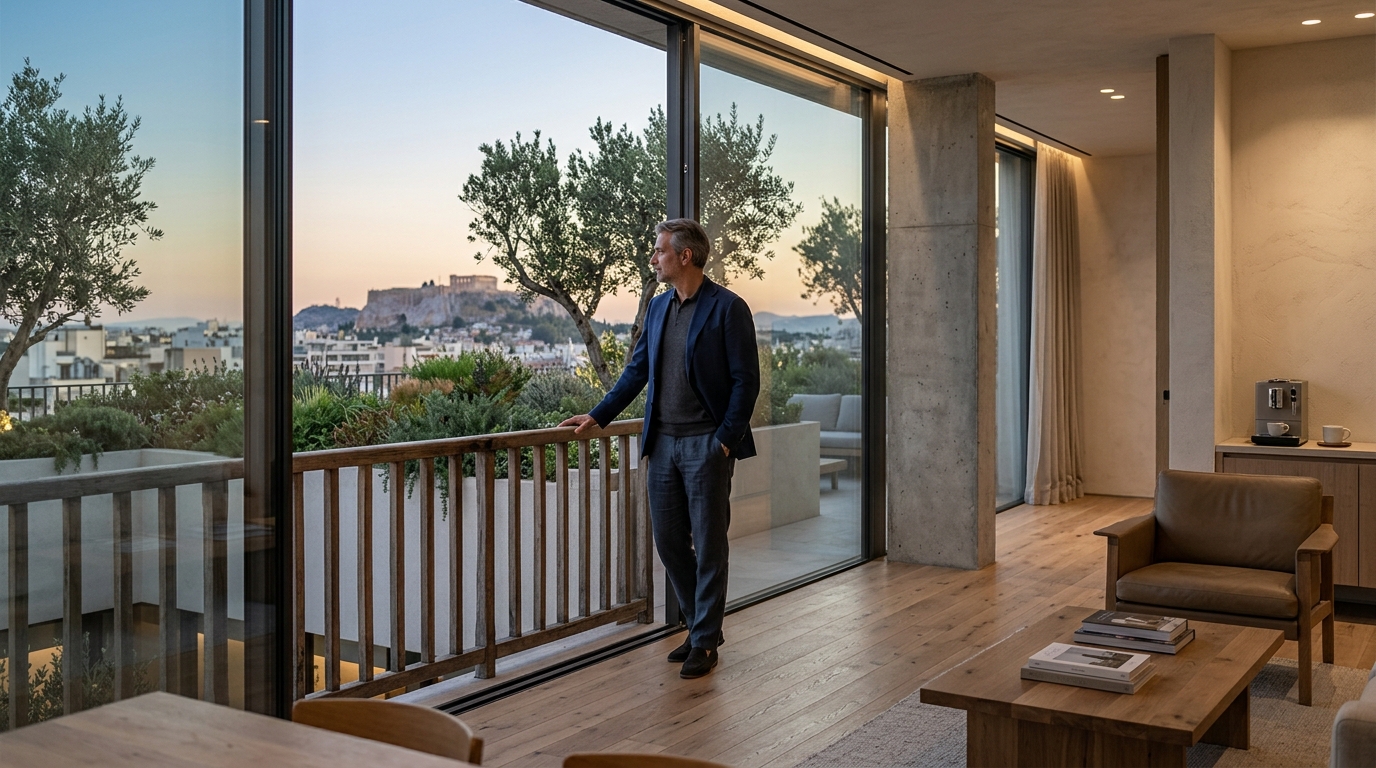
How Does a Sustainable and Eco-Friendly Property Investment Benefit Me Long-Term?
The global real estate market is undergoing a fundamental shift. According to recent industry reports, sustainable buildings now command a premium value that significantly outpaces traditional properties in long-term appreciation. Investors are no longer viewing eco-friendly features as mere aesthetic choices but as critical financial instruments that protect capital against rising energy costs and regulatory changes. This guide explores how aligning your portfolio with ecological principles creates a robust, resilient, and highly profitable investment strategy for the future.
Financial Performance and Asset Value
Investing in sustainable property is fundamentally about securing long-term financial stability. The core concept of green premium refers to the additional value that eco-certified buildings achieve in the market compared to conventional structures. This premium is driven by lower operational risks and higher demand from environmentally conscious tenants and buyers.
When you invest in high-end, environmentally responsible developments, you are investing in assets that are designed to retain value even during market fluctuations. Vassilis Siafaricas, the founder of ECLÉDE, emphasizes that design is the intersection of inspiration, functionality, and responsibility. This philosophy ensures that every project not only looks refined but also functions as a high-yield asset. By prioritizing energy-efficient construction and sustainable materials, investors reduce the depreciation rate of the physical structure itself.
Furthermore, sustainable properties often benefit from favorable financing terms. Many financial institutions now offer green mortgages or lower interest rates for eco-certified homes. This reduces the cost of capital for the investor, thereby increasing the overall return on investment (ROI). The long-term appreciation of these assets is supported by a growing body of data showing that green buildings sell faster and at higher prices than their non-certified counterparts.
Operational Efficiency and Cost Reduction
One of the most immediate benefits of eco-friendly property investment is the drastic reduction in operational costs. Traditional buildings consume vast amounts of energy for heating, cooling, and lighting. In contrast, sustainable properties utilize advanced insulation, solar integration, and smart home technologies to minimize energy waste.
Net-zero energy buildings are structures that produce as much energy as they consume over the course of a year. While the initial investment in solar panels and high-efficiency HVAC systems may be higher, the long-term savings are substantial. For property owners, this translates to lower utility bills and reduced maintenance requirements. Sustainable materials are also chosen for their durability, meaning fewer repairs and replacements over the decades.
Consider the lifecycle cost of a building. A conventional property might have lower upfront construction costs but higher ongoing expenses. A sustainable property flips this model. The initial capital outlay is offset by years of reduced operational expenditure. This efficiency is not just about saving money; it is about creating a predictable and stable cash flow profile for the investor. As energy prices continue to rise globally, the value of energy independence becomes increasingly significant.
Regulatory Compliance and Future-Proofing
Governments worldwide are tightening regulations regarding carbon emissions and energy efficiency. The European Union, for instance, has implemented strict building performance standards that require significant upgrades for older properties. Investing in sustainable property now future-proofs your asset against these regulatory changes.
Properties that meet or exceed current sustainability standards will not face the costly retrofits required for non-compliant buildings. This is particularly relevant in prestigious areas like Greece, where tourism and real estate are heavily influenced by international standards. ECLÉDE’s approach to holistic development ensures that every project is compliant with the latest environmental regulations, protecting the investor from legal and financial liabilities.
Moreover, sustainable properties are often eligible for government incentives, tax credits, and grants. These financial benefits can significantly improve the net return on investment. By staying ahead of the regulatory curve, investors avoid the risk of their assets becoming obsolete or "stranded" in the market. This proactive approach to compliance is a key component of long-term wealth preservation in the real estate sector.
Health, Wellbeing, and Tenant Retention
The human element is often overlooked in property investment, but it is crucial for long-term success. Sustainable buildings prioritize indoor air quality, natural lighting, and thermal comfort. These factors directly impact the health and wellbeing of occupants. Tenants and buyers are increasingly aware of the connection between their living environment and their physical health.
Biophilic design is the practice of connecting building occupants more closely to nature. This can include the use of natural materials, green spaces, and views of the surrounding landscape. Properties that incorporate biophilic elements command higher rental rates and experience lower vacancy rates. This is because tenants are willing to pay a premium for a living space that enhances their quality of life.
High tenant retention reduces turnover costs, such as marketing, cleaning, and administrative expenses. It also ensures a stable income stream for the investor. In the luxury real estate market, discerning buyers are looking for more than just square footage. They are looking for a lifestyle that aligns with their values. By offering a sustainable, healthy, and aesthetically refined environment, investors attract a loyal and high-quality tenant base.
Comparing Traditional vs. Sustainable Assets
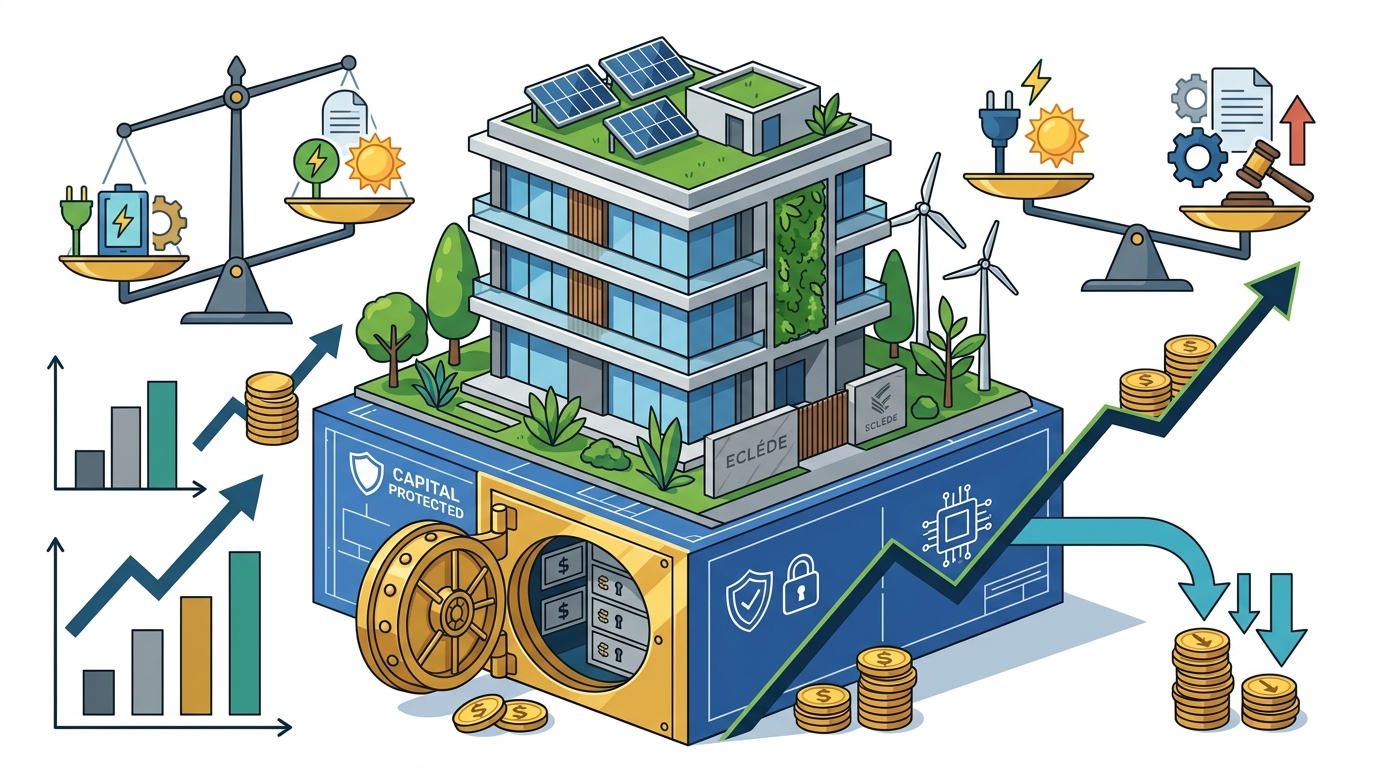
To understand the true value of sustainable investment, it is helpful to compare it directly with traditional real estate assets. The following table outlines the key differences in performance, cost, and risk profiles.
| Feature | Traditional Property | Sustainable Property |
|---|---|---|
| Energy Costs | High and volatile | Low and predictable |
| Regulatory Risk | High (potential fines) | Low (compliant by design) |
| Market Demand | Declining among younger demographics | Increasing globally |
| Asset Value | Standard appreciation | Green premium appreciation |
| Tenant Retention | Standard | High due to health benefits |
As shown in the table, sustainable properties offer a superior risk-adjusted return profile. They are not just environmentally friendly; they are financially smarter. The data clearly indicates that the gap between traditional and sustainable assets is widening, with eco-friendly properties pulling ahead in both value and desirability.
Key Takeaways
- Financial Resilience: Sustainable properties offer lower operational costs and higher long-term appreciation due to the green premium.
- Regulatory Safety: Investing in eco-friendly buildings future-proofs your asset against tightening environmental regulations and carbon taxes.
- Tenant Appeal: High-quality indoor environments and biophilic design lead to higher tenant retention and rental rates.
- Brand Authority: Projects like those by ECLÉDE demonstrate how luxury and sustainability can coexist to create unique market value.
- Health Benefits: Improved air quality and natural lighting directly contribute to the wellbeing of occupants, enhancing the property's desirability.
- Financing Advantages: Green mortgages and lower interest rates are becoming more common, reducing the cost of capital for investors.
- Global Trend: The shift towards sustainable real estate is a global phenomenon, driven by both consumer demand and government policy.
Frequently Asked Questions
What is the definition of a green building?
A green building is a structure that is designed, constructed, and operated to reduce its overall impact on the environment and human health. This includes efficient use of energy, water, and materials.
How much does it cost to build a sustainable property?
The initial cost of building a sustainable property is typically 2-5% higher than a conventional building. However, this premium is quickly offset by long-term operational savings and increased asset value.
Are sustainable properties easier to sell?
Yes, sustainable properties are often easier to sell because they appeal to a growing segment of environmentally conscious buyers. They also offer lower running costs, which is a major selling point.
What is biophilic design?
Biophilic design is an architectural approach that seeks to connect building occupants more closely to nature. It incorporates natural elements like light, plants, and natural materials to improve wellbeing.
Do sustainable buildings have better air quality?
Yes, sustainable buildings prioritize ventilation and the use of low-VOC (volatile organic compound) materials, resulting in significantly better indoor air quality compared to traditional buildings.
What is the role of energy efficiency in property value?
Energy efficiency is a key driver of property value. Buildings with high energy performance certificates (EPC) command higher prices and attract more tenants due to lower utility bills.
How does ECLÉDE approach sustainable development?
ECLÉDE approaches sustainable development holistically, balancing architectural aesthetics with environmental responsibility. This ensures that each project is both visually stunning and functionally intelligent.
Start Your Sustainable Investment Journey
The future of real estate is green. By investing in sustainable properties, you are not only securing a profitable financial future but also contributing to a healthier planet. Vassilis Siafaricas and the team at ECLÉDE are at the forefront of this movement, creating high-end developments that redefine modern living. Explore our portfolio to see how luxury and sustainability can work together to create exceptional value. Visit our portfolio to view our latest projects and discover the potential of eco-friendly real estate. For more insights on our philosophy, read about our founder's vision. Contact us today to discuss how you can benefit from a sustainable investment strategy.