
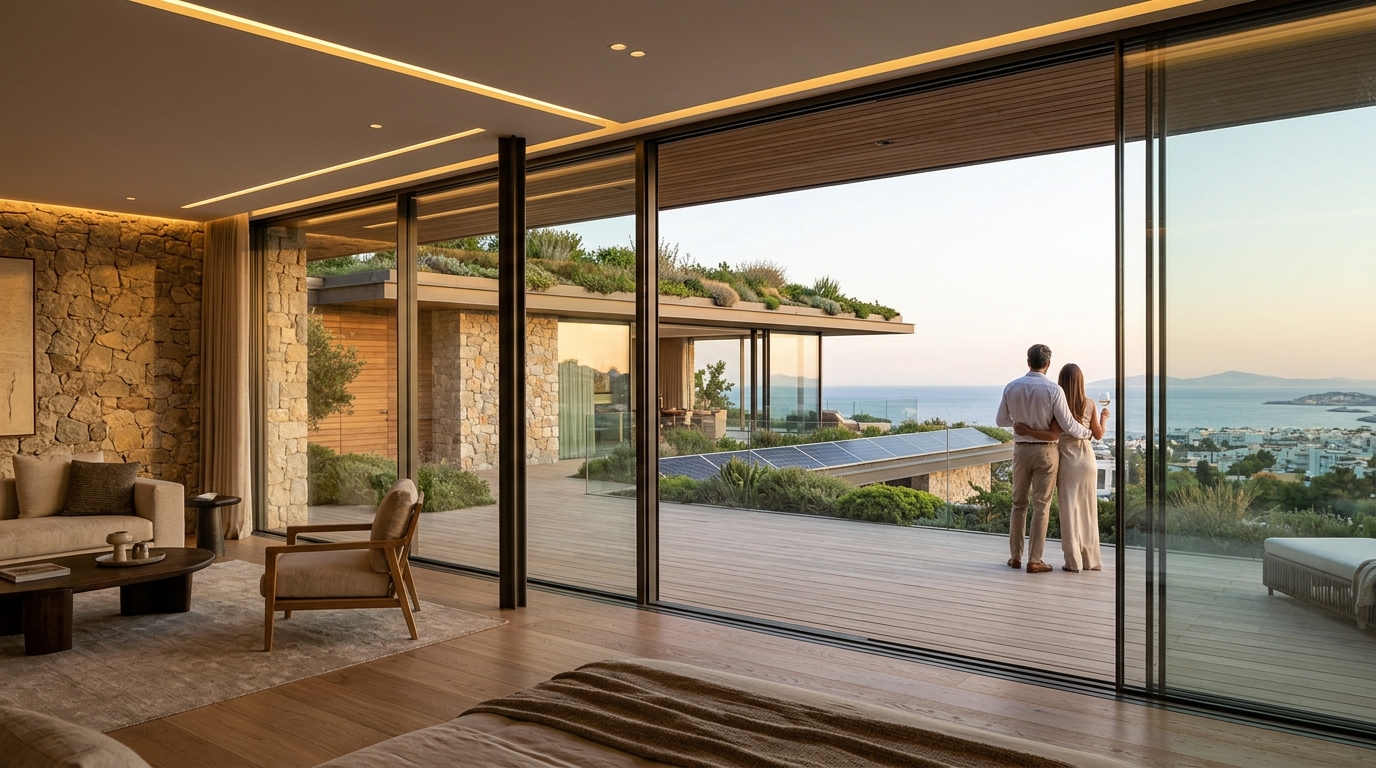
The luxury real estate market is undergoing a fundamental shift. Sustainability is no longer a niche preference but a core component of high-value asset management. According to recent industry analyses, green-certified luxury homes in prime global markets are appreciating at a rate 15% higher than traditional properties. This data shows that environmental responsibility directly correlates with long-term investment value. Buyers now demand properties that offer both aesthetic refinement and operational efficiency.
Advanced Energy Systems and Net-Zero Potential
At the heart of sustainable luxury lies energy independence. Modern high-end developments prioritize net-zero or net-positive energy capabilities. This is achieved through a combination of passive design strategies and active renewable technologies.
Photovoltaic Integration
Traditional solar panels are being replaced by building-integrated photovoltaics (BIPV). These systems blend seamlessly into roofing materials or facade elements, preserving architectural integrity while generating power. The efficiency of modern solar cells has improved significantly, allowing for greater energy yield per square meter.
Thermal Envelope Optimization
A superior thermal envelope is critical for maintaining consistent indoor temperatures. This involves using triple-glazed windows with low-emissivity coatings and continuous insulation layers that eliminate thermal bridging. According to the International Energy Agency, buildings account for nearly 40% of global energy consumption. Reducing this load through superior insulation is the first step toward sustainability.
For developers like ECLEDE, this philosophy is central to every project. The focus is on creating structures that are not only visually striking but also functionally intelligent. This approach ensures that luxury does not come at the expense of environmental harmony.
High-Performance Material Selection
The choice of materials defines the lifecycle impact of a property. Sustainable luxury requires sourcing materials that are durable, non-toxic, and ethically produced.
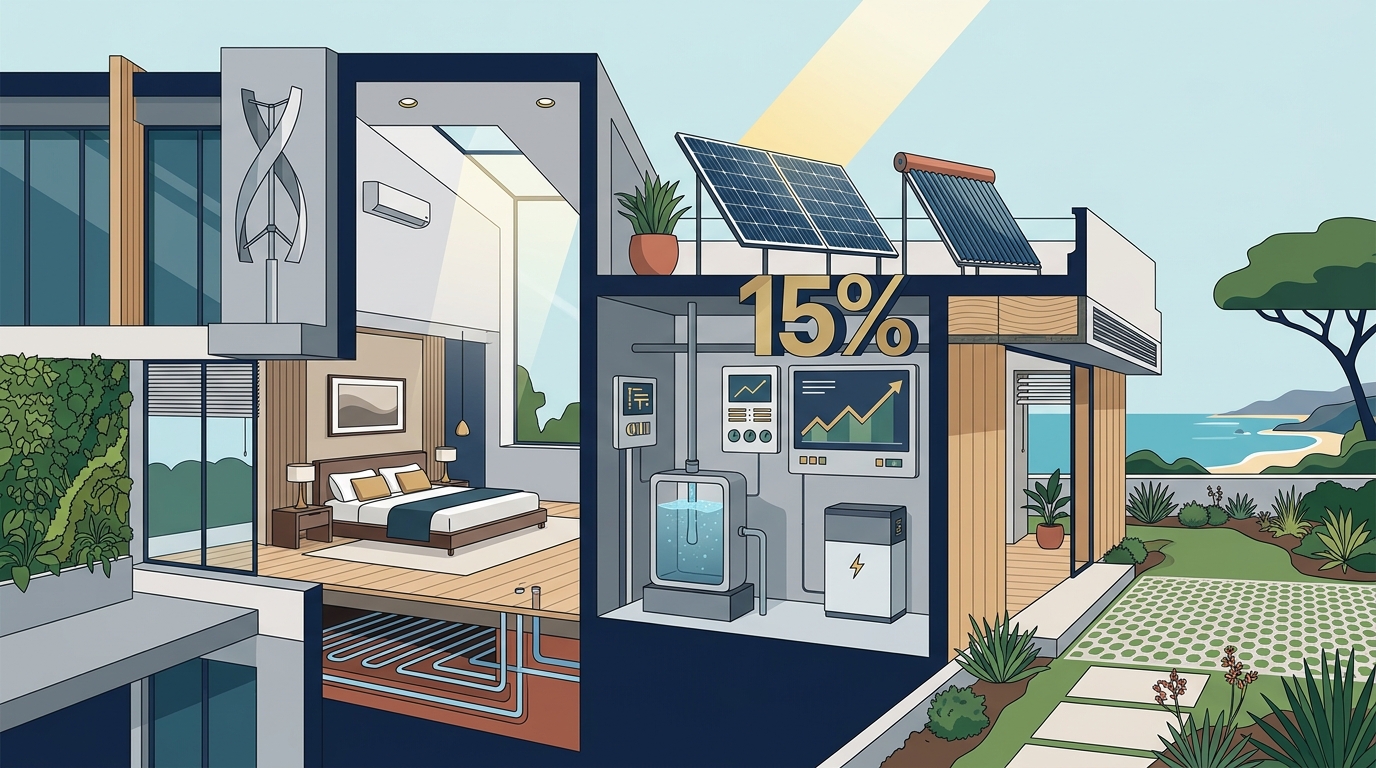
Embodied Carbon Reduction
Embodied carbon refers to the total greenhouse gas emissions generated during the production, transport, and installation of building materials. Using locally sourced stone, reclaimed timber, and low-carbon concrete significantly reduces this footprint. The construction industry is responsible for approximately 11% of global carbon emissions. Selecting low-carbon alternatives is a critical mitigation strategy.
Non-Toxic Finishes
High-VOC (Volatile Organic Compound) paints and adhesives are being phased out in favor of natural alternatives. These include clay plasters, natural oil finishes, and formaldehyde-free wood products. This shift ensures that the indoor environment remains healthy for occupants.
ECLEDE emphasizes minimal, clean architectural lines that respect the natural surroundings. This design ethos extends to material selection, ensuring that every element contributes to the overall aesthetic and environmental goals. The result is a space that feels both luxurious and grounded.
Intelligent Water Management Infrastructure
Water scarcity is a growing concern in many luxury destinations. Advanced water management systems are essential for resilience and sustainability.
Rainwater Harvesting and Greywater Recycling
Modern luxury homes incorporate sophisticated rainwater harvesting systems. Collected water is filtered and stored for use in irrigation, toilet flushing, and even laundry. Greywater recycling systems treat wastewater from sinks and showers for reuse. This reduces the demand on municipal water supplies by up to 50% in some climates.
Smart Irrigation
Lush landscaping is a hallmark of luxury properties. Smart irrigation systems use weather data and soil moisture sensors to optimize water usage. This ensures that gardens remain vibrant without wasting resources. The integration of native plants further reduces water needs and supports local biodiversity.
Indoor Environmental Quality and Wellness
Wellness is a key driver in the luxury market. Indoor environmental quality (IEQ) encompasses air, water, light, and acoustics.
Advanced Ventilation Systems
Heat recovery ventilation (HRV) systems provide continuous fresh air while retaining thermal energy. This ensures that indoor air quality remains high without compromising energy efficiency. According to the World Health Organization, poor indoor air quality can lead to significant health issues. Proper ventilation is a non-negotiable aspect of healthy living.
Biophilic Design Elements
Biophilic design connects occupants with nature through the use of natural light, views, and materials. Large windows, indoor gardens, and natural textures create a sense of calm and well-being. Studies show that biophilic design can reduce stress and improve cognitive function. This makes it a valuable feature for high-net-worth individuals seeking tranquility.
ECLEDE's vision centers on the intersection of inspiration, functionality, and responsibility. This includes creating spaces that enhance human experience through thoughtful design. The result is a home that supports both physical and mental well-being.
Seamless Smart Home Integration
Technology plays a crucial role in sustainable luxury. Smart home systems allow for precise control over energy and resource usage.
Automated Energy Management
Smart thermostats, lighting, and shading systems can optimize energy consumption based on occupancy and weather conditions. These systems learn user preferences and adjust automatically. This level of control ensures that energy is used only when and where it is needed.
Integrated Monitoring
Real-time monitoring of energy production and consumption provides transparency and control. Homeowners can track their carbon footprint and adjust behaviors accordingly. This data-driven approach empowers residents to make informed decisions about their lifestyle.
The integration of these technologies requires careful planning and execution. ECLEDE brings technical precision to this process, ensuring that systems work together seamlessly. This holistic approach delivers projects that are both aesthetically refined and functionally intelligent.
Key Takeaways
- Energy Independence: Net-zero potential is achieved through BIPV and superior thermal envelopes, reducing reliance on external grids.
- Material Ethics: Low-carbon and non-toxic materials reduce embodied carbon and improve indoor health, aligning with ECLEDE's sustainable philosophy.
- Water Resilience: Greywater recycling and smart irrigation systems can reduce municipal water demand by up to 50%.
- Wellness Focus: Biophilic design and advanced ventilation systems enhance cognitive function and reduce stress for occupants.
- Smart Control: Integrated automation allows for real-time energy monitoring and optimization, ensuring efficient resource use.
- Investment Value: Green-certified luxury homes are appreciating faster than traditional properties, offering strong financial returns.
- Design Philosophy: Minimal, clean lines and seamless integration with nature are core tenets of modern sustainable luxury.
Frequently Asked Questions
What is the definition of net-zero energy in luxury real estate?
Net-zero energy is a building that produces as much renewable energy as it consumes over the course of a year. This is achieved through a combination of energy efficiency and on-site generation.
How does biophilic design improve health?
Biophilic design improves health by connecting occupants with natural elements. This reduces stress, improves mood, and enhances cognitive function. It creates a sense of calm and well-being.
What is embodied carbon?
Embodied carbon is the total greenhouse gas emissions generated during the production, transport, and installation of building materials. It is a critical metric for assessing the environmental impact of construction.
Why is indoor air quality important in luxury homes?
Indoor air quality is crucial for health and comfort. Poor air quality can lead to respiratory issues and other health problems. Advanced ventilation systems ensure that air remains fresh and clean.
How do smart home systems contribute to sustainability?
Smart home systems optimize energy and resource usage through automation and real-time monitoring. This reduces waste and lowers utility bills while maintaining comfort.
What materials are considered sustainable in luxury construction?
Sustainable materials include reclaimed timber, low-carbon concrete, natural stone, and non-toxic finishes. These materials are durable, ethical, and environmentally friendly.
Can luxury properties be truly sustainable?
Yes, luxury properties can be sustainable. By integrating advanced energy systems, ethical materials, and smart technology, high-end homes can achieve net-zero status and minimize their environmental impact.
Contact ECLEDE for Your Next Project
ECLEDE specializes in creating high-end, environmentally responsible developments. With over two decades of experience, Vassilis Siafaricas leads the team in delivering projects that balance architecture, sustainability, and investment value. If you are looking for a property that embodies the future of luxury living, explore our portfolio and contact us to discuss your vision. We invite you to discover how sustainable design can enhance your lifestyle and asset value.