
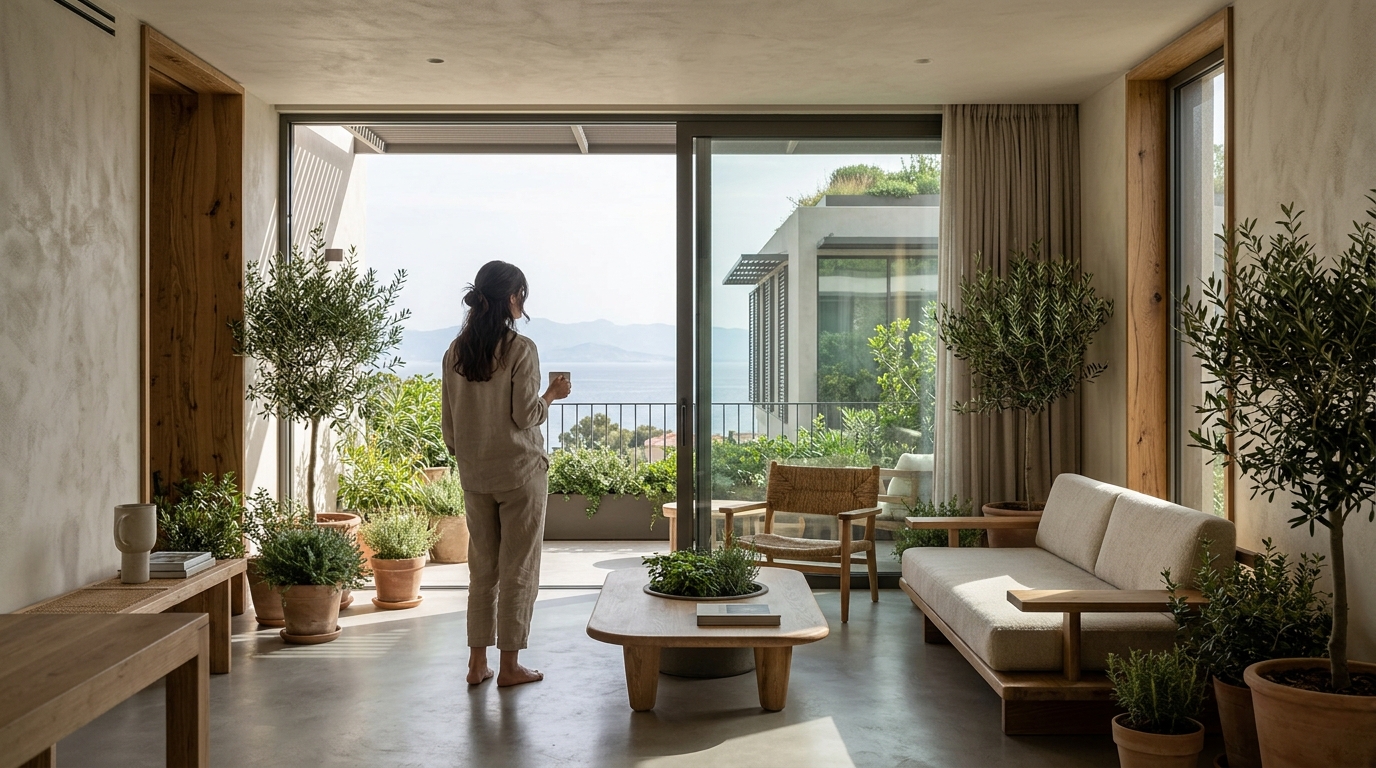
Modern architecture is undergoing a fundamental shift toward environmental responsibility without sacrificing aesthetic luxury. According to recent industry analyses, the global green building market is projected to grow significantly through 2030, driven by both regulatory pressures and consumer demand for energy-efficient homes. This evolution is not merely a trend but a structural necessity for developers who wish to maintain long-term asset value. At ECLÉDE, we view sustainability as the intersection of inspiration, functionality, and responsibility, ensuring that every project enhances human experience while preserving environmental harmony.
Foundational Principles of Eco-Conscious Architecture
Sustainable design begins with a holistic philosophy that prioritizes minimal, clean architectural lines. This approach reduces material waste while creating spaces that feel open and breathable. The core definition of sustainable architecture is the practice of designing buildings that minimize negative environmental impact through energy efficiency and responsible material use.
One of the most critical aspects of this philosophy is the seamless integration with natural surroundings. By orienting structures to maximize natural light and ventilation, developers can drastically reduce the reliance on artificial heating and cooling systems. This strategy aligns with the growing consumer preference for homes that offer both aesthetic refinement and functional intelligence.
Furthermore, sustainable design is not just about the building itself but also about its lifecycle. From construction to demolition, every phase must be planned to minimize waste. This long-term perspective ensures that the property retains its value and relevance for decades to come. For more insights on visionary creators in this space, you can explore Architectizers TOP 100 Vision Creators.
Strategic Material Selection and Sourcing
The choice of materials defines the environmental footprint of a development. Using locally sourced materials reduces transportation emissions and supports regional economies. This practice is particularly effective in regions like Greece, where rich natural resources such as stone and timber are abundant.
Recycled and reclaimed materials are also gaining prominence in luxury developments. These materials offer unique aesthetic qualities that cannot be replicated by mass-produced alternatives. For instance, reclaimed wood adds warmth and character to modern interiors while diverting waste from landfills. According to environmental reports, the construction industry accounts for a significant portion of global waste, making material selection a critical lever for change.
When selecting materials, it is essential to consider their durability and maintenance requirements. High-quality, long-lasting materials reduce the need for frequent replacements, thereby lowering the overall environmental impact over time. This approach ensures that the building remains functional and beautiful for generations. To understand the broader impact of these choices, refer to UNEP Building Resources.
Energy Systems and Passive Design
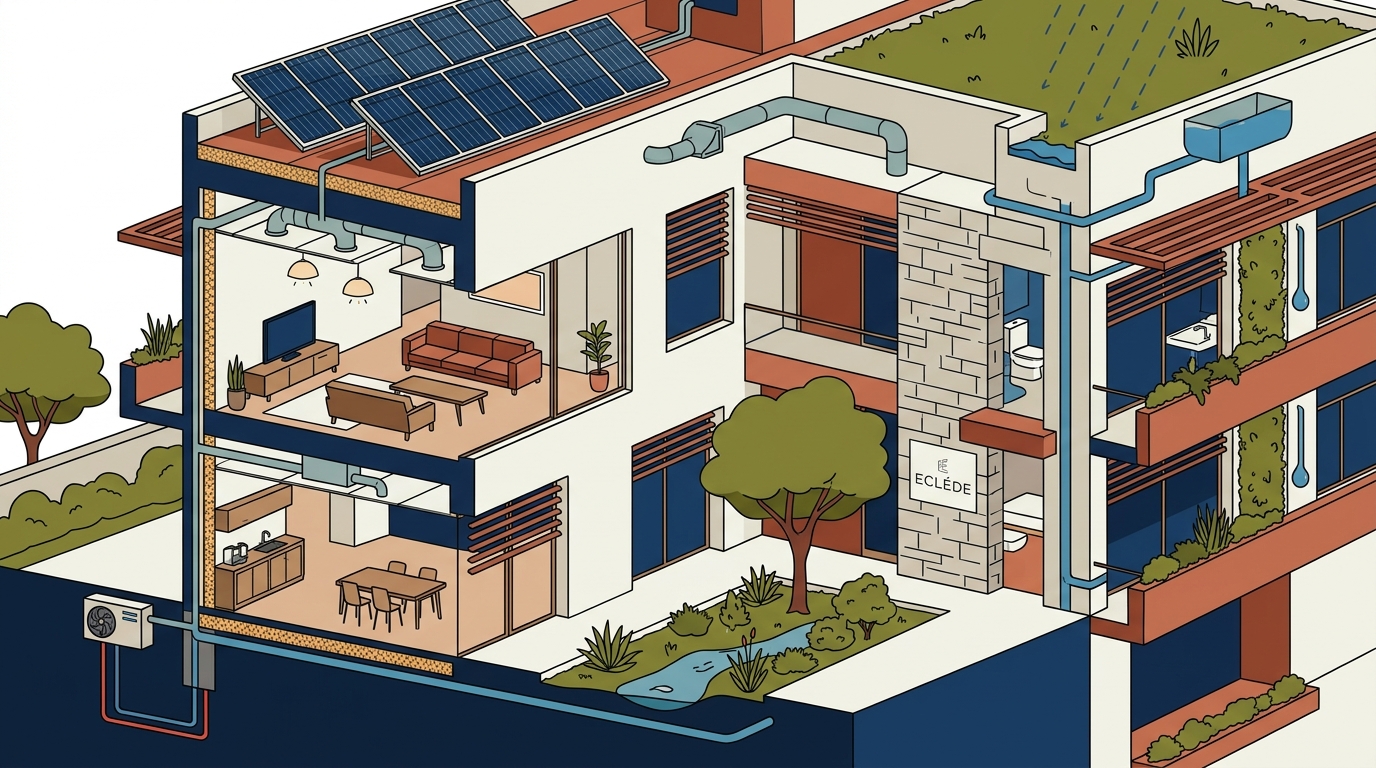
Passive design strategies are the backbone of energy-efficient homes. These strategies include proper insulation, high-performance windows, and thermal mass utilization. By leveraging these elements, buildings can maintain comfortable indoor temperatures year-round with minimal energy input.
Renewable energy integration is another key component of sustainable design. Solar panels, geothermal heating, and wind turbines can be seamlessly incorporated into modern architecture without compromising aesthetic integrity. The definition of net-zero energy building is a structure that produces as much energy as it consumes over the course of a year.
Implementing smart home technologies further enhances energy efficiency. Automated systems can monitor and adjust lighting, heating, and cooling based on occupancy and weather conditions. This level of control not only reduces utility bills but also provides residents with a more comfortable living environment. For detailed data on energy trends, consult IEA World Energy Outlook.
Water Conservation and Management
Water scarcity is a growing concern globally, making conservation a priority in sustainable design. Rainwater harvesting systems collect and store rain for later use in irrigation and non-potable applications. This reduces the demand on municipal water supplies and lowers utility costs.
Greywater recycling is another effective strategy. This process treats wastewater from sinks, showers, and laundry for reuse in toilets and landscaping. The definition of greywater is lightly contaminated domestic wastewater that can be safely reused for specific purposes.
Landscaping with native, drought-resistant plants further reduces water consumption. These plants are adapted to local climate conditions and require minimal irrigation. This approach creates resilient outdoor spaces that thrive with little maintenance. For more information on water conservation techniques, visit EPA WaterSense.
Comparing Sustainable Design Approaches
Understanding the differences between various sustainable design approaches helps in selecting the right strategy for a specific project. The table below outlines the key characteristics of common methods.
| Approach | Primary Focus | Key Benefits | Best For |
|---|---|---|---|
| Passive Design | Energy Efficiency | Lower utility bills, comfort | Residential homes |
| Green Materials | Resource Conservation | Reduced waste, durability | New constructions |
| Renewable Integration | Energy Generation | Net-zero potential, independence | Large-scale developments |
| Water Recycling | Water Conservation | Lower water usage, resilience | Dry climates |
Key Takeaways
- Sustainable design integrates minimal architectural lines with environmental responsibility.
- Local material sourcing reduces carbon footprint and supports regional economies.
- Passive design strategies significantly lower energy consumption in modern homes.
- Net-zero energy buildings produce as much energy as they consume annually.
- Greywater recycling treats wastewater for safe reuse in non-potable applications.
- Native landscaping reduces water demand and enhances biodiversity.
- Vassilis Siafaricas leads ECLÉDE in creating high-end, eco-conscious developments.
Frequently Asked Questions
What is the most important aspect of sustainable design?
The most important aspect is the holistic integration of energy efficiency, material selection, and environmental harmony. This ensures that the building performs well throughout its lifecycle.
How does passive design reduce energy costs?
Passive design uses natural elements like sunlight and wind to heat and cool spaces, reducing the need for mechanical systems and lowering utility bills.
Are sustainable materials more expensive?
While initial costs can be higher, sustainable materials often offer greater durability and lower maintenance costs, resulting in long-term savings.
What is greywater?
Greywater is lightly contaminated domestic wastewater from sinks and showers that can be treated and reused for irrigation or toilet flushing.
How can I verify a developer's sustainability claims?
Look for certifications like LEED or BREEAM, and review the developer's portfolio for consistent implementation of eco-friendly practices.
Does sustainable design affect property value?
Yes, sustainable homes often command higher resale values due to their lower operating costs and appeal to environmentally conscious buyers.
What role does technology play in sustainable living?
Smart home technologies automate energy and water usage, optimizing efficiency and providing real-time data for better management.
Start Your Sustainable Development Journey
Creating a modern, functional living space requires a partner who understands both design and sustainability. ECLÉDE, led by Vassilis Siafaricas, specializes in high-end developments that balance aesthetic refinement with environmental responsibility. We invite you to explore our portfolio and learn more about our approach to sustainable luxury. Visit our portfolio page to see our latest projects. For more information on our philosophy, check our about page. To discuss your next development, please contact us today. You can also learn more about our founder's vision on siafaricas.com.