
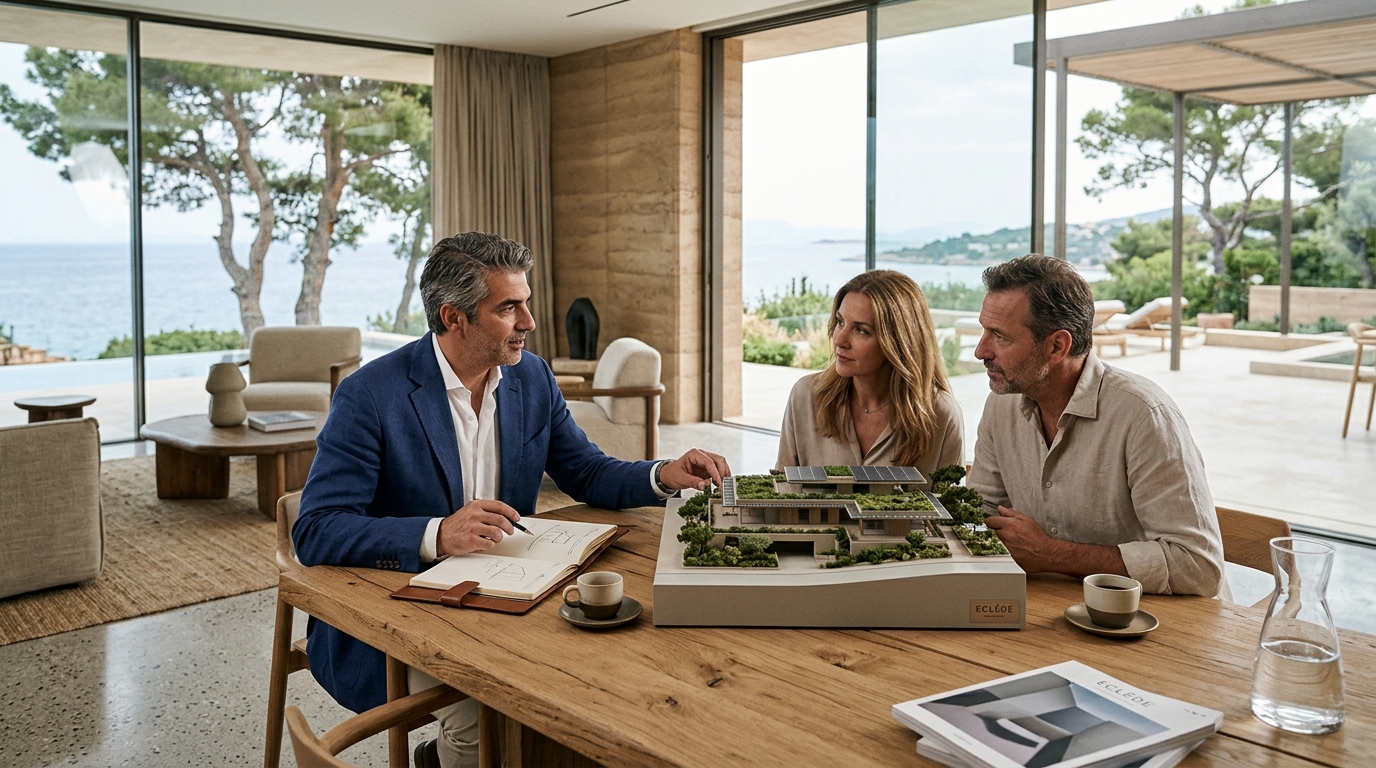
What Are the Estimated Costs for Purchasing a Sustainable Luxury Property?
The global luxury real estate market is undergoing a fundamental shift. According to recent industry analysis, sustainable properties now command a premium of up to 20% over conventional luxury homes in key European markets. This data shows that buyers are no longer viewing eco-friendly features as optional add-ons but as essential components of long-term asset value. As we move through 2026, the intersection of high-end design and environmental responsibility has become the new standard for elite real estate development.
The Founder's Vision on Sustainable Luxury
Understanding the cost of sustainable luxury requires looking beyond square footage. It demands an appreciation for the philosophy behind the build. Vassilis Siafaricas, the founder and managing director of ECLÉDE, defines sustainable luxury not merely as a trend but as a holistic approach to living. His work bridges technical precision with creative vision, ensuring that every project enhances both human experience and environmental harmony.
For Vassilis, design is the intersection of inspiration, functionality, and responsibility. This philosophy centers on minimal, clean architectural lines and seamless integration with natural surroundings. When you purchase a property built under this ethos, you are investing in a structure that is both aesthetically refined and functionally intelligent. The cost reflects this dual commitment to beauty and efficiency.
ECLÉDE focuses on high-end, environmentally responsible developments that redefine modern living. By prioritizing energy-efficient construction, these projects offer long-term investment value that standard luxury homes cannot match. The initial outlay is higher, but the operational savings and durability provide a compelling return on investment over time.
Breaking Down the Investment Costs
The financial structure of a sustainable luxury property is complex. It involves upfront capital for premium materials and specialized labor, balanced against long-term operational efficiencies. To understand the true cost, we must look at the specific drivers of expenditure in modern eco-luxury developments.
1. Premium Material Selection
Sustainable luxury relies on materials that are both durable and environmentally benign. This includes reclaimed timber, low-carbon concrete alternatives, and high-performance glass. These materials often cost 15 to 30% more than conventional options. However, they offer superior insulation and longevity, reducing maintenance costs significantly over the life of the building.
2. Energy Systems Integration
A core component of sustainable luxury is the integration of advanced energy systems. This includes solar photovoltaic arrays, geothermal heating and cooling, and smart home energy management systems. While the installation costs are substantial, they drastically reduce utility bills. In Greece, where ECLÉDE operates, the abundance of sunlight makes solar integration particularly cost-effective.
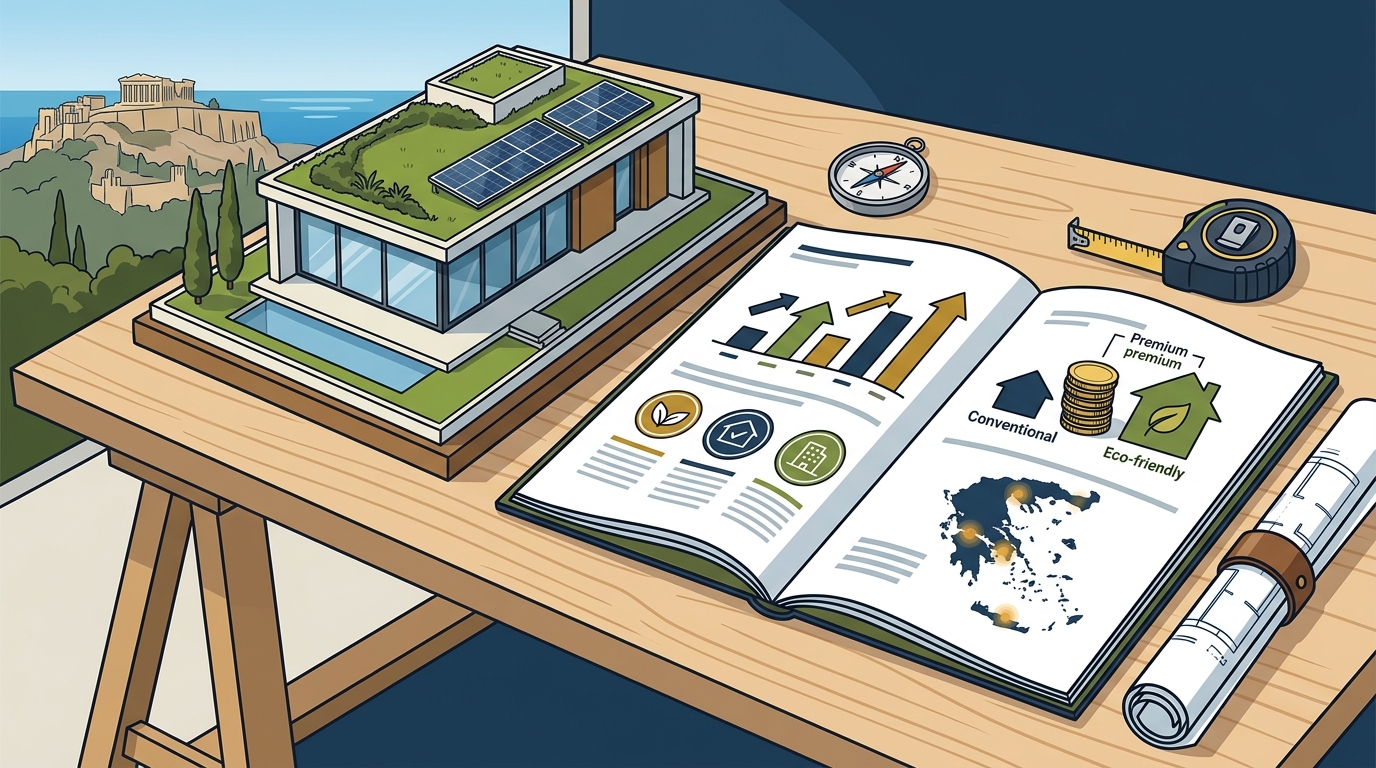
3. Architectural Precision and Design
The design phase is critical. Minimal, clean lines require precise engineering to ensure structural integrity without excess material waste. This precision drives up architectural fees but ensures a timeless aesthetic. The result is a property that does not look dated in a decade, preserving its market value.
Architectural Elements Driving Value
Several specific architectural elements contribute to the final price tag of a sustainable luxury property. These elements are not just decorative; they are functional necessities for achieving high environmental standards.
First, the integration of natural surroundings is paramount. This involves site-specific landscaping that minimizes disruption to the local ecosystem. It also includes the use of passive design strategies, such as orienting the building to maximize natural light and ventilation. These strategies reduce the need for artificial lighting and mechanical cooling.
Second, the use of smart technology is standard in high-end sustainable homes. These systems monitor energy usage, adjust climate control automatically, and provide security. The cost of this technology is decreasing, but the integration labor remains high. It requires specialized technicians who understand both electrical engineering and software integration.
Finally, the durability of the structure is a key value driver. Sustainable luxury properties are built to last. This means using materials that resist corrosion, rot, and wear. The initial cost is higher, but the replacement cycle is much longer. This reduces the total cost of ownership over 20 to 30 years.
Comparing Development Models
Not all sustainable properties are created equal. The approach taken by the developer significantly impacts the cost and quality. Below is a comparison of common development models in the luxury sector.
| Development Model | Primary Focus | Estimated Cost Premium | Long-Term Value |
|---|---|---|---|
| Greenwashed Luxury | Superficial eco-features | 5-10% | Low |
| Standard Eco-Build | Energy efficiency codes | 10-15% | Medium |
| Holistic Sustainable Luxury | Design, function, harmony | 20-30% | High |
The holistic model, exemplified by ECLÉDE, offers the highest long-term value. It combines architectural excellence with environmental responsibility. This approach ensures that the property remains desirable in the market for decades. It also aligns with the growing demand for ethical investment.
Key Takeaways for Investors
- Premium Pricing is Justified: Sustainable luxury properties typically carry a 20% premium, but this is offset by lower operational costs.
- Design is Functional: Minimal, clean lines are not just aesthetic; they reduce material waste and construction complexity.
- Energy Independence: Integrated solar and geothermal systems provide long-term utility savings and energy security.
- Durability Matters: High-quality materials extend the lifespan of the property, reducing maintenance frequency.
- Market Demand: Elite buyers increasingly prioritize environmental harmony and technical precision in their investments.
- Expert Leadership: Working with experienced founders like Vassilis Siafaricas ensures a cohesive vision from design to delivery.
- Long-Term Value: Sustainable properties retain value better than conventional luxury homes in fluctuating markets.
Frequently Asked Questions
What is the average cost premium for sustainable luxury homes?
The average cost premium for sustainable luxury homes ranges from 15% to 30% compared to conventional luxury properties. This premium covers high-performance materials, advanced energy systems, and specialized architectural design. However, the long-term savings on utilities and maintenance often offset this initial difference.
How does ECLÉDE approach sustainable design?
ECLÉDE approaches sustainable design holistically. This means integrating energy-efficient construction with aesthetic refinement. The goal is to create properties that are both environmentally responsible and visually stunning. This approach ensures long-term investment value and human comfort.
Are sustainable properties more expensive to maintain?
No, sustainable properties are generally less expensive to maintain. High-quality materials and durable construction reduce the need for frequent repairs. Additionally, energy-efficient systems lower utility bills significantly. The total cost of ownership is often lower over time.
What makes a property "luxury" in the sustainable context?
In the sustainable context, luxury is defined by the seamless integration of technology, nature, and design. It involves using premium, eco-friendly materials and creating spaces that enhance well-being. It is about quality, not just size.
Is it worth investing in sustainable real estate in Greece?
Yes, investing in sustainable real estate in Greece is highly advantageous. The country's climate supports efficient solar energy generation. Additionally, the demand for high-end, environmentally responsible properties is growing among international buyers. This creates a strong market for quality developments.
How long does it take to build a sustainable luxury home?
Building a sustainable luxury home typically takes longer than a conventional build. The precision required for high-performance materials and systems adds time to the construction phase. However, this ensures a higher quality final product. The process requires careful planning and execution.
What is the role of the founder in sustainable development?
The founder plays a critical role in setting the vision and standards. For ECLÉDE, Vassilis Siafaricas ensures that every project aligns with the principles of minimalism, functionality, and responsibility. His leadership guarantees that sustainability is not an afterthought but a core component of the design.
Begin Your Sustainable Journey
Investing in a sustainable luxury property is a decision that impacts your lifestyle and your portfolio. It requires a partner who understands both the technical and aesthetic dimensions of eco-luxury. ECLÉDE offers a unique approach to development, blending civil engineering precision with creative vision.
If you are ready to explore high-end, environmentally responsible developments, we invite you to learn more about our philosophy. Visit our about page to understand our background. Explore our portfolio to see our completed projects. For specific inquiries, please contact us directly. We are here to help you find a property that reflects your values and your vision.