
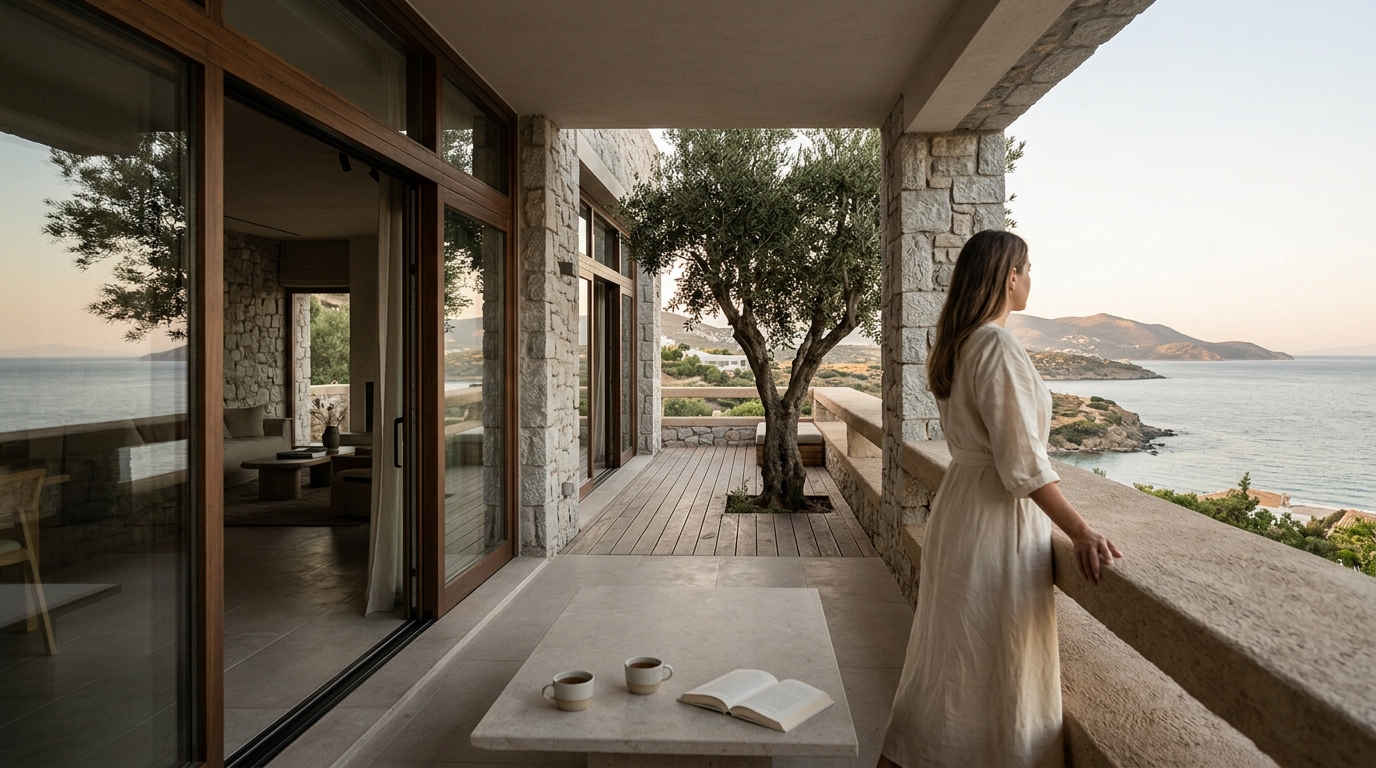
The luxury real estate market is undergoing a fundamental shift. Buyers no longer view sustainability as a compromise to opulence. Instead, they demand it as a core component of high-value living. According to recent industry reports, over 60% of high-net-worth individuals now prioritize environmental responsibility when selecting their primary residences. This data shows a clear trend toward properties that offer both aesthetic refinement and ecological integrity. The intersection of these values creates a new standard for modern luxury.
Energy Efficiency and Passive Design
Passive design is the foundation of sustainable luxury. It relies on the building's orientation and structure to regulate temperature naturally. This approach reduces reliance on mechanical heating and cooling systems. The result is a home that maintains comfort with minimal energy input.
Key elements include strategic window placement for optimal solar gain. Large overhangs provide shade during summer months while allowing warmth in winter. Insulation standards in luxury developments now exceed local building codes significantly. This ensures thermal stability regardless of external weather conditions.
At ECLEDE, we prioritize holistic design principles. Our projects in Greece demonstrate how minimal architectural lines can enhance energy performance. We integrate high-performance glazing to reduce heat transfer. This creates a seamless connection between interior spaces and the natural environment. The goal is to enhance human experience while maintaining environmental harmony.
Sustainable Material Selection
The choice of materials defines the longevity and ethical footprint of a luxury property. Sustainable materials are not just eco-friendly. They also offer superior durability and aesthetic depth. Reclaimed wood, recycled steel, and low-carbon concrete are becoming standard in high-end construction.
Local sourcing reduces transportation emissions and supports regional economies. It also ensures that materials are suited to the local climate. For example, using stone native to the Mediterranean region provides natural cooling properties. This aligns with the philosophy of seamless integration with natural surroundings.
Transparency in the supply chain is critical. Buyers demand to know the origin and processing methods of every component. Certifications such as FSC for wood or Cradle to Cradle for products provide verification. These standards ensure that luxury does not come at the expense of ecological health.
Advanced Water Management Systems
Water scarcity is a growing concern in many luxury destinations. Sustainable properties address this through comprehensive water management strategies. Rainwater harvesting systems collect and store precipitation for irrigation and non-potable uses. This reduces the strain on municipal water supplies.
Greywater recycling systems treat wastewater from sinks and showers. This treated water is then reused for toilet flushing or landscape irrigation. Such systems can reduce overall water consumption by up to 40%. This is a significant metric for environmentally conscious homeowners.
Native landscaping plays a crucial role in water conservation. Plants adapted to local rainfall patterns require minimal supplemental watering. This approach creates gardens that are both beautiful and low-maintenance. It reflects a commitment to energy-efficient, future-focused construction.
Indoor Air Quality and Wellness
Indoor air quality is a primary concern for luxury buyers. Poor ventilation can lead to health issues and reduced comfort. Sustainable design prioritizes fresh air circulation and pollutant removal. Mechanical ventilation with heat recovery (MVHR) systems are often installed. These systems exchange stale indoor air with fresh outdoor air while retaining thermal energy.
Low-VOC (Volatile Organic Compound) paints and finishes are standard. These products emit fewer harmful chemicals into the living space. This creates a healthier environment for occupants. The definition of wellness in real estate now explicitly includes air purity.
Natural light is another critical factor. Maximizing daylight reduces the need for artificial lighting. It also improves mood and productivity. Skylights and light wells can bring sunlight into deeper parts of the home. This enhances the sense of space and connection to the outdoors.
Smart Home Integration
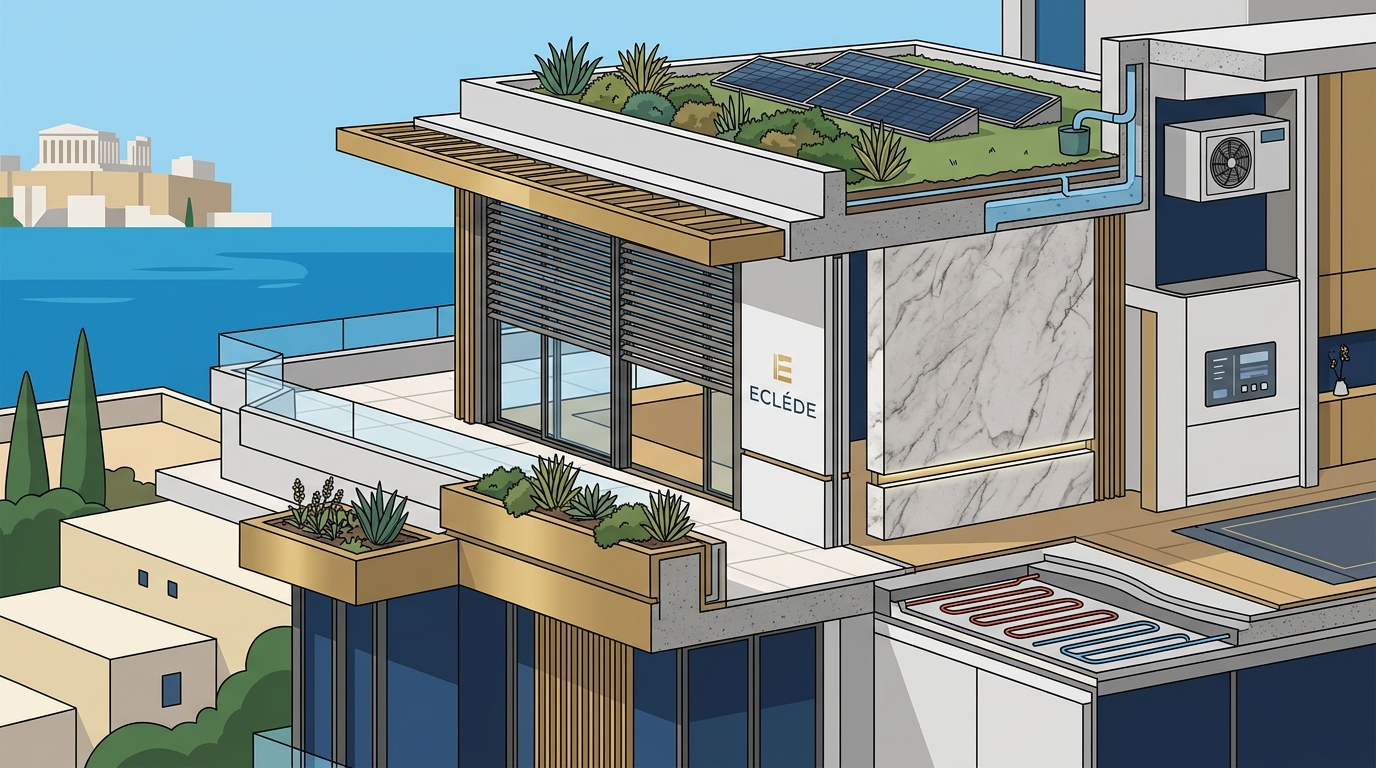
Technology amplifies the efficiency of sustainable design. Smart home systems allow homeowners to monitor and control energy usage in real time. Lighting, HVAC, and shading can be automated based on occupancy and weather conditions. This optimization ensures that energy is only used when necessary.
Renewable energy sources are increasingly integrated into luxury homes. Solar panels and battery storage systems provide energy independence. In some regions, net metering allows homeowners to sell excess power back to the grid. This turns the home into a productive asset rather than just a consumer.
Integration with local infrastructure is also important. Electric vehicle charging stations are becoming a standard amenity. Smart irrigation systems adjust watering schedules based on real-time weather data. These features demonstrate a commitment to long-term investment value through technological advancement.
Feature Comparison Matrix
Understanding the differences between standard and sustainable luxury features helps buyers make informed decisions. The table below summarizes the key distinctions.
| Feature Category | Standard Luxury Approach | Sustainable Luxury Approach | Primary Benefit |
|---|---|---|---|
| Energy Source | Grid-dependent | Solar + Battery Storage | Energy Independence |
| Insulation | Code Minimum | High-Performance Passive Standards | Thermal Stability |
| Water Usage | Municipal Supply Only | Rainwater Harvesting + Greywater | Resource Conservation |
| Materials | Imported, Non-Recycled | Local, Recycled, Low-Carbon | Reduced Carbon Footprint |
| Indoor Air | Standard Ventilation | MVHR + Low-VOC Finishes | Health and Wellness |
Key Takeaways
- Sustainability is no longer optional in luxury real estate. It is a driver of value and comfort.
- Passive design principles reduce energy consumption by optimizing building orientation and insulation.
- Sustainable material selection supports local economies and reduces environmental impact.
- Advanced water management systems, including rainwater harvesting, are essential in water-scarce regions.
- Indoor air quality is a critical component of wellness-focused luxury design.
- Smart home technology enables real-time optimization of energy and resource usage.
- ECLEDE integrates these features to create high-end, environmentally responsible developments.
Frequently Asked Questions
What is the most important sustainable feature in a luxury home?
Energy efficiency through passive design is often considered the most critical. It forms the baseline for all other sustainable systems to operate effectively.
How do sustainable materials affect property value?
Properties with certified sustainable materials often command higher resale values. They appeal to a growing demographic of environmentally conscious buyers.
Is solar power practical for all luxury properties?
Solar power is practical for most properties, depending on roof orientation and local sunlight. Battery storage ensures reliability even during cloudy periods.
What is greywater recycling?
Greywater recycling is the process of treating wastewater from sinks and showers for reuse in irrigation or toilet flushing.
How does indoor air quality impact health?
Good indoor air quality reduces respiratory issues and improves overall well-being. It is achieved through proper ventilation and low-emission materials.
Can luxury homes be net-zero energy?
Yes, luxury homes can achieve net-zero energy status. This requires a combination of high efficiency and renewable energy generation.
What role does local sourcing play in sustainability?
Local sourcing reduces transportation emissions and supports regional economies. It also ensures materials are suited to the local climate.
Connect with ECLEDE
Discover the intersection of inspiration, functionality, and responsibility. ECLEDE leads the creation of high-end, environmentally responsible developments that redefine modern living. Our projects in Greece showcase the balance of architecture, sustainability, and long-term investment value. Contact us to explore how we can bring this vision to your next property. Visit our contact page to start the conversation. Learn more about our portfolio of luxury developments. Read about our founder's vision and philosophy. Explore our awards and recognition. Stay updated with our latest news.